
Is Rhinoplasty Safe in Turkey? What Patients Really Need to Know (2026)
Turkey performs more rhinoplasties than any country in Europe. Is it safe? What the data actually shows, what risks exist, and how to protect yourself — an honest guide.
Turkey performs more rhinoplasty procedures annually than any country in Europe, and Istanbul's top surgeons handle 500–2,000+ cases per year each. That volume produces either exceptional skill or exceptional risk — depending entirely on which clinic you choose. This guide does not sell Turkey as a destination.
It answers the safety question honestly: what the complication data shows, where genuine risks exist, and what questions to ask before booking.
What the Complication Data Actually Shows
Rhinoplasty complication rates in Turkey are not published as a single national statistic — no country publishes that. What we have is: comparative studies from JCI-accredited hospitals in Istanbul showing complication rates (infection, revision, breathing issues) within published international benchmarks when surgeon volume and training criteria match Western standards.
The Turkish Ministry of Health licenses health tourism clinics and conducts inspections. JCI (Joint Commission International) accreditation — which several Istanbul hospitals hold — requires complication reporting, mortality tracking, and outcome documentation comparable to North American hospital standards.
**The honest risk picture**: Turkey itself is not the safety variable. The clinic tier, surgeon credentials, and pre-operative protocols are. A Tier 1 JCI-accredited Istanbul hospital with a surgeon doing 400+ rhinoplasties per year has demonstrably lower revision rates than a volume-discount clinic with rotating medical staff. The country-level question is the wrong question.
See our full rhinoplasty Istanbul guide for clinic tier definitions.

Where the Real Risks Come From
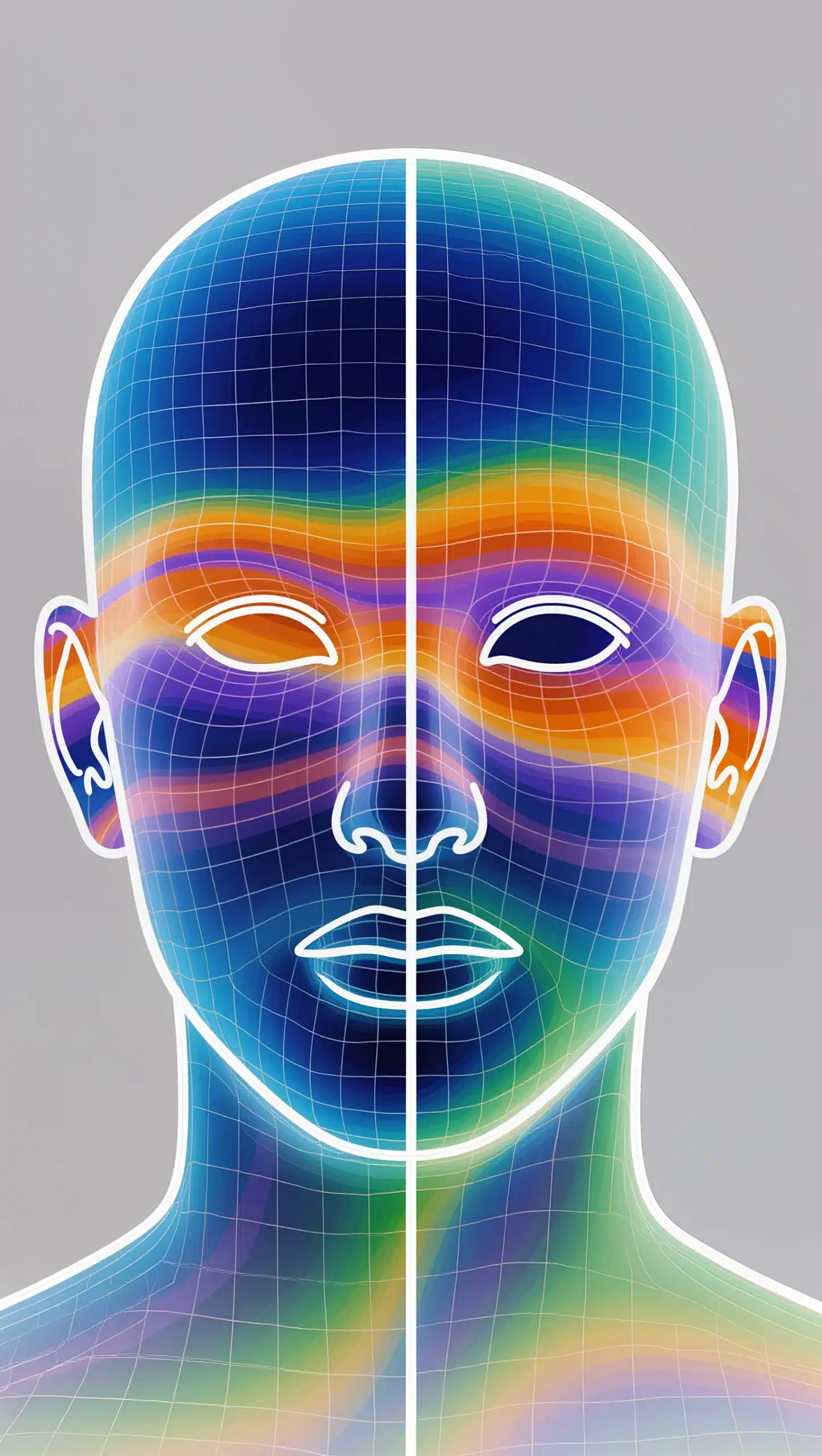
**1. Technician-led assessment**: Some lower-tier clinics replace the pre-operative surgical evaluation with a brief online photo review. A rhinoplasty consultation should include: in-person (or detailed video) consultation, 3D imaging or morphing software showing projected results, assessment of breathing function (septum, turbinates), discussion of skin thickness and ethnic structure.
Any clinic that skips this step is treating your case as a commodity.
**2. Over-promise / under-deliver**: The most common complaint pattern from international rhinoplasty patients is not physical complications — it is dissatisfaction with the result. "I wanted X, they gave me Y." This happens when the consultation is focused on closing the booking rather than genuine planning. A surgeon who shows you a portfolio of identical noses is not adapting to your face.
**3. Fly-and-die travel timing**: Patients who book the shortest possible Istanbul stay to save on flights create their own risk. Post-rhinoplasty swelling assessment at day 5–7 is medically important. Flying home 48 hours after surgery — which some budget clinics implicitly encourage — bypasses critical early follow-up.
**4. Revision surgery complexity**: If a revision is needed, the scar tissue from the first procedure makes the second surgery significantly more complex. This is true everywhere, but it matters when your original surgeon is not local. Plan the follow-up communication structure before you book, not after.
See our international patient treatment process guide for what post-treatment follow-up should look like.
Questions to Ask Before You Book
**1. How many rhinoplasties do you perform per year personally?** Look for surgeon-performed volume above 150/year for specialists. Below 50/year in a high-volume market is a red flag for rhinoplasty specialists specifically.
**2. What is your revision rate?** Industry benchmark for experienced surgeons: under 5% over a 2-year period. If a surgeon cannot answer this question with a number, they do not track it.
**3. Will you perform the procedure, or will your team?** The surgeon should perform both the osteotomies (bone-breaking for profile change) and the tip work. Delegating critical steps to assistants is how outcomes diverge from expectations.
**4. What happens if I need a revision?** Get a clear answer on: Is the first revision covered? What is the timeline for revision assessment (swelling takes 6–12 months to fully resolve)? Who is my primary contact for follow-up?
**5. Can I see CT scan and structural planning for my case?** Top-tier Istanbul rhinoplasty surgeons use 3D CT analysis and computer morphing. If your case assessment involves only 2D photos, the planning depth is limited.
Accreditation, Hospitals & What They Actually Mean
**JCI (Joint Commission International)**: The gold standard for hospital-level safety. JCI-accredited hospitals in Istanbul include Acibadem, Memorial, Liv, and American Hospital. JCI certification requires documented quality standards including: infection control, surgery safety checklists, patient rights, and outcome tracking.
Rhinoplasty in a JCI hospital means the surgical environment meets international safety standards.
**Turkish Ministry of Health — Health Tourism Authorization**: All clinics treating international patients for cosmetic procedures should hold this certification. It requires minimum clinical staff qualifications, safety equipment, and patient documentation standards.
**Individual surgeon certification**: Board certification from the Turkish Plastic, Reconstructive and Aesthetic Surgery Society (TPCD) is the specialty marker. Confirm it is current.
Not all clinics advertising rhinoplasty in Turkey use board-certified plastic surgeons — some use ENT surgeons (otolaryngologists), who may specialise in functional (breathing) rhinoplasty, or general surgeons without aesthetic specialisation.
**Practical check**: Ask the clinic for the surgeon's full name, look them up on the TPCD website, and verify their certification status directly — not through the clinic's marketing materials.
What a Safe, Well-Planned Turkey Rhinoplasty Actually Looks Like
When done correctly, rhinoplasty in Turkey follows this process:
**Pre-operative**: Online or in-person consultation 2–4 weeks before travel. Review of medical history, photos, 3D plan or morphing preview. Surgeon call answering all your questions.
**Travel**: 7–10 day Istanbul itinerary. Pre-op tests on arrival day or day before. Surgery day 2–3.
**Post-operative in Istanbul**: Cast or splint remains for 7–10 days. Day 5–7 check at clinic: swelling assessment, breathing review, dressing change. Day 7–10: cast removal and first look.
**Follow-up after return**: WhatsApp photo monitoring at weeks 2, 4, 8, and month 3–6. Any breathing concerns assessed remotely or via local ENT.
**Timeline to final result**: Swelling resolves progressively. The nose at 3 months looks approximately 80% of the final result. Full resolution at 12 months for most cases, 18 months for thick-skin patients.
For detailed cost breakdowns, see our rhinoplasty Istanbul guide and rhinoplasty Turkey cost comparison.

Frequently asked questions
Is rhinoplasty in Turkey as safe as in the UK or US?
At JCI-accredited hospitals with board-certified surgeons, the surgical safety environment is comparable to international standards. The risk differential comes from clinic selection, not from Turkey as a country. Lower-tier volume clinics carry higher complication and dissatisfaction rates than their counterparts anywhere.
What is the most common complication of rhinoplasty in Turkey?
The most common reported issue is aesthetic dissatisfaction (result differs from expectation), not medical complications. Medical complications (infection, breathing issues, revision for structural reasons) occur at rates comparable to published international benchmarks when proper surgeons and facilities are used.
How do I know if a Turkish rhinoplasty surgeon is legitimate?
Verify board certification with the Turkish Plastic Surgery Society (TPCD), request their annual rhinoplasty case volume, ask for examples of cases with a similar starting point to yours, and confirm the hospital or clinic holds JCI accreditation or Ministry of Health health tourism authorization.
How long should I stay in Turkey after rhinoplasty?
A minimum of 7 days post-surgery. The cast removal and first assessment typically happen at day 7–10. Flying home with an unassessed early-stage result misses the follow-up window that matters most. Many surgeons recommend 10–14 days total stay for first-time rhinoplasty patients.
What should I do if I need a revision after returning home?
Establish the follow-up protocol before you travel. Reputable Istanbul rhinoplasty surgeons provide remote follow-up via photo monitoring for 6–12 months. Swelling should fully resolve before revision assessment (minimum 6 months, often 12 months). If the surgeon cannot provide clear post-return communication, that is a pre-booking red flag.
Free Guide: The Complete Medical Tourism Handbook
Cost comparisons, clinic evaluation checklist, packing list & recovery tips — everything you need to plan your treatment in Turkey.
Related reading
aesthetic-procedures
Rhinoplasty in Istanbul: Surgeon Selection, Techniques & Realistic Costs (2026)
What rhinoplasty in Istanbul actually costs, how to pick a surgeon, and what open vs. closed technique means for your nose — a no-hype guide for international patients.
plastic-surgery
Rhinoplasty Turkey Cost 2026: Open, Closed & Revision Prices
A buyer-focused cost guide for rhinoplasty in Turkey, covering open, closed and revision pricing with package evaluation criteria.
aesthetic-procedures
Open vs Closed Rhinoplasty: Techniques, Scarring, Recovery & Which Approach Suits Your Nose
A surgeon-level comparison of open and closed rhinoplasty techniques — visibility, scarring, recovery time, precision trade-offs, and which approach produces better results for specific nose types.
rhinoplasty-faq
Rhinoplasty FAQ: 15 Questions About Nose Surgery in Turkey
Everything you need to know before rhinoplasty — revision rates, swelling timeline, breathing concerns, revision options, and how to evaluate Istanbul surgeons.
medical-tourism
Why Turkey for Medical Tourism: The Complete Guide to Quality, Cost & Safety (2026)
A comprehensive guide to medical tourism in Turkey — accreditation standards, cost factors, surgeon training, safety statistics, patient rights, and how to plan treatment with confidence.
medical-tourism
International Patient Treatment Process: From Inquiry to Follow-Up
A full-process guide showing how international treatment journeys should work from first inquiry to quote, travel, treatment, recovery, and aftercare.
plastic-surgery
Irina Shayk's Nasal Harmony: Why Rhinoplasty Planning Must Consider the Whole Face
How Irina Shayk's naturally straight nasal profile demonstrates the principle that nose aesthetics depend on facial context — and why isolated nose planning produces unpredictable results.