

The Brazilian Butt Lift has undergone a remarkable transformation in the last decade. Once associated with exaggerated curves, unpredictable results, and heightened safety concerns, the BBL of 2025 is almost unrecognizable from its earlier versions. Today, the modern BBL prioritizes proportion, structural harmony, and surgical safety elements that define contemporary aesthetic standards worldwide.
Turkey has emerged as one of the global leaders in this evolution, driven by high surgical expertise, advanced technology, and an approach centered on natural, anatomical shaping. For international patients, the shift toward sophisticated fat grafting and enhanced safety protocols has made the modern BBL not only more refined but also more accessible.
Three primary cultural and aesthetic movements elevated the BBL to worldwide prominence:
These trends created an environment where patients no longer pursued dramatic volume, but harmonious curves that complement their natural frame. As aesthetic sensibilities changed, surgeons refined their techniques to deliver results that look elegant rather than exaggerated.
Older BBL techniques prioritized volume—more fat meant bigger results. But modern aesthetic medicine has moved decisively toward body harmony. Today, the goal is to:
This approach aligns with contemporary beauty standards, where proportion, balance, and fluid lines matter more than size alone.

Fat grafting success depends on one biological truth: transplanted fat survives only if it receives adequate blood supply. This means:
High-volume injections or deep intramuscular placement increase risk and reduce final fat retention. Modern BBL techniques avoid these pitfalls by adhering to evidence-based safety guidelines.
The introduction of ultrasound-guided fat injection has been one of the most important advancements in BBL safety. Surgeons can visualize:
This reduces the risk of fat entering major vessels and ensures fat stays in safe, superficial planes. Clinics in Turkey increasingly adopt these standards, aligning with international safety recommendations.
Other innovations include:
Turkey’s rise in advanced BBL techniques is no coincidence. The country offers:
Additionally, Turkey’s aesthetic philosophy naturally aligns with modern BBL principles—balance, natural curvature, and proportional sculpting. For patients seeking results that are noticeable yet refined, Turkey has become one of the most trusted destinations.
The next section will explore the anatomy of the gluteal region, how fat grafting integrates with tissue over time, and why certain body types respond differently to BBL enhancement.

A Brazilian Butt Lift is not simply a volume-transfer procedure—it is a structural reshaping technique rooted in anatomy, tissue biology, and proportional design. To understand why results vary from patient to patient, and why certain figures respond more dramatically than others, it is essential to examine the gluteal region as a dynamic anatomical system rather than a single “area” for augmentation.
The buttocks are composed of several distinct anatomical layers, each playing a unique role in shape, projection, and overall contour. These include:
Understanding these layers allows surgeons to place fat with greater intention. When fat is grafted into the correct superficial planes—above the muscle rather than deep within it—it enhances shape while staying within safe zones.
Fat is a living tissue. Once transferred, each fat cell must reconnect to a blood supply to survive. This process is called angiogenesis—the formation of new blood vessels. For successful grafting, several factors must be optimized:
These variables explain why retention rates are not identical across individuals.
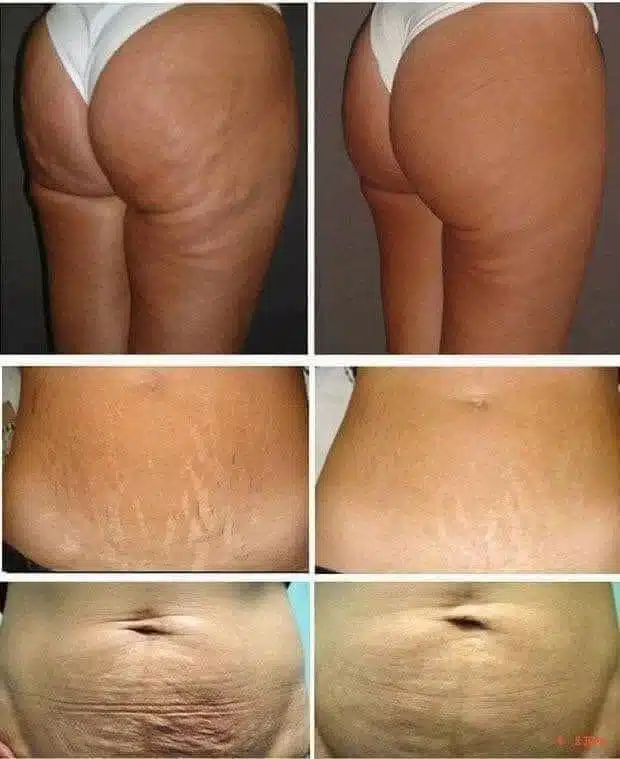
Fat survival is not instantaneous. It follows a predictable timeline:
First 2–4 weeks:
Weeks 4–12:
Months 6–12:
Patients often mistake early swelling or postoperative inflammation for “lost fat,” when in reality, the body is moving toward its stable contour.
BBL outcomes vary because fat grafting interacts differently with each person’s unique anatomy. Three primary body categories shape response:
These individuals typically have:
Results in this group are more sculptural than voluminous, emphasizing waist definition, upper glute lift, and lateral curve transition.
This group represents the ideal balance of:
These patients often achieve the most dramatic yet natural-looking transformations.

While they may have abundant fat, their:
introduce additional variables. Proper preoperative planning and staged contouring can produce excellent results when performed safely.

Hip dips result from bony architecture—specifically the relationship between the pelvis, femoral head, and the lateral gluteal muscle. They are not a sign of fat deficiency or an aesthetic flaw.
Fat grafting improves hip dips by:
However, the degree of correction achievable depends on skeletal shape, not surgical skill alone.
Modern BBL divides the buttocks into zones for tailored enhancement:
This method avoids the “overly round” look that dominated early BBL eras and instead creates shape through anatomical understanding.
Healing varies due to differences in:
This is why modern surgeons focus on predictable harmony rather than guaranteed volume retention.
The next section will outline the full surgical journey—from preoperative evaluation to postoperative recovery—highlighting what patients can realistically expect throughout the BBL process.

A Brazilian Butt Lift is not a single-step enhancement—it is a coordinated sequence of scientific assessment, precise sculpting, and controlled healing. Each phase of the journey contributes to the final shape, and the best outcomes emerge when patients understand how every stage influences projection, curvature, and long‑term harmony. Below is a detailed breakdown of what modern BBL patients can expect at each step.
The consultation is where the foundation for a successful BBL is established. Rather than beginning with a desired size, today’s surgeons evaluate:
These elements determine what is surgically achievable and help set realistic expectations. For example, a patient with narrow pelvic width may achieve beautiful curvature but not extreme width, while a patient with abundant lower‑back fat may benefit from dramatic waist reduction.
Before entering the operating room, surgeons mark the torso and hips to visualize how fat removal and grafting will interact.
Markings typically include:
These markings guide the procedure and ensure the final contour flows naturally when the patient stands, walks, or sits.
Most modern BBL procedures begin with 360° liposuction, removing fat circumferentially around the waist, abdomen, flanks, lower back, and sometimes the arms or thighs. This step is crucial because:
Surgeons may use:
Once harvested, fat undergoes a purification process to remove:
The goal is to isolate clean, viable fat micro‑droplets. Modern systems rely on gravity separation or closed‑circuit filtration rather than aggressive centrifugation to protect cell health.
This is the stage where the modern BBL departs dramatically from older versions. Instead of injecting large volumes into deep compartments, surgeons now:
Fat placement strategy varies by goals:
Projection is created not by a single area of fat but by a coordinated balance of all three gluteal zones.

The recovery period determines how much fat ultimately survives. Because grafted fat is fragile in the early stage, patients must follow strict postoperative guidelines.
Weeks 0–2:
Weeks 2–6:
Months 3–12:
Lifestyle habits strongly influence outcomes: hydration, balanced diet, avoiding excessive cardio early, and maintaining a healthy weight all support fat retention.
A modern BBL is designed for structural elegance, not excessive enlargement. Results depend on:
Surgeons can sculpt the framework, but the body determines how the transferred fat integrates. The most predictable results occur when expectations focus on proportion, curve flow, and silhouette harmony rather than specific measurements.
The next section will explore international patient considerations, cost comparisons between Turkey and other countries, and how NexWell Experts support patients through the entire journey.

The Brazilian Butt Lift has evolved into one of the most sophisticated body‑contouring procedures of the modern era. Once defined by exaggerated silhouettes and inconsistent outcomes, the contemporary BBL of 2025 is grounded in science, proportion analysis, gluteal anatomy, and strict safety protocols. Today, the procedure no longer focuses on dramatic enlargement—it prioritizes body harmony, waist‑to‑hip balance, and long‑term structural aesthetics.
In recent years, this evolution has positioned Turkey at the forefront of global BBL expertise. Surgeons across the country perform thousands of cases annually, refining techniques, advancing ultrasound‑guided safety standards, and shaping outcomes that align with natural anatomical curves rather than artificial volume. For international patients, the modern BBL offers not only visual enhancement but also functional improvements in posture, silhouette flow, and overall body confidence.
The early BBL era emphasized size, often pushing anatomical limits. But as aesthetic understanding matured, a new standard emerged—one built around:
This shift reflects broader beauty trends where symmetry, athletic curvature, and subtle sculpting are preferred over extreme augmentation. Compliance with international safety guidelines has also become a defining feature of modern practice.

At its core, BBL is a biologically dependent procedure. Fat behaves as a living tissue that must:
Surgeons now rely on micro‑droplet techniques, controlled injection layers, and above‑muscle placement to maximize survival and reduce complications. This scientific foundation is what distinguishes the contemporary BBL from outdated, high‑risk methods.
Turkey’s leadership in BBL surgery stems from a combination of:
This ecosystem allows surgeons to deliver results that are both transformative and consistent—something essential in a procedure reliant on precision and anatomical nuance.
A successful BBL blends artistic vision with medical expertise. Surgeons assess body ratios, skeletal width, soft‑tissue elasticity, and donor‑site quality to design curves that complement, rather than overpower, the patient’s natural structure. The goal is not merely enhancement—it is harmonization, where the waist, hips, thighs, and glutes form a cohesive, fluid silhouette.
In the following sections, this guide will examine every dimension of the modern BBL: ideal candidacy, detailed surgical workflow, fat biology, safety innovations, recovery expectations, cost comparisons, and the full NexWell patient pathway from consultation to long‑term outcome.

A Brazilian Butt Lift is a comprehensive fat-transfer procedure designed to enhance the shape, balance, and overall harmony of the lower body. Unlike implant-based augmentation, the BBL uses the patient’s own living fat cells to sculpt the buttocks and surrounding silhouette. This makes the procedure uniquely adaptable—able to correct hip dips, lift the upper pole, smooth lateral transitions, and refine waist contours without introducing foreign materials.
Modern BBL is no longer defined by excessive volume. Instead, it is an advanced form of body contouring, where liposuction and fat grafting work together to create proportionate, fluid curves. The focus is not simply making the buttocks larger—but reshaping the entire waist–hip–glute complex into a cohesive aesthetic.
Implants add volume in a fixed, non-biological way. Fat transfer, however:
This approach makes BBL a preferred option for patients seeking natural results that still provide noticeable enhancement.

A successful BBL relies on the synergy of three surgical steps:
Fat removal is not just a preparatory step—it is central to the final shape. By sculpting the abdomen, flanks, lower back, and sometimes thighs, surgeons create an hourglass foundation that enhances gluteal projection even before fat grafting begins.
The harvested fat undergoes careful separation to ensure the highest survival rate. Modern purification systems minimize trauma to fat cells by avoiding overly aggressive centrifugation.

Fat is injected in micro-droplets across superficial layers above the gluteal muscle. This ensures:
Ultrasound guidance, now considered the global gold standard, allows surgeons to confirm real-time cannula position—a key factor in modern BBL safety.
While the term “BBL” focuses on gluteal augmentation, what patients truly seek is total body harmonization. The success of the procedure comes from its dual-action design:
This duality explains why BBLs often create a dramatically improved silhouette even when only modest fat volumes are added.
Patients increasingly prefer fat transfer because it offers:
For individuals seeking elegance rather than exaggeration, BBL is uniquely suited to achieving balanced aesthetic results.

BBL expectations have shifted significantly. Today’s most requested outcomes include:
This reflects a modern definition of beauty—one based on proportion, symmetry, and anatomical logic. The following section will expand on the criteria that determine ideal candidacy for a Brazilian Butt Lift and how individual anatomy shapes attainable results.

Not everyone seeking a fuller, more sculpted silhouette will achieve the same results from a Brazilian Butt Lift. Modern BBL candidacy is rooted in anatomical assessment, tissue quality, metabolic behavior, and realistic aesthetic expectations. A successful outcome depends on aligning the patient’s natural structure with what is surgically achievable using fat transfer. Below are the essential criteria that surgeons evaluate today.
While traditional guides focus only on BMI and available fat, the contemporary approach evaluates a broader set of factors:
These elements together determine the potential for a smooth, proportional, long-lasting result.
One of the most overlooked truths in BBL surgery is that not all bodies respond equally to fat transfer. The following profiles help explain expected outcomes:
These individuals typically:
Goals often focus on:
Skinny BBL is more about shape refinement than volume growth.

Patients in this category generally:
Moderate BMI candidates often experience the most transformative results because the fat transfer can be paired with significant 360° contouring.
While these patients have abundant fat, candidacy depends on multiple safety considerations:
High-BMI patients may require staged procedures or preoperative weight optimization to maximize result quality and safety.

Hip dips are not simply a lack of fat—they result from pelvic bone shape, the position of the femoral head, and gluteal muscle anatomy. Fat grafting can:
However, complete elimination may not be anatomically possible for everyone. This honesty is essential for proper expectation management.
Even when fat grafting is optimal, poor skin elasticity can:
For this reason, surgeons evaluate:
Candidacy is not purely anatomical. Patients should also:
A BBL is a partnership between the surgeon’s technique and the patient’s postoperative commitment.
A beautifully performed BBL can appear disappointing when expectations exceed anatomical capability. Honest evaluation is crucial:
The best candidates are those who value harmony, proportionality, and anatomical realism over extreme volume.
The next section will explore the full procedural workflow—from consultation to fat grafting techniques—giving patients a clear understanding of what truly happens during a modern BBL.

A modern Brazilian Butt Lift is a multi‑phase surgical process that blends precision engineering with artistic contouring. Every step—from evaluation to postoperative shaping—influences the final result. Below is a detailed, clinically accurate look at how today’s most advanced BBL procedures are performed.
The consultation phase establishes the surgical roadmap. Rather than approaching the body as isolated areas, surgeons analyze the entire torso–hip–glute complex to understand how fat removal and fat grafting will interact.
A complete consultation includes:
This stage determines not only the surgical plan but also how believable, natural, and long‑lasting the results will look.
On surgery day, surgeons mark the body while the patient stands, allowing gravity to reveal natural folds, asymmetries, and structural lines. Proper marking is critical for ensuring that the final silhouette remains harmonious in all positions—standing, walking, or reclining.
Markings typically outline:
Markings serve as both a visual blueprint and a safety guide during injection.

True transformation begins with strategic fat removal. In modern BBLs, surgeons typically use Lipo 360°, addressing the torso circumferentially:
Techniques used include:
A narrow waist dramatically increases gluteal projection—even before fat transfer occurs—and creates a clean backbone for hip and buttock shaping.
Once removed, fat must be purified before reinjection. Purification eliminates:
Modern methods prioritize low‑trauma handling. Gravity separation, closed‑circuit filtration, or gentle decanting systems are preferred over aggressive centrifugation, which can damage fragile adipocytes.
The goal is clean, structurally intact micro‑fat—the key ingredient of a safe, durable BBL.

The injection phase is where the surgeon transforms anatomical understanding into aesthetic design. Today’s safest and most effective BBLs rely on:
Fat is injected strategically into:
This anatomical mapping produces shapes that are natural, balanced, and consistent with 2025 aesthetic preferences.
Nearly all patients have natural asymmetries between the right and left hip or gluteal pole. Using fat grafting, surgeons can:
Asymmetry correction requires a detailed understanding of muscle position, skeletal width, and preexisting fat compartments.

Modern BBLs follow stringent safety protocols, including:
These measures have dramatically reduced complication rates and have made Turkey a recognized leader in safe BBL practices.
Once grafting is complete, surgeons assess symmetry, contour flow, and projection from all angles. Compression garments are applied to donor areas—but never directly over grafted fat—to support healing without compromising graft survival.
The next section will detail the postoperative timeline, healing trajectory, sitting restrictions, compression protocols, and lifestyle factors that influence final results.
The recovery period is one of the most influential phases of a Brazilian Butt Lift. While the surgical technique defines the structure, the healing process determines the long-term success of fat survival and final contour. Understanding the timeline—and the biology behind each stage—helps patients protect their investment and maintain realistic expectations.
In the immediate postoperative period, the body initiates a controlled inflammatory response. This is a natural part of tissue repair and fat integration.
Patients can expect:
Hydration and mobility (light walking) help reduce clot risk and support circulation.
During the first two weeks, the transferred fat is at its most vulnerable. Each grafted fat cell must develop a new blood supply (angiogenesis) to survive.
Patients must avoid:
Sleep on the stomach or sides, use a BBL pillow when necessary, and follow mobility guidelines closely. Compression garments should never compress the grafted fat—only the donor sites.
By the second week, swelling begins to decrease, and the silhouette becomes more defined. Fat grafts that have successfully developed blood supply start integrating with surrounding tissues.
During this stage, patients should:
Visible asymmetry or uneven swelling is normal—each side heals independently.
The majority of grafted fat that is going to survive will have fully integrated by month three. This is when patients begin seeing the true shape of their BBL.
Changes during this period include:
By month six, the silhouette is usually stable, though subtle refinements may continue.

The final stage involves long-term tissue remodeling. Scar tissue softens, fat cells settle into natural compartments, and the overall shape matures.
By month twelve:
This is the stage when results look the most harmonious and feel fully integrated.
Not all transferred fat survives—and this is expected. In modern BBL techniques, 50–70% fat retention is typical depending on:
Important truths:
Direct pressure restricts blood flow to newly transferred fat. This is why:
Following these rules dramatically improves fat survival.
Patients should avoid:
After the healing phase:
While serious complications are rare with modern techniques, patients should monitor for:
Prompt communication with the surgical team ensures safe recovery.
The next section will cover international patient logistics, cost comparisons across countries, and why Turkey has become a global hub for modern BBL surgery.

A Brazilian Butt Lift performed abroad requires more than surgical skill—it requires coordinated logistics, dependable infrastructure, and a medical ecosystem designed for international patients. Turkey has become the world’s most trusted destination for modern BBL surgery, not simply because of affordability, but because of its unique combination of expertise, technology, patient safety, and seamless medical tourism support. This section outlines the full patient experience and provides a realistic cost comparison to help patients make informed decisions.
NexWell’s coordination model ensures that patients, regardless of where they are traveling from, experience clarity, comfort, and safety throughout every stage of their surgical journey.
The process begins online, where patients share photographs, medical history, lifestyle details, and aesthetic goals. Surgeons evaluate:
This stage ensures that expectations align with achievable outcomes before the patient travels.
Upon landing, patients are greeted by private transfer services arranged by NexWell. They are taken to their hotel before attending an in-person preoperative consultation that includes:
This in-person step builds patient confidence by clarifying all details before surgery.

On the day of surgery, the patient is admitted to a modern, accredited hospital where:
Most patients remain overnight under medical supervision for safety and comfort.
Once discharged, patients follow structured postoperative care:
NexWell coordinators provide continuous guidance, check-in messages, and in-person follow-up visits when required.

Patients remain connected to their surgical team through remote check-ins. Photos are reviewed at milestones such as:
This ensures that fat survival, symmetry, and contour maturation progress as expected.
BBL pricing differs globally due to surgeon experience, hospital systems, anesthesia standards, and inclusion of liposuction zones. Turkey’s advantage lies in offering full-service packages rather than charging separately for each surgical component.
| Country | Average Cost | Includes | Key Notes |
|---|---|---|---|
| Turkey | €3,000–€5,000 | Lipo 360°, fat grafting, anesthesia, hospital stay, medications, private transfers | High surgical volume and advanced contouring technologies |
| USA | $12,000–$20,000 | Surgeon fee; limited lipo zones | High overhead and variable adherence to ultrasound safety protocols |
| UK | £8,000–£13,000 | Basic fat transfer, selective liposuction | Conservative shaping philosophies |
| Germany | €8,000–€12,000 | Standard liposuction + grafting | High regulatory costs and limited body contouring flexibility |
| Canada | $10,000–$16,000 | Surgeon + anesthesia | Lower BBL case volume compared to Turkey |
The difference reflects not just price—but value. Turkey offers advanced methods, high-volume expertise, and full travel support at a cost far below Western markets.
Turkey is now recognized globally for its leadership in safe, modern fat-transfer techniques. This reputation rests on several key pillars.
Turkish surgeons perform significantly more BBL surgeries annually compared to many Western counterparts. High volume strengthens:
Experience directly correlates with refined outcomes.
Ultrasound guidance is now the international gold standard for BBL safety. Turkey has rapidly adopted this practice, ensuring:
Turkey’s private healthcare system offers:
This level of infrastructure is a major draw for international patients.
Turkey excels in:
This seamless experience is a central reason why patients travel confidently for surgery.
BBL trends have shifted from exaggerated results to subtle, anatomical enhancement. Turkish surgeons specialize in:
Their approach aligns with global 2025 beauty standards.
NexWell collaborates exclusively with clinics that follow strict safety protocols, evidence-based shaping techniques, and ethical surgical planning. The focus is always on patient well-being, long-term stability, and natural aesthetic outcomes.
Our belief is simple: a BBL should elevate a patient’s confidence while respecting their anatomy and prioritizing their safety.
Written by NexWell Experts
