Endocrinology and Hormonal Disorders in Turkey:

Restoring Balance to Your Life

endocrinology

Endocrinology and Hormonal Disorders in Turkey


Foundations, First Signals, and Thyroid Reality


Hormonal problems rarely announce themselves clearly. In real clinical practice, they tend to surface slowly and unevenly. A patient may notice persistent fatigue that does not resolve with rest, weight changes that seem disconnected from diet, disrupted sleep, mood fluctuations, or laboratory results that sit just close enough to “normal” to delay clear answers.

By the time endocrinology enters the conversation, there is usually a mixture of concern and uncertainty. Many patients have already consulted other specialists. Some have tried initial treatments that helped partially, or not at all. Others were told that their results were not serious enough to explain how they feel.

This page is written for that stage. Not to oversimplify a complex field, and not to overwhelm with academic language, but to explain how endocrine care in Turkey actually works, how clinicians interpret patterns rather than isolated numbers, and how treatment decisions are made in real clinical settings.


What Endocrinology Really Covers


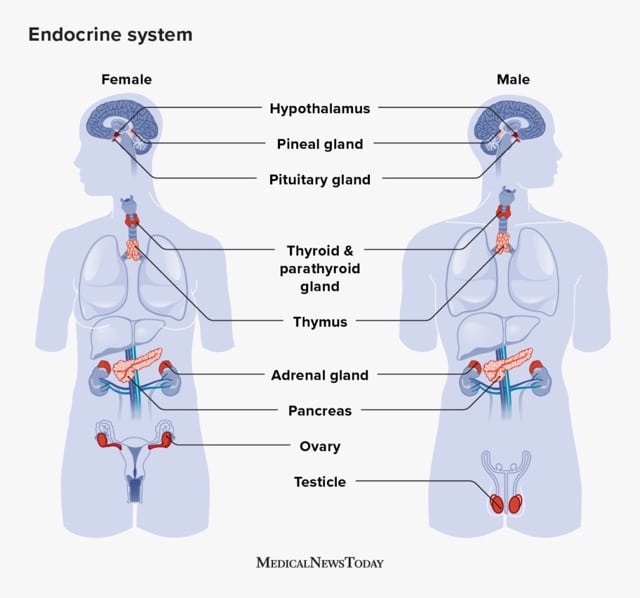
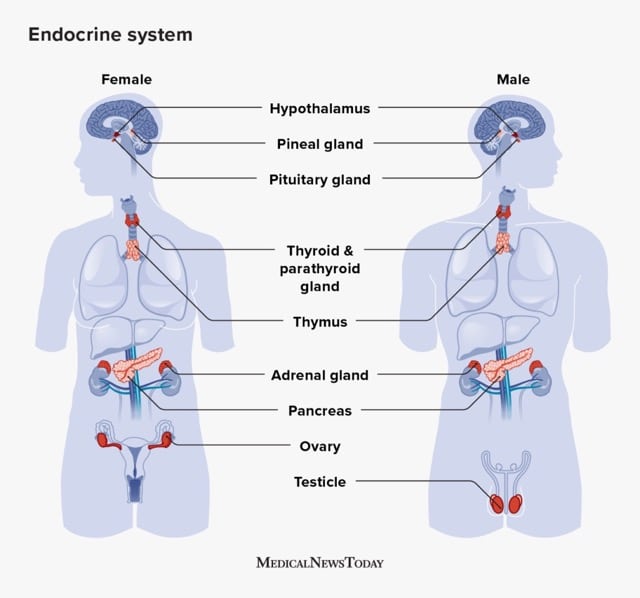
Endocrinology focuses on the body’s hormone-producing systems and the way they regulate metabolism, growth, reproduction, energy balance, stress response, and long‑term cellular function. These systems do not operate independently. A disruption in one pathway often triggers compensation elsewhere.

This interconnected structure explains why endocrine disorders are frequently misunderstood in early stages. Patients often expect a single hormone to be “out of balance.” Clinically, endocrinologists are more concerned with interaction, feedback loops, and gradual dysregulation.

Common areas evaluated during endocrine assessment include:


  • Thyroid and parathyroid function

  • Adrenal and pituitary regulation

  • Insulin resistance and diabetes-related pathways

  • Reproductive hormones

  • Bone metabolism and calcium balance


What matters clinically is not only whether a value is outside the reference range, but why it appears that way, whether it is stable or changing, and whether it aligns with symptoms, imaging findings, and medical history.


Thyroid Disorders: More Than TSH Numbers


Thyroid conditions are among the most common reasons patients seek endocrine evaluation. Hypothyroidism, hyperthyroidism, autoimmune thyroiditis, and thyroid nodules are frequently diagnosed, yet they rarely present in identical ways.

One of the most persistent misconceptions is the idea that a single blood test defines thyroid health. In practice, thyroid assessment often requires trend analysis over time, antibody evaluation, ultrasound findings, and careful correlation with patient‑reported symptoms.

It is not unusual for symptoms to appear before laboratory values clearly fall outside reference ranges. Fatigue, cold intolerance, palpitations, anxiety, hair thinning, or unexplained weight changes may exist months before numbers appear definitively abnormal.

At this stage, patients often expect rapid medication adjustments. In some cases, that approach is appropriate. In many others, endocrinologists proceed more cautiously. Overcorrection can introduce new symptoms, sometimes more disruptive than the original imbalance.

The clinical goal is not to normalize a number in isolation, but to restore functional balance while minimizing unnecessary intervention.


How Thyroid Decisions Are Actually Made


In real endocrine practice, treatment decisions are rarely binary. A mildly elevated TSH does not always justify immediate lifelong medication, just as a “normal” value does not automatically rule out dysfunction.

Factors commonly considered together include symptom burden, antibody presence, imaging findings, age, cardiovascular risk, and whether changes are progressive. This layered decision-making process often surprises patients, but it reflects the slow‑adapting nature of endocrine systems.

This principle — adjustment over assumption — appears repeatedly across endocrine care.


Diabetes, Metabolic Disorders, and Insulin Resistance

Endocrinology has changed significantly over the last two decades, particularly in how diabetes and metabolic disorders are understood and managed. What was once treated primarily as a problem of elevated blood sugar is now recognized as a broader failure of metabolic regulation involving insulin signaling, adipose tissue behavior, inflammation, liver metabolism, hormonal feedback loops, and long‑term vascular risk.

Many patients arrive with a diagnosis already assigned — Type 2 diabetes, prediabetes, insulin resistance, or metabolic syndrome — yet feel that the explanation they received does not fully match their lived experience. This mismatch is common. Numbers may meet diagnostic thresholds, but the underlying mechanisms are often insufficiently explored.

In endocrine practice, the goal is not simply to label a condition, but to understand why metabolic control is deteriorating and how it is likely to evolve if left unaddressed.


How Metabolic Dysfunction Develops Over Time

Metabolic disorders rarely appear suddenly. In most cases, they develop gradually over years through a combination of genetic predisposition, hormonal shifts, lifestyle constraints, sleep disruption, chronic stress, and inflammatory signaling.

Insulin resistance often precedes abnormal glucose levels by a long margin. During this phase, pancreatic insulin output increases in an attempt to maintain normal blood sugar. Glucose values may remain acceptable, while underlying metabolic strain continues to build.

Patients at this stage frequently report symptoms that feel vague or disconnected: persistent fatigue, post‑meal drowsiness, increasing abdominal fat, difficulty losing weight despite dietary effort, or fluctuating energy levels. These signs are often dismissed or attributed solely to lifestyle.

Endocrine evaluation aims to identify whether metabolic adaptation is still compensating — or whether regulatory systems are beginning to fail.


Clinical Evaluation: What Is Actually Assessed

In Turkey, endocrine assessment of diabetes and metabolic disorders typically extends beyond routine fasting glucose measurements. Clinicians focus on understanding dynamic metabolic behavior rather than isolated values.

Common components of evaluation include:

  • HbA1c trends assessed longitudinally rather than as single data points

  • Fasting and post‑prandial insulin levels to evaluate insulin sensitivity

  • C‑peptide measurements to assess endogenous insulin production

  • Lipid profiles and inflammatory markers associated with cardiometabolic risk

  • Liver enzymes and imaging indicators of fatty liver disease

  • Blood pressure patterns and vascular risk factors

These parameters are interpreted together. Two patients with identical HbA1c values may have entirely different metabolic profiles, prognoses, and treatment priorities.


Insulin Resistance as a Systemic Condition

Insulin resistance is not limited to glucose handling. It affects lipid metabolism, vascular function, hormonal balance, and inflammatory pathways. Over time, it can influence reproductive hormones, adrenal signaling, and thyroid hormone conversion at the tissue level.

This systemic nature explains why patients with metabolic dysfunction may experience symptoms that seem unrelated to blood sugar — including hormonal irregularities, fatigue, mood changes, or sleep disruption.

Addressing insulin resistance therefore requires a broader strategy than glucose lowering alone.


Treatment Strategy: Individualization Over Algorithms

One of the consistent differences patients notice in endocrine care in Turkey is the absence of rigid, step‑based treatment algorithms. Medication selection, dosing, and timing are tailored to the individual rather than applied sequentially by protocol.

Lifestyle modification remains foundational, but it is approached realistically. Endocrinologists assess what changes are feasible, how hormonal regulation interacts with sleep and stress, and where medical therapy provides meaningful support rather than symbolic intervention.

Progress is often gradual. Early improvements may feel subtle, but stability over time is prioritized over rapid numerical shifts.


Prediabetes: An Opportunity, Not a Waiting Period

Prediabetes is not viewed as a passive observation phase. Clinically, it represents a window during which metabolic trajectory can still be altered.

Endocrine management at this stage focuses on identifying drivers of insulin resistance, correcting modifiable factors, and preventing progression toward irreversible metabolic damage.

For many patients, this stage brings clarity after years of symptoms that were previously unexplained or minimized.


Reproductive Hormones, PCOS, and Androgen Imbalances

Hormonal disorders affecting reproductive health are often among the most complex and emotionally sensitive conditions managed in endocrinology. Patients rarely arrive with a single, isolated concern. Instead, they present with overlapping symptoms that evolve over time and are frequently addressed piecemeal before a coherent hormonal picture is formed.

Irregular menstrual cycles, fertility challenges, unexplained weight changes, acne, hair thinning or excess hair growth, libido changes, and mood instability are commonly reported. Many patients have already consulted gynecologists, urologists, or fertility specialists before endocrine evaluation is considered.

The role of endocrinology at this stage is not to replace these specialties, but to clarify the hormonal environment in which these symptoms are developing.


Understanding Reproductive Hormone Regulation

Reproductive hormones operate within tightly regulated feedback systems involving the hypothalamus, pituitary gland, ovaries or testes, adrenal glands, thyroid function, and metabolic status. Disruption at any point in this network can alter downstream signaling.

For this reason, isolated hormone measurements often provide limited insight. Timing, cyclical variation, and interaction with metabolic and stress-related hormones must be considered together.

Endocrine evaluation therefore focuses on patterns rather than single values, especially when symptoms fluctuate or progress gradually.


Polycystic Ovary Syndrome (PCOS): A Metabolic-Endocrine Interface

PCOS is one of the most common endocrine disorders affecting women of reproductive age, yet it remains widely misunderstood. While often discussed in reproductive terms, PCOS is fundamentally a metabolic–endocrine condition with long-term implications beyond fertility.

Insulin resistance plays a central role in many cases, influencing androgen production, ovulatory function, and weight regulation. However, PCOS does not present uniformly. Some patients have clear metabolic features, while others exhibit primarily hormonal or inflammatory patterns.

Endocrine assessment aims to identify the dominant drivers in each case. This distinction is critical, as treatment strategies differ significantly depending on whether metabolic dysfunction, androgen excess, or regulatory signaling is primary.


Androgen Imbalances and Testosterone Deficiency

Androgen disorders affect both women and men, though they often present differently. In women, androgen excess may manifest as acne, hirsutism, scalp hair thinning, or menstrual irregularity. In men, testosterone deficiency may present with reduced energy, decreased muscle mass, libido changes, mood alterations, or impaired metabolic health.

Testosterone levels alone do not define androgen status. Binding proteins, tissue sensitivity, metabolic context, and symptom correlation are all relevant. Endocrinologists therefore avoid interpreting androgen levels without broader clinical context.

In many cases, symptoms attributed to age or stress reflect underlying endocrine shifts that can be clarified through careful evaluation.


Fertility Concerns and Hormonal Context

Fertility-related issues often bring patients to endocrine care indirectly. Hormonal irregularities may not prevent conception outright but can reduce predictability and resilience of reproductive function.

Endocrine assessment focuses on identifying modifiable factors rather than assigning fixed limitations. This may involve addressing metabolic health, correcting thyroid dysfunction, or stabilizing hormonal feedback loops before proceeding with fertility-specific interventions.

This stepwise approach often improves outcomes while reducing unnecessary escalation.


Treatment Philosophy in Reproductive Endocrinology

Treatment strategies emphasize balance rather than suppression. Hormonal systems adapt gradually, and abrupt interventions may disrupt compensatory mechanisms.

Medication, lifestyle modification, and monitoring are combined selectively. Follow-up and reassessment are integral components of care, not optional additions.

Patients frequently report improved clarity and stability once hormonal patterns are understood, even before definitive treatment outcomes are achieved.


Adrenal and Pituitary Disorders, Care Pathways, and Long-Term Follow-Up

Disorders involving the adrenal glands and pituitary system represent a smaller proportion of endocrine cases, yet they demand the highest level of diagnostic precision. These systems act as central regulators, coordinating stress response, growth, metabolism, and hormonal signaling across the body.

Symptoms associated with adrenal or pituitary dysfunction are often non-specific. Fatigue, blood pressure variability, unexplained weight changes, electrolyte disturbances, altered stress tolerance, or changes in mood and cognition may develop gradually and fluctuate over time. Because of this, early signals are frequently misattributed to lifestyle or psychological factors.

Endocrine evaluation aims to determine whether these symptoms reflect adaptive stress responses or underlying regulatory failure.


Adrenal Disorders: Stress Physiology Versus Pathology

The adrenal glands play a central role in stress regulation through cortisol, aldosterone, and catecholamine production. Disruption of these pathways can produce symptoms that mimic chronic stress, burnout, or anxiety disorders.

Conditions such as adrenal insufficiency, hypercortisolism, or aldosterone imbalance are not diagnosed through single measurements. Circadian rhythm, stimulation or suppression testing, and clinical correlation are essential to avoid false conclusions.

Endocrinologists therefore proceed cautiously. Premature diagnosis or inappropriate supplementation can destabilize regulatory systems and obscure the true clinical picture.


Pituitary Disorders: Central Regulation Requires Context

The pituitary gland functions as the primary coordinator of endocrine signaling. Even minor disruptions can influence multiple downstream systems, including thyroid, adrenal, reproductive, and growth hormone pathways.

Pituitary disorders often require repeated laboratory assessment and targeted imaging. Hormone secretion patterns, rather than absolute values, guide interpretation. Small structural findings must be evaluated carefully to distinguish incidental findings from clinically relevant pathology.

This measured approach reduces unnecessary intervention while preserving diagnostic accuracy.


Diagnostic Strategy: Precision Over Speed

One of the defining characteristics of endocrine care in Turkey is the emphasis on structured, staged evaluation. Rather than pursuing exhaustive testing immediately, clinicians prioritize tests that meaningfully inform decision-making.

Diagnostic strategies are adjusted as results emerge. This stepwise process may feel slower to patients accustomed to rapid conclusions, but it minimizes misdiagnosis and overtreatment.


Care Pathways for International Patients

Endocrinology services in Turkey are typically delivered within large, multidisciplinary hospital systems. This allows close coordination between endocrinologists, radiologists, nuclear medicine physicians, surgeons, dietitians, and internal medicine specialists when needed.

For international patients, care pathways are organized transparently:

  1. Review of prior medical records and laboratory data

  2. Targeted diagnostic testing

  3. Specialist consultation and interpretation

  4. Individualized treatment planning

  5. Structured follow-up strategy

Not every step occurs during a single visit. Timing is guided by clinical priorities rather than logistical pressure.


Long-Term Management and Follow-Up

Endocrine conditions often require ongoing monitoring rather than finite treatment. Hormonal systems adapt slowly, and response to intervention must be evaluated over time.

Follow-up planning is therefore an integral part of care. Treatment adjustments are based on symptom evolution, laboratory trends, and patient response rather than rigid timelines.

This longitudinal approach supports stability and reduces the likelihood of unnecessary escalation.


Who Is Best Suited for Endocrine Care in Turkey

Patients who tend to benefit most from endocrine evaluation and treatment in Turkey include those who:

  • Experience persistent or unexplained hormonal symptoms

  • Require multidisciplinary assessment

  • Prefer structured evaluation over rapid conclusions

  • Seek clarity after inconclusive prior consultations

Endocrinology is rarely about immediate answers. It is about understanding patterns, context, and long-term balance.

Contact us today for a free consultation!

Take control of your hormonal health with NexWell’s advanced endocrinology treatments in Turkey.