On-Site Treatment and Recovery for International Patients: What to Expect?
- TEMOS-accredited clinics
- JCI-accredited hospitals
- Board-certified surgeons and a licensed clinical team
- 3,000+ international patients treated
Arrival, In-Person Evaluation, and the Start of Treatment Arrival Marks a Shift in the Treatment Journey For international patients, arrival is more than a change of location. Until this point, the treatment process has been informational and preparatory. Once on site, it becomes clinical and experiential.

Quick answer
Arrival, In-Person Evaluation, and the Start of Treatment Arrival Marks a Shift in the Treatment Journey For international patients, arrival is more than a change of location. Until this point, the treatment process has been informational and preparatory. Once on site, it becomes clinical and experiential.
Overview
Arrival, In-Person Evaluation, and the Start of Treatment
Arrival Marks a Shift in the Treatment Journey
For international patients, arrival is more than a change of location.
Until this point, the treatment process has been informational and preparatory. Once on site, it becomes clinical and experiential .
This transition can feel reassuring or overwhelming, depending on how well earlier steps were managed.
Patients who arrive with clear expectations tend to experience smoother treatment phases. Those who arrive with unresolved questions often feel uncertainty early on.
What International Patients Should Expect on the First Day?
The first day rarely involves immediate treatment.
Instead, it focuses on:
- Confirming prior assessments
- Completing in-person evaluations
- Reviewing medical history in detail
- Establishing direct communication with the clinical team
This step ensures that treatment decisions are based on current, real-world findings , not assumptions.
Why In-Person Evaluation Is Still Essential?
Remote evaluation provides direction, but it cannot replace physical assessment.
In-person evaluation allows clinicians to:
- Perform physical examinations
- Review updated diagnostics
- Observe patient responses
- Confirm or adjust initial assumptions
This stage protects patient safety and treatment quality.
Adjustments at This Stage Are Normal
Patients sometimes worry when plans change after arrival.
However, adjustments often reflect:
- New clinical insights
- Updated diagnostic results
- Patient-specific responses
Rather than signaling a problem, adjustments usually demonstrate professional responsibility.
How Treatment Decisions Are Finalized?
Final treatment decisions are typically made after :
- In-person evaluation
- Discussion of findings
- Clarification of risks and expectations
Patients should feel informed, not rushed.
Clear explanation at this stage supports informed consent and confidence.
Communication Sets the Tone for the Entire On-Site Phase
Open communication early on helps patients:
- Understand what will happen next
- Know who to contact
- Feel comfortable asking questions
When communication is clear, patients focus on recovery rather than uncertainty.
The Start of Treatment
Once evaluations are complete and plans are confirmed, treatment can begin.
Patients should expect:
- Explanation before procedures
- Time for questions
- Clear guidance on what to expect afterward
Even during treatment, communication remains essential.
Emotional Adjustment During the On-Site Phase
Being away from home while undergoing medical care can be emotionally demanding.
Recognizing this helps:
- Normalize emotional responses
- Encourage patients to seek support
- Reduce stress-related complications
Emotional well-being supports physical recovery.
How This Phase Connects to the Larger Process?
The on-site phase sits at the center of the
International Patient Treatment Process .
Its success depends on:
- Preparation
- Communication
- Coordination
This is where planning becomes reality.
Communication During Active Treatment
Once treatment begins, communication becomes even more important.
International patients should expect:
- Clear explanations before each step
- Updates if timelines or methods change
- Honest discussion of what is normal during recovery
When patients understand why something is happening, anxiety decreases and cooperation improves.
Why Treatment Plans May Change On Site?
Even with careful preparation, on-site findings may differ from expectations.
Changes can occur due to:
- Updated diagnostic results
- Individual healing capacity
- Safety considerations
These changes are not signs of error.
They reflect real-time medical decision-making .
Patients should be informed whenever adjustments are made and understand how those changes affect recovery.
The Role of Observation and Monitoring
After treatment, observation is a critical phase.
This may involve:
- Monitoring vital signs
- Assessing pain or discomfort
- Evaluating early healing responses
Observation allows clinicians to detect issues early and respond appropriately.
Skipping or rushing this phase increases risk.
Understanding the Recovery Phase
Recovery does not begin after leaving the clinic.
It begins immediately after treatment.
During this phase, patients may experience:
- Fatigue
- Temporary discomfort
- Limited mobility
These responses are often expected and are addressed through guidance, rest, and follow-up assessments.
Why Rest Is a Medical Requirement?
Many international patients feel pressure to remain active or productive.
However, rest is not optional.
It is part of treatment.
Adequate rest supports:
- Healing
- Immune response
- Pain management
Ignoring recovery recommendations may delay healing or increase complications.
Emotional and Psychological Aspects of Recovery
Recovery is not only physical.
Patients may feel:
- Relief
- Anxiety
- Impatience
- Vulnerability
Acknowledging these emotions helps normalize the experience and reduces unnecessary stress.
Support systems and clear communication play an important role here.
How Coordination Supports Recovery?
During recovery, coordination helps:
- Clarify daily expectations
- Adjust schedules if needed
- Ensure continuity between care steps
When recovery is supported structurally, patients feel safer and more confident.
Preparing for Transition to the Next Phase
As recovery stabilizes, attention turns to:
- Readiness for return travel
- Post-treatment instructions
- Follow-up planning
This transition should be gradual and informed, not rushed.
Looking Ahead :
- How readiness to travel is assessed
- What patients should understand before leaving
- How on-site care transitions into long-term follow-up
Assessing Readiness Before Departure
Before patients leave the treatment location, readiness is assessed carefully.
This assessment may consider:
- Healing progress
- Stability of vital signs
- Ability to tolerate travel
- Understanding of post-treatment care
Readiness is a medical decision, not a scheduling preference.
Why Clear Instructions Matter Before Leaving?
Patients should leave with:
- Written guidance on aftercare
- Clear activity limitations
- Awareness of warning signs
- Contact pathways for questions
These instructions protect patients once they are no longer physically present.
Transitioning From On-Site Care to Follow-Up
Leaving the clinic does not mean care ends.
The on-site phase transitions into:
- Remote follow-up
- Progress monitoring
- Continued guidance
This continuity reassures patients and supports long-term outcomes.
When Patients Should Seek Help After Leaving?
Patients should be encouraged to seek support if:
- Symptoms worsen unexpectedly
- Recovery does not progress as explained
- New concerns arise
Clear guidance empowers patients to act early rather than wait.
The Importance of Continuity Across Borders
Continuity bridges the gap between:
- On-site treatment
- Life back home
Without it, patients may feel disconnected or uncertain.
With it, patients feel supported even from a distance.
How This Page Fits Into the Overall Patient Journey?
The on-site treatment and recovery phase represents the core clinical experience within the
International Patient Treatment Process .
Its effectiveness depends on:
- Preparation
- Communication
- Coordination
- Respect for recovery
This page exists to clarify that experience.
Successful on-site treatment is not defined by speed or intensity.
It is defined by:
- Safety
- Clarity
- Respect for recovery
- Smooth transition into follow-up care
For international patients , understanding this phase reduces fear and builds confidence.
NexWell coordinates your entire medical trip — treatment planning, hospital booking, travel, transfers and aftercare. Consultation, personalised quote within 24 hours.
Recovery Accommodation: What to Look for in Your Istanbul Stay
Recovery accommodation after medical procedures is not the same as standard tourist accommodation. Key requirements change based on procedure: post-surgical patients need ground-floor or elevator access, a walk-in shower rather than a bath, a fridge for medication storage, proximity to the clinic for wound checks and drain monitoring, and quiet surroundings for uninterrupted rest.
NexWell selects partner hotels within 5–10 minutes of clinic facilities for exactly these reasons. Some patients — particularly those recovering from bariatric surgery, major orthopaedic procedures or extensive cosmetic surgery — may opt for a dedicated medical recovery home staffed by nurses, where dressing changes and vital sign monitoring are available on-site.
NexWell offers recovery home placement as an upgrade for procedures requiring supervised recuperation beyond the hospital discharge date.
Wound Care and Medication Management in Your Hotel Room
Hospital discharge in Turkey often happens 24–48 hours after major procedures — earlier than Western equivalents. This is safe but requires structured self-care in accommodation.
Your clinic team provides a written wound care protocol in English, including dressing change instructions with exact materials needed, drain output recording sheets where applicable, medications with dosage schedules and specific alarm criteria that should trigger you to return to the clinic.
NexWell case managers conduct a daily check-in during the first 5 days post-discharge to verify compliance and escalate any concerning signs to your clinical team. Never rely on informal online forums for wound management decisions — follow only your surgeon's written protocol.
Language Support and Communication During In-Country Recovery
Language barriers during recovery are a genuine patient safety concern. Leading Istanbul clinics employ dedicated international patient coordinators who speak English and are reachable by phone and during clinic hours. For after-hours emergencies, NexWell provides an escalation number with direct access to a duty nurse. All medications dispensed include English-language labels as standard at accredited facilities.
When local pharmacy purchases are needed, NexWell coordinators send a photo of the exact product name in Turkish to show the pharmacist, eliminating confusion. Before returning home, confirm you have the emergency contact number, the duty surgeon's name for the weekend period and written criteria for any complications to monitor during the flight.
Returning Home After Treatment in Turkey: Final Pre-Departure Checklist
Before your departure from Istanbul, confirm the following with your medical team: a fit-to-fly clearance letter signed by your surgeon stating the date of procedure and confirming air travel safety, a complete list of current medications in English with generic names, a compression stocking prescription for the flight if your procedure carries DVT risk, wound status documentation confirming no active infection signs, and your surgeon's contact for the 48 hours post-flight when patients commonly notice increased swelling or discomfort.
If you are travelling with surgical drains still in place, arrange a drain removal appointment at a clinic near your home address in advance. NexWell assists with home-country referrals for post-operative follow-up when needed.
Recovery compliance is one of the most important determinants of long-term outcome. Whether surgical or non-surgical, your on-site period is the window in which the trajectory of your healing is set. NexWell coordinators remain available throughout your Istanbul stay — not just for scheduling, but as a genuine point of contact if you have a concern at any hour.
Come prepared, communicate openly with your clinical team, and protect your recovery days as the investment they are.
No obligation
Get your treatment plan
Send your case and a coordinator returns a written plan and an indicative quote — usually within a day.
Related reading

patient-journey
Post-Treatment Follow-Up and Aftercare for International Patients Explained
How post-treatment follow-up and aftercare work for international patients after returning home: monitoring protocols, communication, wound care, and when to seek immediate attention.

International Patient Guide
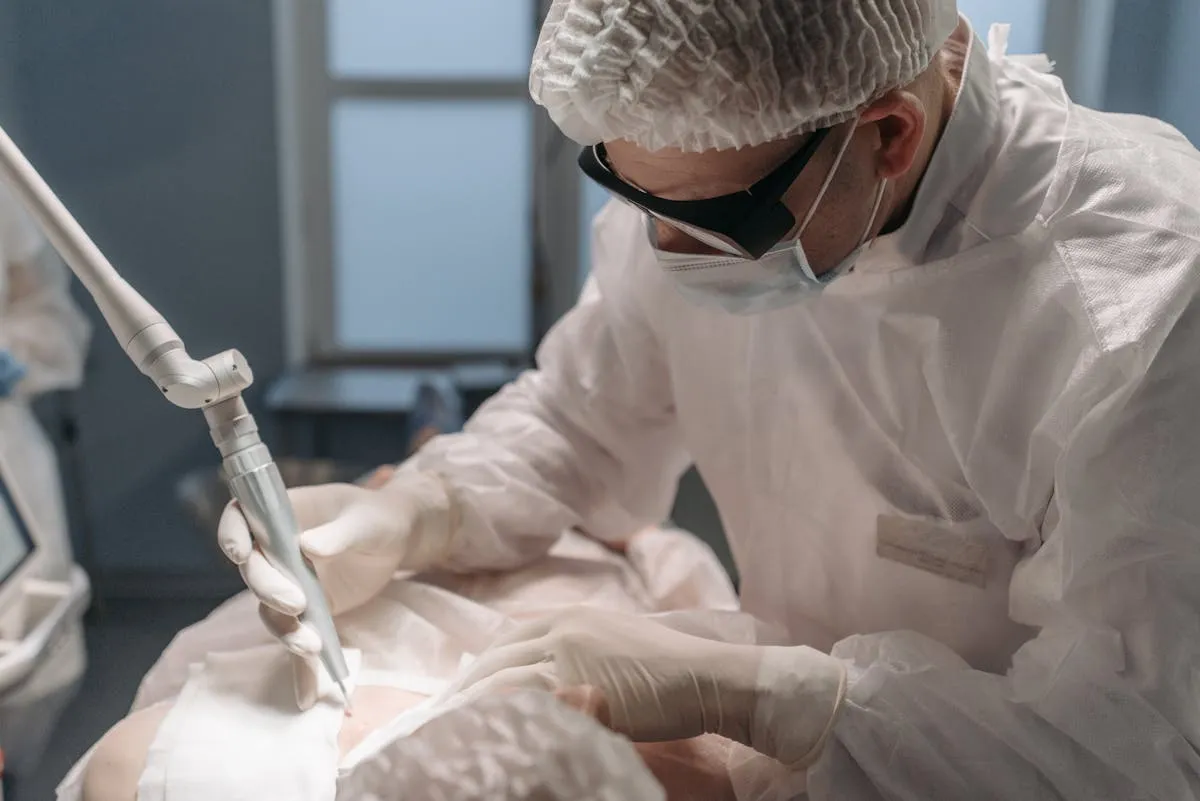
Lower Body Lift in Turkey
Learn everything about 360° lower body lift in Turkey, including candidacy, techniques, costs, recovery, and international patient pathways.
International Patient Guide
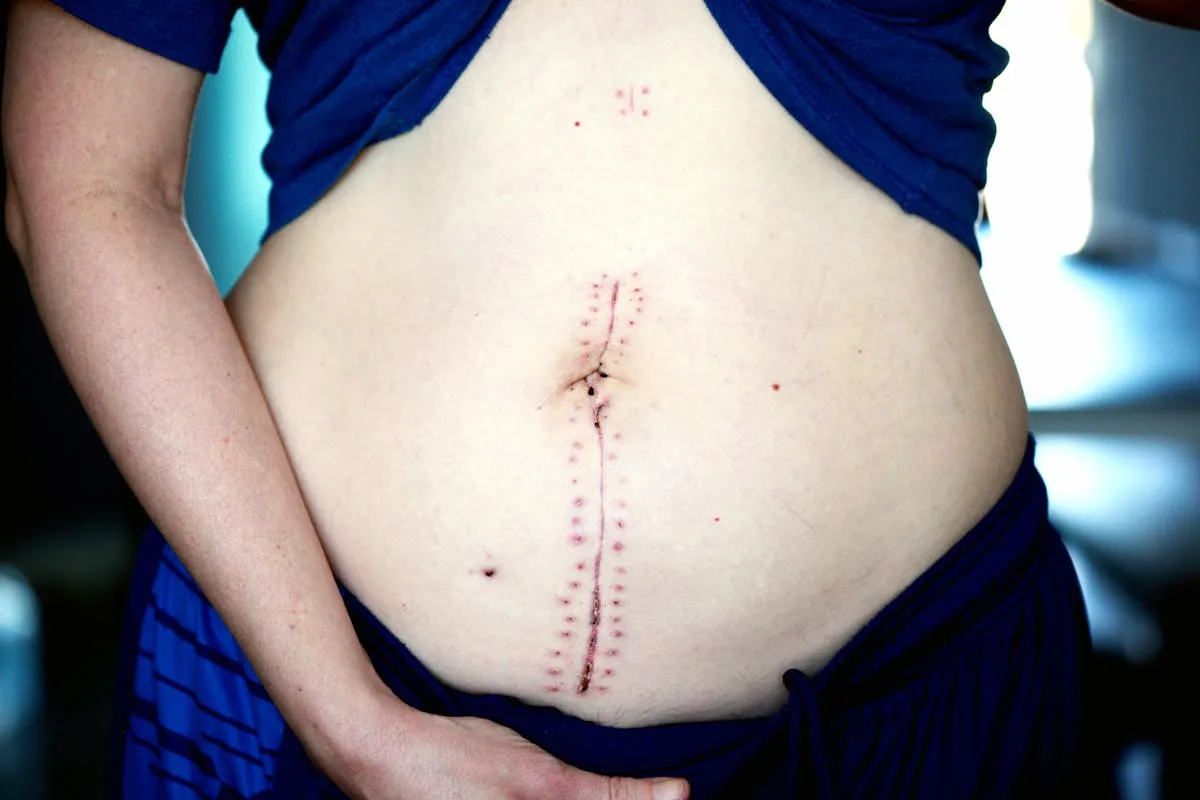
Cardiovascular Treatments: Options & Advances
Explore effective cardiovascular treatments to manage heart disease, including lifestyle changes, medications, and advanced procedures.
Treatment Guide
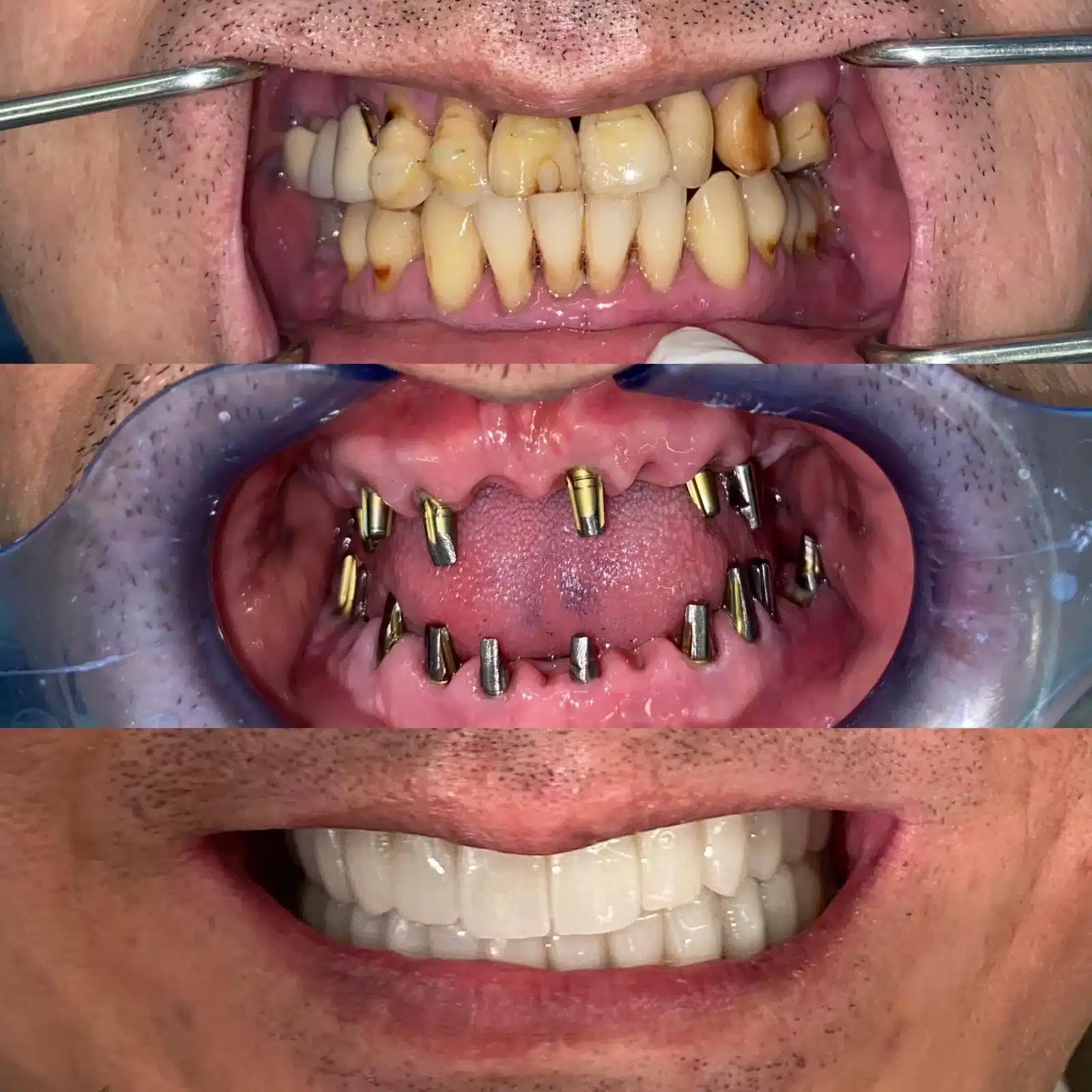
BBL Recovery Timeline: Sitting, Sleeping and When You Actually Heal
Week-by-week BBL recovery: the no-sitting rule, sleeping positions, the BBL pillow, flying home, and returning to work and exercise.
dental
Dental Implants in Turkey
Replace a single tooth or your entire smile with premium dental implants in Istanbul. Same brands as London specialists, a fraction of the cost. 5-day treatment packages. TEMOS-accredited dental clinics.
plastic-surgery
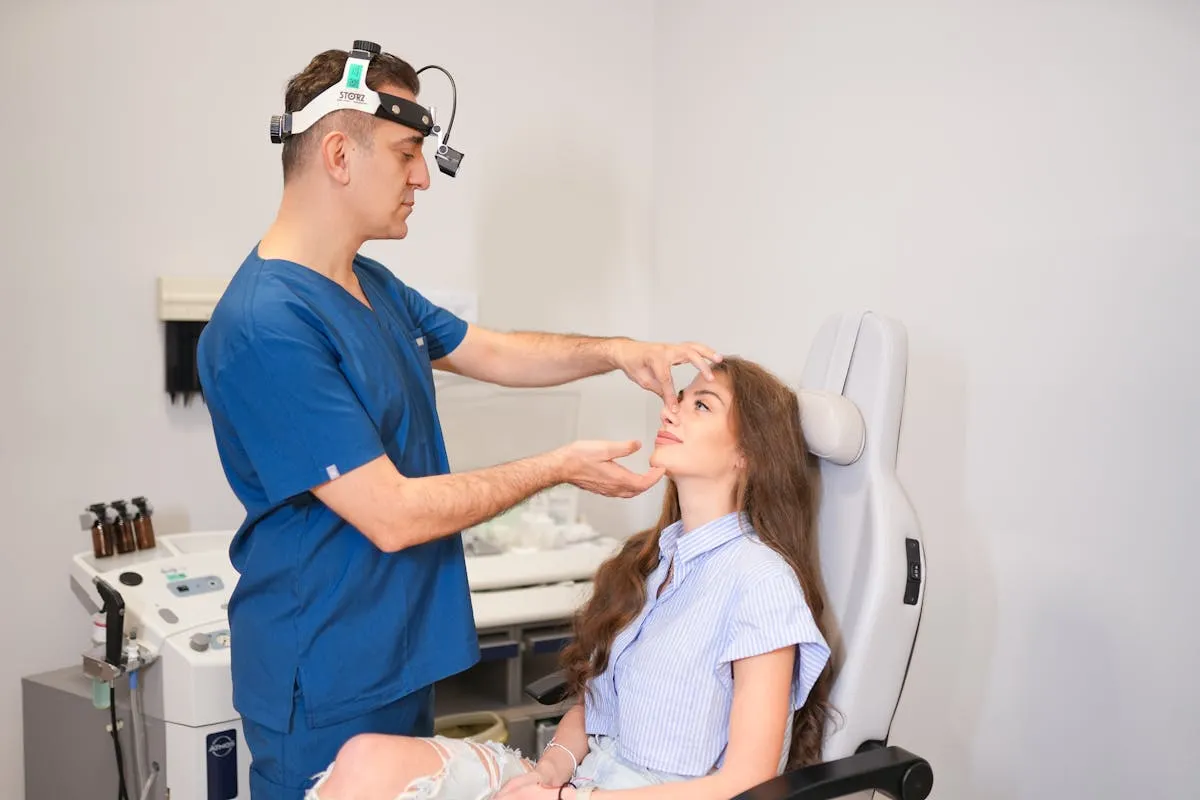
Rhinoplasty Turkey Cost 2026: Open, Closed & Revision Prices
A buyer-focused cost guide for rhinoplasty in Turkey, covering open, closed and revision pricing with package evaluation criteria.
Plan the next step clearly
Use this page as a decision-support guide, then move into quote review, treatment comparison, and travel planning with coordinator support.