Pre-Treatment Evaluation for International Patients
- TEMOS-accredited clinics
- JCI-accredited hospitals
- Board-certified surgeons and a licensed clinical team
- 3,000+ international patients treated
Why Evaluation Comes Before Any Medical Decision? What Pre-Treatment Evaluation Really Means? For international patients, pre-treatment evaluation is often misunderstood. Many assume it is: A final diagnosis A confirmed treatment plan A commitment to proceed In reality, pre-treatment evaluation serves a different purpose.

Quick answer
Why Evaluation Comes Before Any Medical Decision? What Pre-Treatment Evaluation Really Means? For international patients, pre-treatment evaluation is often misunderstood. Many assume it is: A final diagnosis A confirmed treatment plan A commitment to proceed In reality, pre-treatment evaluation serves a different purpose.
Overview
Why Evaluation Comes Before Any Medical Decision?
What Pre-Treatment Evaluation Really Means?
For international patients, pre-treatment evaluation is often misunderstood.
Many assume it is:
- A final diagnosis
- A confirmed treatment plan
- A commitment to proceed
In reality, pre-treatment evaluation serves a different purpose.
It is a filtering and clarification stage designed to answer one essential question:
Is it reasonable and safe to continue planning further?
This step exists to protect the patient from unnecessary travel, unrealistic expectations, and avoidable risks.
Why Pre-Treatment Evaluation Is Especially Important for International Patients?
When treatment occurs in the patient’s home country, evaluation and treatment happen close together.
When treatment involves international travel, distance introduces risk.
Pre-treatment evaluation reduces that risk by:
- Identifying clear contraindications early
- Clarifying what can and cannot be assessed remotely
- Preventing rushed or emotionally driven decisions
For international patients, this step is not optional.
It is foundational.
What It Is
- A structured review of available medical information
- A preliminary medical opinion
- A suitability assessment for further planning
What It Is Not
- A guaranteed diagnosis
- A promise of treatment
- A replacement for in-person examination
Responsible providers are transparent about these boundaries.
Information Commonly Reviewed During Pre-Treatment Evaluation
The evaluation process usually begins with the information a patient can reasonably provide without traveling.
This may include:
- Medical reports or test results (if available)
- Imaging files or summaries
- A description of symptoms or goals
- General health history
Patients are not expected to have perfect documentation.
Part of the evaluation process is identifying what is missing .
Why “Missing Information” Is a Normal Outcome?
Many patients feel discouraged when told that additional information is needed.
In reality, this is a positive sign.
It means:
- The evaluation is being taken seriously
- Decisions are not being rushed
- Risks are being considered carefully
A pre-treatment evaluation that never asks for clarification is often superficial.
The Role of Remote Medical Review
Remote evaluation allows physicians to:
- Assess general feasibility
- Identify potential red flags
- Decide whether in-person assessment is justified
However, remote review has limits.
Physical examination, tactile assessment, and certain diagnostics can only be performed in person. This is why remote evaluation remains preliminary by design .
Why Some Patients Are Advised Not to Travel?
An honest pre-treatment evaluation may conclude that:
- Treatment abroad is not appropriate at this time
- Further testing is needed locally
- Expectations do not align with medical reality
While disappointing, this outcome protects patients from unnecessary burden and harm.
Ethical international care includes the ability to say no when appropriate.
Emotional Factors in Early-Stage Decisions
Patients seeking treatment abroad often arrive at this stage after:
- Long periods of uncertainty
- Conflicting opinions
- Frustration with local options
Pre-treatment evaluation helps slow the process down.
By introducing structure and professional distance, it allows decisions to be guided by medical reasoning rather than urgency.
How This Step Connects to the Larger Treatment Process?
Pre-treatment evaluation sits between:
- Initial information sharing
- Treatment pathway planning
Without it, planning becomes guesswork.
This is why it directly connects back to the pillar page:
International Patient Treatment Process .
Evaluation transforms interest into informed consideration.
How Medical Suitability Is Assessed?
Pre-treatment evaluation does not aim to decide what treatment will be done.
It aims to determine whether further planning is medically reasonable .
Suitability assessment usually considers three layers:
- Medical feasibility
- Risk profile
- Practical viability
Each layer is reviewed independently and then interpreted together.
Medical Feasibility: Can the Condition Be Addressed?
This layer focuses on whether the patient’s condition or goal can realistically be addressed within an international treatment setting.
Physicians may assess:
- Whether the condition falls within their scope
- Whether treatment requires technologies or follow-up unavailable remotely
- Whether timing constraints exist
A positive feasibility assessment means:
“This case can be considered further.”
It does not mean:
“This treatment will definitely be performed.”
Risk Profile: Is International Travel Reasonable?
Not all medical risks are related to the procedure itself.
For international patients, risk assessment also includes:
- Travel tolerance
- Recovery demands
- Comorbid conditions
- Medication interactions
A patient may be medically treatable but not currently suitable for international travel .
This distinction is essential and often misunderstood.
Practical Viability: Does the Plan Make Sense in Reality?
Even when medical feasibility and risk are acceptable, practical factors still matter.
These include:
- Time availability
- Ability to attend follow-up
- Support systems at home
- Capacity to comply with post-treatment guidance
Pre-treatment evaluation ensures that medical recommendations align with real-life conditions.
What a “Suitable for Further Planning” Outcome Means?
When evaluation concludes that a patient is suitable for further planning, it means:
- More detailed planning can begin
- A treatment pathway framework may be created
- Travel coordination can be discussed
It does not mean:
- Final approval
- Guaranteed treatment
- Irreversible decisions
Suitability opens the door — it does not lock the path.
What a “Not Suitable at This Time” Outcome Means
A recommendation not to proceed is often perceived negatively.
In practice, it may indicate:
- Need for additional testing
- Need for stabilization of another condition
- Better timing in the future
This outcome reflects clinical responsibility , not rejection.
“If I’m suitable, everything is confirmed”
Incorrect. Suitability allows planning, not commitment.
“If I’m not suitable, no options exist”
Also incorrect. It may simply mean not now or not this way .
“Remote evaluation replaces in-person assessment”
It does not. It prepares for it.
The Importance of Clear Communication at This Stage
Patients should feel free to ask:
- What remains uncertain?
- What assumptions are being made?
- What could change after arrival?
Clear answers reduce anxiety and prevent future disappointment.
How Evaluation Feeds Into Treatment Planning
Once suitability is confirmed, evaluation findings are used to:
- Shape the treatment pathway
- Define preparation requirements
- Identify areas requiring in-person confirmation
Evaluation transforms scattered information into structured readiness .
Looking Ahead
- Patient responsibilities during evaluation
- How to prepare effectively
- What patients can do to support accurate assessment
- When to pause, proceed, or seek a second opinion
The Patient’s Role in Pre-Treatment Evaluation
Pre-treatment evaluation is a collaborative process.
Patients are not passive participants.
Their input directly affects accuracy and safety.
Key responsibilities include:
- Honest disclosure of medical history
- Sharing relevant documents when available
- Communicating limitations or concerns
Withholding information — even unintentionally — increases risk.
Preparing Documents Without Overcomplicating the Process
Patients often delay evaluation because they believe documentation must be perfect.
In reality:
- Partial information is acceptable
- Old reports may still be useful
- Missing items can be identified during review
The goal is directional clarity , not perfection.
How to Interpret Professional Uncertainty?
Patients sometimes misinterpret cautious language as indecision.
Phrases like:
- “Further assessment is needed”
- “This depends on in-person findings”
are signs of professionalism, not weakness.
Medicine values precision over certainty.
Knowing When to Pause or Seek a Second Opinion
Pre-treatment evaluation may highlight:
- Conflicting medical perspectives
- Areas requiring more reflection
- Decisions that should not be rushed
Pausing is not failure.
It is part of responsible decision-making.
Emotional Readiness Matters Too
International treatment decisions are rarely purely medical.
They involve:
- Hope
- Fear
- Financial and personal considerations
Evaluation provides a moment to step back and assess readiness — medically and emotionally.
How This Page Fits Into the Broader Journey?
Pre-treatment evaluation connects:
- Initial interest
- Informed planning
- Safe execution
Without it, the international patient journey lacks structure.
This is why it anchors directly into the broader International Patient Treatment Process .
A well-conducted pre-treatment evaluation does not accelerate decisions.
It protects them .
Patients who understand this step enter the rest of the journey with clarity rather than pressure.
Dental crowns in Turkey cost $150–$350 per crown all-inclusive — versus £700–£1,500 per crown in the UK or $1,000–$2,500 in the US. Whether you need
Liposuction Turkey Cost 2026: VASER, 360° & Traditional Prices Guide
Liposuction in Turkey costs $1,800–$4,500 all-inclusive depending on the technique and number of areas treated — compared to £3,500–£8,000 in the UK or $5,000–$15,000 in
All-on-4 Turkey Cost 2026: Fixed Full Arch Implants From $3,500 All-Inclusive
All-on-4 dental implants in Turkey cost $3,500–$6,000 per arch all-inclusive — versus £12,000–£20,000 in the UK or $20,000–$30,000+ per arch in the US. Turkey is
Hollywood Smile Turkey Cost 2026: Veneers, E-Max & Zirconia Guide
A Hollywood smile (porcelain veneers or composite veneers) in Turkey costs $150–$350 per tooth all-inclusive — versus £500–£1,200 per tooth in the UK or $800–$2,500
Breast Augmentation Turkey Cost 2026: Implants, Lift & Mummy Makeover Guide
Breast augmentation in Turkey costs $2,800–$5,000 all-inclusive — compared to £6,000–£11,000 in the UK or $10,000–$18,000 in the US. Istanbul's plastic surgery clinics offer board-certified
IVF Turkey Cost 2026: Fertility Treatment Prices & Success Rates
IVF treatment in Turkey costs $2,500–$5,000 per cycle all-inclusive, versus £5,000–£12,000 in the UK or $15,000–$25,000+ in the USA. But Turkey offers more than price
NexWell coordinates your entire medical trip — treatment planning, hospital booking, travel, transfers and aftercare. Consultation, personalised quote within 24 hours.
What Happens If You Are Cleared — Then Not Cleared On Arrival
In rare cases, a patient who passed remote pre-operative evaluation is found, on arrival and in-person assessment, to have a condition that requires delaying or modifying the procedure. This may happen due to undetected elevated blood pressure, a blood test value outside the acceptable range, or a physical finding visible on in-person examination not apparent on photographs.
Reputable Turkish clinics handle this professionally and without pressure — the operating surgeon has full authority to reschedule or modify a procedure, and NexWell's partner clinics do not penalise patients financially for clinically justified delays.
Patients should budget emotionally and logistically for the small probability of needing to rebook, understanding it is a sign of a clinic that prioritises clinical safety over revenue.
No obligation
Get your treatment plan
Send your case and a coordinator returns a written plan and an indicative quote — usually within a day.
Related reading

Information
Treatment Cost Estimator
Get a personalised estimate for your medical treatment costs in Turkey. Compare prices for plastic surgery, dental, fertility, oncology and more with NexWell.

Information
Our Medical Team | NexWell Health Tourism Experts
Meet the NexWell medical team and patient care coordinators. We work with JCI-accredited surgeons and specialists for safe, expert healthcare in Turkey.

health-conditions
Adult Branchial Cleft Cyst: 7-Step Treatment Planning & Follow-Up Guide
Adult branchial cleft cyst care explained clearly: evaluation, imaging, surgical planning, recovery, recurrence prevention, and long-term follow-up coordination for international patients.

patient-journey
Post-Treatment Follow-Up and Aftercare for International Patients Explained
How post-treatment follow-up and aftercare work for international patients after returning home: monitoring protocols, communication, wound care, and when to seek immediate attention.
dental
Dental Implants in Turkey
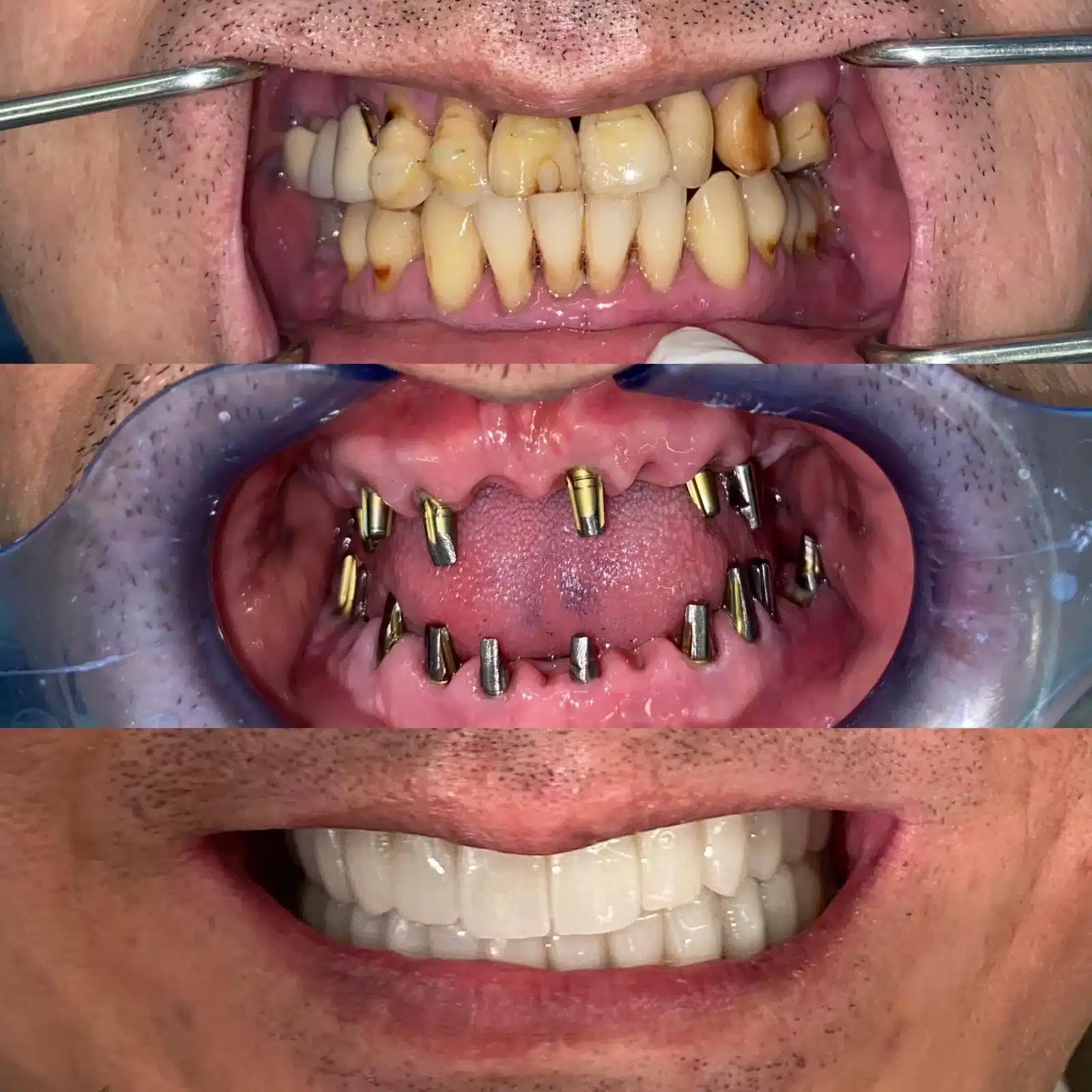
Replace a single tooth or your entire smile with premium dental implants in Istanbul. Same brands as London specialists, a fraction of the cost. 5-day treatment packages. TEMOS-accredited dental clinics.

plastic-surgery
Rhinoplasty Turkey Cost 2026: Open, Closed & Revision Prices
A buyer-focused cost guide for rhinoplasty in Turkey, covering open, closed and revision pricing with package evaluation criteria.
Plan the next step clearly
Use this page as a decision-support guide, then move into quote review, treatment comparison, and travel planning with coordinator support.