Travel and Logistics for Medical Treatment Abroad
- TEMOS-accredited clinics
- JCI-accredited hospitals
- Board-certified surgeons and a licensed clinical team
- 3,000+ international patients treated
When patients consider treatment abroad, travel is often seen as a secondary concern. Flights, accommodation, and transfers are treated as logistical details to be solved after medical decisions are made.

Quick answer
When patients consider treatment abroad, travel is often seen as a secondary concern. Flights, accommodation, and transfers are treated as logistical details to be solved after medical decisions are made.
Travel and Logistics Matter in Medical Treatment Abroad
When patients consider treatment abroad, travel is often seen as a secondary concern.
Flights, accommodation, and transfers are treated as logistical details to be solved after medical decisions are made. In reality, travel planning is part of the medical process itself .
Timing, physical readiness, recovery needs, and stress levels are all influenced by how travel is planned. Poor logistics can compromise even the best medical care.
For international patients, travel is not a convenience layer.
It is a clinical risk factor .
The Difference Between Regular Travel and Medical Travel
Medical travel differs fundamentally from leisure or business travel.
Key differences include:
- Physical condition before and after treatment
- Sensitivity to fatigue, pain, or limited mobility
- Need for flexibility around medical schedules
- Dependency on recovery timelines rather than preferences
Medical travel planning prioritizes health stability , not efficiency.
When Travel Planning Should Begin
Travel planning should not begin:
- Before preliminary evaluation
- Before a treatment pathway framework exists
However, it should also not be left to the last moment.
Once a provisional pathway is outlined, travel planning can begin in parallel , allowing:
- Realistic time allocation
- Flexible booking strategies
- Contingency planning
This balance prevents both premature commitment and last-minute pressure.
Arrival Timing: Why “Earlier” Is Often Better
International patients sometimes aim to arrive as close as possible to the treatment date.
From a medical perspective, this is rarely ideal.
Arriving earlier allows:
- Recovery from travel fatigue
- Completion of initial assessments calmly
- Adjustment to time zones
- Reduction of stress before treatment
Medical readiness improves when the body is not already under strain.
How Logistics Connect Back to the Treatment Process?
Travel and logistics sit between:
- Treatment planning
- On-site medical care
They act as a bridge that either:
- Supports continuity
- Or disrupts it
This is why travel planning links directly back to the International Patient Treatment Process pillar.
Choosing Accommodation With Medical Recovery in Mind
For international patients, accommodation is not simply a place to sleep.
Where you stay directly affects:
- Physical comfort
- Access to care
- Stress levels
- Recovery quality
Medical travel accommodation should prioritize proximity, comfort, and calm , not tourism or cost optimization alone.
Proximity to the Medical Facility Matters
Staying close to the treatment location reduces:
- Travel time before and after procedures
- Physical strain during recovery
- Dependence on unpredictable transport
For many patients, short and predictable travel distances are more valuable than amenities.
Recovery-Friendly Environments
After treatment, patients often need:
- Quiet
- Climate control
- Easy access to rest
- Minimal physical effort
Crowded, noisy, or logistically complex accommodations may interfere with recovery.
Medical travel planning favors environments that support rest and stability .
Transfers and Transportation: More Than Convenience
Transportation during medical travel serves a clinical purpose.
Transfers should account for:
- Limited mobility
- Sensitivity to pain or fatigue
- Scheduling around appointments
Poorly planned transportation increases discomfort and stress, particularly in the early recovery phase.
Why Predictability Is More Important Than Speed?
Patients often prioritize fast transfers.
In medical contexts, predictability and reliability matter more:
- Clear pick-up times
- Familiar routes
- Minimal waiting
Uncertainty increases anxiety, which can negatively affect recovery.
Daily Planning During the Treatment Phase
Medical travel often involves multiple days of assessment, treatment, and follow-up.
Daily planning should allow:
- Adequate rest between appointments
- Flexibility for schedule changes
- Time for observation and recovery
Overloading daily schedules may compromise both comfort and outcomes.
Balancing Independence and Support
Some patients prefer full independence during travel. Others require assistance.
Medical travel planning should respect personal preferences while ensuring:
- Safety
- Access to help when needed
- Clear communication channels
Support does not mean loss of autonomy.
It means preparedness.
Coordination Between Medical and Travel Planning
Travel logistics must remain aligned with the medical pathway.
This alignment ensures:
- Appointments are not rushed
- Recovery periods are respected
- Changes are accommodated smoothly
When travel and medical planning are disconnected, patients feel pressure.
When they align, patients feel supported.
Deciding When It Is Safe to Travel Home
One of the most important logistics decisions is when to return home .
This decision should be guided by:
- Medical readiness
- Recovery progress
- Risk of complications
- Physical tolerance for travel
Convenience should never override medical advice.
Why Early Return Travel Can Be Risky?
Returning home too soon may:
- Increase discomfort
- Interrupt recovery
- Limit access to immediate care if needed
Even when patients feel eager to return, recovery timelines must be respected.
Preparing for the Journey Home
Before departure, patients should receive:
- Clear post-treatment instructions
- Guidance on activity limitations
- Information on warning signs
- Contact pathways for questions
This preparation transforms departure from an ending into a transition .
Managing Long-Distance Travel After Treatment
Long-distance travel after treatment requires:
- Hydration management
- Movement planning
- Comfort adjustments
- Fatigue awareness
These factors are especially important when recovery is still in progress.
Continuity After Returning Home
Once patients return home, logistics shift from travel to continuity .
This may involve:
- Remote follow-up
- Progress updates
- Guidance for local care if needed
Continuity ensures that patients do not feel disconnected from the care process.
Why Travel Planning Is Part of Patient Safety?
Throughout the international treatment journey, travel and logistics influence:
- Stress levels
- Recovery quality
- Overall experience
Viewing logistics as a medical consideration rather than an afterthought improves safety and outcomes.
How This Page Fits Into the Overall Journey?
Travel and logistics connect:
- Planning
- Treatment
- Aftercare
Without thoughtful logistics, even well-planned treatment becomes difficult.
Dental crowns in Turkey cost $150–$350 per crown all-inclusive — versus £700–£1,500 per crown in the UK or $1,000–$2,500 in the US. Whether you need
Liposuction Turkey Cost 2026: VASER, 360° & Traditional Prices Guide
Liposuction in Turkey costs $1,800–$4,500 all-inclusive depending on the technique and number of areas treated — compared to £3,500–£8,000 in the UK or $5,000–$15,000 in
All-on-4 Turkey Cost 2026: Fixed Full Arch Implants From $3,500 All-Inclusive
All-on-4 dental implants in Turkey cost $3,500–$6,000 per arch all-inclusive — versus £12,000–£20,000 in the UK or $20,000–$30,000+ per arch in the US. Turkey is
Hollywood Smile Turkey Cost 2026: Veneers, E-Max & Zirconia Guide
A Hollywood smile (porcelain veneers or composite veneers) in Turkey costs $150–$350 per tooth all-inclusive — versus £500–£1,200 per tooth in the UK or $800–$2,500
Breast Augmentation Turkey Cost 2026: Implants, Lift & Mummy Makeover Guide
Breast augmentation in Turkey costs $2,800–$5,000 all-inclusive — compared to £6,000–£11,000 in the UK or $10,000–$18,000 in the US. Istanbul's plastic surgery clinics offer board-certified
IVF Turkey Cost 2026: Fertility Treatment Prices & Success Rates
IVF treatment in Turkey costs $2,500–$5,000 per cycle all-inclusive, versus £5,000–£12,000 in the UK or $15,000–$25,000+ in the USA. But Turkey offers more than price
NexWell coordinates your entire medical trip — treatment planning, hospital booking, travel, transfers and aftercare. Consultation, personalised quote within 24 hours.
Medical Travel Packing List: Procedure-Specific Essentials
Standard travel packing is insufficient for medical travel. Before departure, prepare a kit tailored to your procedure. Compression stockings (minimum Class 2, graduated) are mandatory for all surgical procedure flights over 3 hours — ask your GP for a prescription before travel. Bring a printed copy of all current medications with generic names, since branded names vary by country.
For post-operative patients, pack loose button-front clothing that does not put pressure on operation sites — tight elasticised waistbands over abdominal surgery incisions are a common error that causes swelling and discomfort. Bring a portable charger to ensure your phone is always accessible for clinic communications and emergency contact.
Store your travel insurance policy number and emergency line in your phone contacts before departure, not just in a paper document that may be lost.
Translation and Communication Services for Medical Travel in Turkey
English communication at accredited Turkish hospitals is generally reliable at the specialist and coordinator level. However, communication gaps occur at the nursing, pharmacy and administrative level. Download a medical translation app before travel — DeepL or Google Translate with the Turkish offline language pack.
Save the Turkish names for your procedure, your medications and common post-operative concerns in your phone notes. NexWell provides clients with a patient communication card containing key phrases in Turkish for the most common post-operative situations — pain location description, medication requests and emergency symptom descriptions.
For Arabic, Russian and German-speaking patients, NexWell's coordination team includes native speakers. Always request written discharge instructions in English regardless of what your verbal briefing covered during the hospital stay.
A Logistics Checklist Before You Leave
Complete this checklist before travelling for any medical procedure abroad: travel insurance confirmed and medical treatment abroad cover validated in writing; all pre-operative test results printed and in your carry-on bag (not checked luggage); Turkish clinic emergency contact saved on your phone; compression garments or post-operative supplies packed if pre-prescribed; currency for local small purchases (pharmacies, taxis short-notice); return booking flexible if the return date needs to shift post-operatively; and a trusted contact at home who knows your full itinerary and clinic contact details.
NexWell provides every patient with a printed patient dossier at the time of pre-departure briefing that covers all of the above.
No obligation
Get your treatment plan
Send your case and a coordinator returns a written plan and an indicative quote — usually within a day.
Related reading

Information
Medical Disclaimer
Important medical disclaimer for NexWell health tourism services. Please read before using our website or enquiring about treatment options in Turkey.
Information
Privacy Policy
NexWell Global Solutions privacy policy — how we collect, use, and protect your personal data in compliance with GDPR and international privacy standards.
dental
Dental Implants in Turkey
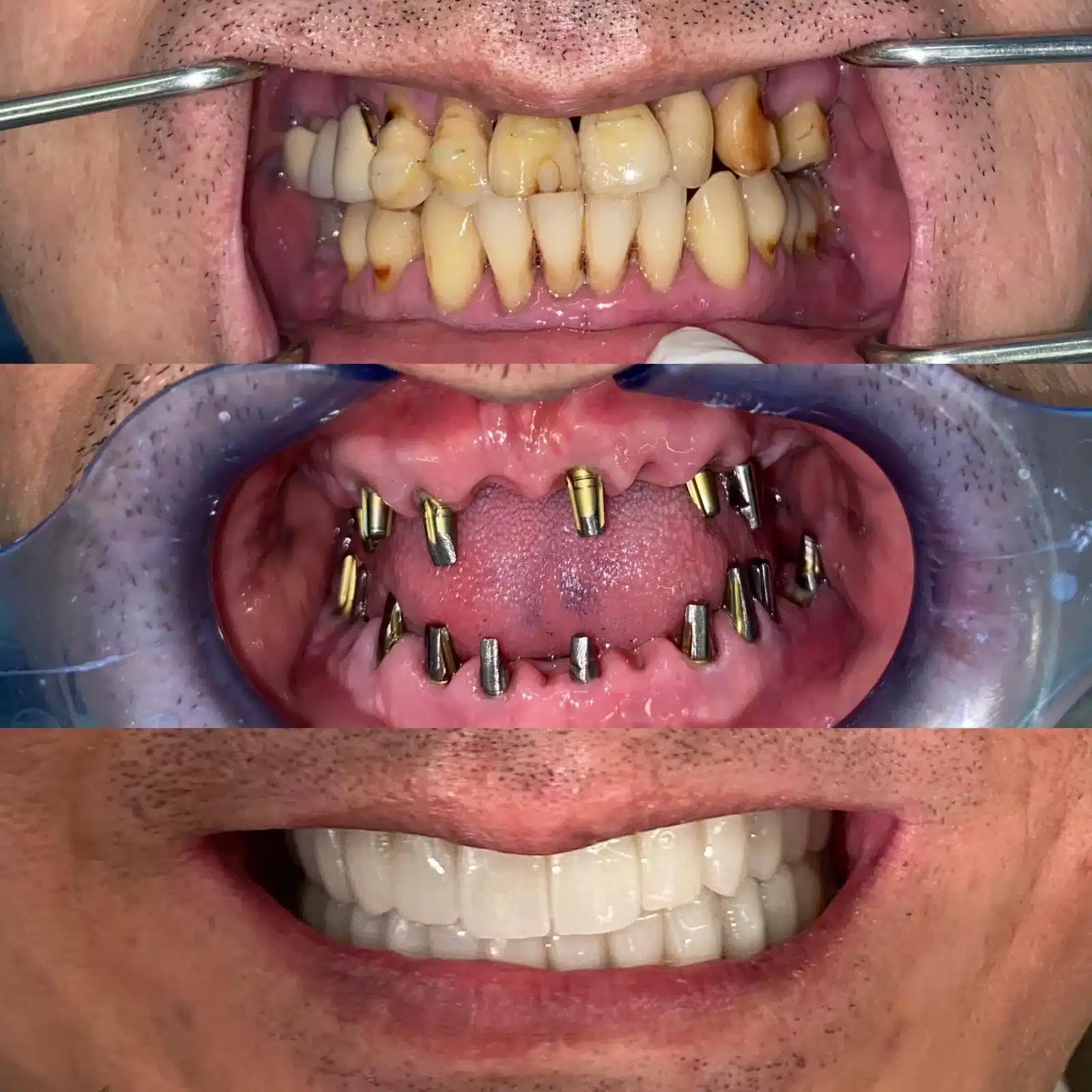
Replace a single tooth or your entire smile with premium dental implants in Istanbul. Same brands as London specialists, a fraction of the cost. 5-day treatment packages. TEMOS-accredited dental clinics.

plastic-surgery
Rhinoplasty Turkey Cost 2026: Open, Closed & Revision Prices
A buyer-focused cost guide for rhinoplasty in Turkey, covering open, closed and revision pricing with package evaluation criteria.
Plan the next step clearly
Use this page as a decision-support guide, then move into quote review, treatment comparison, and travel planning with coordinator support.