Medically reviewed by Dt. Alp Erdem, DDS: Oral & Maxillofacial Surgery. Last reviewed March 2026
All-on-4 Turkey Cost 2026
- TEMOS-accredited clinics
- JCI-accredited hospitals
- Board-certified surgeons and a licensed clinical team
- 3,000+ international patients treated
A NexWell pricing guide for patients comparing All-on-4 in Turkey: what changes the quote, what same-day teeth usually means, and how to judge zirconia, acrylic and full-arch package scope before you commit.
Written quote from a NexWell coordinator, usually within 24 hours.
Quick answer
All-on-4 dental implants in Turkey cost $5,700–$8,900 per arch ($11,400–$17,800 for both arches), including implants, the provisional bridge and the final zirconia or acrylic bridge, up to 80% less than the US's $15,000–$27,500 per arch, and around 60% less than the UK's $12,700–$20,300 per arch (2026). The final price depends mainly on bridge material and whether both stages are included in one written quote.
Start With the Restorative Plan, Not the Headline Price
Patients searching for All-on-4 Turkey cost are usually shown a single per-arch number as if the treatment were a fixed retail product. In practice, the real decision is broader: what implant system is being used, what kind of temporary teeth are planned, what the final bridge material will be, and whether the clinic is pricing only surgery or the full restorative journey.
That number only becomes usable once the clinic states, in writing, which stage of treatment it actually reflects. Any adjustment plan for after the patient returns home should be written down before the trip begins.
That number only becomes usable once the clinic states, in writing, which stage of treatment it actually reflects.
What Usually Moves the Quote Up or Down
The variables that change All-on-4 pricing are usually more important than the headline offer itself:
- implant brand and whether premium systems are specified in writing
- whether the first bridge is a temporary acrylic solution or whether a final zirconia phase is already included
- whether diagnostics, CBCT, sedation, extractions or bone reduction are part of the same scope
- whether both arches are treated together or staged across different visits
- whether the quote includes hotel, transfers, medication and post-return adjustment logic
A clinic can appear cheaper simply by pricing only the surgical phase and pushing the final bridge, sedation or revision work into later invoices.
Bridge Material Changes the Commercial Logic
| Feature | Typical scope | Quote effect |
|---|---|---|
| Temporary acrylic bridge | Short-term provisional teeth after surgery | Lowest entry price but not the final restorative stage |
| Final acrylic-composite bridge | Lower-cost full-arch restoration with simpler lab workflow | Usually mid-range pricing |
| Monolithic zirconia bridge | Stronger final bridge with cleaner long-term wear profile | Usually higher quote because lab and material costs rise |
| Layered zirconia bridge | More aesthetic finishing with extra ceramic artistry | Often premium pricing and more try-in sensitivity |
This is why two clinics can both advertise All-on-4 and still be quoting very different outcomes. Patients should confirm the restorative material in the final stage, not only the implant count.
Country-Level Price Comparison Only Helps After Scope Matching
| Country | Typical full arch range per arch | Typical both-arches range |
|---|---|---|
| USA | $15,000-$27,500 | $26,000-$70,000 |
| Canada | $14,000-$26,000 | $28,000-$52,000 |
| UK | $12,700-$20,300 | $25,400-$40,650 |
| Australia | $13,000-$24,000 | $26,000-$48,000 |
| Turkey | $5,700-$8,900 | $11,400-$17,800 |
Turkey is often dramatically lower on price, but the meaningful question is whether those ranges refer to surgery only, a provisional stage, or a complete restorative pathway ending in the final bridge.
Same-Day Teeth and Final Teeth Are Not the Same Promise
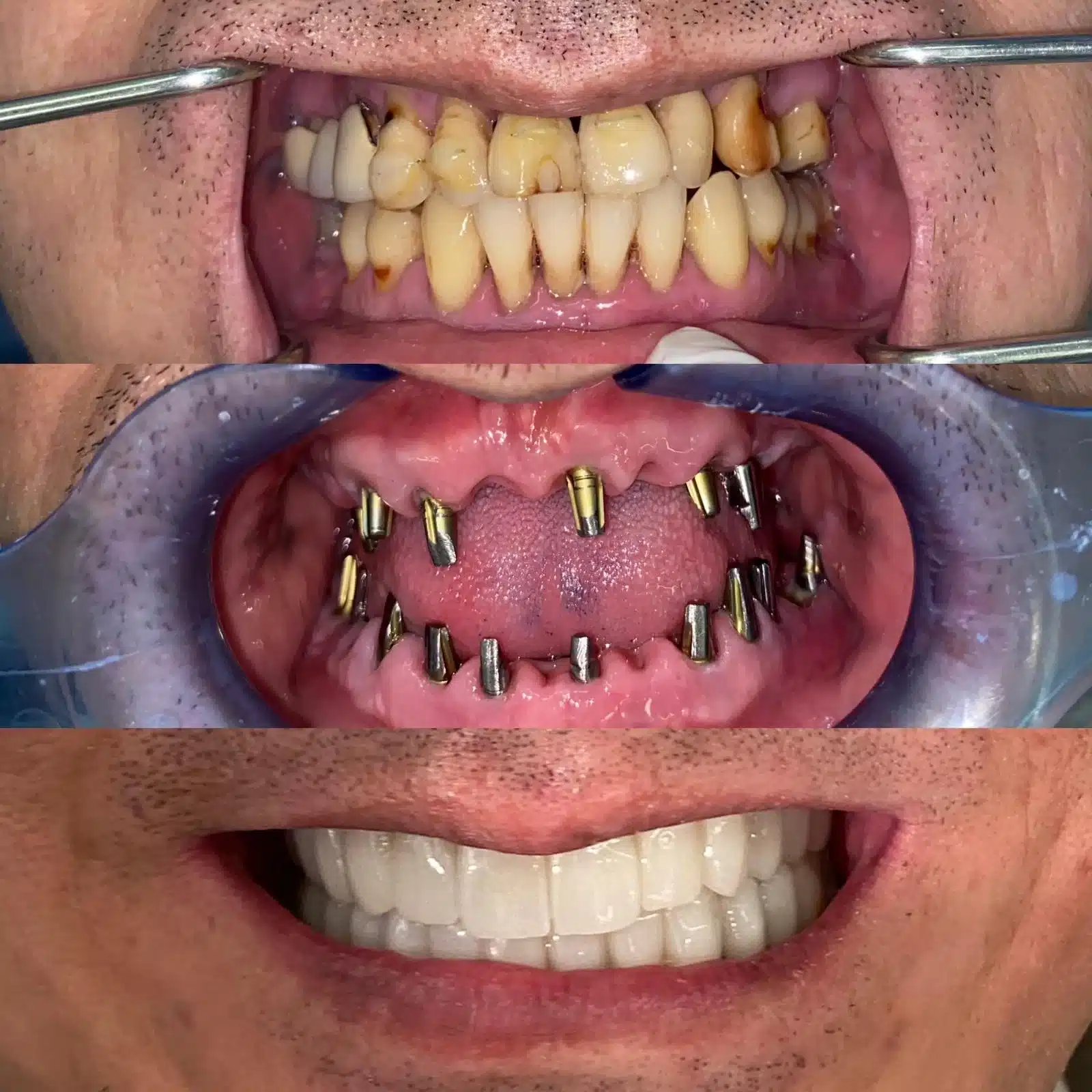
One of the biggest misunderstandings in All-on-4 marketing is the phrase same-day teeth. In many cases it means patients leave surgery with a fixed temporary bridge, not with the final zirconia bridge they will wear long term.
That distinction matters because the provisional phase is part of treatment, not the end of treatment. Patients should ask when the definitive bridge is made, what healing period is expected, and whether the return trip is already priced into the written plan.
Treatment Plan
Ready for a written All-on-4 Turkey Cost 2026 quote?
A NexWell coordinator reviews your case and replies with a personalised treatment plan and indicative pricing — usually within 24 hours.
Who Is Usually a Better Fit for All-on-4
All-on-4 is often a strong option for patients with multiple failing teeth, existing dentures, or a need for fixed full-arch rehabilitation without placing a larger number of implants. It can also make sense when the anatomy allows posterior angulation instead of more extensive grafting.
But it is not automatically the right choice for every heavy grinder, every severe bone-loss case, or every patient comparing fixed teeth with a denture alternative. Some cases are better handled with All-on-6, segmented treatment, or a staged restorative plan once imaging and bite conditions are reviewed properly.
How NexWell Reviews an All-on-4 Quote Before Recommending a Next Step
When NexWell reviews a full-arch proposal, we do not stop at the advertised package label. We look for:
That is the difference between a tourism quote and a treatment decision. The page should help patients arrive at the right questions before they accept the cheapest number in the market.
- 1explicit implant brand and number of implants per arch
- 2clarity on temporary bridge versus final bridge stage
- 3written material specification for the definitive restoration
- 4inclusion or exclusion of imaging, sedation, extractions and medications
- 5the logic for one visit versus two visits
- 6the clinic's response path if bite, fit or speech needs adjustment after travel
Planning the All-on-4 Journey: How Many Days and What to Expect
An All-on-4 case in Turkey typically requires two visits. The first visit usually takes five to eight days and covers diagnostics, any remaining extractions, implant surgery and provisional bridge fitting. The surgery itself is usually completed in one operating session. Post-surgical appointments check healing, provisional fit and bite stability before the patient flies home.
The second visit, scheduled roughly three to six months later, covers the definitive bridge stage and typically takes two to four days. By this point the implants have integrated and the restorative work focuses on bridge design, shade, fit and final bite adjustment.
Patients should plan the first visit with a buffer of one to two days beyond the clinic estimate to accommodate minor healing variation. Accommodation near the clinic is strongly recommended for the first few post-surgical days. Most clinics with established international patient programmes provide hotel recommendations and transfer coordination as part of the service.
What Sits Behind the All-on-4 Price You See Online
The figures shown in All-on-4 advertising almost always represent either the lowest-tier option, the surgery-only stage, or a promotional entry price that excludes material upgrades, sedation or both arches. Understanding what a realistic quote actually includes requires a written breakdown rather than a package headline.
The main cost elements that should be confirmed in writing are: CBCT diagnostics, implant system and brand, extraction fees if applicable, sedation modality and whether it is included, provisional bridge type and material, final bridge material and timing, and post-travel adjustment protocol.
A quote that itemises each of these elements will appear higher than a package headline but it represents the actual cost of completing the treatment. Clinics that cannot produce an itemised scope in response to a direct written question are signalling that their pricing model depends on adding items after commitment.
Long-Term Maintenance for an All-on-4 Bridge After Treatment in Turkey
All-on-4 bridges require a specific daily hygiene routine that differs from natural tooth cleaning. Standard brushing and flossing do not reach under the bridge effectively. Patients need to incorporate an interdental brush or water flosser into their routine from the day the definitive bridge is delivered.
Screw-retained bridges should be checked by a clinician every six to twelve months for screw torque, bridge surface integrity and peri-implant tissue health. Patients who return annually for these checks, even at a local implant dentist using the original treatment records, typically maintain better long-term implant health than those who delay clinical review.
Bruxism significantly increases the risk of bridge wear and screw fracture. Patients with a parafunctional bite habit should discuss this before treatment begins and should plan for a protective night guard as part of the ongoing management from day one after bridge delivery.
All-on-4 Booking Questions to Confirm Before Committing to a Clinic
All-on-4 pricing looks simple until the invoice arrives with extras attached. Get these answered in writing first:
- How many implants per arch and with which system?
- Is the provisional bridge fixed or removable, acrylic or another material?
- Is the definitive zirconia bridge included in the quoted price?
- Are extraction, sedation and imaging inside the quoted figure?
- How many days are required for the first and second visits?
- What is the osseointegration interval and how is the patient managed during it?
- What happens if an implant fails to integrate before the second visit?
- How does the clinic handle adjustment or bite issues after the patient returns home?
- Is there a patient coordinator available in English throughout the process?
A quote that already specifies bridge material, osseointegration timing and the adjustment-after-return policy is the one most likely to hold up once treatment actually starts.
Acrylic-on-Titanium vs Full Zirconia: Understanding the All-on-4 Bridge Decision
Full-arch restorations after All-on-4 treatment fall into two main categories: acrylic resin on a titanium framework and full monolithic zirconia. The choice affects aesthetics, maintenance requirements and long-term cost.
Acrylic-on-titanium designs are lighter and easier to repair if chipped, but the acrylic teeth wear, stain and fracture over time. Most patients require replacement or major refabrication within seven to ten years. Full monolithic zirconia is harder, more stain-resistant and generally more durable, but heavier and difficult to modify once cemented.
Patients should ask the clinic which bridge design is quoted at each stage and whether the final priced restoration is acrylic, acrylic-on-metal or monolithic zirconia. Clinics that cannot specify this before quoting are describing an incomplete plan. The bridge design is not a detail. It is one of the primary determinants of long-term patient satisfaction and cumulative treatment cost.
Bone Density and CBCT Scanning: Why They Determine the Real Cost of All-on-4
All-on-4 is designed to use available bone rather than require augmentation. The angled posterior implants allow surgeons to bypass areas of bone loss while still reaching adequate density for secure anchoring. This anatomy-specific approach is why a CBCT scan must be reviewed before any All-on-4 plan should be finalised or priced with confidence.
Surgeons who provide detailed plans and pricing without reviewing a scan of the patient's jaw are working from assumptions that may collapse when treatment begins. If the scan reveals complications, costs can increase materially from the opening quote. Patients who receive a cost figure before a CBCT review should treat it as indicative only.
Some patients have been told by other clinics that extensive bone grafting is required before implants can be placed. All-on-4 sometimes eliminates the need for that grafting by using available anterior bone. Patients receiving grafting recommendations should seek a second opinion specifically from an All-on-4 experienced surgeon before accepting that pathway as the only option.
Managing the Gap Between Stage One and Stage Two for International Patients
After initial All-on-4 surgery, implants require three to six months of osseointegration. Patients wear a provisional fixed bridge throughout this period, a lighter acrylic design intended to maintain function while protecting healing implants from excessive load. The provisional bridge is not the final restoration.
The definitive bridge, typically monolithic zirconia or a high-quality hybrid design, is fabricated after confirmed implant stability based on impressions or digital scans taken at the second visit. For international patients, the gap between stage one and stage two means planning two separate trips with a multi-month interval.
Patients should plan their travel calendar around this two-visit reality from the first appointment, not discover mid-treatment that a second trip is required. Turkish clinics that manage international patients effectively present both visit timelines in writing at the point of initial planning.
Patients who ask about the second visit schedule before confirming their booking are demonstrating exactly the planning discipline that distinguishes smooth international treatment experiences from difficult ones.
Vetted partner network
NexWell coordinates with TEMOS-accredited clinics or Ministry of Health–licensed facilities in Turkey.
Board-certified review
Content reviewed by Dt. Alp Erdem — Turkish Dental Association (TDB).
5.0★ from real patients (4 reviews)
“I spent months comparing clinics online. The team was the only one that asked for my CBCT scan before quoting a price. The surgery went exactly as planned and I flew home with fixed teeth on day three.” — James H., London, United Kingdom
No obligation
Get your All-on-4 Turkey Cost 2026 plan
Send your case and a coordinator returns a written plan and an indicative quote — usually within a day.
Questions Patients Ask Before They Commit
Related reading
dental-treatments
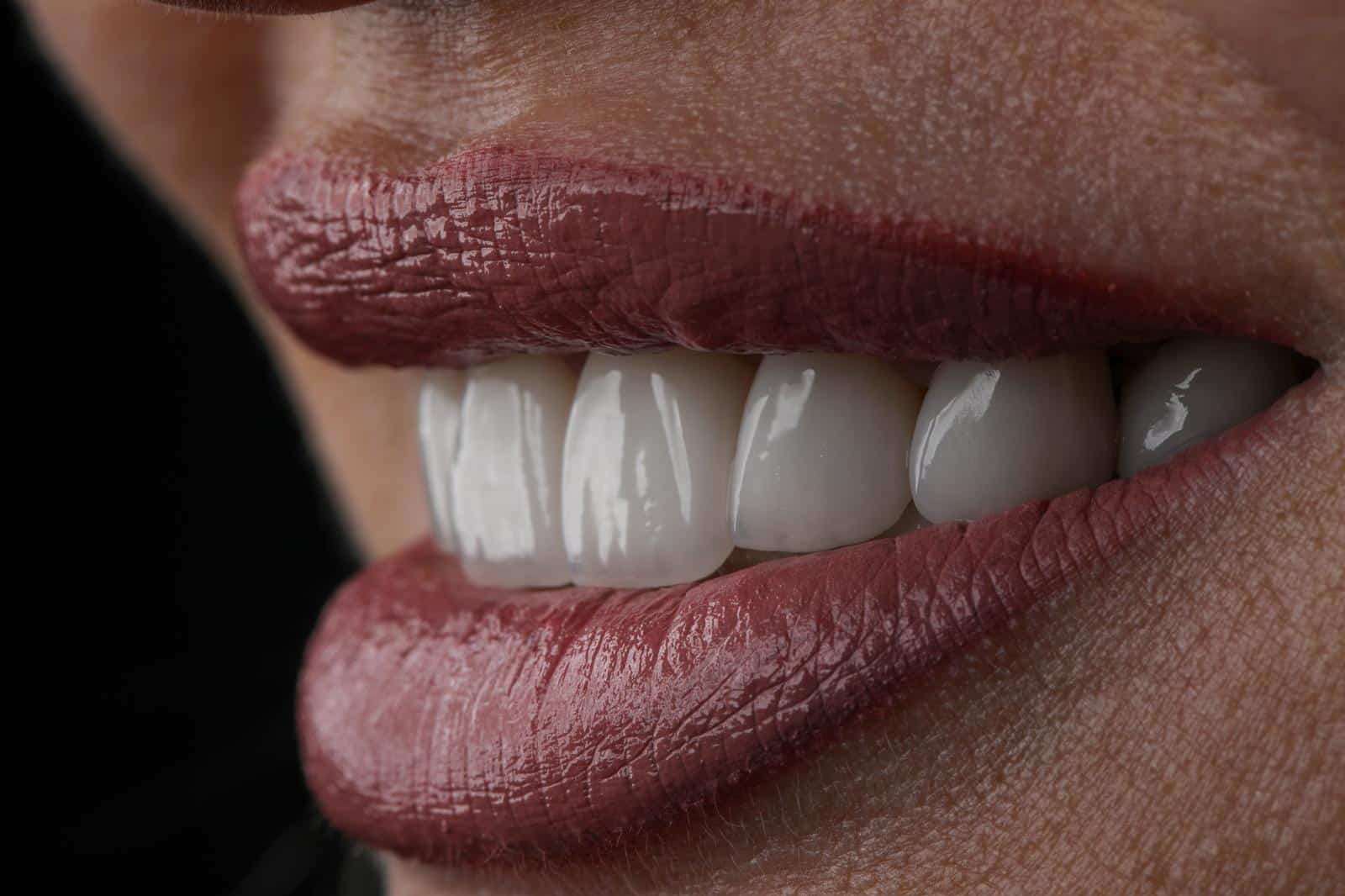
Full Mouth Dental Implants Turkey: Planning, Cost Logic and Case Selection
A buyer-focused guide to full mouth dental implants in Turkey, including who qualifies, what changes the budget, and how to compare All-on-4, All-on-6, and staged rehabilitation.
dental
Dental Implants Cost in Turkey: 2026 Price Guide
A transparent breakdown of dental implant prices in Turkey compared to UK and US costs. All NexWell prices are all-inclusive: implant, abutment, crown, CT scan, anaesthesia, and aftercare.
dental-treatments
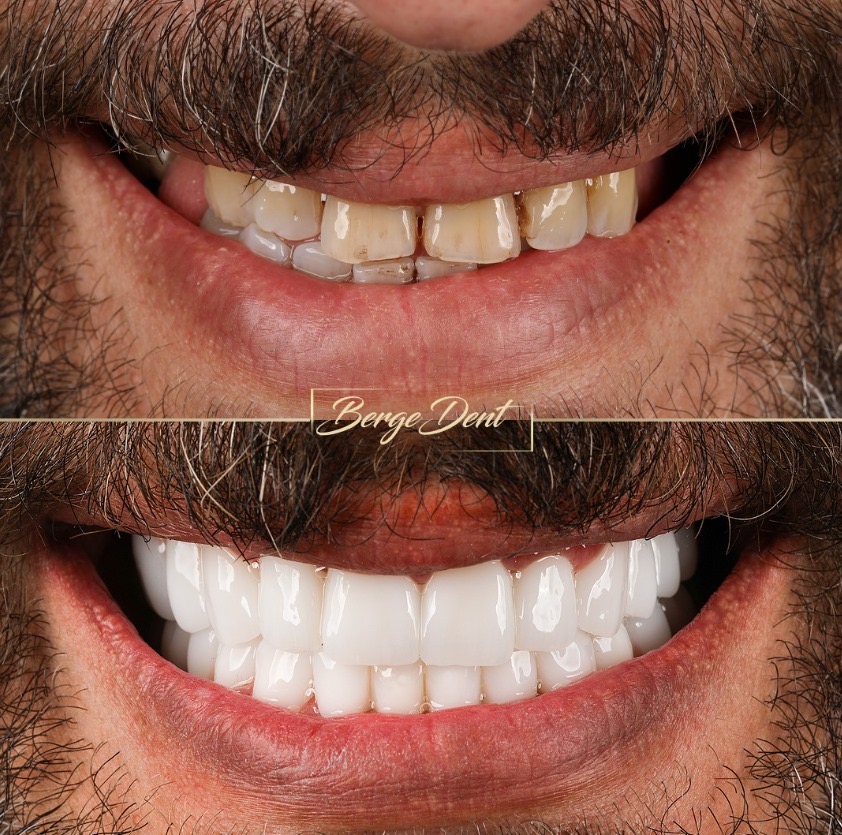
Why Full Mouth Implants Often Outperform Dentures for the Right Patient
A practical comparison of full mouth implants versus removable dentures across stability, eating confidence, bone preservation, maintenance, and total lifetime value.
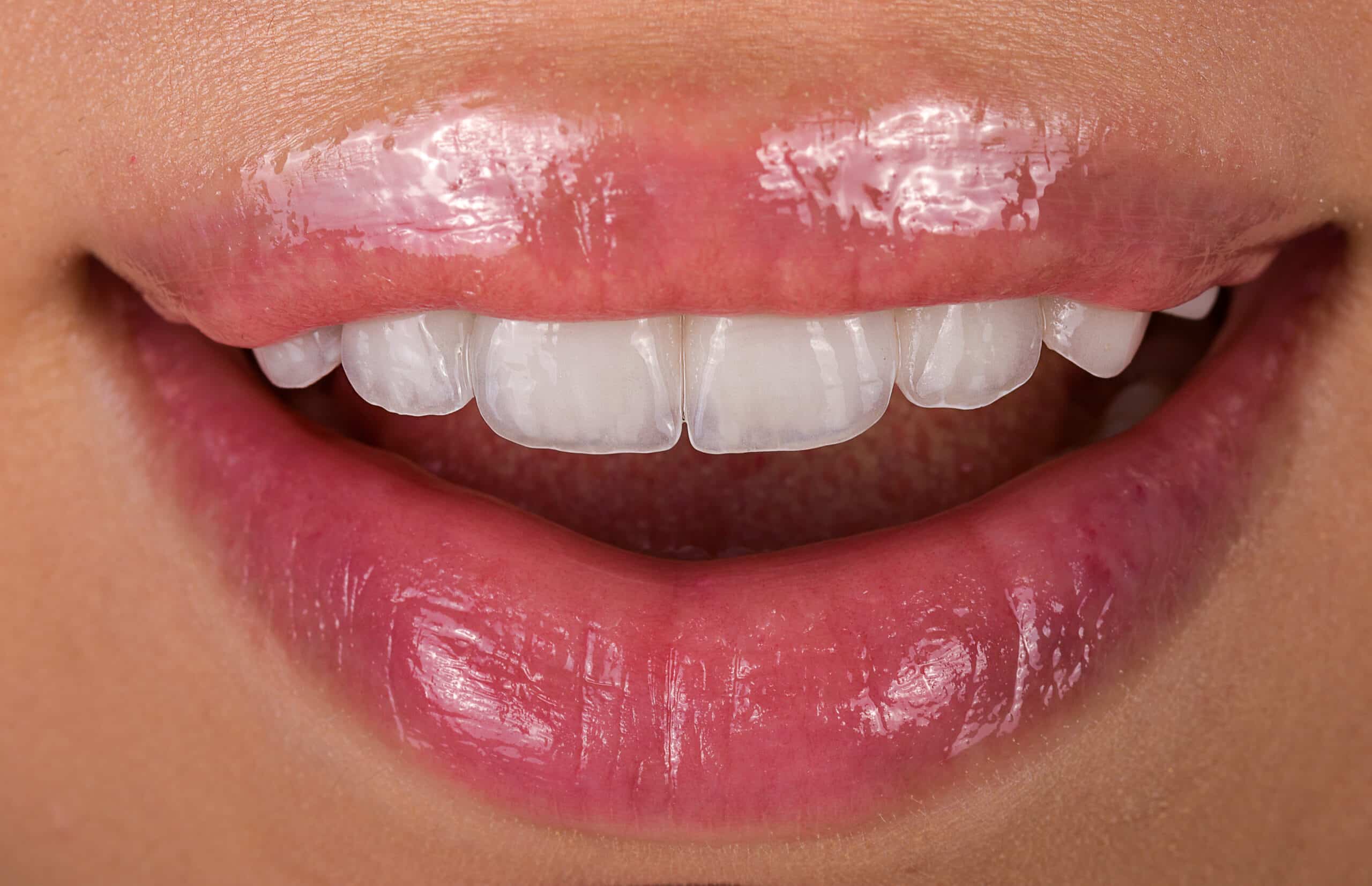
dental
Dental Crowns in Turkey
Restore damaged, weakened, or aesthetically compromised teeth with zirconia, E-max, or porcelain-fused-to-metal crowns. Same-week treatment at TEMOS-accredited clinics in Istanbul.
Plan the next step clearly
Use this page as a decision-support guide, then move into quote review, treatment comparison, and travel planning with coordinator support.
Decision Context
Patients compare this treatment inside the trip around it
Treatment pages perform better when they acknowledge arrival flow, destination trust, and the recovery rhythm patients are trying to visualise before booking.

The provider decision starts with arrival confidence
Patients compare treatment pages while also asking how first-day logistics, transfers, and scheduling will actually work.

The destination still influences medical trust
A treatment page is stronger when it recognises that the city itself remains part of the decision frame for international patients.

Recovery pacing changes how people evaluate options
Different procedures feel more or less realistic depending on how patients picture the slower hours between appointments.