How to Choose the Best Dental Clinic in Turkey Without Guesswork
A NexWell selection guide for patients comparing dental clinics in Turkey: how to review diagnostics, lab workflow, case ownership, remake policy and quote transparency before choosing a provider.
- JCI-accredited hospitals
- TEMOS-accredited clinics
- Board-certified surgeons and a licensed clinical team
- 3,000+ international patients treated
- 5-star chain hotel accommodation
- VIP airport transfers
Written quote from a NexWell coordinator, usually within 24 hours.
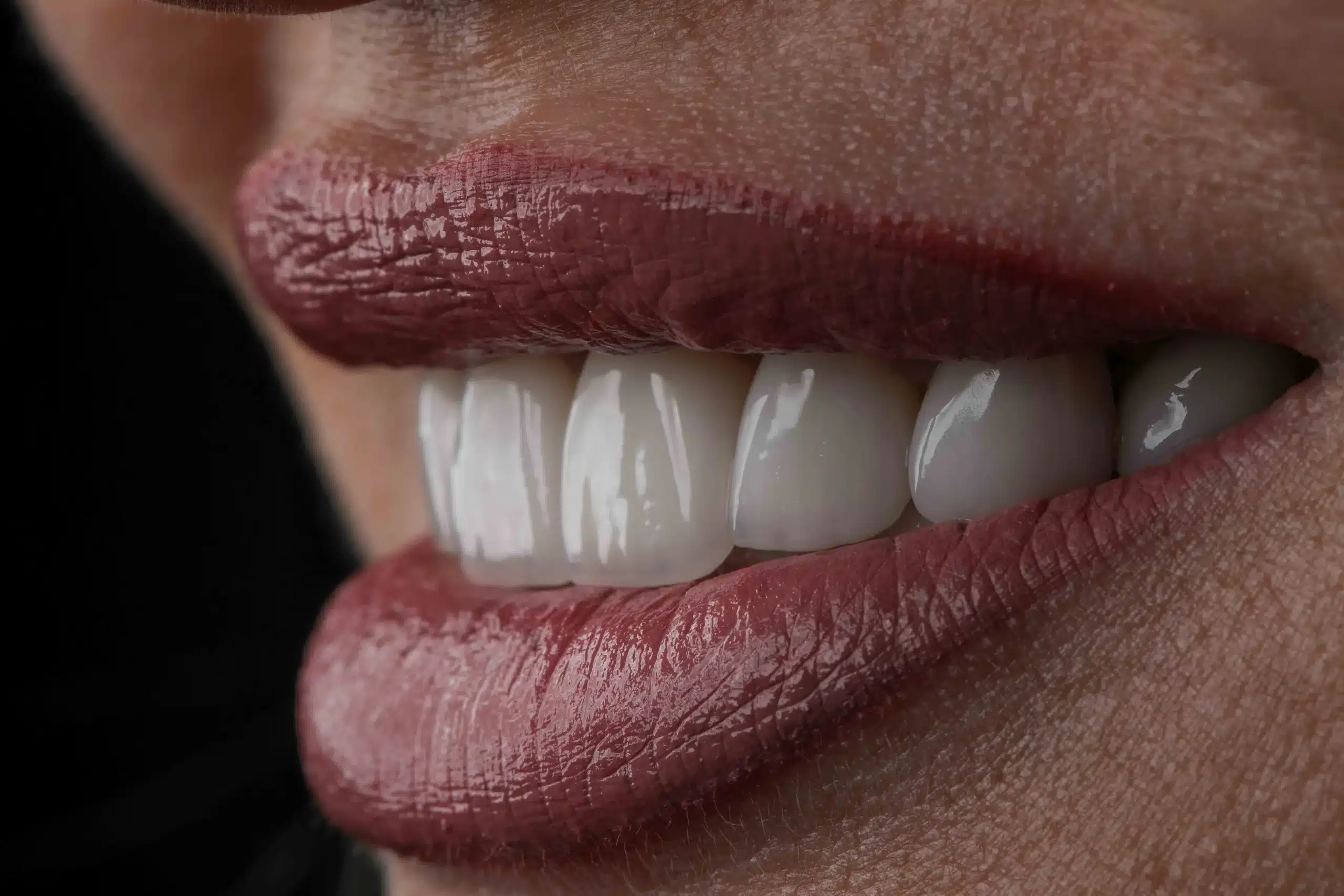
Written quote from a NexWell coordinator, usually within 24 hours.
Quick answer
The best dental clinic in Turkey is the one that leads with diagnostics, not discounts: check who actually plans, preps and signs off the case, ask about lab workflow and material transparency, get a written remake policy, and confirm a defined aftercare route for issues after you fly home. Reviews are a starting clue, not a decision.
The Best Clinic Is Not the Loudest Clinic
Patients often search for the best dental clinic in Turkey as if the answer will come from review volume, social media polish or a low package headline. In reality, the strongest clinic choice is usually the one that explains the case clearly, prices the work transparently and shows operational discipline before the patient ever boards a flight.
Diagnostics, planning and follow-through are the signals that actually predict a smooth treatment experience for a specific case. Patients can ask to see evidence of all three before comparing clinics by review count alone.
Diagnostics, planning and follow-through are the signals that actually predict a smooth treatment experience for a specific case.
Start With Diagnostics, Not With Discounts
A serious dental clinic should be able to explain why the proposed treatment is appropriate. That usually means photo review, X-ray or CBCT where needed, bite evaluation, and a rationale that matches the patient’s real condition.
If the conversation jumps immediately to crown count, veneer count or Hollywood Smile language without enough diagnostic review, the clinic may be optimising for conversion speed rather than treatment quality.
What to Check Before You Shortlist a Clinic
| Feature | What strong clinics usually show | Why it matters |
|---|---|---|
| Case ownership | Clear explanation of who plans, preps, places and signs off the work | Hidden handoffs increase revision and communication risk |
| Lab workflow | Material clarity, try-in logic and realistic remake discipline | Aesthetic dental work depends heavily on lab execution, not only chair time |
| Written scope | Transparent list of what is included, excluded and staged later | Patients need to know whether they are comparing real equivalents |
| Aftercare path | Defined response model for fit, bite or speech issues after travel | International cases can fail operationally even when the procedure itself was fine |
| Remote communication | Fast, specific answers instead of generic sales replies | The consultation process often predicts the treatment process |
The best clinic is usually the one that reduces uncertainty before treatment starts, not the one that only promises a dramatic before-and-after.
Reviews Help, But Workflow Quality Matters More
Public reviews are useful as a signal, but they are not enough to choose a provider on their own. A clinic can have strong testimonials and still fail on case ownership, material transparency or remake handling.
Patients should use reviews as a starting clue, then test whether the clinic can answer detailed questions about diagnostics, materials, temporaries, revisions and long-distance follow-up without becoming vague.
Different Cases Need Different Clinics
A simple whitening or single-crown case does not need the same clinic structure as a full-mouth implant rehabilitation or a complex veneer redesign. The more extensive the treatment, the more important it becomes to check interdisciplinary coordination, implant planning discipline, lab support and how temporary versus final stages are handled.
Patients often make mistakes when they choose a clinic that is optimised for fast cosmetic packages even though their case is actually restorative, implant-led or bite-sensitive.
Treatment Plan
Ready for a written How to Choose the Best Dental Clinic in Turkey Without Guesswork quote?
A NexWell coordinator reviews your case and replies with a personalised treatment plan and indicative pricing — usually within 24 hours.
How NexWell Screens Dental Clinics Before Recommending Them
NexWell looks for a provider’s ability to explain treatment logic, not only show attractive outcomes. The practical checks we prioritise are:
Screening this way turns a long list of options into a short, defensible one, narrower than star ratings alone would produce, and easier to stand behind when it matters.
- 1diagnostic discipline before finalising the plan
- 2clarity on who owns the case from consultation through completion
- 3transparent material and lab communication
- 4remake and adjustment policy stated before booking
- 5realistic coordination for remote patients before and after travel
What Modern Dental Technology Signals About a Clinic's Planning Standard
The presence of digital workflow tools does not guarantee clinical quality, but their absence in 2026 is increasingly a practical concern for complex cases. Intraoral scanning, CAD/CAM design capability, CBCT availability and digital smile design software each represent infrastructure that allows more precise diagnostics, tighter lab communication and better outcome predictability.
Patients looking at cosmetic or implant-focused cases should ask whether the clinic works with an intraoral scanner rather than only traditional impressions, whether CBCT is available on-site, and whether digital smile design or wax-up simulation is offered before irreversible preparation.
These tools matter not because technology is inherently more reliable than clinical skill, but because they reduce interpretation gaps between consultation, lab and treatment. Clinics that invest in them are usually also investing in more systematic planning protocols.
Red Flags That Point Toward Clinics to Avoid
Some patterns in how clinics communicate during the pre-consultation phase reliably predict problems during treatment. The most common red flags are:
Quotation before diagnosis: Providing price ranges via WhatsApp or email without reviewing any medical or photographic material suggests that the clinic is optimising for booking conversions rather than clinical fit.
Overloaded treatment recommendation: A new patient receiving a comprehensive smile makeover plan across twelve to twenty teeth on a first contact often indicates a revenue-led rather than need-led planning model.
Vagueness about who performs the work: If the clinic cannot name the implantologist who places implants or the prosthetist who handles the restorative work, clinical oversight may be limited.
No aftercare protocol for international patients: If the clinic cannot explain how post-treatment issues are managed for patients who have returned home, the support model effectively ends at clinic departure.
Pressure on booking timeline: Urgency-based closing tactics are a reliable signal that the clinic's priority is commitment speed rather than patient suitability.
How to Run an Effective Pre-Consultation Before Travelling to Turkey
The pre-consultation phase is the best opportunity for patients to evaluate a clinic before committing to travel. A well-structured pre-consultation exchange allows patients to assess the clinic's technical fluency, communication quality and planning discipline at low cost and low commitment.
A strong pre-consultation typically involves sharing clear intraoral and extraoral photographs, any existing X-rays or CBCT scans, a description of the chief complaint and a specific question list. The clinic's response should include a proposed treatment route, a rationale for that route, an itemised cost estimate and a realistic schedule.
Patients should evaluate not only the content of the response but its form. A reply that addresses specific questions specifically, names relevant materials and systems, and demonstrates case-type awareness is a positive signal. A reply that restates the service menu, sends pricing tables and invites a phone call without addressing the specific questions is a weaker signal.
Questions That Distinguish a Strong Clinic From a Good-Looking One
The best way to filter Turkish dental clinics is to test them with questions before booking. Useful distinguishing questions include:
- Can you name the clinician who will perform the main procedure and describe their implant or cosmetic case volume?
- Which lab does the clinic use for prosthetic work and can you share examples of their quality level?
- What is the process if I arrive and the clinical assessment differs significantly from the pre-treatment estimate?
- What happens if I need an adjustment after I return home? Who manages that and at what cost?
- What does your aftercare protocol look like for international patients in the first three months after treatment?
- Can you share case documentation from a similar case type at twelve to eighteen months post-treatment?
- How do you handle a situation where the patient is not satisfied with the aesthetic result?
A clinic that answers directly is telling you something about its operational model. One that deflects, redirects to sales staff or responds only with testimonial links is telling you something too.
What Clinic Accreditation Actually Means for International Dental Patients in Turkey
JCI accreditation, Joint Commission International, is the most recognised international hospital quality standard and involves a structured audit of clinical protocols, patient safety systems and governance. A JCI-accredited facility has passed a rigorous third-party evaluation rather than simply claiming quality on its website.
However, JCI accreditation is a hospital-level standard held by relatively few Turkish dental clinics. More commonly, Turkish dental clinics hold ISO 9001 certification or membership in national quality schemes. These are meaningful indicators but require different scrutiny than JCI. Patients should ask directly which independent body accredits the facility and when the last audit was conducted.
Beyond facility accreditation, patients should ask whether the treating clinician is a registered specialist. General dentists, prosthodontists and oral surgeons have different training backgrounds. For complex implant, surgical or multi-unit cosmetic cases, specialist credentials matter more than general dentist volume claims.
What Good International Patient Aftercare Infrastructure Looks Like at a Turkish Dental Clinic
Aftercare infrastructure for international patients is not a minor service detail. It is the difference between a treatment plan that works long-term and one that creates problems the patient cannot manage from home.
A well-structured aftercare model typically includes: a named coordinator who remains contactable after departure, a documented remote communication protocol with clear response time expectations, treatment summaries provided at discharge in a patient-portable format so local dentists can work from them, and explicit guidance on which post-treatment issues can be managed locally versus which require returning to Turkey.
Clinics that provide complete case documentation at discharge allow patients to access local dentists with the information needed to manage minor interventions without returning to Turkey. Clinics that keep records only in their own system and have no clear remote support model are optimising for repeat visits rather than patient welfare. This distinction is worth probing explicitly during any pre-consultation.
How to Verify the Credentials of a Turkish Dental Specialist Before Travel
Verifying the credentials of a proposed treating clinician in Turkey is straightforward in principle but frequently skipped in practice. The Turkish Dental Association maintains a register of licensed dentists and specialists. Patients can request confirmation of registration and specialist title directly.
For implant cases, patients should ask whether the implant surgeon is an oral surgeon, periodontist or general dentist with implant training, and how many cases of a similar type they have completed. For multi-unit cosmetic cases, prosthodontic training and specific aesthetic case experience are more relevant than sheer case volume.
A clinic that resists specific credential questions or immediately redirects to testimonials rather than professional information is signalling limited clinical transparency. Patients who ask specifically about who will treat them and what their qualifications are should receive specific answers.
Credential evasion in pre-consultation is a reliable negative predictor of communication quality throughout the treatment process.
How NexWell Vets Turkish Dental Clinics for International Patients
NexWell vets Turkish dental clinics through a structured clinical and operational assessment that covers team credentials, facility accreditation, documented case outcomes for relevant treatment types, lab quality and international patient support infrastructure.
For the specific cases patients bring, implants, full-arch restorations, cosmetic smile work, we further assess whether the clinic's casework experience matches the patient's specific need. A clinic excellent for straightforward cosmetic veneers may not be the right choice for a complex full-arch case with bone loss history.
Patients who have already shortlisted clinics independently can ask NexWell to assess their shortlist against their specific case rather than selecting from our network alone. This produces more confident decisions and often surfaces meaningful differences between clinics that appear broadly similar from online research.
Medically reviewed by Dt. Tunç Berge, MSc: Esthetic Dentistry & Implantology. Last reviewed March 2026
Contracted clinics
NexWell coordinates with TEMOS-accredited clinics or Ministry of Health–licensed facilities in Turkey.
Board-certified review
Content reviewed by Dt. Tunç Berge — Turkish Dental Association (TDB).
No obligation
Get your How to Choose the Best Dental Clinic in Turkey Without Guesswork plan
Send your case and a coordinator returns a written plan and an indicative quote — usually within a day.
Questions Patients Ask Before They Commit
Related reading
dental
Dental Implants Cost in Turkey: 2026 Price Guide
A transparent breakdown of dental implant prices in Turkey compared to UK and US costs. All NexWell prices are all-inclusive: implant, abutment, crown, CT scan, anaesthesia, and aftercare.

dental-treatments
Veneers Turkey Cost 2026: Composite vs Porcelain Pricing Guide
Understand veneer pricing in Turkey by case size, material, smile design complexity, and the difference between cosmetic volume clinics and high-control aesthetic workflows.
Dental Guide
Zirconia Crowns in Turkey: Advantages, Procedure, and Cost Overview
Discover why zirconia crowns are popular in Turkey — learn about material advantages, lab craftsmanship, cost savings, and what to expect during treatment.
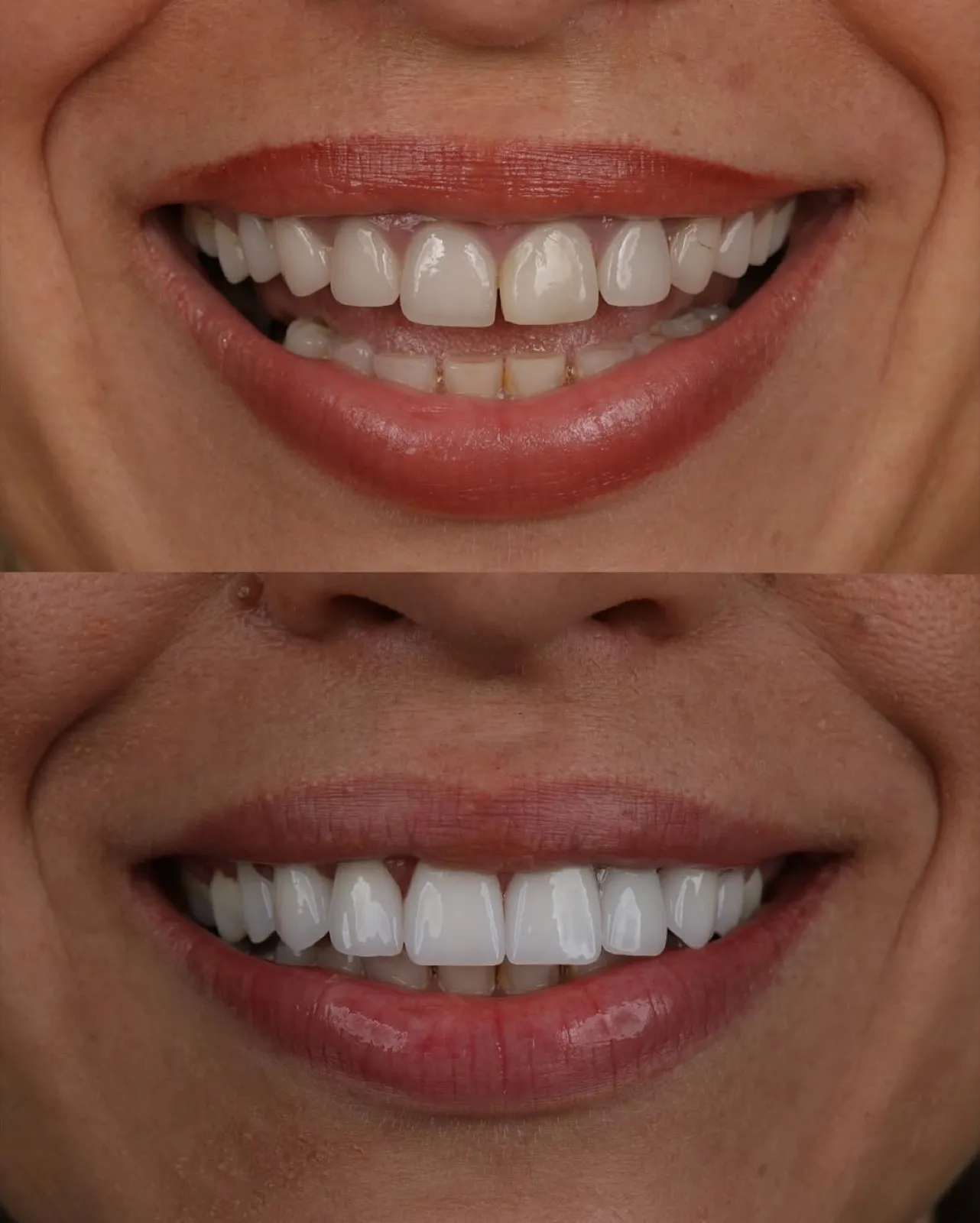
Dental Guide
Affordable Cosmetic Dentistry in Turkey
Cosmetic dentistry in Turkey from £150/tooth. Porcelain veneers, smile makeover & zirconia crowns at JCI-accredited Istanbul clinics. Get your quote in 24 hrs.
Plan the next step clearly
Use this page as a decision-support guide, then move into quote review, treatment comparison, and travel planning with coordinator support.
Decision Context
Patients compare this treatment inside the trip around it
Treatment pages perform better when they acknowledge arrival flow, destination trust, and the recovery rhythm patients are trying to visualise before booking.

The provider decision starts with arrival confidence
Patients compare treatment pages while also asking how first-day logistics, transfers, and scheduling will actually work.

The destination still influences medical trust
A treatment page is stronger when it recognises that the city itself remains part of the decision frame for international patients.
Recovery pacing changes how people evaluate options
Different procedures feel more or less realistic depending on how patients picture the slower hours between appointments.