Gastric Sleeve Surgery in Turkey: Procedure, Cost and Planning Guide
A NexWell guide for patients considering gastric sleeve surgery in Turkey, covering how the procedure works, candidacy criteria, what the surgery and recovery involve, realistic weight outcomes and what to verify before choosing a bariatric clinic.
- JCI-accredited hospitals
- TEMOS-accredited clinics
- Board-certified surgeons and a licensed clinical team
- 3,000+ international patients treated
- 5-star chain hotel accommodation
- VIP airport transfers
Written quote from a NexWell coordinator, usually within 24 hours.
Written quote from a NexWell coordinator, usually within 24 hours.
Quick answer
Gastric sleeve surgery in Turkey costs $5,000 all-inclusive of hospital stay, anaesthesia, dietician follow-up and medications (2026). The laparoscopic procedure itself takes 1.5–2.5 hours under general anaesthesia, with most patients discharged after 3–4 days of hospital monitoring.
What Gastric Sleeve Surgery Is and How It Works
Gastric sleeve surgery, medically termed laparoscopic sleeve gastrectomy, is a bariatric procedure that permanently reduces the stomach to approximately 20 to 25 percent of its original size by removing the larger outer curved portion. The remaining stomach forms a narrow tube or sleeve, which holds significantly less food and also reduces levels of ghrelin, the hormone most associated with hunger sensation.
The procedure is performed laparoscopically under general anaesthesia, typically requiring three to five small incisions. Operating time is usually one to two hours. The stomach is stapled along its vertical axis and the removed portion is extracted. No intestinal rerouting is involved, which distinguishes gastric sleeve from gastric bypass procedures.
The mechanism of weight loss operates through two channels: restriction of food volume and hormonal appetite reduction. Patients experience both reduced capacity and reduced hunger drive, which together support sustained dietary change in the months and years following surgery.
The procedure is performed laparoscopically under general anaesthesia, typically requiring three to five small incisions.
Who Is Usually a Candidate for Gastric Sleeve Surgery
Gastric sleeve is generally considered for patients with a body mass index above 35, and for those with a BMI above 30 where obesity-related health conditions such as type 2 diabetes, obstructive sleep apnoea, hypertension or joint disease are present and significantly impacting quality of life.
Pre-surgical requirements typically include a psychological evaluation, dietary assessment, a review of previous weight loss attempts and metabolic blood work. Some clinics in Turkey also require a pre-operative weight reduction period of two to four weeks to reduce liver size and lower anaesthetic risk.
Patients with certain conditions may not be suitable candidates: severe reflux disease, Barrett's oesophagus, certain metabolic disorders or a history of gastric surgery can complicate or contraindicate the sleeve approach.
Age is a secondary but relevant factor. Most bariatric teams operate on adults roughly between 18 and 65, with cases outside this range assessed individually based on overall health, bone density and anaesthetic risk rather than age alone.
Younger patients are usually asked to demonstrate that structured non-surgical attempts have already failed, while older patients undergo more detailed cardiac and anaesthetic screening before clearance.
The most important element of candidacy assessment is a genuinely thorough pre-operative evaluation, not a rapid approval process optimised for scheduling.
Gastric Sleeve vs Gastric Bypass vs Gastric Balloon: Choosing the Right Procedure
Gastric sleeve is one of several weight loss procedures available in Turkey, and understanding how it compares to gastric bypass and the gastric balloon helps clarify why a surgeon recommends one option over another.
Gastric sleeve (laparoscopic sleeve gastrectomy) permanently removes roughly 75 to 80 percent of the stomach. It is restrictive and hormonal in mechanism, involves no rerouting of the intestine, and typically costs $5,000 all-inclusive in Turkey, compared with $11,300 to $18,800 in the UK. It is irreversible.
Gastric bypass (Roux-en-Y) reroutes a small stomach pouch directly to the small intestine, combining restriction with reduced calorie and nutrient absorption. It generally produces slightly greater weight loss and stronger early remission of type 2 diabetes than sleeve surgery, but involves a longer operation, a more complex recovery and a higher long-term risk of nutritional deficiency requiring lifelong monitoring.
It typically costs $5,000 all-inclusive in Turkey (same package as sleeve), compared with $14,700 to $20,600 in the UK. Bypass is generally favoured over sleeve for patients with significant acid reflux, since sleeve surgery can worsen GERD in some patients.
Gastric balloon is a non-surgical, temporary option: a silicone balloon is placed endoscopically in the stomach for around six months to reduce food capacity, then removed.
It requires no incisions and no general anaesthesia in most cases, making it reversible and lower-risk, but it produces more modest weight loss than sleeve or bypass and results are more dependent on the patient maintaining new habits after removal. It typically costs $2,000 to $3,500 all-inclusive in Turkey, compared with $5,100 to $7,600 in the UK.
As a general pattern, the balloon suits patients with a lower BMI who want a reversible first step, sleeve suits the majority of patients with BMI 35 and above who want a permanent, moderate-complexity procedure, and bypass suits patients with a higher BMI, significant reflux, or poorly controlled type 2 diabetes who need the added metabolic effect.
The final recommendation should always come from a surgeon's individual assessment of BMI, comorbidities and prior weight loss history rather than the patient self-selecting a procedure.
What Is Actually Included in a Gastric Sleeve Package Price in Turkey
All-inclusive gastric sleeve pricing in Turkey normally covers a defined set of items, and understanding exactly what is bundled into the headline price is one of the most useful things a patient can verify before booking.
A typical all-inclusive package includes pre-operative tests (blood panel, ECG, chest X-ray and sleep apnoea screening), the laparoscopic surgery itself performed by a bariatric specialist, three nights in a private hospital room, anaesthesia by a specialist anaesthesiologist, dietician consultations before and after surgery, medications for the first month, compression stockings for DVT prevention, VIP airport-to-hospital-to-hotel transfers, and a year of remote dietician follow-up.
What is typically not included: international flights, extended hotel stays beyond the standard package length, a companion's travel and accommodation, cosmetic body-contouring procedures sometimes added later for excess skin, and any revision surgery required for a separate underlying complication. Patients travelling with a support person should confirm in writing whether the package price is per patient only.
Before paying a deposit, it is worth asking for a written, itemised breakdown rather than a single headline number. This makes it possible to compare quotes between clinics on a like-for-like basis and to identify hidden add-on fees for items such as extra nights, additional lab tests or a second surgeon opinion.
Patients still deciding between procedure types should also see the broader bariatric surgery in Turkey overview, which compares sleeve, bypass and balloon options side by side.
Treatment Plan
Ready for a written Gastric Sleeve Surgery in Turkey: Procedure, Cost and Planning Guide quote?
A NexWell coordinator reviews your case and replies with a personalised treatment plan and indicative pricing — usually within 24 hours.
Realistic Weight Loss Outcomes After Gastric Sleeve Surgery
Most patients lose 60 to 70 percent of their excess body weight within the first twelve to eighteen months after gastric sleeve surgery. The rate is fastest in the first three to six months and slows progressively as the body adapts.
Sustained weight loss beyond two years depends significantly on dietary habits, physical activity, psychological support engagement and follow-up compliance. Patients who receive structured post-operative nutritional and behavioural support consistently achieve better long-term results than those who treat surgery as a standalone intervention.
Weight regain is possible, particularly after years three to five, if portion control and dietary quality are not maintained. The sleeve does stretch modestly over time, and without learned eating behaviour changes, calorific intake can gradually increase back toward pre-surgical levels.
Managing expectations correctly before surgery is one of the most important functions of the pre-operative consultation. Patients who understand that surgery is a tool rather than a cure make far better use of the post-operative window the procedure creates.
What the Gastric Sleeve Surgery Stay Looks Like in Turkey
A typical gastric sleeve trip to Turkey runs four to six days. Day one is usually reserved for arrival and pre-operative blood work. Day two involves the hospital pre-op assessment, anaesthetic consultation and surgery. Most patients spend one night in hospital after surgery.
Days three and four involve hospital discharge, wound check and progressive fluid intake. Patients transition from clear fluids on day one post-surgery to a full fluid diet over the following days. A clinic review on day four or five confirms recovery progress before travel.
Flying is generally permitted from day five or six after uncomplicated surgery for short-haul flights, and clinics may advise longer intervals for long-haul travel due to deep vein thrombosis risk. Patients should follow their specific surgeon's guidance on flight readiness.
Post-operative diet progresses through fluid, pureed, soft and then regular food phases over approximately four to six weeks. Nutritional supplementation including vitamins and protein is required long-term to prevent deficiencies from reduced intake volume.
Long-Term Aftercare Requirements After Gastric Sleeve Surgery
Gastric sleeve surgery creates a physical tool for weight management. Long-term outcomes are determined by how well the patient uses that tool through sustained eating behaviour, nutritional supplementation, regular follow-up and engagement with psychological or peer support where available.
Nutritional supplementation is a lifelong requirement. Reduced stomach volume limits the amount of food consumed, which can lead to deficiencies in protein, iron, B12, vitamin D and folate if not actively managed. Patients should expect to take a daily bariatric multivitamin, protein supplement and any targeted supplements indicated by periodic blood work.
Follow-up blood tests are recommended at three months, six months, twelve months and then annually. Patients who travel internationally for surgery should establish a relationship with a domestic dietitian and GP who can manage monitoring and supplementation locally.
Mental health support is associated with better long-term outcomes in bariatric surgery populations. Patients who engage with counselling or structured follow-up during the first two years maintain weight loss more effectively than those who do not.
Surgeon Credentials to Verify Before Choosing a Gastric Sleeve Clinic
The surgeon's qualifications and case volume are among the strongest predictors of a safe gastric sleeve outcome, and they are verifiable before travel with a few direct questions.
Look for board certification in general surgery through Turkey's national medical authority, with a specific practice focus on bariatric and metabolic (obesity) surgery rather than general surgery performed occasionally. Many experienced bariatric surgeons in Turkey also hold laparoscopic or minimally invasive surgery fellowship training, which is directly relevant to sleeve gastrectomy technique.
Documented individual case volume matters more than a clinic's total patient count. A surgeon who has personally performed several hundred laparoscopic sleeve gastrectomies has materially different risk exposure than one performing their first few dozen cases, even within the same hospital. Ask specifically for the operating surgeon's own case volume, not the hospital's combined bariatric department total.
Hospital-level accreditation is a separate but related check. Hospitals accredited to recognised international standards (such as JCI) are independently audited for surgical safety protocols, infection control and intensive care backup, relevant for a procedure that, while generally safe, carries a small but real risk of staple-line leak requiring immediate surgical or endoscopic intervention.
Patients should feel able to ask for the surgeon's qualifications, professional registration and case volume in writing before committing, and a credible clinic should be able to provide this without hesitation.
How NexWell Reviews a Bariatric Surgery Proposal Before Recommending a Clinic
When NexWell evaluates a gastric sleeve clinic in Turkey, we assess whether the pre-operative evaluation process is genuinely thorough or optimised for approval speed, whether the surgical team has documented high-volume laparoscopic bariatric experience, whether hospital accreditation and post-operative monitoring meet acceptable standards, and whether aftercare coordination for international patients is realistic.
We also look at whether the clinic provides nutritional support, psychological assessment and structured post-operative follow-up plans or whether it treats surgery as the end of the service rather than the beginning of a long-term outcome process.
For patients who are genuine bariatric candidates, Turkey offers outstanding value and access to high-volume expertise. The planning conversation should be matched to that level of clinical responsibility.
Questions to Confirm Before Booking Gastric Sleeve Surgery in Turkey
Bariatric surgery is performed under general anaesthesia and carries real surgical risk, so get clear written answers on:
- What is the surgeon's documented individual case volume in laparoscopic sleeve gastrectomy?
- What hospital will the procedure take place in and what is its accreditation status?
- What pre-operative assessment is required before surgery is confirmed?
- How many nights of hospital stay are included post-surgery?
- What is the nutritional supplementation protocol and is it tailored or generic?
- What follow-up appointments are included and how are remote consultations handled?
- What is the protocol if a complication develops in the first two weeks after returning home?
- Does the clinic provide a patient coordinator and named clinical contact after discharge?
- What is the leak test protocol and does the clinic perform routine post-operative imaging?
Surgery of this complexity warrants the same level of planning discipline as any major surgical procedure.
Medically reviewed by Dr. Umut Rıza Gündüz, MD, General, Bariatric & Body-Contouring Surgery. Last reviewed March 2026
Gastric Sleeve Turkey Cost — 2026
Gastric Sleeve (standard)
Turkey
$5,000
USA
$15,000–$25,000
UK: $11,300–$18,800
Gastric Bypass (Roux-en-Y)
Turkey
$5,000
USA
$20,000–$35,000
UK: $14,700–$20,600
Mini Gastric Bypass
Turkey
$5,000
USA
$16,000–$28,000
UK: $10,800–$16,500
Gastric Band Removal
Turkey
$2,200–$3,500
USA
$8,000–$15,000
UK: $5,100–$8,900
All packages include pre-operative tests, laparoscopic surgery, 3 nights private hospital, dietician consultations, medications, and 1-year follow-up.
Contracted clinics
NexWell coordinates with TEMOS-accredited clinics or Ministry of Health–licensed facilities in Turkey.
Board-certified review
Content reviewed by Dr. Umut Rıza Gündüz — General Surgery (Türkiye).
No obligation
Get your Gastric Sleeve Surgery in Turkey: Procedure, Cost and Planning Guide plan
Send your case and a coordinator returns a written plan and an indicative quote — usually within a day.
Questions Patients Ask Before They Commit
Related reading
bariatric
Gastric Sleeve Surgery in Turkey
Sleeve gastrectomy is the world's most performed bariatric procedure. Turkey has become the global hub for weight loss surgery — performing thousands annually at a fraction of Western prices.

aesthetic-surgery
Liposuction in Turkey
Turkey has become one of the world's leading destinations for liposuction: board-certified plastic surgeons, internationally accredited hospitals, and all-inclusive packages that cost 60–70% less than the UK, US, or Germany.
aesthetic-surgery
Tummy Tuck in Turkey
A tummy tuck removes excess skin and fat from the abdomen while tightening the underlying muscles. Turkey offers the same surgical outcomes as Western Europe at 60–70% lower cost.
Plan the next step clearly
Use this page as a decision-support guide, then move into quote review, treatment comparison, and travel planning with coordinator support.
Decision Context
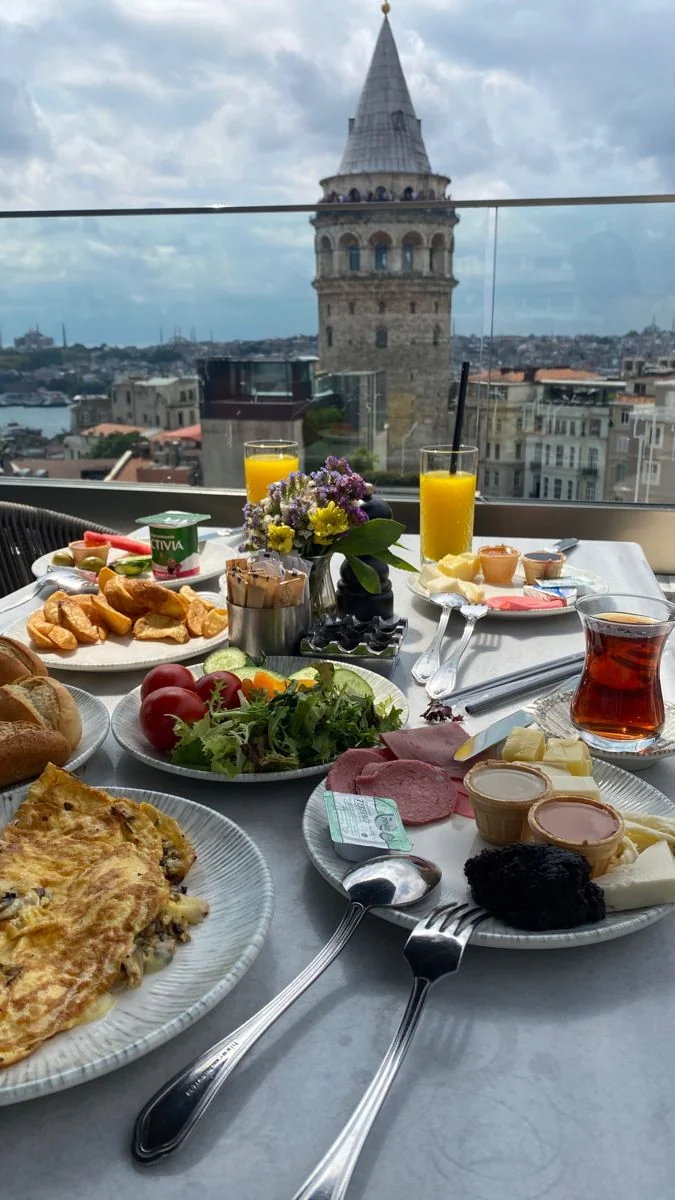
Patients compare this treatment inside the trip around it
Treatment pages perform better when they acknowledge arrival flow, destination trust, and the recovery rhythm patients are trying to visualise before booking.

The provider decision starts with arrival confidence
Patients compare treatment pages while also asking how first-day logistics, transfers, and scheduling will actually work.

The destination still influences medical trust
A treatment page is stronger when it recognises that the city itself remains part of the decision frame for international patients.
Recovery pacing changes how people evaluate options
Different procedures feel more or less realistic depending on how patients picture the slower hours between appointments.