Medically reviewed by Dt. Tunç Berge, MSc: Esthetic Dentistry & Implantology. Last reviewed March 2026
Dental Implants in Turkey: Single, Full Arch and Planning Guide
- TEMOS-accredited clinics
- JCI-accredited hospitals
- Board-certified surgeons and a licensed clinical team
- 3,000+ international patients treated
A NexWell decision guide for patients comparing dental implants in Turkey with clearer cost logic, implant-system choices, full-arch pathways and the difference between a quote and a defensible treatment plan.
Written quote from a NexWell coordinator, usually within 24 hours.
Quick answer
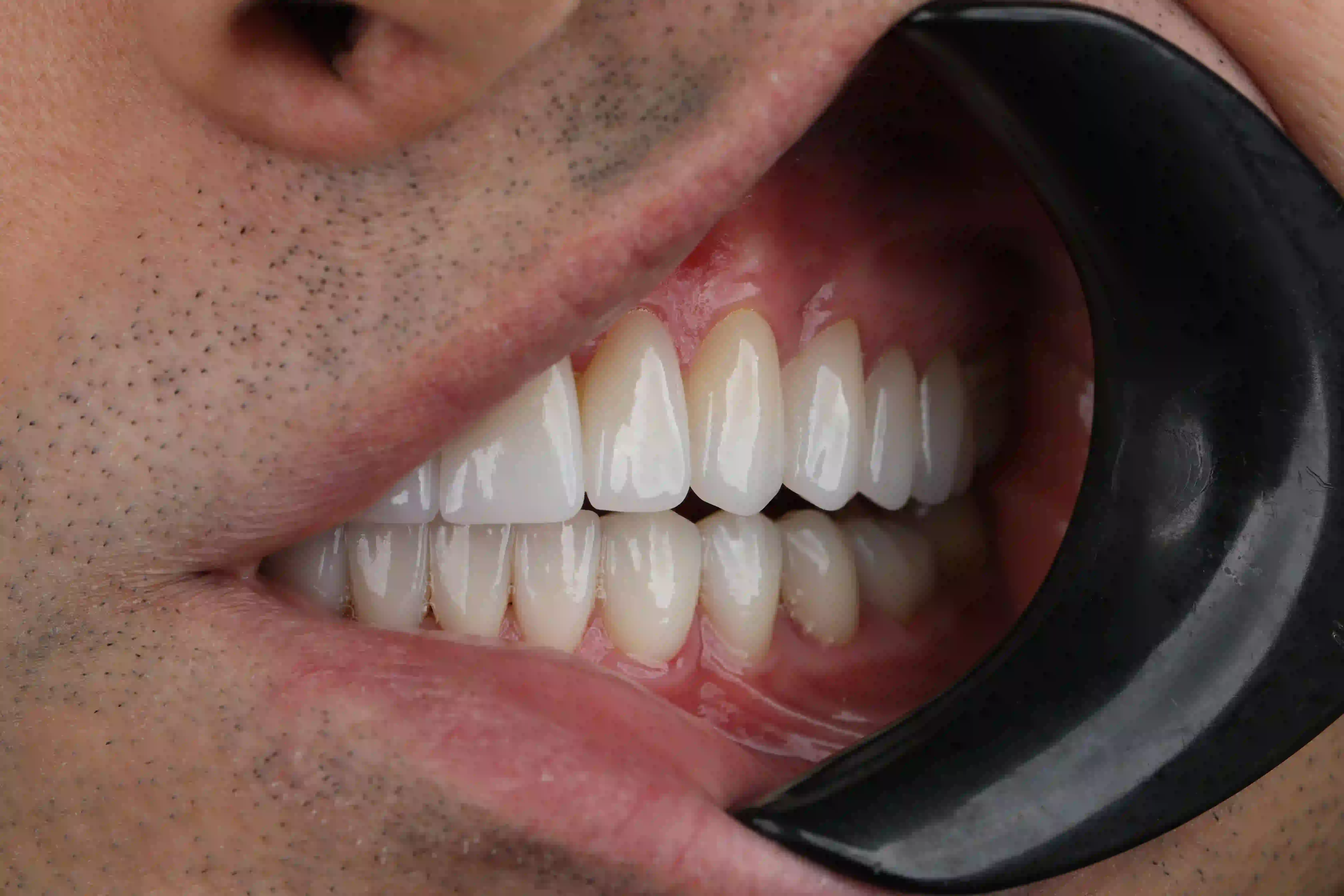
A single dental implant in Turkey costs $400–$1,480 including the implant, abutment and crown, up to 90% less than the UK's $2,550–$4,450 (2026). Three-implant cases run $1,200–$4,440 and full-arch treatment $5,700–$11,750 per jaw. The right price depends on implant brand and whether crown, diagnostics and grafting are already included.
Dental Implant Pricing Only Makes Sense After the Treatment Route Is Clear
Patients searching for dental implants in Turkey usually start with a unit price, but the implant itself is only one part of the decision.
The real cost depends on whether the case needs a single implant and crown, several implants with bridge work, or a full-arch protocol such as All-on-4 or All-on-6. Bone density, bone grafting needs, restorative material and immediate-loading expectations change the quote more than the implant label alone.
Implant planning is fundamentally a treatment-route decision, made before any price gets compared. Patients get better outcomes when they compare how the case will be staged, restored and followed up, not only what the first number on the quote says.
The real cost depends on whether the case needs a single implant and crown, several implants with bridge work, or a full-arch protocol such as All-on-4 or All-on-6.
Single Implants, Multi-Unit Cases and Full-Arch Rehabilitation Are Different Workflows
| Feature | Typical scope | Quote effect |
|---|---|---|
| Single implant and crown | One missing tooth replaced with implant, [abutment](/dental-implant-abutment-explained) and crown | Entry-level pricing but still depends on bone, crown material and site position |
| Multiple implants or bridge support | Several implants used to restore gaps across one arch | Costs rise with case planning, bridge design and surgical complexity |
| Full-arch implant rehabilitation | All-on-4, All-on-6 or similar protocols for most or all missing teeth | Quote changes materially because surgery, temporaries and prosthetic design all widen in scope |
Patients should be careful when clinics flatten these routes into one implant package. A fair comparison starts with the right clinical category, see the full breakdown of types of dental implants before comparing quotes.
Implant Brands Matter, but the Restorative Workflow Usually Matters More
Straumann, Nobel Biocare and Osstem are all credible implant systems when used in the right case. The more decisive question is whether the clinic can show how diagnostics, implant positioning, provisional teeth, final restoration and follow-up fit together.
A strong implant result is created by the whole workflow: CBCT planning, surgical execution, prosthetic design, bite control and what happens if something needs refinement after the patient returns home.
Cross-Market Implant Pricing Works Best When Scope Is Held Constant
| Procedure | Turkey | UK | USA | Saving |
|---|---|---|---|---|
| Single implant with crown | $400-$1,480 | $2,550-$4,450 | $3,000-$5,000 | Often up to 90% lower in Turkey |
| Three-implant restorative case | $1,200-$4,440 | $7,600-$13,350 | $9,000-$15,000 | Often up to 90% lower in Turkey |
| Full-arch implant case | $5,700-$11,750 | $12,700-$27,950 | $15,000-$35,000 | Often up to 80% lower in Turkey |
These ranges are directional. The valid comparison depends on whether grafting, temporaries, final bridge material, sedation and follow-up obligations are actually included in the same scope.
What Usually Changes an Implant Quote in Turkey
The main cost drivers are usually:
- whether the case is single-unit, multi-unit or full-arch
- whether grafting, sinus lift or extraction work is needed
- whether immediate provisional teeth are planned
- whether the final restoration is monolithic zirconia, layered zirconia or another bridge design
- whether the clinic is quoting surgery only or the full restorative sequence
- whether aftercare, adjustment and remake obligations are defined clearly for international patients
This is why a very low implant quote can still be incomplete. The patient needs the treatment map, not only the headline price.
How NexWell Reviews an Implant Plan Before Recommending a Next Step
When NexWell reviews an implant proposal, we focus on:
This kind of review outweighs brand marketing as a decision tool, because it tests whether the workflow itself holds together clinically and financially from consultation to final restoration.
- 1case category identified correctly before any plan is quoted
- 2whether implant brand, restorative material and loading plan are explicit
- 3whether the plan draws a clear line between what belongs to the current trip and what belongs to a later phase
- 4bone, bite and hygiene context checked before quoting
- 5whether follow-up responsibilities are realistic after the patient travels home
Treatment Plan
Ready for a written Dental Implants in Turkey: Single, Full Arch and Planning Guide quote?
A NexWell coordinator reviews your case and replies with a personalised treatment plan and indicative pricing — usually within 24 hours.
What the Dental Implant Process Looks Like From Consultation to Fitted Crown
For international patients, a dental implant case in Turkey typically unfolds across two separate visits. The first visit covers a CBCT scan and treatment planning consultation, extraction of failing teeth if required, implant placement surgery and, where immediate loading is planned, a provisional restoration fitted on the same day.
The osseointegration period between visits is typically three to six months, depending on bone density, implant position, grafting involvement and loading approach. Single-tooth cases with good bone can sometimes use immediate loading protocols that compress timing, but full-arch cases more commonly rely on a waiting phase before definitive prosthetics.
The second visit focuses on the restorative stage: abutment placement, crown or bridge fitting, bite adjustment and final polishing. Patients who cannot return for the second stage within a predictable window should discuss remote monitoring options and deferred restorative scheduling before the first visit begins.
The best clinics can plan around international travel constraints from the first consultation rather than only after surgery.
How Long Dental Implants Last and What Aftercare Supports That
Dental implants placed in Turkey with appropriate case planning can last twenty years or more when maintained correctly. The factors that most influence long-term survival are consistent oral hygiene around the implant site, regular clinical check-ups, absence of smoking during and after healing and proper management of bite load.
Patients who grind or clench their teeth should discuss parafunctional load before treatment starts. Night guards, occlusal adjustment and bridge design decisions are all part of a well-planned implant case. Prosthetic components such as retaining screws, abutment connections and bridge materials can wear before the implant itself fails, so periodic restorative review matters too.
For international patients, the practical aftercare question is how the clinic handles remote check-ins, when a return visit is necessary and what qualifies as a complication requiring in-person review versus a concern manageable via photos and remote messaging. Good aftercare systems exist for patients who have planned them in advance.
Mistakes That Often Lead to Worse Implant Outcomes When Comparing Clinics in Turkey
The most common mistake patients make is treating price as the primary filter when comparing dental implant options in Turkey. A lower entry price that hides missing scope can become more expensive once grafting, temporaries or bridge material are added back in at the treatment stage.
A second common error is accepting a quote without clarifying what stage it covers. Some quotes describe surgery only; others include the full restorative sequence. Without that clarification, the comparison is technically meaningless.
A third error is confusing implant brand recognition with case quality. A globally known implant brand placed without proper diagnostics, wrong angulation or an underdeveloped restorative plan does not produce a reliably better result than a well-placed regional system in the correct clinical context.
Patients who verify implant system, restorative scope, provisional approach, aftercare logistics and return-visit obligations before travelling almost always navigate the process with fewer surprises than those who book on headline numbers alone.
Questions Worth Getting in Writing Before Booking a Dental Implant Clinic in Turkey
Most implant cases split across a first surgical visit and a second visit for the final restoration, before booking, get the exact staging in writing:
- What implant system is being used and does it have local service support?
- Is crown material included in the current quote or priced separately?
- Are bone grafting, sinus lift or extraction fees inside or outside the quoted figure?
- Is loading immediate or staged and why does the plan choose one approach over the other?
- How are provisional teeth handled between surgical and restorative stages?
- How many clinic days are needed and how are they spread across a visit?
- What is the protocol if the implant or crown needs adjustment after the patient returns home?
- Who is the named clinician responsible for the case at each stage?
A staging plan confirmed in writing protects the patient more than any review count or marketing claim can. The goal is to arrive with a plan, not discover one on arrival.
How NexWell Reviews a Dental Implant Proposal Before a Patient Books
NexWell reviews dental implant proposals from Turkish clinics by assessing whether the treatment route has been correctly categorised for the patient's specific case, whether diagnostic imaging supports the recommended approach and whether the cost estimate is coherent enough to be relied on for budgeting and planning.
For patients with complex presentations, multiple missing teeth, prior failed implants, bone loss, active gum disease or systemic health considerations such as diabetes or anticoagulant therapy, we check whether the clinic's assessment process was thorough enough to surface those factors before quoting.
Cases where the first step is a scan and a detailed conversation are usually more reliable than those where a price is offered from photos alone.
We also examine whether the aftercare model is realistic for an international patient. This means checking whether the clinic defines standards for remote check-ins, what constitutes a remotely manageable issue versus a return-visit requirement and whether the patient would be able to access local implant support at home with the clinical records the Turkish clinic provides.
Patients who choose a clinic after this kind of structured review enter treatment with fewer surprises and a clearer understanding of their obligations from first surgery to final restoration.
How Much Do Dental Implants Cost in Turkey?
A single dental implant in Turkey typically costs $400–$1,480, including the implant, abutment and crown, compared with $2,550–$4,450 in the UK and $3,000–$5,000 in the USA, a saving of up to 90% for a comparable implant system. Multi-unit cases run roughly $1,200–$4,440 for three implants, and full-arch protocols such as All-on-4 or All-on-6 start from $5,700–$11,750 per arch.
Within the single-implant range, price depends mainly on implant brand, crown material and whether bone grafting is required before placement. Ask for a written breakdown that separates diagnostics, the implant fixture and the final crown before comparing clinics.
Are Dental Implants Painful?
Implant placement is carried out under local anaesthesia, so most patients feel pressure rather than pain during the procedure itself. The first two to four days afterwards typically bring mild swelling and tenderness at the site, managed with standard prescribed pain relief; most single-implant patients return to normal activity within a few days.
Discomfort is usually greater for multi-implant or full-arch cases than for a single tooth, since more sites are surgically prepared in one session. Whether grafting was needed and individual pain tolerance also affect recovery. Your implantologist will set expectations for your specific case before treatment begins.
How Long Do Dental Implants Last?
Dental implants placed with appropriate case planning can last twenty years or more, and in many cases the titanium fixture itself lasts a lifetime once fully integrated with the bone. The crown or bridge attached to it is a separate, replaceable component, porcelain and zirconia crowns typically last ten to fifteen years before a remake is considered.
Longevity depends most on consistent oral hygiene, regular clinical check-ups, not smoking during and after healing, and managing bite load if you grind or clench. Ask your clinic in writing what warranty terms apply to your specific implant brand and crown material, since coverage varies by provider.
Am I a Candidate for Dental Implants?
Most adults with sufficient jawbone volume and no uncontrolled systemic disease are candidates for dental implants, including patients who have been told elsewhere that they lack enough bone, grafting or an alternative implant strategy often changes that answer.
Good candidates typically are in general good health with no uncontrolled diabetes, have no active gum disease (or are willing to treat it first), and are non-smokers or willing to pause smoking around surgery.
Heavy smokers, patients on bone-affecting medications such as bisphosphonates, and those with uncontrolled chronic conditions may need additional assessment or a modified treatment plan. A review of your X-rays or CT scan by a NexWell-affiliated implantologist will confirm candidacy before you book travel.
How Long Does the Dental Implant Procedure Take?
A single implant placement typically takes thirty minutes to an hour under local anaesthesia; multi-unit or full-arch cases take longer, from two to four hours. Most single or multi-implant patients budget four to six days in Istanbul for the first visit: consultation, CT scan, surgery and a post-operative check before flying home.
The final crown or bridge is usually fitted three to six months later, once the implant has fully integrated with the bone. This second visit is typically shorter, at two to four days, though some single-tooth cases with good bone density can use immediate-loading protocols that compress the timeline.
Are Dental Implants in Turkey Safe?
Dental implants carry the same general surgical risks anywhere in the world, infection, implant failure or nerve involvement are possible, though uncommon when performed by an experienced implantologist using an internationally certified implant system. Choosing an accredited clinic with documented implant case volume meaningfully reduces this risk.
NexWell Clinics only uses CE- or FDA-approved implant systems such as Nobel Biocare, Straumann and Osstem. The same standard should hold wherever the surgery happens: request the surgeon's qualifications, case volume and complication protocol in writing before committing to any clinic.
Vetted partner network
NexWell coordinates with TEMOS-accredited clinics or Ministry of Health–licensed facilities in Turkey.
Board-certified review
Content reviewed by Dt. Tunç Berge — Turkish Dental Association (TDB).
5.0★ from real patients (5 reviews)
“I was told by two dentists at home that I didn't have enough bone. They did the graft and implants in one trip. Six months later I came back for the final crowns. Incredible team.” — Mark T., Dublin, Ireland
No obligation
Get your Dental Implants in Turkey: Single, Full Arch and Planning Guide plan
Send your case and a coordinator returns a written plan and an indicative quote — usually within a day.
Questions Patients Ask Before They Commit
Related reading
dental
All-on-4 Dental Implants in Turkey
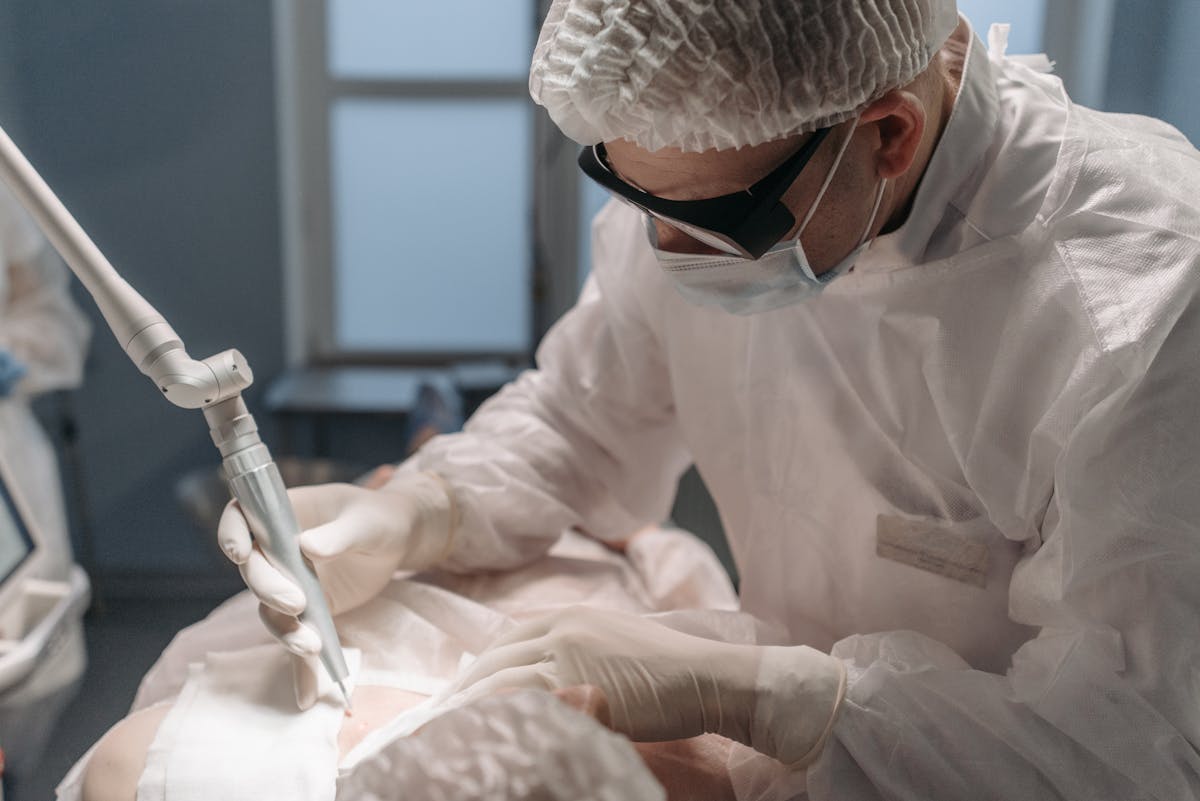
Complete full-arch restoration anchored by just four strategically placed implants: often delivered as same-day teeth. Save up to 90% compared to UK and US prices, without compromising on quality or safety.
dental
Dental Implants Cost in Turkey: 2026 Price Guide
A transparent breakdown of dental implant prices in Turkey compared to UK and US costs. All NexWell prices are all-inclusive: implant, abutment, crown, CT scan, anaesthesia, and aftercare.
dental-treatments
Full Mouth Dental Implants Turkey: Planning, Cost Logic and Case Selection
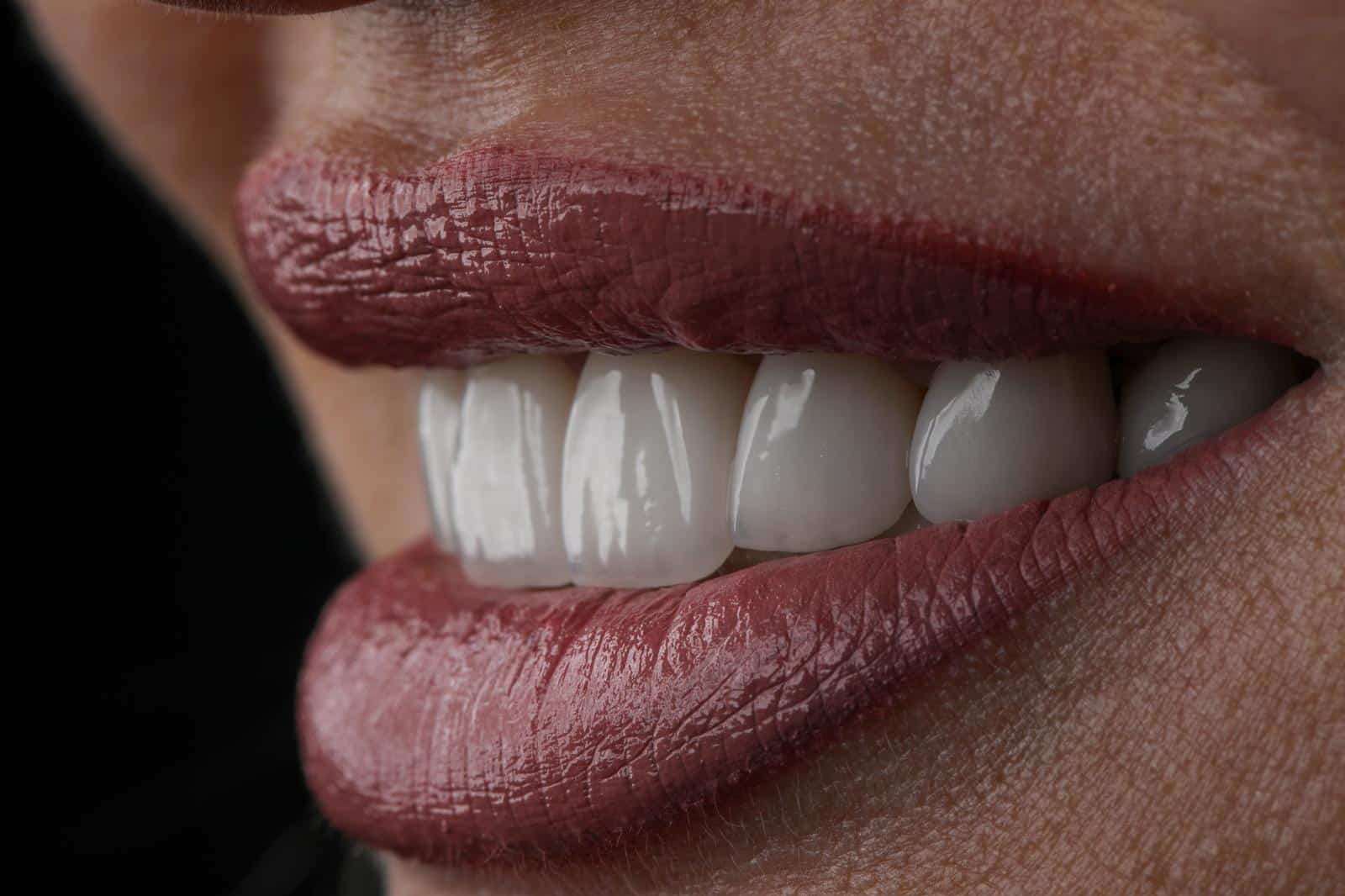
A buyer-focused guide to full mouth dental implants in Turkey, including who qualifies, what changes the budget, and how to compare All-on-4, All-on-6, and staged rehabilitation.
dental-treatments
How to Choose the Best Dental Clinic in Turkey Without Guesswork
A practical checklist for choosing a dental clinic in Turkey, focused on lab quality, planning discipline, revision policy, and who actually handles your case.
Plan the next step clearly
Use this page as a decision-support guide, then move into quote review, treatment comparison, and travel planning with coordinator support.
Decision Context
Patients compare this treatment inside the trip around it
Treatment pages perform better when they acknowledge arrival flow, destination trust, and the recovery rhythm patients are trying to visualise before booking.

The provider decision starts with arrival confidence
Patients compare treatment pages while also asking how first-day logistics, transfers, and scheduling will actually work.

The destination still influences medical trust
A treatment page is stronger when it recognises that the city itself remains part of the decision frame for international patients.
Recovery pacing changes how people evaluate options
Different procedures feel more or less realistic depending on how patients picture the slower hours between appointments.