
Medically reviewed by Dt. Taner Bektaş, DDS — Prosthodontics — Last reviewed June 2026
Zirconia Crowns in Turkey: Advantages, Procedure, and Cost Overview
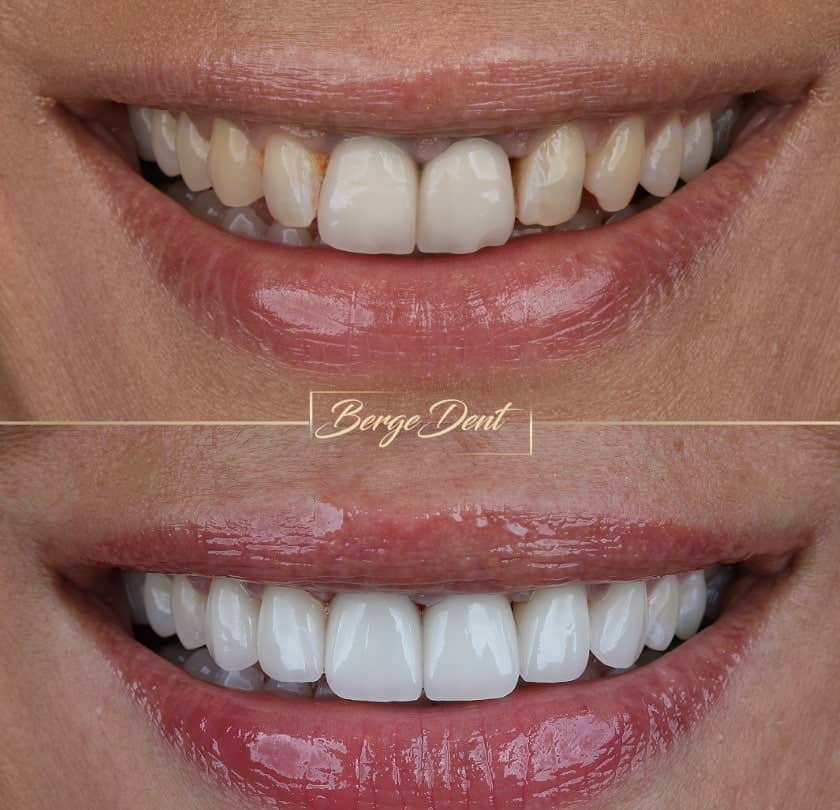
Zirconia crowns are high-strength dental restorations made from zirconium dioxide, a ceramic material known for its durability and biocompatibility.
Quick answer
Zirconia crowns are high-strength dental restorations made from zirconium dioxide, a ceramic material known for its durability and biocompatibility.
What Are Zirconia Crowns?
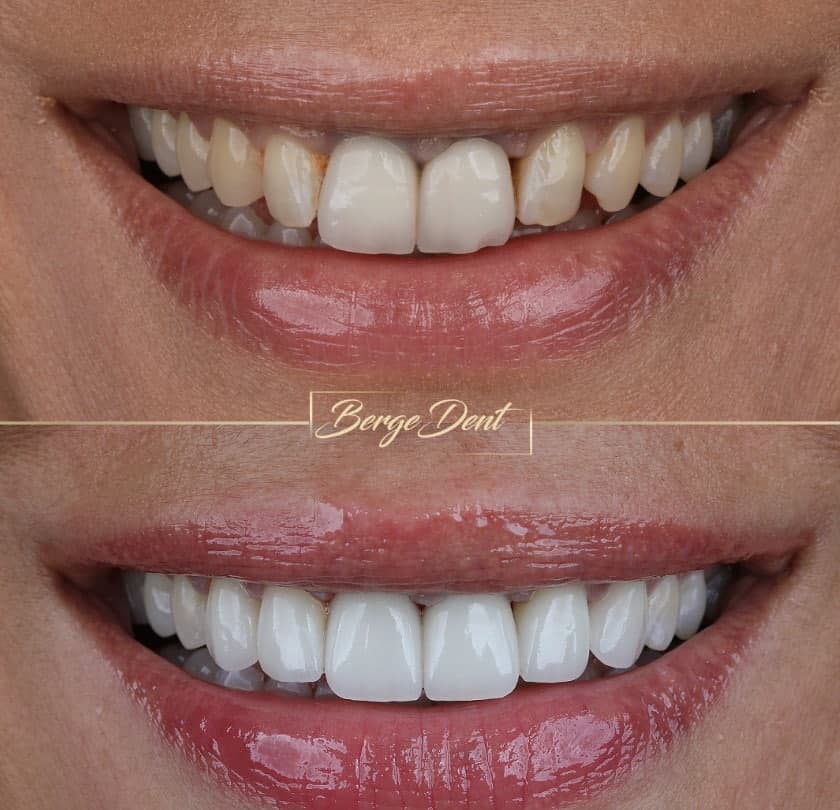
Zirconia crowns are high-strength dental restorations made from zirconium dioxide, a ceramic material known for its durability and biocompatibility. These crowns are widely used in cosmetic dentistry due to their natural appearance, resistance to fracture, and ability to blend seamlessly with existing teeth.
Unlike metal-based crowns, zirconia is free from alloys, making it ideal for patients with metal sensitivities or allergies.
Why Are Zirconia Crowns Popular in Turkey?
Turkey has become a global hub for zirconia crown treatments due to several compelling reasons:
- Cost efficiency : Patients typically save up to 70% compared to prices in the U.S., UK, or Western Europe.
- High clinical standards : Turkish dental clinics offer internationally accredited care using advanced CAD/CAM systems.
- Experienced professionals : Dentists specializing in aesthetic and restorative dentistry often have training from both Turkish and European institutions.
- Short treatment duration : Thanks to in-house laboratories, zirconia crowns can often be fabricated and placed within 5–7 days.
Advantages of Zirconia Crowns
Zirconia is especially suitable for both anterior (front) and posterior (back) restorations, including full-mouth reconstructions.
Treatment Process in Turkish Clinics
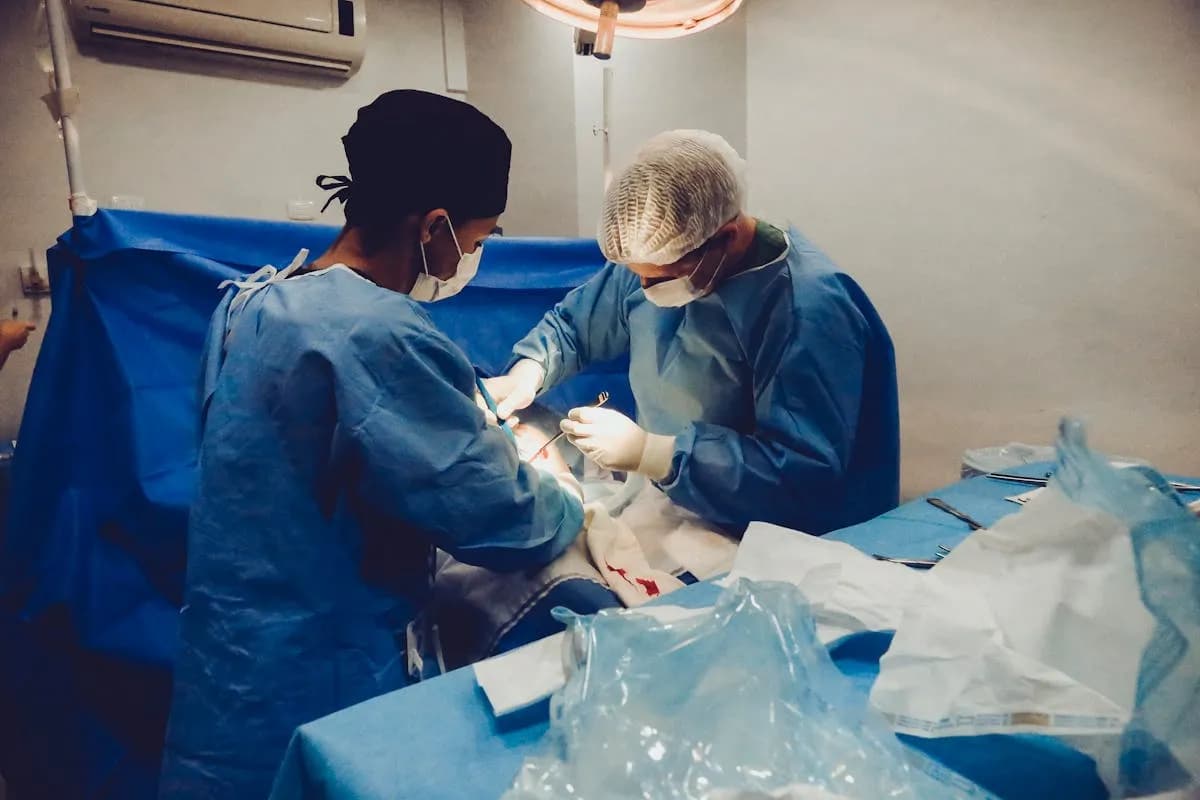
- Consultation & Planning - Panoramic X-rays and 3D scans are taken.
- Digital smile design may be performed.
- The treatment plan is customized to suit both functional and cosmetic needs.
- Tooth Preparation - A small layer of enamel is removed to accommodate the crown.
- Temporary crowns are placed for comfort and aesthetics.
- Digital Impression & Milling - Intraoral scanning captures the tooth’s structure.
- The zirconia crown is designed and milled in a computer-controlled lab.
- Cementation - After verifying the fit, bite, and color, the crown is permanently bonded.
- Adjustments are made to ensure comfort and functionality.
Entire process usually takes 5 to 7 days , making it ideal for medical tourists.
Cost of Zirconia Crowns in Turkey (2025 Estimates)
Prices in Turkey often include consultation, 3D scans, crown fabrication, placement, temporary crowns, and aftercare instructions. Additionally, many clinics provide all-inclusive packages with hotel stays and VIP transfers.
Who Is a Good Candidate for Zirconia Crowns?
Zirconia crowns are ideal for:
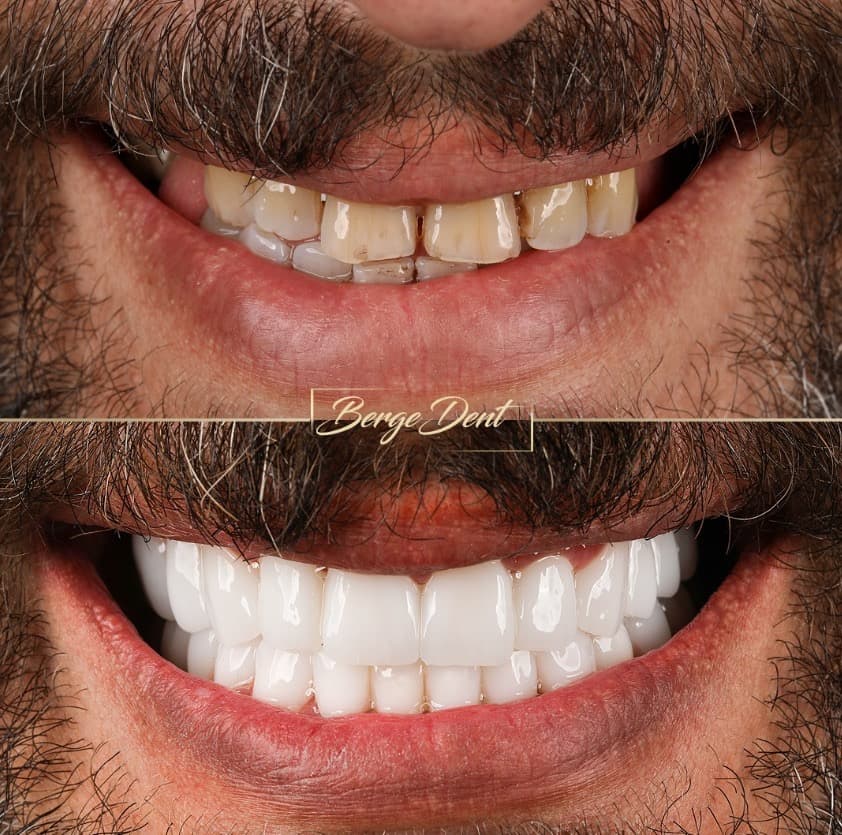
- Patients with broken, worn-down, or discolored teeth
- Individuals replacing old metal crowns
- Patients undergoing smile makeovers or full-mouth restorations
- People with bruxism (teeth grinding), due to zirconia’s high fracture resistance
However, a thorough clinical assessment is required to determine suitability, especially in cases with gum disease or significant bone loss.
Aftercare and Maintenance
To prolong the life of zirconia crowns:
- Practice excellent oral hygiene (brushing twice daily and flossing)
- Visit your dentist regularly for professional cleaning and evaluation
- Avoid biting on extremely hard substances (e.g., ice, pen caps)
- Wear a night guard if you grind your teeth during sleep
When properly maintained, zirconia crowns can provide decades of aesthetic and functional success.
Full Mouth Dental Implants in Turkey — From €8,600 Per Arch
CAD/CAM Fabrication: How Your Zirconia Crowns Are Made in Istanbul
Modern zirconia crowns in Istanbul are designed and fabricated using digital CAD/CAM workflows. Your dentist takes a digital impression of your prepared tooth using an intraoral scanner — no physical putty impressions required. The scanned data is sent to the in-house or partner dental laboratory where a technician designs the crown digitally, matching the shade, contour and bite relationships of adjacent teeth.
The design is milled from a pre-fabricated zirconia disc using a five-axis CNC milling machine, followed by sintering in a high-temperature furnace that gives zirconia its final structural strength of approximately one thousand two hundred megapascals — roughly six times stronger than porcelain.
Most Istanbul digital labs turn around single zirconia crowns within four to six hours, enabling same-day or next-day delivery that fits the international patient treatment schedule without requiring an extended stay in Turkey.
Anterior vs Posterior Zirconia Crowns: Different Requirements for Different Teeth
Zirconia's application differs between front and back teeth. For posterior teeth — premolars and molars — monolithic zirconia (solid, high-strength zirconia without a porcelain layer) is the preferred material because these teeth bear the highest bite forces during chewing. Monolithic zirconia's uniform density means no outer porcelain layer to chip or fracture, making it highly durable in high-load positions.
For anterior teeth — incisors and canines — visible under direct light in speech and smiling, the challenge is matching the natural translucency and light-scattering properties of natural enamel.
Layered zirconia, which combines a high-strength zirconia substructure with a hand-applied porcelain overlay, or ultra-translucent zirconia formulations provide the aesthetic quality needed in visible positions. Ask your Istanbul dentist specifically which zirconia type they are using for each tooth location — and why — before treatment begins.
Zirconia Crowns Over Dental Implants: Special Considerations
When a zirconia crown is placed over a dental implant rather than a natural tooth, the crown-to-implant connection introduces additional engineering considerations. The abutment — the connector between implant fixture and crown — can be made from titanium, zirconia or a hybrid material.
Zirconia abutments are preferred in the aesthetic zone because titanium can cast a grey shadow through the gum tissue over time, particularly in patients with thin gingival biotype. A one-piece ceramic abutment-crown combination (all-ceramic single unit) eliminates the metal-gum interface entirely.
Your Istanbul implantologist and prosthodontist should review the gingival tissue thickness before selecting the abutment material. For posterior implant crowns in non-aesthetic zones, titanium abutments with zirconia crowns offer an excellent strength-to-cost combination that is used routinely at leading Istanbul centres.
Full-Mouth Zirconia Restoration: Fixed or Implant-Supported?
When zirconia crowns are planned for all or most teeth — either on natural tooth preparations or implant fixtures — the treatment is described as full-mouth rehabilitation. This is one of the most complex clinical disciplines in dentistry, requiring a specialist prosthodontist to plan the occlusion (bite), vertical dimension of the face, gum architecture and crown proportions across all twenty teeth simultaneously.
In Turkey, full-mouth zirconia rehabilitation over natural teeth typically costs twelve thousand to eighteen thousand euros all-inclusive versus fifty thousand to eighty thousand euros in the UK or Germany. When supported by dental implants, the case complexity increases further, requiring a coordinated team of an oral surgeon for implant placement and a prosthodontist for restoration design.
NexWell coordinates multi-specialist cases as a managed programme rather than a series of disconnected referrals — all team members are briefed from the same digital treatment plan.
How NexWell Selects Zirconia Crown Clinics in Istanbul
NexWell's dental network includes clinics with in-house CAD/CAM milling capability, ISO-certified laboratories and specialist prosthodontists with documented zirconia crown caseloads of more than two hundred cases per year. Case managers review before-and-after photo portfolios for zirconia work specifically — not just general dental photographs — before approving clinics for patient referrals.
Your fixed package price covers digital impressions, laboratory fabrication, crown abutment and bonding with no incremental fees on arrival. Patients receive a manufacturer certificate specifying the zirconia brand and disc batch number used in their crowns, which provides full traceability for any future adjustment, replacement or management by a dentist in their home country.
NexWell's zirconia patients receive a standardised shade and specification record suitable for sharing with their home dentist at any future appointment.
Zirconia Crown Fitting and Bite Adjustment: What Happens at Bonding
When your new zirconia crowns are ready for delivery, the fitting appointment involves several critical steps before permanent cementation. The crowns are first seated without adhesive so you can assess appearance under natural and clinical lighting, check the contour against adjacent teeth and evaluate your bite.
Your dentist marks premature bite contacts using thin articulation paper between the crowns and opposing teeth, then adjusts the crown surface using a diamond bur until the bite is evenly distributed. This occlusal adjustment process can take fifteen to thirty minutes for complex cases — patients should not feel rushed during this phase.
Once the bite is confirmed correct, the crown surface is prepared for bonding, dried, and cement is applied. After bonding, the cement margins are trimmed and polished. The fitting appointment should end with you confirming you notice no premature contact when biting naturally.
Reporting persistent bite heaviness on a new crown within the first week allows simple adjustment; reporting it after months often requires re-cementation.
Zirconia Crown Costs in Turkey for 2026: Budget Planning Guide
Single zirconia crowns in Istanbul cost one hundred and fifty to three hundred euros per unit at quality accredited dental clinics — compared to five hundred to eight hundred pounds per unit in the UK or six hundred to one thousand euros in Germany.
The price difference reflects laboratory economics and overhead rather than material quality differences, as leading Istanbul labs use the same certified zirconia disc brands used in European laboratories.
For full-mouth rehabilitation — replacing all upper and lower teeth with zirconia crowns — Turkish packages range from eight thousand to sixteen thousand euros compared to thirty thousand to sixty thousand euros in Western Europe.
When evaluating Turkish dental quotes, confirm the per-unit price includes: digital impression or physical impression, laboratory fabrication, all fitting appointments and minor post-bonding adjustments within thirty days. NexWell provides itemised fixed quotes with no incremental fees on arrival.
Get a Free Zirconia Crown Quote from Istanbul
NexWell coordinates zirconia crown treatment at Istanbul dental clinics with in-house CAD/CAM milling, ISO-certified laboratories and specialist prosthodontists. Share your current dental situation and treatment goals with our dental case manager and receive a fixed all-inclusive quote covering all appointments, laboratory fabrication and bonding — no incremental fees on arrival.
Crown specification documentation is provided at treatment completion for full traceability with any dentist in your home country. Free consultation with no obligation.
Free · No obligation
Get your free treatment plan
Send your case and a coordinator returns a written plan and an indicative quote — usually within a day.
Related reading
dental
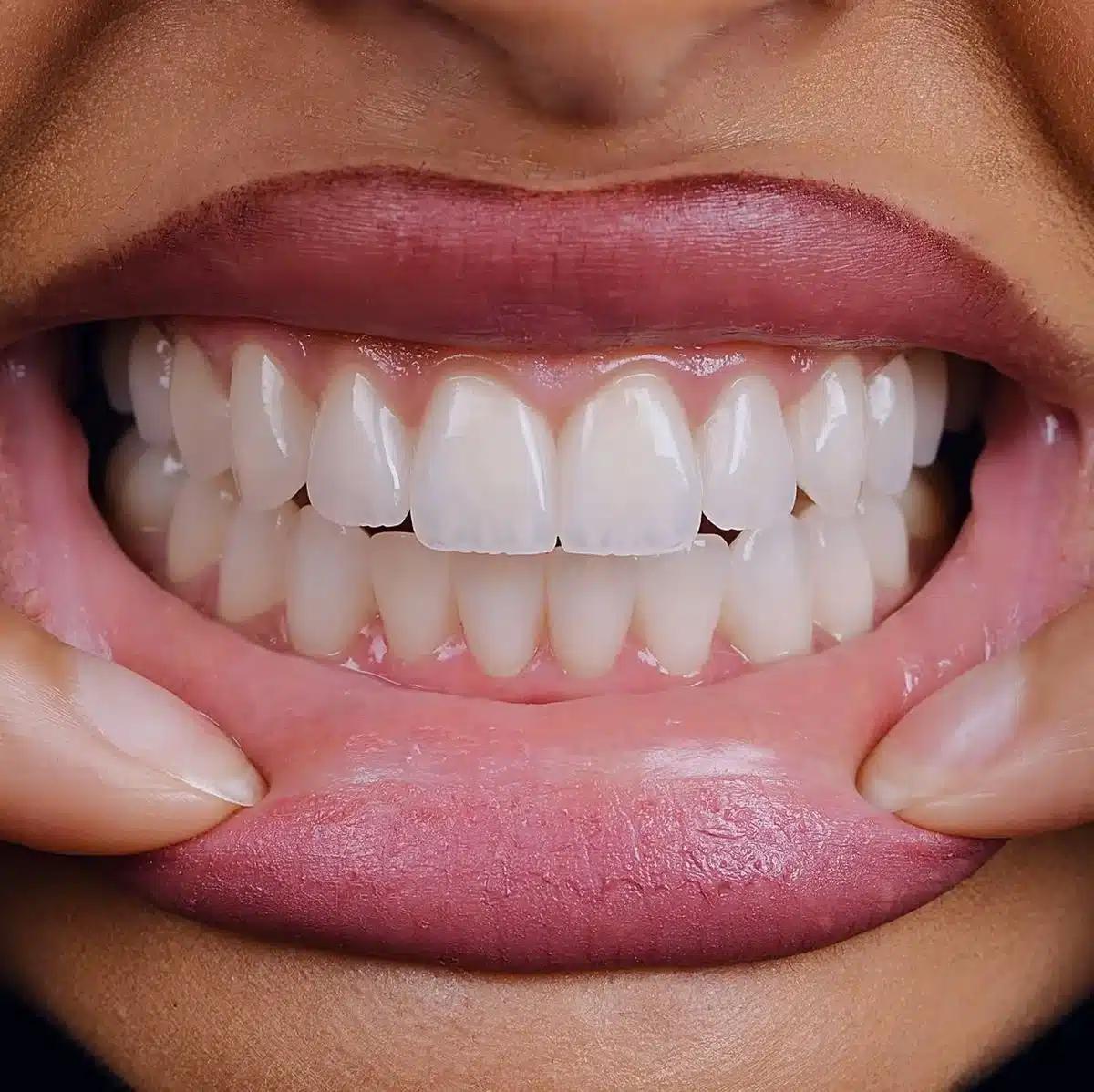
Laminate Veneers in Turkey
Ultra-thin porcelain veneers (as little as 0.2 mm) that require minimal tooth preparation. Preserve more natural enamel while achieving a stunning cosmetic result.
dental
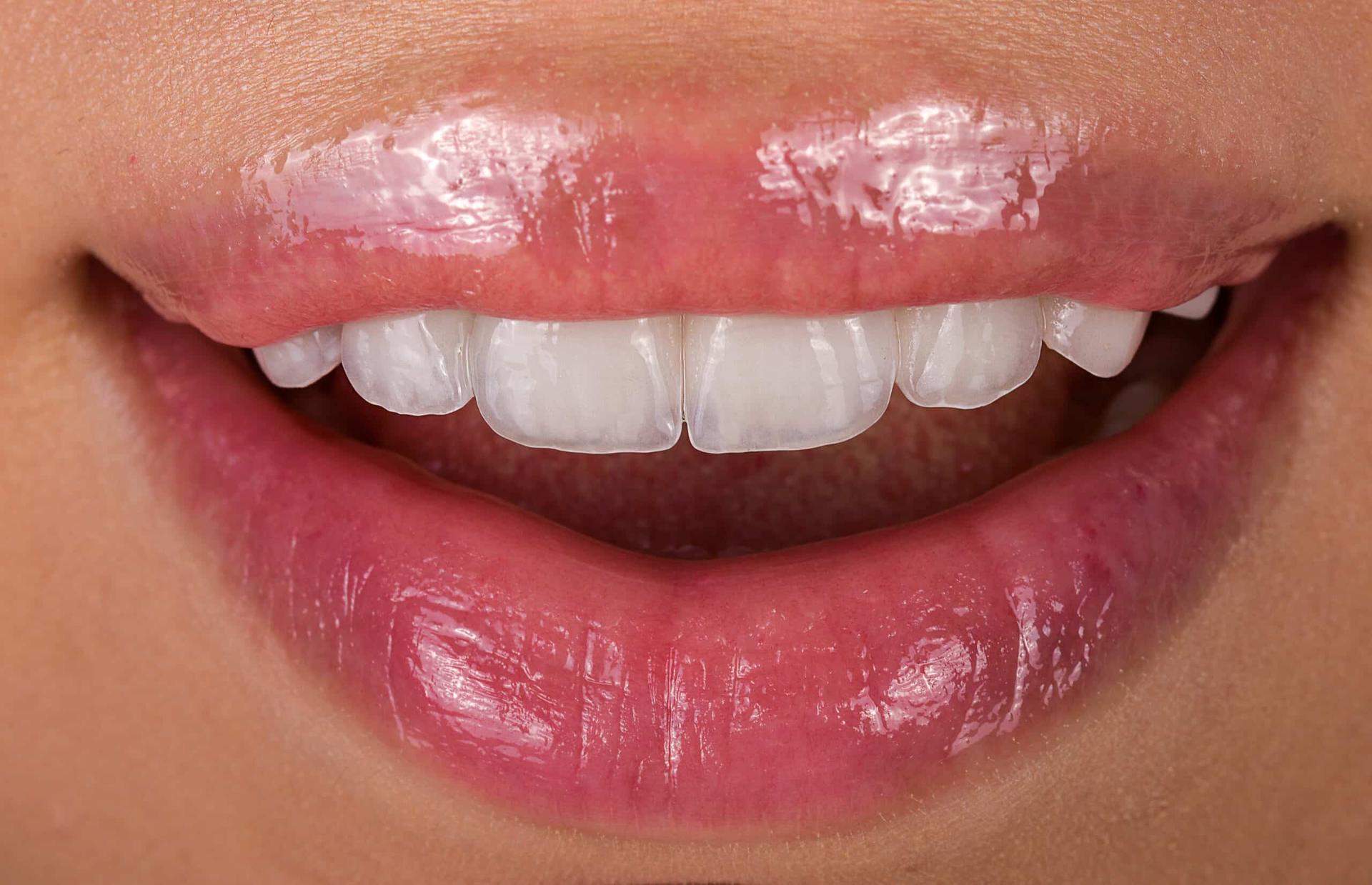
Dental Treatments in Turkey
From a single implant to a full smile makeover — NexWell partner clinics in Istanbul cover every dental procedure at international standards, up to 90% below UK and USA prices.
dental-treatments
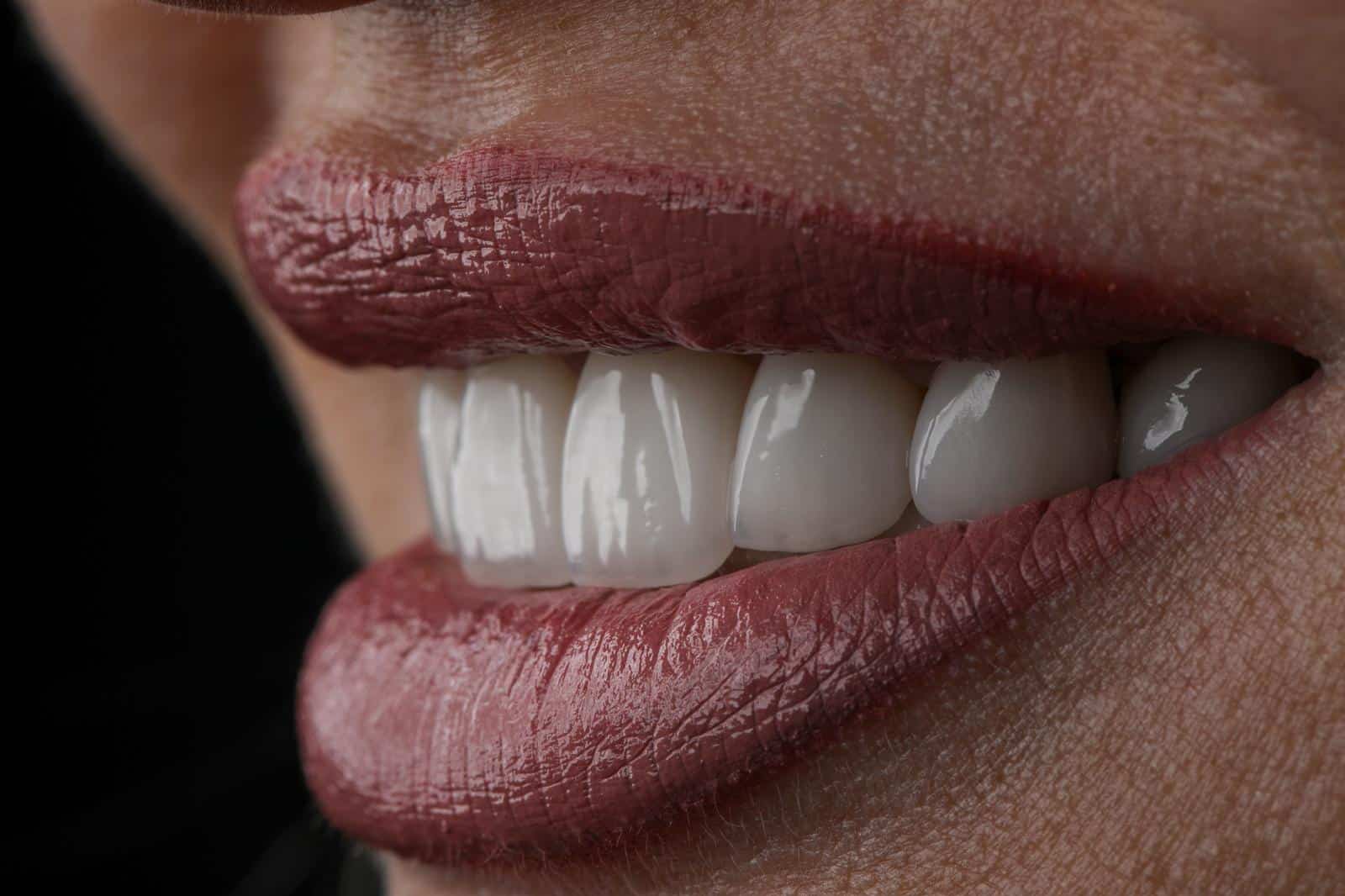
Full Mouth Dental Implants Turkey: Planning, Cost Logic and Case Selection
A buyer-focused guide to full mouth dental implants in Turkey, including who qualifies, what changes the budget, and how to compare All-on-4, All-on-6, and staged rehabilitation.
Dental Guide
Zirconia Crowns in Turkey: Advantages, Procedure, and Cost Overview
Discover why zirconia crowns are popular in Turkey — learn about material advantages, lab craftsmanship, cost savings, and what to expect during treatment.
plastic-surgery
Rhinoplasty Turkey Cost 2026: Open, Closed & Revision Prices
A buyer-focused cost guide for rhinoplasty in Turkey, covering open, closed and revision pricing with package evaluation criteria.

medical-tourism
International Patient Treatment Process: From Inquiry to Follow-Up
A full-process guide showing how international treatment journeys should work from first inquiry to quote, travel, treatment, recovery, and aftercare.
Plan the next step clearly
Use this page as a decision-support guide, then move into quote review, treatment comparison, and travel planning with coordinator support.