
Affordable Cosmetic Dentistry in Turkey
In recent years, Turkey has rapidly emerged as a leading global destination for cosmetic dental treatments.
Quick answer
In recent years, Turkey has rapidly emerged as a leading global destination for cosmetic dental treatments.
Why International Patients Choose Turkey for Cosmetic Dentistry?
In recent years, Turkey has rapidly emerged as a leading global destination for cosmetic dental treatments. International patients, particularly from the United Kingdom, Germany, Canada, the United States, and Australia, are increasingly turning to Turkish clinics for services such as zirconia crowns and laminate veneers.
The driving forces behind this trend are multifaceted:
- Affordable yet high-quality care : Treatments in Turkey cost a fraction of what they do in Western countries, without compromising on the quality of materials or clinical expertise.
- Advanced technology : Digital impressions, CAD/CAM systems, and in-clinic dental labs ensure fast, precise results.
- Well-trained professionals : Turkish cosmetic dentists often have international education or training and specialize in aesthetic transformations.
- All-inclusive packages : Patients benefit from services that include hotel accommodation, airport transfers, multilingual support, and even sightseeing opportunities.
Zirconia Crowns in Turkey : An Overview
Zirconia crowns are among the most requested cosmetic dental restorations in Turkey. Made from zirconium dioxide—a durable, biocompatible ceramic—they offer both aesthetic beauty and structural strength.
- Natural appearance : Mimics the translucency of natural teeth.
- Exceptional strength : Suitable for both anterior and posterior restorations.
- Biocompatibility : Gentle on the gums and unlikely to cause allergic reactions.
- Stain resistance : Unlike resin or metal-fused options, zirconia does not easily discolor.
- Initial Consultation : Includes a digital smile analysis and X-rays.
- Tooth Preparation : Minimal enamel removal for fitting the crowns.
- Digital Impressions : Taken using intraoral scanners for high precision.
- Temporary Crowns : Provided while permanent crowns are fabricated.
- Final Placement : Crowns are cemented and adjusted for bite.
The average timeline for zirconia crown placement in Turkey is 5–7 days .
Porcelain vs Zirconia Crowns : Key Differences
While both porcelain and zirconia crowns are widely used, there are notable differences:
E-max Crowns vs Zirconia Crowns
E-max crowns, made from lithium disilicate ceramic, are another alternative often offered by Turkish clinics.
- E-max : Best for highly visible front teeth due to superior translucency.
- Zirconia : Stronger and better suited for molars and bridges.
- Longevity : Zirconia typically lasts longer under high occlusal pressure.
- Price Range in Turkey : E-max crowns usually range between $250–$400 per tooth.
Laminate Veneers in Turkey: The Smile Secret
Laminate veneers are ultra-thin shells custom-designed to fit over the front surface of teeth. In Turkey, this procedure is carried out with meticulous precision to ensure minimal invasiveness and maximum aesthetic appeal.
- Patients with discolored, chipped, or worn-down teeth.
- Those looking to close gaps or improve symmetry.
- Individuals with mild misalignment who want a quick cosmetic solution.
- Smile Analysis : Photographs, videos, and 3D scanning.
- Tooth Prep : Enamel is slightly etched or reshaped.
- Impression : Digital molds taken and sent to lab.
- Temporary Veneers : Applied if needed.
- Final Placement : Veneers bonded using resin cement.
Most patients can complete veneer treatment in 4–6 days .
Cost of Veneers in Turkey (2025 Guide)
The affordability of dental veneers is a major reason why international patients flock to Turkey. Prices can vary depending on the material used, the reputation of the clinic, and the complexity of the case.
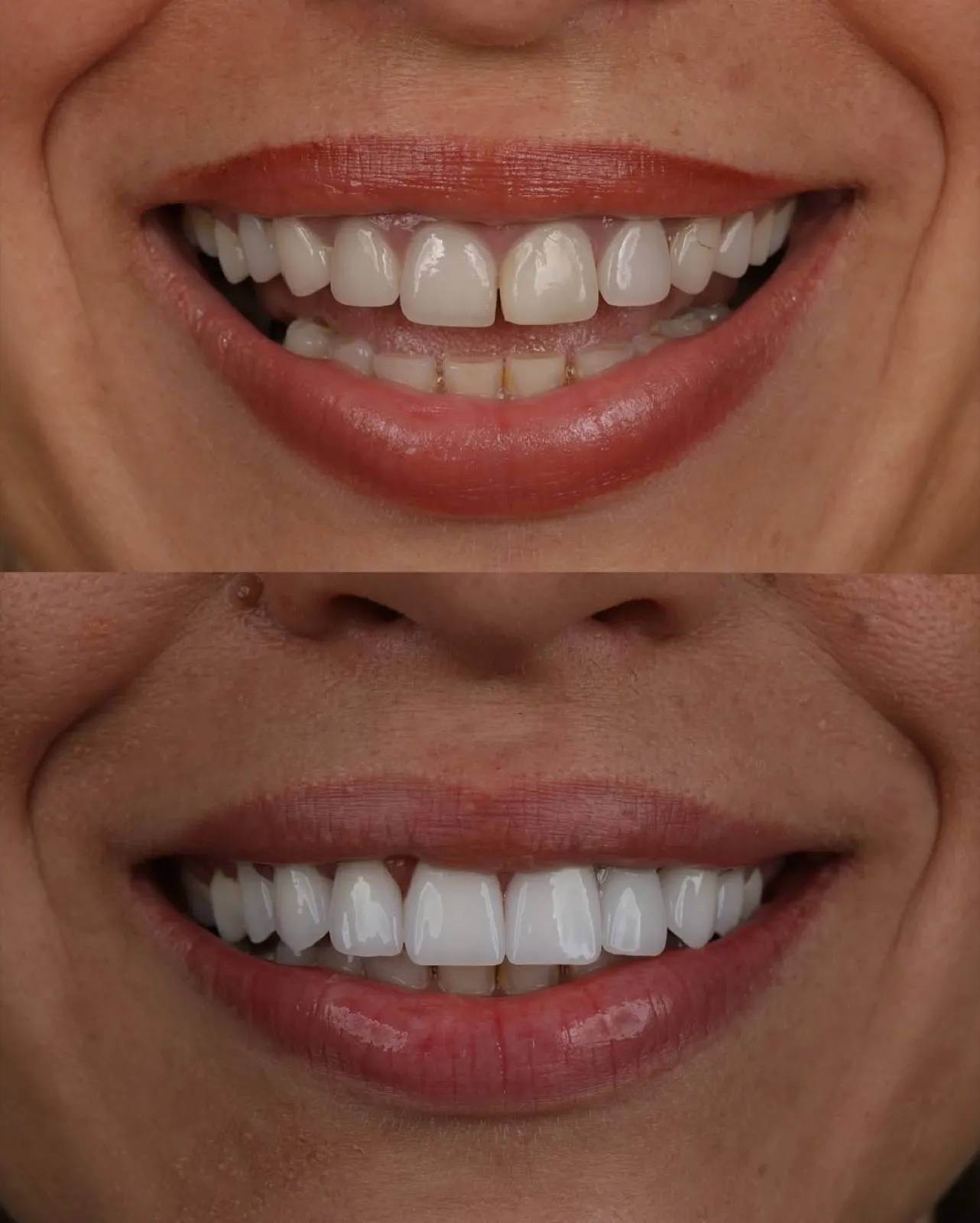
Veneers Before and After: Real Patient Transformations
Turkish clinics often showcase high-quality before-and-after images on their websites and social media platforms. These transformations usually reflect improvements in:
- Color and brightness of the smile
- Tooth symmetry and alignment
- Closing of gaps and repair of chipped teeth
In many cosmetic dentistry cases, patients describe the results as "life-changing," enhancing both self-esteem and professional appearance.
Laminate Veneers vs Composite Bonding: Which to Choose?
Patients seeking long-term and natural-looking results typically opt for laminate veneers, whereas those with limited budgets or minor cosmetic issues may prefer composite bonding.
Zirconia Crown Smile Makeover: What to Expect Cosmetic Dentistry in Turkey?
When full-mouth zirconia crowns are used in a smile makeover, patients can expect the following:
- Comprehensive Evaluation : X-rays, bite analysis, and aesthetic planning
- Digital Smile Design (DSD) : Simulations presented before treatment
- Preparatory Work : Temporary crowns to evaluate function and aesthetics
- Final Fit & Finish : Personalized contouring, polish, and bite adjustments
This is ideal for patients with extensive wear, old restorations, or discolored teeth.
Maintaining Zirconia Crowns and Veneers: Aftercare Tips for Long-Lasting Results
Achieving a stunning smile through zirconia crowns or laminate veneers is only the first step. Ensuring their long-term durability and appearance requires proper care and maintenance.
- Oral Hygiene : Brush twice daily with a soft-bristle toothbrush and use non-abrasive toothpaste.
- Flossing : Essential to prevent gum inflammation around restorations.
- Night Guard : Advised for patients who grind their teeth (bruxism) to prevent chipping.
- Avoid Hard Foods : Biting down on ice, pens, or hard candy can cause fractures.
- Regular Checkups : Follow-up visits every 6–12 months help maintain the integrity of dental work.
Well-maintained restorations can last more than 15 years , with minimal need for adjustment or replacement.
Why Cosmetic Dentistry in Turkey Appeals to International Patients
Besides the cost factor, there are deeper systemic reasons why Turkey excels in cosmetic dentistry:
- Comprehensive treatment planning : Clinics follow a holistic smile analysis model, considering facial symmetry, skin tone, and lip lines.
- One-location convenience : Many clinics combine diagnostics, planning, lab work, and final treatment under one roof.
- Rapid turnaround : Crowns and veneers are often completed in under one week.
- Multilingual support : Clinics cater to English, German, Arabic, and French-speaking patients.
These elements create a seamless and professional experience that rivals, and often surpasses, standards in North America or Western Europe.
Smile Makeover in Turkey: Combining Veneers, Crowns, and Whitening
For those looking to completely transform their appearance, full smile makeovers are popular and comprehensive solutions. They often include:
- Zirconia or E-max crowns for shape and strength
- Laminate veneers for aesthetic enhancement
- Teeth whitening using laser or LED systems for overall brightness
Each treatment is personalized based on the patient’s dental health, expectations, and facial features, and often includes a digital smile preview using CAD/CAM technology.
Do Veneers Hurt? Understanding the Comfort Level of Cosmetic Dentistry
Patients often express concern about discomfort during veneer procedures. In most Turkish clinics:
- Local anesthesia is used to numb the area during enamel preparation.
- Minimal invasiveness keeps post-operative pain to a minimum.
- Sensitivity might occur temporarily due to enamel reduction, but subsides within a few days.
- Post-treatment discomfort is usually mild and can be managed with over-the-counter pain relievers.
In essence, the procedure is generally considered painless and well-tolerated by the majority of patients.
Zirconia Crowns vs Veneers: Choosing the Right Solution
Patients are often unsure whether to opt for veneers or full crowns. The decision depends on several clinical factors:
A skilled cosmetic dentist will guide the patient based on a full evaluation.
How Long Do Veneers Last? Understanding Longevity
With proper care, laminate veneers can last 10–15 years, while zirconia crowns can surpass 20 years. Factors that impact lifespan include:
- Oral hygiene discipline
- Use of night guards
- Dietary habits
- Routine dental visits
Smoking and poor hygiene are the most common reasons for early failure of cosmetic restorations.
Are Veneers Safe? Understanding Quality and Clinical Standards of Cosmetic Dentistry in Turkey
Turkish clinics generally maintain high clinical standards that align with or exceed European norms. However, patients should still exercise due diligence:
- Check for clinic licensing and accreditation
- Read verified reviews and before/after portfolios
- Inquire about material origin (e.g., Ivoclar, 3M, Vita brands)
- Understand guarantees and warranty policies
Reputable clinics typically provide 5-year or even lifetime guarantees on cosmetic dental work.
Cosmetic Dentistry Packages in Turkey: What's Included?
Patients are often drawn by comprehensive cosmetic packages that go beyond dental care. These often include:
- Initial online consultation
- 3D scans, X-rays, and treatment planning
- Hotel accommodation (4 or 5-star)
- Airport transfers
- Translation and concierge services
- Post-treatment checkup or retouch visit
Prices for full smile makeover packages can range from $3,500 to $8,000 , depending on the extent of work and materials used.
Final Thoughts
Cosmetic dentistry in Turkey—particularly zirconia crowns and laminate veneers—offers an exceptional blend of artistry, technology, and affordability. For international patients seeking a balance between budget, quality, and lasting results, Turkish dental clinics stand out as a global benchmark.
Free · No obligation
Get your free treatment plan
Send your case and a coordinator returns a written plan and an indicative quote — usually within a day.
Related reading
Treatment Guide
Peri-Implant Care & Maintenance: Keeping Your Implants Healthy for Life
Long-term implant care: daily home cleaning, professional recall schedules, peri-mucositis vs peri-implantitis, and the warning signs to report early.
Treatment Guide
What to Eat After Dental Implant Surgery: A Recovery Diet Guide
A practical recovery-diet guide: the first 48 hours, soft-food stages, foods to avoid, nutrition for healing, and special notes for full-arch patients.
Treatment Guide
Dental Implant Surgery Step by Step: What Really Happens at Every Visit
A calm walkthrough of the implant journey, from consultation and CBCT scan to healing and the final crown, plus how the two-trip dental-tourism timeline works.
Treatment Guide
How Long Do Dental Implants Last? A Realistic Look at Longevity
Implant fixture vs crown lifespan, the published survival evidence, the factors that decide your result, and what a 'lifetime' warranty really covers.
plastic-surgery
Rhinoplasty Turkey Cost 2026: Open, Closed & Revision Prices
A buyer-focused cost guide for rhinoplasty in Turkey, covering open, closed and revision pricing with package evaluation criteria.
medical-tourism
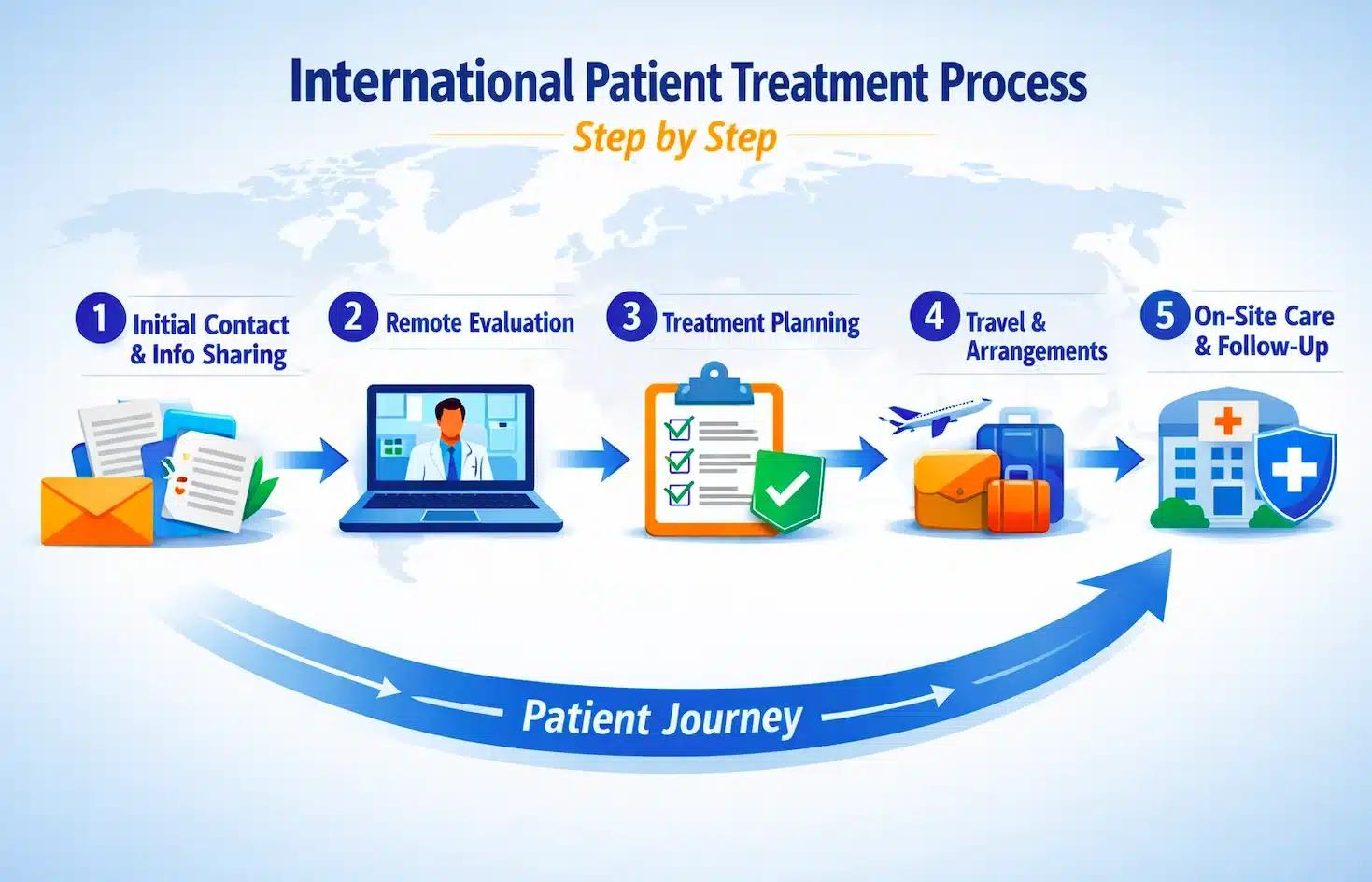
International Patient Treatment Process: From Inquiry to Follow-Up
A full-process guide showing how international treatment journeys should work from first inquiry to quote, travel, treatment, recovery, and aftercare.
Plan the next step clearly
Use this page as a decision-support guide, then move into quote review, treatment comparison, and travel planning with coordinator support.