NexWell iconNexWell
Treatment GuideNexWell editorial guideReviewed by NexWell Editorial TeamUpdated 2026-03-28

E.max vs Zirconia Crowns: Which Material Makes More Sense?

A NexWell comparison guide for patients deciding between E.max and zirconia crowns with a clearer view of translucency, strength, prep logic, bruxism risk and how clinics should match the material to the case.

E.max versus zirconia crown comparison guide

E.max and Zirconia Solve Different Priorities Even When Both Are Premium Materials

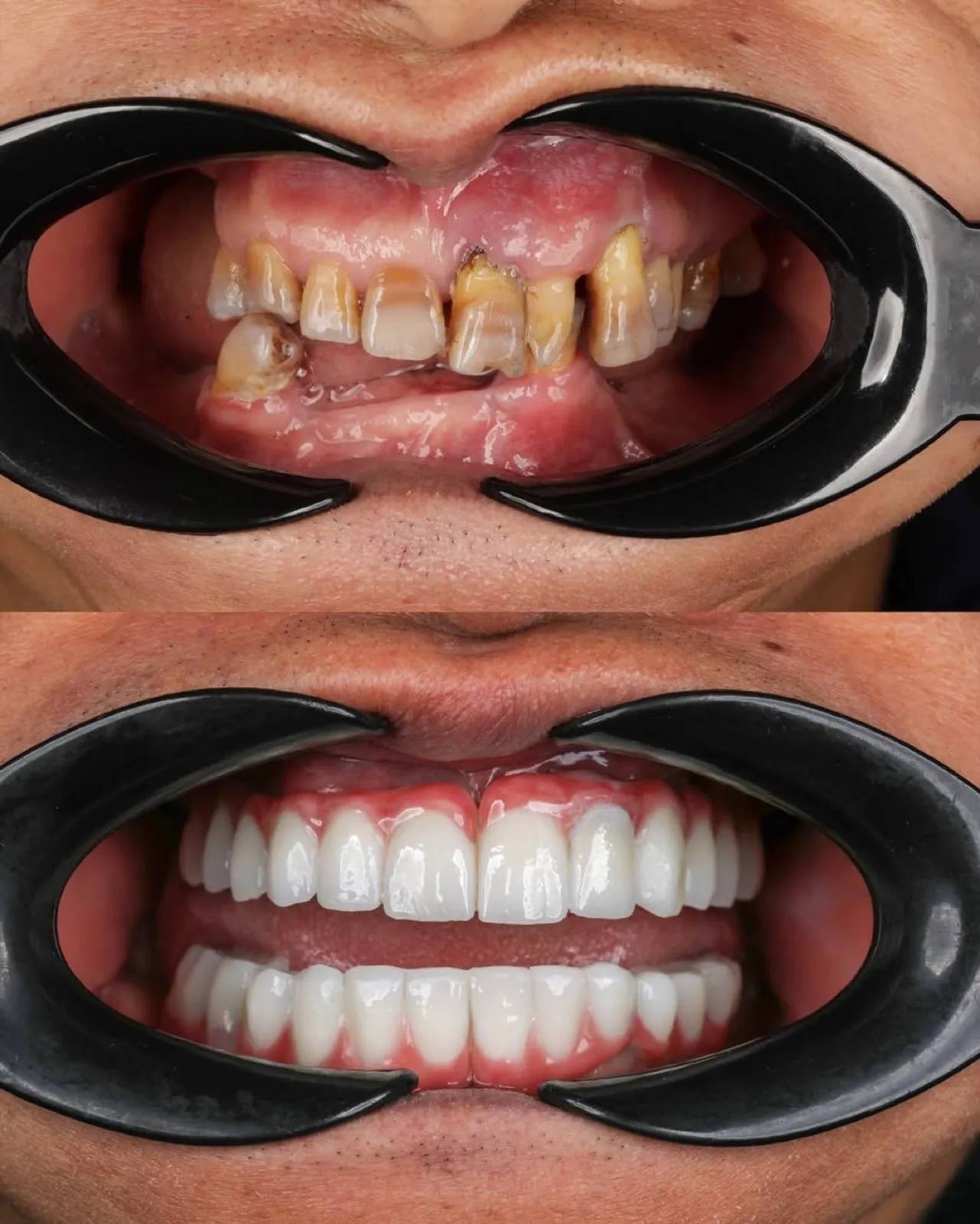
Patients often compare E.max and zirconia as if one is simply better than the other. In practice, each material performs best under different clinical and aesthetic conditions. E.max is often chosen for higher translucency and a more enamel-like front-tooth look, while zirconia is often chosen for strength, structural coverage and broader restorative use.

That is why NexWell treats this decision as a material-matching question, not a beauty contest. The correct answer depends on where the crown sits, how much bite force the patient carries and what level of natural aesthetics the case needs.

The Most Important Difference Is Usually Aesthetics Versus Structural Tolerance

FeatureE.maxZirconia
AppearanceHigher translucency and enamel-like light behaviorMore opaque historically, though newer versions are more aesthetic
Strength profileStrong for many anterior and selected single-unit casesUsually preferred where bite force and structural demand are higher
Typical indicationFront teeth, smile-zone work and cases prioritising natural appearancePosterior teeth, bruxism-prone patients and broader restorative coverage

Patients should expect the clinic to explain this trade-off clearly rather than recommending one material as the answer for every case.

E.max Usually Makes More Sense When Natural Front-Tooth Aesthetics Lead the Decision

E.max often works well in visible anterior cases where translucency, light transmission and conservative aesthetic design matter most. It can be an especially strong choice when the patient wants a natural look and the tooth is not under extreme structural demand.

That does not mean E.max is automatically the right answer for every cosmetic case. The clinic still needs to explain bite load, prep design and whether the restoration is single-unit or part of a larger reconstruction.

Zirconia Usually Makes More Sense When Strength and Coverage Matter More

Zirconia often becomes the safer choice when the patient has heavy bite forces, bruxism, posterior restorations or a multi-unit plan that needs broader structural tolerance. In those cases, the gain in strength and durability can matter more than the slight aesthetic advantages of E.max.

The decision should still be case-led. Stronger does not automatically mean better if the tooth position and visual goal call for a more enamel-like result.

Material Choice Should Not Be Reduced to Price Alone

ProcedureTurkeyUKUSA
Decision noteE.max crown per tooth$250-$400EUR500-EUR1,100
$1,000-$2,500Often worth the premium in visible smile-zone workZirconia crown per tooth$200-$400
EUR400-EUR1,100$900-$2,500Often stronger value where structural demand is higherMulti-unit smile case
$1,800-$5,000EUR4,500-EUR10,000$9,000-$22,000Material choice should follow case logic, not only package price

In Turkey, both materials are usually far more affordable than in the UK or USA. The more important check is whether the clinic can defend why a specific material is being recommended for your case.

How NexWell Reviews an E.max or Zirconia Recommendation

NexWell looks for:

  • whether the proposed material matches the tooth position and bite demand
  • whether the clinic is choosing for aesthetics, strength or both and can explain that openly
  • whether the case is single-unit, multi-unit or part of a larger smile-design plan
  • whether bruxism, prep depth and revision risk have been considered
  • whether the patient is being pushed into a material because of clinic convenience rather than case logic

That produces a better decision than simply asking which material is more expensive or more popular. The right material is the one that fits the tooth, the bite and the aesthetic goal at the same time.

How Material Choice Affects Tooth Preparation Depth and Reversibility

One of the practical differences between E.max and zirconia that is rarely explained clearly is how material strength affects the minimum wall thickness required and therefore how much natural tooth structure is removed during preparation.

E.max requires a minimum ceramic thickness for reliability, which means the preparation must accommodate that. Monolithic zirconia can often be made thinner in certain designs and may allow more conservative preparation in some posterior cases because of its higher fracture resistance.

In high-translucency zirconia veneers and anterior applications, the landscape has shifted considerably in recent years. Some newer zirconia grades can achieve front-tooth aesthetics that were previously only associated with E.max, though the clinical experience with long-term aesthetic stability is still newer.

Patients considering multiple crowns or a full-smile renovation should ask the clinic to explain prep depth logic by tooth position, not only material preference. A blanket answer of preferring one material for everything usually means less case-specific thinking, not more.

Chipping, Wear and What Happens When a Crown Needs Repair

E.max can chip under heavy bite force, particularly in bruxism cases or posterior positions where occlusal load is high. When a chip occurs, some repairs can be made chairside with bonding agents, but more significant fractures usually require a replacement crown rather than a patch.

Zirconia is more chip-resistant in most posterior applications, which is why it became the dominant choice for molar crowns when precision manufacturing improved. However, some layered zirconia designs that add porcelain for aesthetics can still lose the layered portion under force.

Monolithic zirconia without a layered surface is more resistant but can be abrasive to opposing tooth enamel if not polished appropriately. The clinic should explain its polishing protocol and occlusal adjustment approach as part of the crown decision.

For international patients, the question of what happens if a crown chips or fractures after returning home is especially relevant. Patients should understand whether a replacement requires returning to Turkey or whether a local dentist can intervene, and what the clinic's remake policy covers.

Shade Matching, Try-Ins and Aesthetic Testing for Crown Cases

Whether the material is E.max or zirconia, the shade selection and try-in process is often the most underappreciated part of a multiple-crown treatment. Selecting the right shade in clinic lighting and then validating it in daylight, photographs and the patient's typical environment makes a significant difference to long-term satisfaction.

For E.max cases, light source sensitivity during shade matching matters more because of the translucency characteristics of the material. What appears correct under cool white clinical lighting can look different in warmer light or daylight.

For zirconia cases, shade selection is typically more stable under different lighting conditions but the masking power of thicker material can make matching natural adjacent teeth harder in some situations.

Patients having multiple crowns placed should ask whether a try-in stage is part of the process. A temporary seating of the crowns before final bonding allows evaluation before commitment. Not all clinics offer this routinely, but for aesthetic cases it is worth requesting.

Questions to Ask Before Choosing Between E.max and Zirconia Crowns in Turkey

Before confirming a crown material choice with a Turkish clinic, patients benefit from clear answers to:

  • Why is this material being recommended for this specific tooth and bite position?
  • What is the minimum prep depth expected and why?
  • For zirconia: is it monolithic, layered or high-translucency and does that change the aesthetic plan?
  • For E.max: is this an anterior application or is it being proposed for posterior positions where force is higher?
  • What is the try-in or preview policy before final bonding?
  • What shade system is used and is daylight shade testing included?
  • What is the repair or replacement policy if the crown chips in the first year?
  • Is the case entirely E.max, entirely zirconia or a mixed approach and is there a clinical reason for mixing?

Material choice affects the result for ten to fifteen years or longer. These questions deserve written answers before treatment starts.

Clinical Longevity Data for E.max and Zirconia: What the Evidence Shows

Both E.max and zirconia have extensive clinical outcome data but from different applications. E.max has strong ten to fifteen year survival data for anterior and premolar crowns and veneers in patients without extreme parafunctional habits. Survival rates above 95 percent at ten years are consistently reported in well-designed studies for correctly indicated cases.

Zirconia has comparable or stronger survival data for posterior crowns under high occlusal load, where its superior fracture resistance outperforms E.max. Full-arch zirconia bridges in implant-supported restorations also have strong medium-term outcome data at five to eight years.

The key variable for both materials is whether tooth preparation depth and margin design were appropriate. Crowns that are too thin fracture at higher rates regardless of material. Poorly fitting margins accumulate secondary decay over time. These preparation variables, more than material differences, account for a large proportion of crown failures in real-world practice.

Why Bite Assessment Is as Important as Material Selection for Long-Term Crown Performance

The most preventable cause of crown failure that is not preparation-related is unmanaged parafunctional bite loading. Patients who grind or clench during sleep place dramatically higher forces on crowns and veneers than normal functional chewing. E.max in a bruxism case without a night guard has a substantially higher fracture risk than in a patient with controlled occlusal habits.

A proper bite assessment before crown treatment should identify heavy contacts, parafunctional signs such as tooth wear facets and whether the patient already uses or needs a night guard. Clinics that do not include bite assessment in their pre-treatment evaluation are missing one of the most important risk factors for crown longevity.

For patients who grind, this does not preclude E.max crowns but it does mean the treatment plan should include a night guard, bite equilibration if needed and a deliberate decision about whether a higher-fracture-resistance material is preferred for specific positions.

Patients who ask how bruxism history is assessed and managed are asking a question that separates clinically engaged practices from those treating teeth in isolation from the whole biting system.

What to Expect During E.max vs Zirconia Crown Treatment: Patient Experience Compared

For patients, the crown treatment experience is largely similar regardless of material, with differences arising mainly at shade selection, try-in and cementation.

For E.max cases, shade selection is typically longer and more detailed because the material's translucency means even small shade shifts produce visible results. Try-in before bonding is strongly recommended for anterior E.max and is standard practice in quality Turkish cosmetic clinics. The bonding process involves more preparation steps than conventional cementation.

For zirconia posterior cases, shade selection is more straightforward and cementation is typically conventional adhesive cement. For full-arch zirconia bridge cases, the fit assessment at delivery is critical and often involves a trial seating period to confirm bite comfort and aesthetics before permanent cementation.

How NexWell Guides Patients Choosing Between E.max and Zirconia in Turkey

NexWell guides patients choosing between E.max and zirconia by assessing case characteristics that should drive the material decision: tooth position, bite load, parafunctional history, existing wear patterns, preparation depth available and aesthetic priority level for each tooth in the plan.

For patients who have received single-material recommendations across all teeth regardless of position, we review whether that reflects genuine clinical reasoning or a default to the clinic's most commonly stocked or commercially preferred option.

Single-material recommendations across very different positions and load environments are sometimes appropriate but often indicate planning that has not been tailored to the individual case.

For patients uncertain about material choice, NexWell can arrange a second-opinion review of submitted photographs, X-rays and proposed plans before any commitment is made. This helps patients arrive at the clinic with a clearer brief and a more confident basis for either accepting or questioning the treating dentist's material recommendation.

Planning FAQ

Questions Patients Ask Before They Commit

Related reading

dental-treatments

Zirconia Crowns Turkey Cost 2026: Material, Lab and Smile Design Guide

A practical pricing guide to zirconia crowns in Turkey, including material quality, lab work, and when zirconia is worth the premium over porcelain-fused options.

dental-treatments

Veneers Turkey Cost 2026: Composite vs Porcelain Pricing Guide

Understand veneer pricing in Turkey by case size, material, smile design complexity, and the difference between cosmetic volume clinics and high-control aesthetic workflows.

dental

Hollywood Smile in Turkey

Achieve a symmetrical, brilliantly white smile with E-max and zirconia veneers at Istanbul's leading cosmetic dental clinics. Digital Smile Design technology lets you preview your new look before treatment begins.

dental-treatments

Cosmetic Dentistry in Turkey: Veneers, Crowns and Smile Design Explained

A strategic overview of cosmetic dentistry in Turkey covering veneers, crowns, smile design, and how patients should think about aesthetics versus durability.

Plan the next step clearly

Use this page as a decision-support guide, then move into quote review, treatment comparison, and travel planning with coordinator support.