Excess Skin Removal After Weight Loss
Significant weight loss—whether achieved through GLP-1 medications, bariatric surgery, or structured lifestyle interventions—reveals not only a smaller body but also the hidden biological limits of human skin.
- JCI-accredited hospitals
- TEMOS-accredited clinics
- Board-certified surgeons and a licensed clinical team
- 3,000+ international patients treated
- 5-star chain hotel accommodation
- VIP airport transfers

Quick answer
Significant weight loss—whether achieved through GLP-1 medications, bariatric surgery, or structured lifestyle interventions—reveals not only a smaller body but also the hidden biological limits of human skin.
Biological & Anatomical Foundations of Excess Skin After Weight Loss
Significant weight loss—whether achieved through GLP-1 medications, bariatric surgery, or structured lifestyle interventions—reveals not only a smaller body but also the hidden biological limits of human skin.
Significant weight loss—whether achieved through GLP-1 medications, bariatric surgery, or structured lifestyle interventions—reveals not only a smaller body but also the hidden biological limits of human skin. Excess skin is not simply loose tissue ( aesthetic surgery in Turkey ) or an aesthetic inconvenience.
It is the visible result of years of mechanical stretching, metabolic signaling changes, collagen degradation, and deep structural adaptations that cannot fully reverse once weight is lost. Modern reconstructive aesthetics views excess skin as an anatomical consequence of obesity physiology rather than a personal failure or cosmetic flaw.
Excess skin is not simply loose tissue or an aesthetic inconvenience. It is the visible result of years of mechanical stretching, metabolic signaling changes, collagen degradation, and deep structural adaptations that cannot fully reverse once weight is lost. Modern reconstructive aesthetics views excess skin as an anatomical consequence of obesity physiology rather than a personal failure or cosmetic flaw.
How Chronic Stretching Changes the Skin’s Architecture
During prolonged obesity, the skin is subjected to constant tension. Collagen fibers elongate and reorganize, losing their dense, basket-weave structure. Elastin—the protein responsible for recoil—becomes fragmented, reducing its ability to snap back. The extracellular matrix, which provides structural hydration and flexibility, becomes overloaded and begins to remodel toward stability rather than elasticity.
Once rapid weight loss occurs, the skin lacks the biological machinery to reverse these changes. Adults do not regenerate elastin meaningfully, and collagen turnover slows with age. This is why even disciplined, physically active patients still experience laxity after weight loss.

The GLP-1 Effect: Rapid Weight Loss and its Biological Consequences
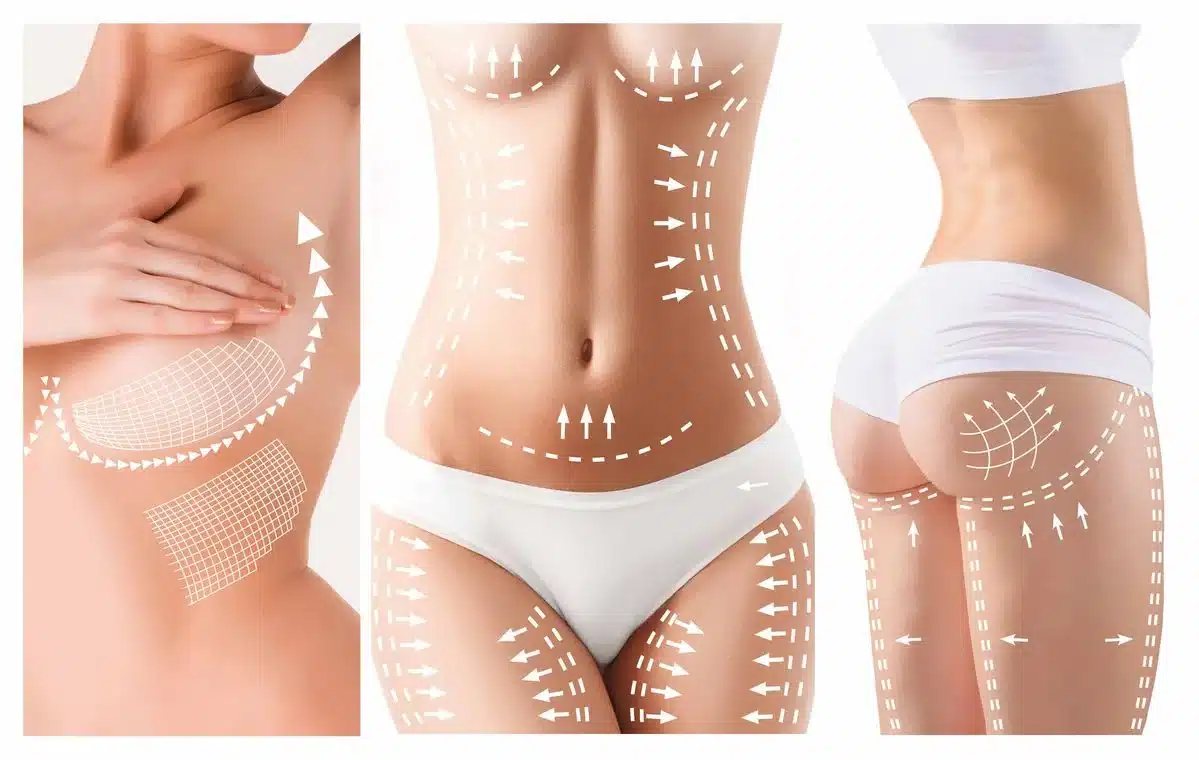
GLP-1 agonists like semaglutide and tirzepatide have reshaped global weight-loss patterns. By suppressing appetite and altering metabolic pathways, they accelerate fat depletion—especially visceral fat—more rapidly than skin can adapt. Clinicians now recognize distinct laxity patterns among GLP-1 users:
- Upper abdominal soft deflation
- Waistline flattening without tightening
- Chest wall laxity in both men and women
- Premature creasing in arms and thighs
Inadequate protein intake—common among GLP-1 patients who eat less—further weakens collagen regeneration. Skin that is nutritionally unsupported will not retract, regardless of age or initial elasticity.
Bariatric Surgery and Global Laxity Patterns
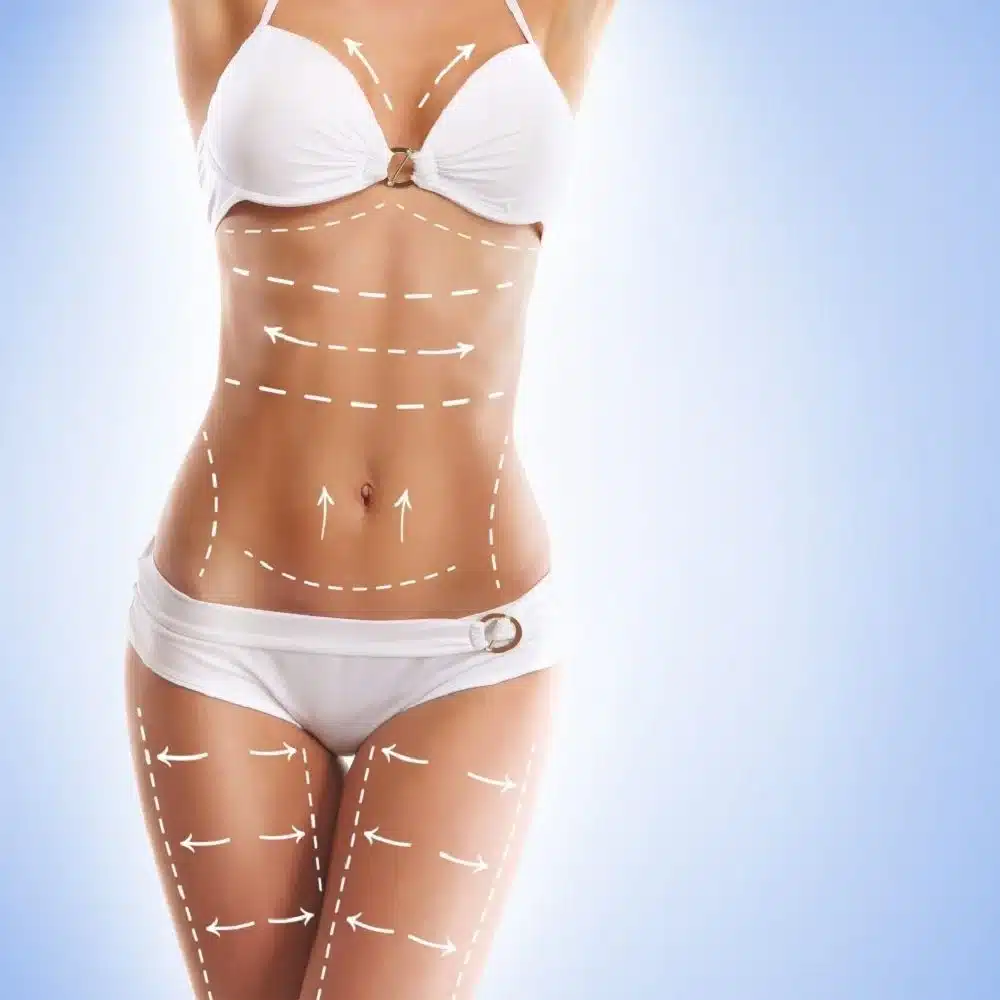
Bariatric surgery often produces 30–50% total weight loss within a year. This extreme and rapid change overwhelms the skin’s capacity to contract. Unlike GLP-1 patients, bariatric patients typically experience circumferential laxity:
- Lower abdominal apron formation
- Lateral thigh deflation
- Back rolls from redundant posterior skin
- Breast and chest-wall ptosis
These patients frequently require multi-stage reconstructive planning due to the global nature of their excess skin.
Age, Genetics, Ethnicity, and Dermal Quality
Not everyone experiences excess skin in the same way. Several silent determinants influence outcomes:
- Age: Patients under 35 may experience modest tightening; those over 45 generally see limited natural recoil.
- Genetics: Collagen density, cross-linking efficiency, and dermal thickness vary widely.
- Ethnicity: Fitzpatrick IV–VI skin types often have thicker dermis and stronger collagen but higher scar risk. Fitzpatrick I–III types may show more visible laxity.
- Hormonal Factors: Estrogen decline after menopause, thyroid disorders, and chronic inflammation all reduce skin’s regenerative potential.

Why Natural Retraction Cannot Fully Solve Excess Skin
Patients often hope time alone will tighten the skin. In reality, spontaneous retraction is limited and depends on:
- Dermal thickness
- Duration of obesity
- Rate of weight loss
- Nutritional status
Once elastin fibers are broken, they cannot be rebuilt at scale. Collagen can remodel but cannot reverse structural redundancy.
Functional Anatomy: How Excess Skin Affects Movement and Health
Excess skin alters biomechanics and daily function. The abdominal apron can pull on the lumbar spine, causing posture issues. Moisture trapped in folds leads to recurrent fungal infections. Skin movement during walking or exercise causes chafing and restricts mobility. Arms and thighs may swing or fold unnaturally, affecting athletic performance.

Why 2025 Has Redefined Excess Skin as a Medical Condition
The global rise of GLP-1 use and bariatric procedures has reframed excess skin as a functional and psychosocial medical condition. It affects hygiene, comfort, posture, intimacy, and emotional wellbeing. For many, reconstructive body contouring is not optional—it is the final step of regaining bodily autonomy.
Zendaya Smile

Body Image Incongruence: When Internal Identity and External Reality Diverge
Following weight loss, individuals often experience a rapid shift in how they view themselves. They feel lighter, healthier, more capable. Yet the skin that remains may reflect the silhouette of their former body. Patients describe moments of surprise, discomfort, or disappointment when encountering their reflection. This mismatch—known as body image incongruence—creates emotional turbulence.
The brain changes faster than the body does. Patients may celebrate dropping clothing sizes but simultaneously feel held back by folds, irregularities, or movement of excess skin. This disconnect can erode confidence and make the physical victory of weight loss feel incomplete.
The Emotional Weight: Shame, Concealment, and Avoidance
Excess skin is a socially misunderstood condition. Many people hide loose skin under compression garments or oversized clothing. They avoid beaches, pools, fitted clothes, or physical intimacy due to fear of judgment. Even after attaining a healthier body, some retreat from activities they once hoped weight loss would enable.
Shame often develops not because of appearance alone but because patients believe they "should be grateful" and therefore feel guilty for wanting further change. This emotional conflict can delay necessary reconstructive treatments, prolonging distress.
Cultural Expectations and the Myth of the "Completed Transformation"
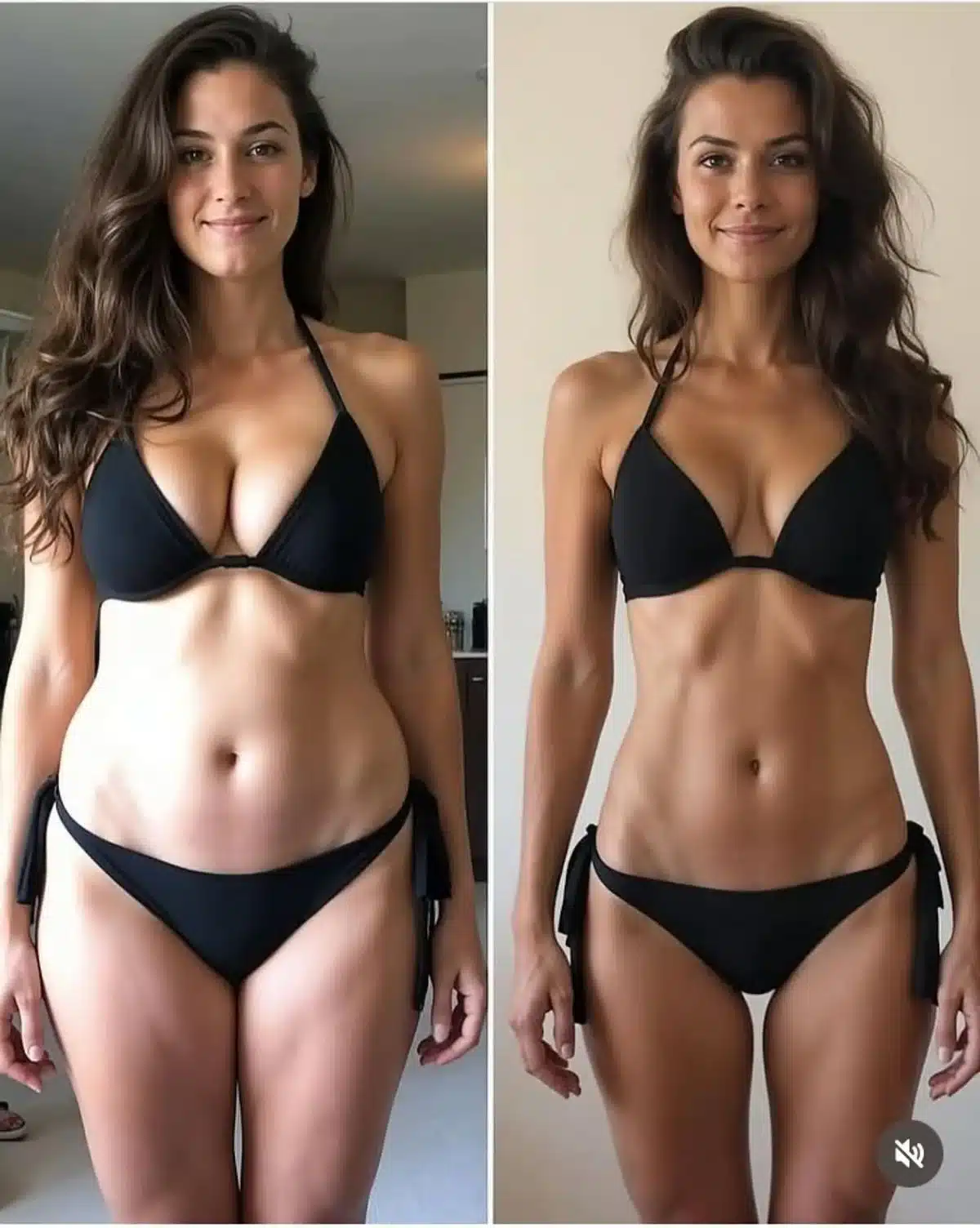
In the era of GLP-1 medications and social media transformations, weight loss is often portrayed as a quick, linear journey. Online narratives frequently show dramatic before-and-after photos—but rarely the intermediate stage where excess skin remains. This gap creates unrealistic beauty expectations.
Modern aesthetic culture prizes firm, tight contours. Patients internalize these standards, believing that their transformation is unfinished until redundant skin is removed. This belief is not vanity; it reflects a cultural shift in how health, attractiveness, and self-worth intersect in 2025.
Intimacy and Relationships: Vulnerability in Transition
Intimate relationships often undergo profound changes. Some individuals avoid undressing with lights on. Others fear rejection from partners due to folds, scars, or asymmetries. Even in supportive relationships, the emotional vulnerability associated with excess skin can reduce closeness and trust.
After surgical removal, many patients experience renewed intimacy and confidence, reflecting the procedure’s psychosocial benefits beyond aesthetics.
Transformation Beyond the Scale
True transformation after weight loss is not defined solely by the number on the scale. It requires alignment between:
- functional comfort
- social identity
- self-image
- proportional harmony
- emotional stability
For many, removing excess skin becomes the final, empowering step in reclaiming their body and identity.
Margot Robbie
Treatment Pathways: From Non-Surgical Approaches to Advanced Reconstructive Body Contouring
While lifestyle changes and improved health markers mark a major victory for individuals who lose significant weight, the question of how to manage excess skin introduces a new stage of decision-making. Treatment options range from conservative strategies to comprehensive reconstructive surgeries.
Understanding what each pathway can realistically achieve—and where its limitations lie—is essential for setting expectations and creating safe, effective, personalized treatment plans.
The Limits of Non-Surgical Methods: What They Can and Cannot Achieve
Patients frequently begin by exploring non-surgical solutions such as skin-tightening devices, collagen-boosting treatments, or resistance training. Although these methods can subtly improve tone and firmness in mild cases, they cannot reverse structural redundancy caused by massive weight loss.
Most modern devices work by generating controlled heat to stimulate collagen remodeling. However, when the dermal matrix has been stretched for years and elastin fibers are broken, collagen stimulation yields limited tightening—nowhere near the degree required to eliminate folds or functional impairments.
Resistance training can improve underlying muscle tone, offering better support for overlying skin. But muscle cannot contract loose dermis. Thus, for moderate-to-severe laxity, non-surgical methods serve best as complementary tools rather than primary treatments.
When Surgery Becomes Reconstructive Rather Than Cosmetic
For many individuals, excess skin removal is not about appearance—it is about restoring function, hygiene, mobility, and comfort. Surgery becomes medically necessary when patients experience:
- chronic skin fold infections (intertrigo)
- painful moisture buildup and odor
- difficulty walking or exercising due to skin movement
- challenges maintaining hygiene under folds
- lower back strain caused by abdominal apron weight
Clinically, surgeons classify excess skin severity using standardized scales to differentiate when aesthetic enhancement transitions into reconstructive need.
Abdominal Procedures: Panniculectomy, Abdominoplasty, and Beyond
The abdomen is the most common site of redundant tissue. Three main procedures address this area, each with distinct goals:
Panniculectomy removes the hanging lower abdominal apron without tightening muscles or shaping the waist. It often qualifies for insurance coverage when functional symptoms are documented.
Abdominoplasty (Tummy Tuck) removes excess skin while also repairing diastasis recti, reshaping the umbilicus, and refining overall contour. This procedure offers aesthetic improvement but is not typically covered by insurance.
Lower Body Lift provides circumferential correction—lifting the abdomen, hips, lateral thighs, and buttocks in a single operation. It is the preferred option for many bariatric patients due to the global nature of their skin laxity.
Upper Body Contouring: Completing the Transformation
Massive weight loss frequently causes redundancy in the upper body as well:
- Bra-line Back Lift : eliminates upper back rolls and restores smoother contours under clothing.
- Arm Lift (Brachioplasty): corrects hanging tissue between elbow and axilla, one of the most common deformities after weight loss.
- Breast Lift or Auto-Augmentation : restores volume and position lost through deflation. In some cases, surgeons use the patient's own tissue to rebuild the breast mound without implants.
Patients often describe these procedures as life-changing, not because of cosmetic enhancement but because they regain freedom in clothing choices, exercise, and daily movement.
Thigh Lift and the Challenge of Weight-Bearing Areas
The inner thighs present unique challenges due to thinner dermis, moisture retention, and friction during movement. Thigh lift procedures remove redundant medial or circumferential tissue and improve comfort during physical activity. This operation requires advanced expertise because the groin area has complex anatomy and higher tension forces.
Staging and Safety: The Logistics of Full-Body Reconstruction
Full-body contouring after weight loss often occurs in stages to protect patient safety. Attempting to correct multiple regions in a single session increases risks such as prolonged anesthesia time, fluid shifts, wound tension, and thrombosis.
Typical sequencing may involve:
- abdominal or lower body lift first,
- followed by breast or upper body procedures,
- and finally thigh or arm corrections.
GLP-1 patients may require modified strategies because their skin laxity can be more localized rather than global.
Risk Management: Setting Realistic Expectations and Minimizing Complications
All reconstructive surgeries carry risks. Common complications include seroma formation, wound separation, delayed healing, and hypertrophic scarring. Proper preparation reduces these risks significantly. Essential factors include:
- smoking cessation 4–6 weeks before surgery
- achieving nutritional optimization, particularly protein
- maintaining stable weight
- treating pre-existing infections in skin folds
- managing diabetes or hormonal disorders
Patients should also understand that results improve across months, not days. Swelling, scar maturation, and tissue settling follow natural biological timelines.
The Transformational Impact of Surgical Treatment
For many individuals, excess skin removal marks the moment they finally feel "complete" in their transformation. Removing heavy folds restores mobility, posture, hygiene, and emotional alignment. Patients often describe the surgery as the unlock that allows them to fully live in the body they worked so hard to achieve.
Clinical Decision-Making Framework: Safety, Candidacy, and Anatomical Strategy
Excess skin removal after major weight loss requires far more than selecting a procedure. It is a multidisciplinary decision rooted in anatomy, safety, physiology, proportional aesthetics, and long-term stability. In 2025, surgeons use structured frameworks to determine not only who is a good candidate, but also how , when , and in what sequence each part of the body should be addressed.
A well-designed plan protects patients from complications, enhances predictability, and ensures that the final silhouette reflects both natural balance and individual identity.
Determining Surgical Candidacy: The Core Assessment Criteria
Candidacy begins with the patient’s overall health and stability. Surgeons evaluate a combination of medical, nutritional, and behavioral factors to ensure that reconstructive body contouring is both safe and effective.
Key requirements include:
- Stable weight for at least 3–6 months: Fluctuation increases wound tension and alters surgical planning.
- BMI typically below 30–32: Not a strict rule, but higher BMI increases risks such as seroma and delayed healing.
- Adequate protein intake: Essential for collagen synthesis and wound repair.
- No smoking or nicotine exposure: Smoking impairs microvascular flow and significantly increases tissue necrosis risk.
- Controlled medical conditions: Diabetes, thyroid disease, anemia, and hormonal imbalances must be addressed.
- Psychological readiness: The patient must understand scarring, downtime, and realistic outcomes.
Skin Quality as the Primary Driver of Procedural Selection
Surgeons carefully evaluate:
- dermal thickness
- elasticity and recoil potential
- presence of stretch marks
- previous surgical scars
- degree of ptosis
- distribution of residual fat
Those with thin, stretch-marked skin generally require more extensive excision patterns, whereas patients with thicker dermis may achieve smoother contours with smaller incisions.
Anatomical Mapping: An Integrated Approach to the Body
Modern reconstructive planning involves viewing the body as interconnected zones, not isolated regions. Adjusting one area affects the tension and position of another. For example:
- Tightening the abdomen influences the trajectory of the lateral thighs.
- Lifting the back roll region affects the lower breast fold.
- Arm lift incisions can influence axillary contour and upper torso lines.
A holistic approach prevents disharmony, patchy results, or contour mismatches.
Sequencing: How Surgeons Prioritize Procedures
Attempting all procedures at once is unsafe and unnecessary. The most successful outcomes emerge from staged planning. Surgeons typically sequence based on anatomical interdependence and functional burden.
Common sequencing frameworks include:
- Stage 1: Lower body lift or abdominoplasty (foundation of the silhouette)
- Stage 2: Breast lift, chest reshaping, or upper back lift
- Stage 3: Arm or thigh lift
This progression ensures that lower-body tension is established first, providing a more predictable foundation for upper-body procedures.
GLP-1 patients sometimes require different sequencing because their laxity is often regional rather than circumferential.
Cultural and Ethnic Anatomy Considerations
Anatomical norms differ across ethnic groups, and surgeons must respect natural proportions while enhancing contour. NexWell emphasizes:
- preserving waist-to-hip ratios in Middle Eastern and Mediterranean patients
- respecting natural limb proportion in Northern European body types
- considering scar visibility on darker skin tones (Fitzpatrick IV–VI)
- adjusting techniques for patients with genetically thinner dermis
A successful reconstruction complements, rather than erases, one’s cultural and genetic identity.
Safety Protocols: Minimizing Risks Through Precision Medicine
Safety begins long before surgery. NexWell-trained clinicians follow structured optimization pathways to reduce complications.
Key steps include:
- comprehensive bloodwork (CBC, ferritin, vitamin D, albumin)
- cessation of GLP-1 medication prior to anesthesia (per surgical guidelines)
- DVT prophylaxis in higher-risk patients
- ensuring hydration and proper electrolyte balance
- mapping tension vectors to prevent wound breakdown
- using layered closure techniques to reduce scar widening
Patient Education: Building Realistic, Healthy Expectations
Patients must understand that:
- swelling may take 3–6 months to resolve
- scars mature over 12–18 months
- results stabilize as tissues settle
- thigh and arm lifts have higher risk of scar visibility
- perfection is neither realistic nor the goal
The objective is improvement in function, mobility, and proportional harmony—not constructing an artificial silhouette. Most patients experience profound increases in quality of life despite visible scars.
Why a Structured Decision Framework Matters
The purpose of a clinical framework is not rigidity—it is clarity. With hundreds of possible variations in anatomy, goals, and healing patterns, a structured pathway:
- increases safety
- enhances predictability
- reduces revision rates
- supports natural, personalized results
For many patients, this is the point where anxiety transforms into confidence. They gain a clear roadmap of what is possible, what is advisable, and how their body can be reconstructed safely and beautifully.
NexWell Global Perspective: International Patient Journey, Cost Reality, and Long-Term Outcomes
Excess skin removal after substantial weight loss has become one of the fastest‑growing fields in global reconstructive surgery. As millions of patients worldwide experience rapid transformation through GLP‑1 medications and bariatric procedures, the demand for skilled, ethical, and comprehensive body‑contouring care has expanded dramatically.
Turkey, with its advanced medical infrastructure and internationally trained surgeons, has emerged as a leading destination. NexWell Experts play a central role in coordinating the patient experience—bridging world‑class surgical expertise with structured, supportive medical travel pathways.
Why Turkey Has Become a Global Hub for Post‑Weight‑Loss Reconstruction
Turkey occupies a unique position ( why Turkey is a global leader ) in the international aesthetic and reconstructive landscape. Several factors drive its global leadership:
- High surgical volume: Turkish surgeons perform thousands of post‑weight‑loss procedures annually, achieving mastery through repetition.
- Advanced hospital infrastructure: Modern operating theaters, accreditation systems, and 3D surgical planning technology are standard in leading centers.
- Cost efficiency: Treatments cost 50–70% less than in the United States or Western Europe, without compromising professional standards.
- Medical tourism ecosystem: Seamless integration of accommodation, transfers, interpreters, and postoperative support makes the patient journey holistic.
- Outcome‑focused philosophy: Surgeons prioritize natural proportional harmony over excessive tightening or artificial silhouettes.
This combination allows international patients ( save thousands in Turkey ) to access expertise that might be financially or logistically out of reach in their home countries.
Transparent Cost Landscape: Turkey vs. USA and Europe
Reconstructive body‑contouring prices vary widely based on surgeon experience, hospital quality, and procedural complexity. A generalized comparison shows:
- USA: Very high operative fees, facility costs, and anesthesia charges. Multi‑procedure cases often exceed six figures.
- Europe: Slightly lower but still costly, with long waiting lists in many countries.
- Turkey: Comprehensive packages—including hospital stay, private nursing, transfers, and follow‑up—are significantly more accessible.
This allows patients to consider the reconstructive phase of their journey without the financial burden typically associated with extensive plastic surgery.
The International Patient Journey: How NexWell Builds a Structured Pathway
NexWell has developed a clinically integrated process to guide patients from consultation to recovery.
1. Pre‑arrival digital consultation: Patients submit medical history, weight‑loss background, photos, and goals. Surgeons assess skin quality, nutritional status, and candidacy before travel is planned.
2. Weight‑stability and nutritional optimization: Stable weight is essential. NexWell provides guidance on protein intake (typically 1.5 g/kg/day), micronutrient repletion, hydration, and cessation of nicotine.
3. Customized surgical sequencing plan: A precise roadmap is created, determining whether the patient should undergo a lower body lift first, or whether upper‑body or thigh procedures should take priority.
4. In‑country medical coordination: Airport transfers, hotel placement near the clinic, interpreter support, and pre‑operative blood tests are arranged seamlessly.
5. Post‑operative monitoring: Clinical teams oversee drain management, mobility guidance, wound‑care education, and clot‑prevention strategies. Regular check‑ins continue after the patient returns home.
Pre‑Operative Optimization: Preparing the Body for Safe Reconstruction
Optimal results begin long before surgery. NexWell emphasizes:
- adequate protein stores for wound healing
- hemoglobin and ferritin levels within normal range
- stable endocrine and metabolic parameters
- GLP‑1 medication cessation as recommended before anesthesia
- smoking avoidance to preserve microvascular integrity
Patients who invest in pre‑operative optimization experience fewer complications and more predictable aesthetic outcomes.
Long‑Term Outcomes: How Results Mature Over Time
Excess skin removal is transformative, but it unfolds gradually. Understanding the healing timeline promotes realistic expectations.
- First 1–2 months: Swelling decreases; mobility improves. Scars appear red or raised but begin softening.
- Months 3–6: Contours stabilize; tissues settle; patients regain full physical activity.
- Months 12–18: Scars mature and fade; final silhouette becomes clear.
Stable weight and consistent hydration remain crucial. Weight gain, dehydration, or hormonal fluctuations can affect long‑term results.
The Psychological Closure: Completing the Transformation
For many patients, reconstructive surgery is the moment they finally feel aligned with their new body and identity. Removing excess skin resolves the emotional dissonance left behind after weight loss. Patients often describe an immediate sense of relief—both physical and psychological—that allows them to fully participate in social life, intimacy, exercise, and self‑expression.
The transformation is not about achieving social ideals; it is about restoring dignity, comfort, and confidence.
Nexwell Expert Insights
Excess skin removal is more than a surgical intervention—it is an anatomical restoration that honors the patient’s journey. As GLP‑1 therapies and bariatric procedures reshape global health trends, the need for safe, skilled, and empathetic reconstructive care grows. NexWell Experts emphasize a philosophy rooted in proportional harmony, cultural awareness, and long‑term wellbeing.
Transform Your Body in Istanbul — From €3,600 All-Inclusive
Tummy tuck, body lift, liposuction and mommy makeover at accredited hospitals. Expert plastic surgeons, 5-night Istanbul package, 12-month aftercare. Save thousands vs UK prices.
No obligation
Get your treatment plan
Send your case and a coordinator returns a written plan and an indicative quote — usually within a day.
Related reading

medical-tourism
Medical Tourism Safety Checklist Turkey: What to Verify Before Booking
A practical pre-booking checklist for treatment in Turkey, covering provider verification, hospital standards, quote scope, consent quality, recovery logistics, and complication planning.

Treatment Guide
Bariatric Surgery
Advanced bariatric surgery in Turkey: gastric sleeve, bypass and more. Expert surgeons, cutting-edge technology and affordable care for weight loss.
plastic-surgery
Fleur-de-Lis vs Extended Tummy Tuck: Which One Solves the Real Problem?
A comparison guide for fleur-de-lis and extended tummy tuck surgery, focused on skin pattern, scar trade-offs, and who benefits from each procedure.

Treatment Guide
Gastric Bypass Turkey Cost 2026 — Roux-en-Y & Mini Bypass Guide
Gastric bypass surgery in Turkey costs $5,000 all-inclusive. Compare Roux-en-Y vs mini bypass, IFSO-accredited clinics, and what’s included in an all-inclusive package with 12-month aftercare.
plastic-surgery
Rhinoplasty Turkey Cost 2026: Open, Closed & Revision Prices
A buyer-focused cost guide for rhinoplasty in Turkey, covering open, closed and revision pricing with package evaluation criteria.
medical-tourism
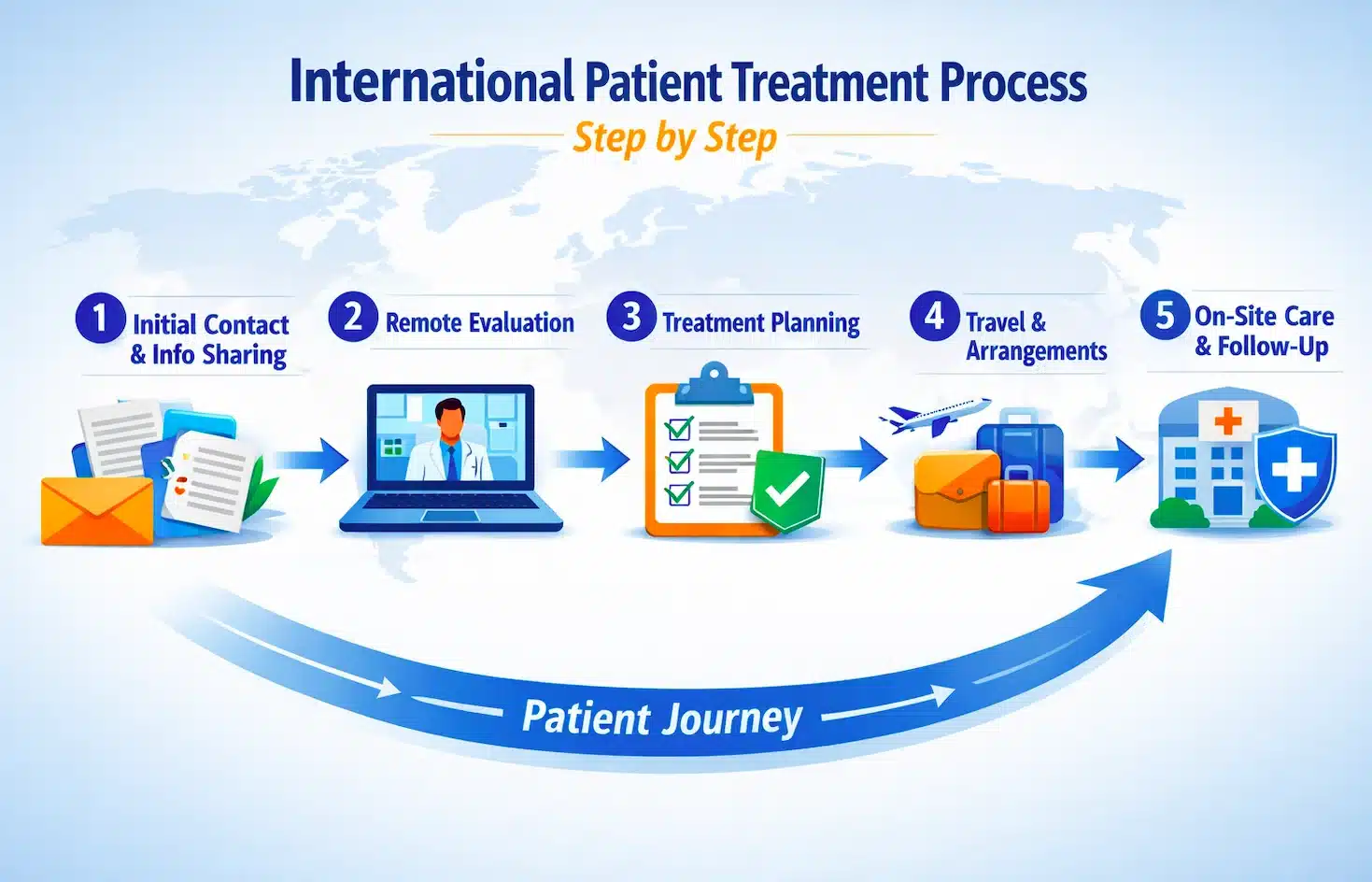
International Patient Treatment Process: From Inquiry to Follow-Up
A full-process guide showing how international treatment journeys should work from first inquiry to quote, travel, treatment, recovery, and aftercare.
Plan the next step clearly
Use this page as a decision-support guide, then move into quote review, treatment comparison, and travel planning with coordinator support.
Social Paradox: Praise for Weight Loss, Silence About Its Consequences
Society celebrates weight loss yet stigmatizes or ignores its physical aftermath. This paradox leaves many patients feeling invalidated. When friends or family say, “You look amazing—why worry about a little loose skin?” they unintentionally dismiss:
The lack of social understanding amplifies feelings of isolation. Supportive clinicians play a key role in reframing excess skin as a legitimate medical condition rather than an aesthetic flaw.