Gastric Bypass Turkey Cost 2026 — Roux-en-Y & Mini Bypass Guide
Gastric bypass surgery in Turkey costs $4,500–$7,000 all-inclusive — versus £12,000–£20,000 in the UK or $20,000–$35,000 in the US. Turkey's IFSO-accredited bariatric centres offer Roux-en-Y and mini gastric bypass with high-volume surgical expertise, comprehensive pre-op evaluation and 12–24 month aftercare programmes.
- JCI-accredited hospitals
- TEMOS-accredited clinics
- Board-certified surgeons and a licensed clinical team
- 3,000+ international patients treated
- 5-star chain hotel accommodation
- VIP airport transfers
Written quote from a NexWell coordinator, usually within 24 hours.
Written quote from a NexWell coordinator, usually within 24 hours.
Quick answer
Gastric bypass surgery in Turkey costs $4,500–$7,000 all-inclusive — versus £12,000–£20,000 in the UK or $20,000–$35,000 in the US. Turkey's IFSO-accredited bariatric centres offer Roux-en-Y and mini gastric bypass with high-volume surgical expertise, comprehensive pre-op evaluation and 12–24 month aftercare programmes.
Overview
Gastric bypass surgery in Turkey costs $4,500–$7,000 all-inclusive — compared to £12,000–£20,000 at a private UK hospital or $20,000–$35,000 in the United States. Turkey performs more than 50,000 bariatric procedures annually, and its specialist bariatric centres rank among the most experienced in Europe for both Roux-en-Y gastric bypass and mini gastric bypass procedures.
Gastric Bypass Turkey Cost 2026 — Price Comparison
The table below compares all-inclusive gastric bypass costs in Turkey with private prices in the UK and USA for 2026. Turkish packages typically include pre-op tests, surgeon and anaesthesiologist fees, hospital stay, hotel accommodation, airport transfers and 12–24 month aftercare — with no hidden extras.
Roux-en-Y gastric bypass: Turkey $4,500–$7,000 | UK £12,000–£20,000 | USA $20,000–$35,000. Mini gastric bypass (one-anastomosis): Turkey $4,000–$6,500 | UK £10,000–£18,000 | USA $18,000–$30,000. Revision bariatric surgery: Turkey $5,500–$9,000 | UK £14,000–£24,000 | USA $25,000–$45,000. Gastric sleeve (for comparison): Turkey $3,000–$5,500 | UK £9,000–£15,000 | USA $15,000–$25,000.
What Is Gastric Bypass Surgery?
Gastric bypass (Roux-en-Y gastric bypass, or RYGB) is a two-part bariatric procedure. First, the surgeon creates a small stomach pouch roughly the size of an egg — reducing stomach capacity from approximately 1,000 ml to 30 ml.
Second, the small intestine is divided and reconnected directly to this new pouch, bypassing the majority of the stomach and the first section of the small intestine (the duodenum and part of the jejunum). This creates two simultaneous effects: mechanical restriction (smaller stomach capacity) and metabolic change (reduced calorie and nutrient absorption).
The procedure is performed laparoscopically through 5–6 small incisions under general anaesthesia and takes approximately 1.5–2.5 hours. Patients typically spend 2–3 nights in hospital. Expected excess weight loss is 70–80% within 18–24 months, making gastric bypass one of the most effective long-term weight loss procedures available.
Roux-en-Y vs Mini Gastric Bypass — Key Differences
Both procedures reduce stomach size and alter the digestive pathway, but they differ in complexity and nutritional impact. Roux-en-Y gastric bypass (RYGB) creates two connections in the small intestine and is the gold standard for severe obesity, type 2 diabetes and GERD. It carries a slightly higher technical complexity but is widely considered the most durable long-term bariatric option.
Mini gastric bypass (one-anastomosis gastric bypass, OAGB) creates only one intestinal connection, making the procedure faster and technically simpler. It produces comparable weight loss to RYGB and may offer slightly better remission rates for type 2 diabetes. However, the risk of bile reflux is marginally higher.
Your bariatric surgeon will assess your BMI, digestive history, and reflux symptoms to recommend the most suitable option.
Why Choose Gastric Bypass in Turkey?
Turkey has emerged as one of Europe's leading destinations for bariatric surgery, combining surgical expertise, international accreditation and all-inclusive pricing that makes the procedure accessible to patients from the UK, Germany, Netherlands, Scandinavia and further afield. Several factors make Turkey a well-established choice for gastric bypass specifically.
- IFSO-accredited bariatric centres of excellence: Turkey has multiple hospitals designated as International Federation for the Surgery of Obesity and Metabolic Disorders (IFSO) Centres of Excellence — maintaining strict case volume, complication reporting and outcome standards equivalent to leading Western European programmes.
- High surgical volume: Istanbul's specialist bariatric units perform hundreds of gastric bypass procedures annually. High volume directly correlates with lower complication rates, faster operating times and more experienced surgical teams across the entire perioperative pathway.
- Fellowship-trained surgeons: Most Turkish bariatric surgeons performing RYGB and mini bypass at accredited centres hold international fellowships, often from UK, US or German bariatric programmes. Many are active members of IFSO, SAGES and the European Association for Endoscopic Surgery.
- Comprehensive all-inclusive pricing: Unlike the UK private sector, Turkish bariatric packages include all pre-operative testing, multi-disciplinary team consultations, surgeon and anaesthesiologist fees, hospital accommodation, post-operative dietitian consultation and 12–24 month remote aftercare — typically at a single fixed cost with no unexpected additions.
- Faster access: Patients from countries with long NHS or public health waiting lists — often 2–3 years for bariatric surgery — can typically schedule surgery in Turkey within 4–8 weeks of initial consultation, with full pre-operative evaluation completed remotely before travel.
Treatment Plan
Ready for a written Gastric Bypass Turkey Cost 2026 — Roux-en-Y & Mini Bypass Guide quote?
A NexWell coordinator reviews your case and replies with a personalised treatment plan and indicative pricing — usually within 24 hours.
What Is Included in a Turkey Gastric Bypass Package?
All-inclusive gastric bypass packages at NexWell's partner clinics in Turkey typically cover the following components. Pre-operative evaluation: full blood panel, ECG, chest X-ray, abdominal ultrasound, cardiology clearance, pulmonology assessment, anaesthesiology review, sleep apnoea screening, and psychological evaluation where clinically indicated.
Surgical fees: bariatric surgeon, assistant surgeon, anaesthesiologist and scrub team. Hospital stay: 2–3 nights in a private room with nursing care and post-operative monitoring. Post-operative support: registered dietitian consultation with a structured 12-month meal progression plan, vitamin and supplement protocol, and discharge medications.
Accommodation: 3–4 nights in a partnered hotel near the clinic, typically in Istanbul. Transfers: VIP airport-to-hotel and hotel-to-clinic transfers throughout the stay. Remote aftercare: 12 to 24 months of follow-up with monthly check-in calls, blood test protocols at 3, 6 and 12 months, and coordinator support through NexWell Connect.
It is important to verify that psychological evaluation and sleep apnoea testing are included in the quoted price. Some lower-cost providers list these as optional add-ons. At accredited bariatric centres, these assessments are a clinical requirement — not an upsell.
Am I a Candidate for Gastric Bypass in Turkey?
Gastric bypass is typically recommended for patients who meet the following criteria. BMI of 40 or above, or BMI 35 or above with significant weight-related health conditions such as type 2 diabetes, obstructive sleep apnoea, hypertension, or non-alcoholic fatty liver disease. Age 18–65, with exceptions considered on a case-by-case basis for patients outside this range.
Documented commitment to post-operative dietary and lifestyle changes, including lifelong vitamin and mineral supplementation. No active gastric ulcer, oesophageal varices or severe untreated GERD that would contraindicate bypass. No history of inflammatory bowel disease or prior significant abdominal surgery that would complicate intestinal rerouting.
Bypass is particularly preferred over sleeve gastrectomy for patients with severe GERD or acid reflux, BMI above 50, or type 2 diabetes — where the metabolic effect of intestinal bypass produces significantly better glycaemic outcomes.
Gastric Bypass vs Gastric Sleeve — Which Should You Choose?
Gastric bypass and gastric sleeve are the two most commonly performed bariatric procedures globally. Both are effective long-term interventions, but they suit different patient profiles. Gastric sleeve (sleeve gastrectomy) removes approximately 75–80% of the stomach, leaving a banana-shaped pouch. There is no intestinal rerouting, making it technically simpler with fewer nutritional deficiency risks.
It is the preferred first choice for patients with BMI of 35–50 without significant GERD, type 2 diabetes or prior failed bariatric surgery. Gastric bypass produces stronger metabolic effects — particularly for type 2 diabetes remission — and achieves slightly greater total weight loss in patients with BMI above 50.
It is also the preferred option for patients with severe reflux, as removing the bypass segment resolves GERD in the majority of cases. The trade-off is lifelong supplementation of vitamin B12, iron, calcium and folate due to the bypassed duodenum.
Your NexWell coordinator will arrange a pre-operative consultation with a Turkish bariatric specialist to review your full medical history and recommend the most appropriate procedure before you travel.
The Gastric Bypass Procedure — Step by Step
Before surgery, patients complete a full multi-disciplinary evaluation including blood work, cardiac clearance, sleep study, dietary assessment and psychological review. In the days before the procedure, a high-protein low-carbohydrate pre-operative diet is prescribed to reduce liver size, which improves laparoscopic access and reduces surgical risk.
The procedure itself begins with laparoscopic access through five or six small incisions. The surgeon divides the stomach horizontally near the top to create the small pouch. The small intestine is then divided, and the lower portion is brought up and joined directly to the new stomach pouch — the Roux limb.
The upper portion of the divided intestine (the biliopancreatic limb) carries digestive enzymes and bile from the bypassed stomach and duodenum, reconnecting further down the small intestine where absorption resumes. The result is a stomach pouch that restricts meal volume to approximately 30 ml while simultaneously reducing calorie and nutrient absorption in the bypassed intestinal segment.
Post-operatively, patients progress through four dietary phases: clear liquids for the first 48 hours, full liquids for weeks one to two, pureed foods for weeks three to four, and soft foods from week five. Most patients are cleared for normal food textures from week eight to twelve, with lifelong guidance on protein prioritisation, chewing habits and portion control.
Gastric Bypass Results and Expected Weight Loss
Clinical outcomes data from IFSO registries and long-term follow-up studies consistently show that gastric bypass produces 70–80% excess weight loss within 18–24 months. Patients who maintain dietary guidelines and attend their 12-month follow-up programme typically achieve and sustain weight loss that substantially reduces or eliminates obesity-related health conditions.
Type 2 diabetes remission occurs in 60–80% of patients, often within the first few weeks before significant weight has been lost — indicating a metabolic mechanism beyond calorie restriction alone. Hypertension resolves or significantly improves in approximately 60–75% of patients. Obstructive sleep apnoea resolves in the majority of cases once substantial weight has been lost.
GERD improves in over 80% of patients who undergo Roux-en-Y bypass — contrast with sleeve gastrectomy, which can worsen reflux in some cases.
Nutritional Requirements After Gastric Bypass
Because the duodenum is bypassed, the absorption of several critical nutrients is permanently reduced. Patients who undergo gastric bypass must commit to lifelong supplementation of the following nutrients. Vitamin B12: the intrinsic factor required for B12 absorption is produced in the bypassed stomach segment. Sublingual or injectable B12 is preferred over standard oral tablets.
Iron: iron absorption occurs primarily in the duodenum. Supplementation is especially important for premenopausal women. Calcium and vitamin D: calcium citrate is preferred over calcium carbonate after bypass because it does not require stomach acid for absorption. Vitamin D deficiency and secondary hyperparathyroidism are common long-term complications in non-compliant patients.
Folate and B vitamins: critical for red blood cell production and neurological health. All NexWell partner bariatric clinics provide a detailed personalised supplement protocol at discharge, with blood test monitoring at 3, 6 and 12 months through the remote aftercare programme.
How Long Do I Need to Stay in Turkey for Gastric Bypass?
Most gastric bypass patients plan for a total stay of 7–9 days in Turkey. This typically includes one pre-operative day for in-clinic assessment and blood work, followed by the surgical day and 2–3 nights of in-hospital monitoring, then 3–4 nights in the hotel for recovery monitoring and dietitian follow-up before clearance to fly.
Patients with higher BMI, significant comorbidities or any early post-operative concerns may be recommended to extend their stay by one to two days at the discretion of the surgical team. NexWell coordinates all logistics — including the timing of hotel checkout and airport transfer — around the clinical discharge rather than a fixed departure schedule.
Frequently Asked Questions
How much does gastric bypass surgery cost in Turkey in 2026? Gastric bypass in Turkey costs $4,500–$7,000 all-inclusive, covering pre-operative testing, multi-disciplinary evaluation, surgeon and anaesthesiologist fees, 2–3 night hospital stay, hotel accommodation, airport transfers and 12–24 month remote aftercare. This represents a saving of 65–75% compared with equivalent private costs in the UK or United States.
Is gastric bypass surgery safe in Turkey? Yes. Turkey's IFSO-designated bariatric centres of excellence report complication rates consistent with international benchmarks — typically below 2% for major complications in elective laparoscopic gastric bypass. JCI accreditation, IFSO designation and surgeon fellowship credentials are the key indicators to verify when selecting a clinic.
NexWell refers patients only to centres meeting all three criteria.
What is the difference between Roux-en-Y and mini gastric bypass? Roux-en-Y (RYGB) creates two intestinal connections and is the global gold standard for complex cases, high BMI or prior failed procedures. Mini gastric bypass (OAGB) creates one intestinal connection, making it faster and with comparable weight loss outcomes, but carries a slightly higher risk of bile reflux.
Both are performed laparoscopically in Turkey at equivalent cost. Your surgeon will recommend based on your anatomy and clinical history.
Can I reverse a gastric bypass? Gastric bypass is considered permanent. Although reversal is technically possible as a complex revision procedure, it is rarely performed and not recommended except under compelling medical circumstances. Patients should approach this as a lifelong commitment to the post-operative dietary and supplementation programme.
How much weight will I lose after gastric bypass? Most patients lose 70–80% of their excess body weight within 18–24 months of gastric bypass surgery. The strongest predictor of long-term success is adherence to the post-operative diet, regular follow-up and consistent vitamin supplementation — not the surgery itself.
Do I need to lose weight before gastric bypass surgery in Turkey? A 2–4 week pre-operative high-protein low-carbohydrate diet is required before bypass surgery. This reduces liver size and improves laparoscopic access, directly reducing surgical risk. Some centres require a minimum of 5–10 kg pre-operative weight loss for patients with very high BMI.
Your NexWell coordinator will provide the dietary protocol in advance of travel.
Will gastric bypass cure my type 2 diabetes? Gastric bypass produces remission or significant improvement in type 2 diabetes in approximately 60–80% of patients — often within weeks of surgery, before major weight loss occurs. This metabolic effect is driven by changes in gut hormone signalling, particularly GLP-1 and ghrelin, rather than weight loss alone.
Patients with shorter duration of diabetes and those still producing insulin typically respond best. NexWell can coordinate a pre-operative endocrinology consultation to assess your likelihood of remission.
Contracted clinics
NexWell coordinates with TEMOS-accredited clinics or Ministry of Health–licensed facilities in Turkey.
No obligation
Get your Gastric Bypass Turkey Cost 2026 — Roux-en-Y & Mini Bypass Guide plan
Send your case and a coordinator returns a written plan and an indicative quote — usually within a day.
Related reading

medical-tourism
Medical Tourism Safety Checklist Turkey: What to Verify Before Booking
A practical pre-booking checklist for treatment in Turkey, covering provider verification, hospital standards, quote scope, consent quality, recovery logistics, and complication planning.

Treatment Guide
Bariatric Surgery
Advanced bariatric surgery in Turkey: gastric sleeve, bypass and more. Expert surgeons, cutting-edge technology and affordable care for weight loss.
plastic-surgery
Fleur-de-Lis vs Extended Tummy Tuck: Which One Solves the Real Problem?
A comparison guide for fleur-de-lis and extended tummy tuck surgery, focused on skin pattern, scar trade-offs, and who benefits from each procedure.

aesthetic-surgery
Body Lift in Turkey
Turkey has become a leading destination for lower, upper, and full body lift surgery for patients after major weight loss, pregnancy, or severe skin laxity. Surgeons at NexWell's contracted clinics combine reconstructive planning with advanced contouring at significantly lower cost than the UK or USA.

plastic-surgery
Rhinoplasty Turkey Cost 2026: Open, Closed & Revision Prices
A buyer-focused cost guide for rhinoplasty in Turkey, covering open, closed and revision pricing with package evaluation criteria.
medical-tourism
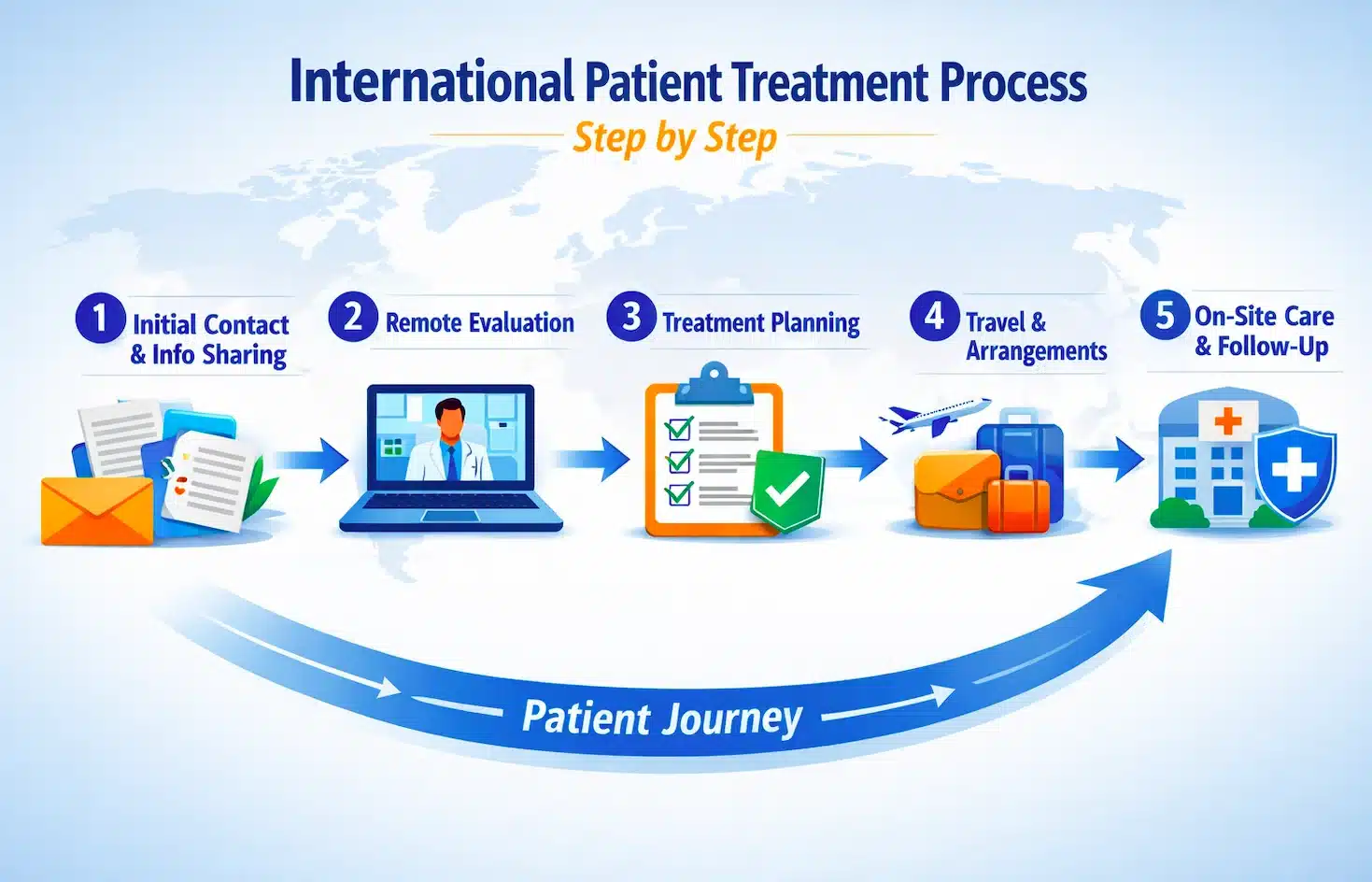
International Patient Treatment Process: From Inquiry to Follow-Up
A full-process guide showing how international treatment journeys should work from first inquiry to quote, travel, treatment, recovery, and aftercare.
Plan the next step clearly
Use this page as a decision-support guide, then move into quote review, treatment comparison, and travel planning with coordinator support.
Decision Context
Patients compare this treatment inside the trip around it
Treatment pages perform better when they acknowledge arrival flow, destination trust, and the recovery rhythm patients are trying to visualise before booking.

The provider decision starts with arrival confidence
Patients compare treatment pages while also asking how first-day logistics, transfers, and scheduling will actually work.

The destination still influences medical trust
A treatment page is stronger when it recognises that the city itself remains part of the decision frame for international patients.

Recovery pacing changes how people evaluate options
Different procedures feel more or less realistic depending on how patients picture the slower hours between appointments.