Fleur-de-Lis vs Extended Tummy Tuck | Which Is Right for You?
Abdominal contouring after significant weight loss is fundamentally different from traditional cosmetic tummy tuck procedures.
- JCI-accredited hospitals
- TEMOS-accredited clinics
- Board-certified surgeons and a licensed clinical team
- 3,000+ international patients treated
- 5-star chain hotel accommodation
- VIP airport transfers
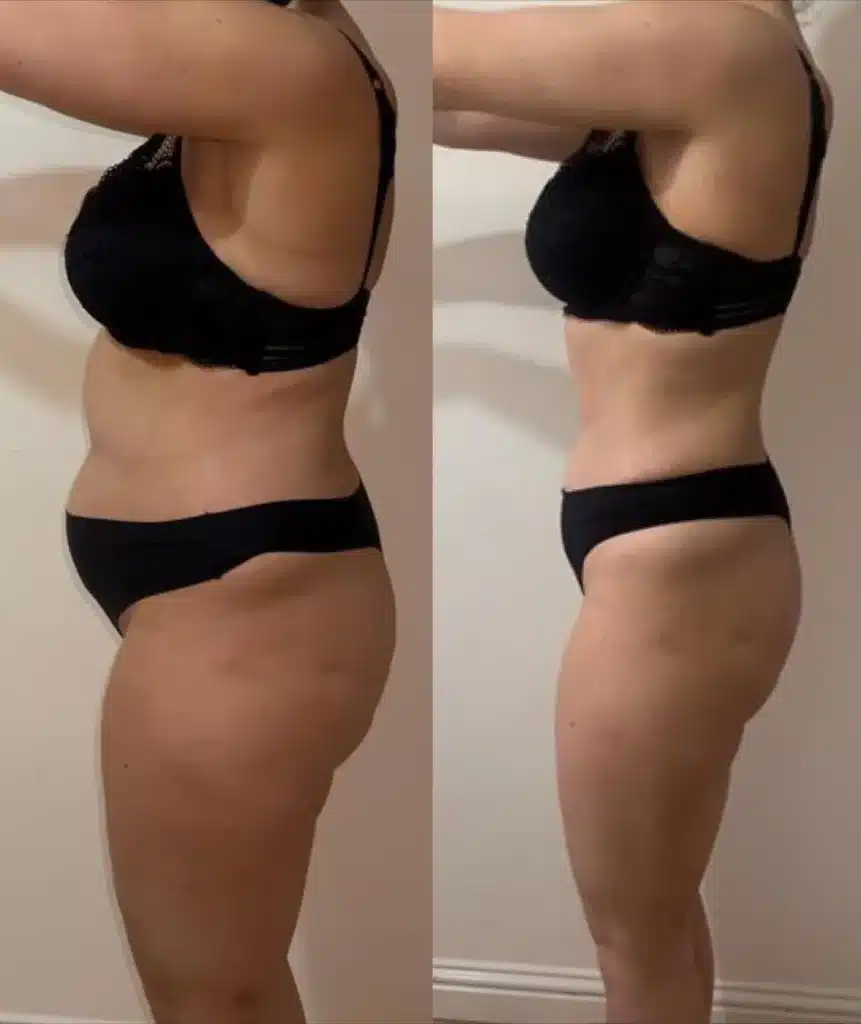
Quick answer
Abdominal contouring after significant weight loss is fundamentally different from traditional cosmetic tummy tuck procedures.
Why Fleur-de-Lis and Extended Tummy Tuck Became Essential After Massive Weight Loss?
Abdominal contouring after significant weight loss is fundamentally different from traditional cosmetic tummy tuck procedures. Patients who lose weight through bariatric surgery, GLP-1 medications, or long-term lifestyle change develop multidirectional skin redundancy —often involving both vertical and horizontal laxity.
This is why the two most powerful reconstructive tools in post–weight loss surgery are the Fleur-de-Lis (FDL) Tummy Tuck and the Extended Tummy Tuck . Each method targets a specific anatomical problem , and neither is interchangeable with the smaller, cosmetic-focused abdominoplasty techniques offered to non–weight loss patients.
How Weight Loss Changes the Abdominal Envelope
The abdominal wall is supported by a layered architecture: skin, subcutaneous fat, fascia, and underlying musculature. After years of expansion, the dermal fibers lose recoil capacity. When weight decreases—especially rapidly—the skin cannot contract uniformly. Most patients develop a combination of:
- Vertical laxity: excess skin running from ribs to pubis,
- Horizontal laxity: excess extending toward the flanks or hips,
- Central apron deformity: draping skin at the midline,
- Lateral descent: skin folding over the pelvic crest.
Traditional tummy tuck techniques address only the lower abdomen and horizontal laxity. They cannot correct the vertical excess or the midline folds commonly seen after massive weight loss.
This anatomical reality is what elevated FDL and extended techniques into the reconstructive gold standard.

Why GLP-1 Patients Form a New Category of Abdominal Laxity
GLP-1 medications have created a large new group of weight-loss patients whose skin behaves differently. Their fat volume decreases rapidly, but the skin has not been chronically overstretched like in bariatric cases. Instead, they experience:
- region-specific deflation,
- central wrinkling,
- softening of the upper abdomen,
- waist-to-ribcage redundancy.
FDL is often the only technique capable of tightening both vertical and horizontal components in these patients. Extended tummy tuck works well when excess is primarily circumferential rather than midline.
Cultural and Psychological Dimensions: Why Patients Seek More Than Flattening
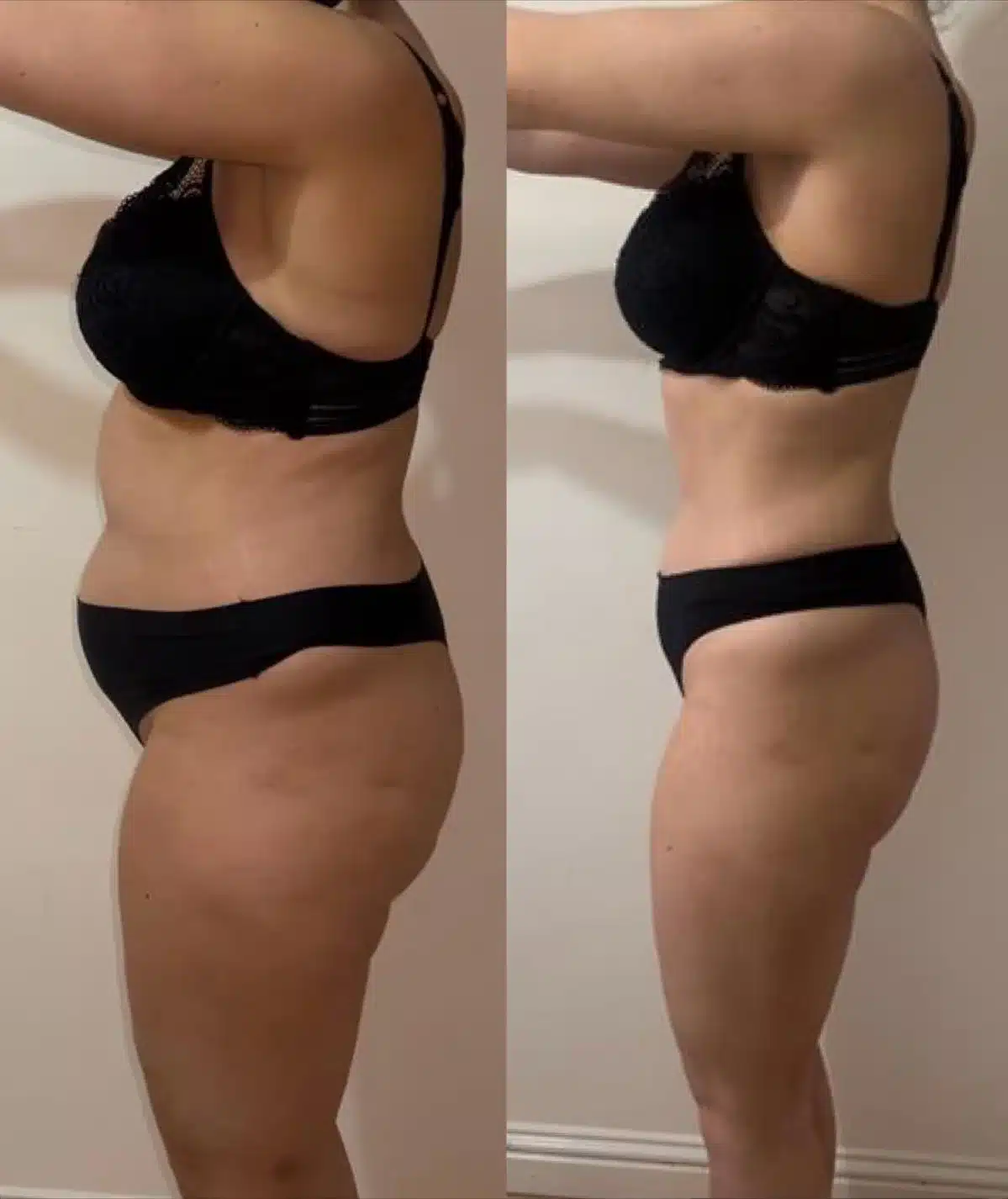
Body image after major weight loss is not just about reducing size; it is about restoring proportion and reclaiming identity. Many patients describe feeling “finished everywhere except the abdomen.” Clothing fits beautifully in some areas but gathers around the midsection. Even after achieving impressive weight-loss numbers, they often avoid fitted clothing or swimwear because of persistent abdominal folds.
The abdomen also holds cultural meaning. A defined waistline, smooth midsection, and balanced torso-to-hip contour are central to how both men and women perceive their silhouette. When laxity remains—especially vertical folds—patients may feel their transformation is incomplete.
Why the Fleur-de-Lis Technique Became the Standard for Midline Redundancy
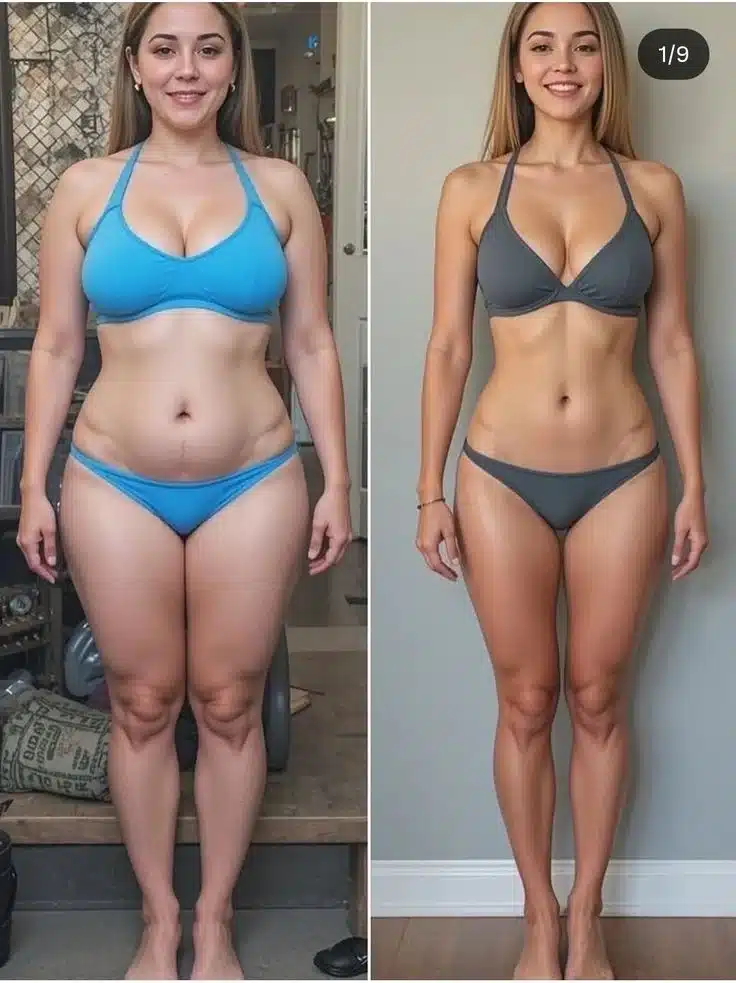
The Fleur-de-Lis approach is the only technique that can remove excess skin in two directions simultaneously . By combining a horizontal lower incision with a vertical midline excision, surgeons can:
- reduce width and circumference,
- tighten the upper and lower abdomen,
- restore waist definition,
- correct central apron deformities.
This method is invaluable for patients with:
- severe vertical laxity,
- post-bariatric midline folds,
- GLP-1–induced upper abdominal creasing,
- asymmetrical redundancy.
The trade-off is a vertical scar—yet for most massive weight-loss patients, the contour improvement outweighs this consideration significantly.
Why the Extended Tummy Tuck Remains Ideal for Lateral and Circumferential Excess
For patients whose primary concerns are:
- flank redundancy,
- lateral skin descent,
- lower abdominal apron without upper involvement,
- hip-to-waist transition loss,
the extended tummy tuck provides a powerful correction without adding a vertical component. It is particularly suitable for those whose midline skin retains moderate elasticity.
Extended abdominoplasty also allows contouring to continue into the flanks, improving silhouette harmony seen from the side and three-quarter views.
How Surgeons Decide Between the Two Techniques
The decision between FDL and extended abdominoplasty is based on anatomical mapping , not patient preference alone. Surgeons assess:
- degree and direction of laxity,
- location of folds and creases,
- remaining subcutaneous fat distribution,
- prior scars,
- waist curvature,
- posture and skin mobility.
If vertical laxity is the dominant issue → FDL is indicated. If horizontal/circumferential laxity dominates → Extended is favored.
Both techniques reflect the evolving needs of modern massive weight-loss patients and the reconstructive sophistication required to achieve balanced, natural outcomes.

Detailed Anatomical Differences: Vertical vs Horizontal Laxity and How Each Technique Corrects Them
The abdomen is not a uniform structure; it expands and contracts in multiple directions depending on weight history, genetics, pregnancy, hormonal influence, and dermal integrity. After significant weight loss, the skin envelope behaves differently in each person.
Understanding the contrast between vertical and horizontal laxity is essential to selecting the correct surgical technique—because choosing the wrong method often leads to incomplete correction, persistent folds, or tension-related complications.
Vertical Laxity: When the Problem Runs From Ribcage to Pubis
Vertical laxity describes excess skin that gathers, drapes, or folds along the midline from the upper abdomen down to the lower abdomen. It is the most defining feature of candidates for the Fleur-de-Lis Tummy Tuck .
Signs of vertical laxity include:
- wrinkling or bunching in the upper abdomen,
- a midline fold that persists even when standing tall,
- hanging skin that narrows toward the pelvis,
- loose central tissue despite strong lateral contour.
This pattern is extremely common in bariatric patients and increasingly seen in GLP-1 patients experiencing rapid deflation.
Why traditional or extended tummy tucks fail to correct it:
- They focus only on horizontal tightening.
- They do not remove skin vertically.
- Residual folds remain above the navel.
The Fleur-de-Lis technique solves this by adding a vertical excision, allowing surgeons to tighten the entire abdominal column from top to bottom.
Zendaya
Horizontal Laxity: The Lateral Redundancy Seen After Massive Weight Loss
Horizontal laxity is characterized by excess skin that extends from side to side rather than top to bottom. It often appears as:
- folds extending toward the flanks,
- sagging “sides” despite a moderate central abdomen,
- a soft waistline with excess gathering above the hips.
This pattern is ideal for the Extended Tummy Tuck , which lengthens the incision laterally to address the flank-to-flank descent.
Extended abdominoplasty excels at correcting:
- lateral fullness,
- collapsed waist definition,
- bulk over the pelvic crest,
- circumferential skin descent.
Combined Laxity: When Patients Need a Hybrid Approach
Many weight-loss patients do not fit neatly into vertical or horizontal categories. Instead, they have a combination of both—often with:
- a midline fold,
- loose upper abdomen,
- sagging flanks,
- thinning dermis across the entire abdominal wall.
In such cases, the surgeon must determine which dimension contributes most to distortion. If vertical laxity dominates, Fleur-de-Lis is selected—even if horizontal redundancy exists. If horizontal laxity is primary, Extended may be sufficient.

The Role of Scar Placement: Aesthetic Balance vs. Structural Necessity
Modern reconstructive abdominoplasty prioritizes scar optimization, but scar placement always follows anatomy—not preference.
Fleur-de-Lis creates:
- a vertical scar from sternum to pubis,
- a horizontal scar low on the abdomen.
Extended creates:
- a low horizontal scar that extends past the hip,
- no vertical component.
Patients often fear the vertical scar, but in massive-weight-loss reconstruction, the trade-off is overwhelmingly positive. Most find the improvement in contour, posture, and clothing fit far more meaningful than the visibility of a well-healed midline scar.
Muscle Plication: When It Is Necessary—and When It Isn't
Diastasis recti (separation of abdominal muscles) is common after pregnancy but less common after weight loss. However, some bariatric patients develop muscle weakening due to prolonged tissue strain.
Muscle repair is indicated when:
- there is visible abdominal bulging,
- the abdominal wall feels unstable,
- the patient experiences lower back discomfort related to core weakness.
Both FDL and extended techniques allow excellent access for plication, though FDL provides superior exposure for upper-midline tightening.
Tension Vectors: Why the Direction of Skin Removal Matters
Every tummy tuck relies on redirecting tension to reshape the abdominal envelope. Inappropriately directed tension can lead to:
- widened scars,
- scar migration,
- residual folds,
- poor definition.
In Extended Tummy Tuck: tension runs horizontally. In Fleur-de-Lis: tension is applied both vertically and horizontally.
This dual-tension mechanism is what makes FDL uniquely powerful—and irreplaceable—for addressing multidirectional laxity.
How GLP-1 Weight Loss Creates New Hybrid Laxity Patterns
GLP-1 patients often show:
- soft wrinkling below the ribcage,
- mild central laxity,
- moderate lateral descent,
- intact dermal thickness in some regions.
Their pattern is less severe than bariatric patients but more complex than traditional candidates. Many require a mini-FDL (shorter vertical component) combined with a moderate extended incision.
These anatomical distinctions are the foundation for the next section, which will explore how surgeons decide which technique is safest and most effective for each patient. This includes preoperative evaluation, clinical mapping, and the hierarchy of reconstructive decision-making.
Hailey Bieber
Clinical Decision-Making: How Surgeons Choose the Right Technique for Each Patient
Choosing between a Fleur-de-Lis and an Extended Tummy Tuck is not a stylistic or patient-preference decision—it is a medical determination based on measurable anatomical factors. Skilled reconstructive surgeons follow a structured decision-making framework that evaluates not just the skin envelope, but also deep tissue behavior, vascular reliability, mobility patterns, and long-term scar stability.
This section outlines the clinical reasoning process used to identify the safest and most effective technique for each individual.
Step 1: Mapping the Direction of Redundancy
The first and most important diagnostic step is determining which direction the skin predominantly collapses .
If the excess moves downward only → Horizontal laxity → Extended Tummy Tuck If the excess moves inward toward the midline → Vertical laxity → Fleur-de-Lis
Surgeons analyze the abdomen in multiple positions:
- standing upright,
- leaning slightly forward,
- lying supine,
- during gentle skin traction.
This reveals natural tension lines and the directionality of redundant tissue.
Step 2: Pinch Thickness & Dermal Integrity Assessment
Skin pinch testing provides insight into:
- dermal thickness,
- elasticity loss,
- stretch-mark patterns,
- blood supply quality.
Patients with extremely thinned or heavily striated skin benefit more from FDL because the vertical excision removes weakened central tissue that horizontal excision alone cannot address.
Step 3: Evaluating Upper Abdominal Redundancy
Traditional abdominoplasty and extended techniques cannot fully flatten the upper abdomen if vertical laxity is present. Surgeons assess whether:
- wrinkling persists above the navel,
- skin folds remain when the patient sits,
- there is a central drape even with muscle engagement.
If the upper abdomen remains loose, FDL becomes the preferred reconstructive method.
Step 4: Waist Definition Analysis
Restoring or enhancing the waistline is a key goal for many patients. Surgeons evaluate:
- rib cage shape,
- flank curvature,
- the extent to which lateral excess blunts the waistline.
Extended Tummy Tuck is superior when lateral fullness dominates, as the incision extends beyond the hip to tighten the entire flank-to-waist region.
Step 5: Influence of Prior Surgeries or Scars
Scars alter skin mobility and may limit safe excision. Surgeons consider:
- prior C-section scars,
- laparoscopic port scars,
- vertical bariatric scars,
- hernia repairs.
Patients with existing midline scars often integrate them into an FDL excision, making the vertical scar a reconstructive advantage instead of a drawback.
Step 6: Muscle Wall Evaluation
Muscle plication is not mandatory for every weight-loss patient. Surgeons check for:
- diastasis recti (widening of muscle gap),
- abdominal wall weakness,
- outward bulging during coughing or bending.
FDL provides greater exposure for repairing upper-midline muscle separation, while extended offers excellent access to lower-midline repair.
Step 7: GLP-1 vs Bariatric Patient Algorithms
GLP-1 patients often present with mild-to-moderate upper abdominal laxity, making them ideal for:
- mini-FDL,
- hybrid FDL with shorter vertical component,
- extended with selective vertical correction.
Bariatric patients frequently require:
- full-length Fleur-de-Lis,
- extended with posterior or lateral continuation,
- staged reconstruction.
The algorithm shifts based on severity, weight trajectory, and dermal quality.
Step 8: Safety Scoring & Staging Decisions
Because abdominoplasty after weight loss involves significant tissue manipulation, surgeons prioritize safety by evaluating:
- anesthesia risk (ASA classification),
- history of clotting disorders,
- BMI and fat distribution,
- nutrition and wound-healing markers,
- nicotine exposure,
- extent of planned excision.
If operative time is projected to exceed a safe threshold, surgeons stage procedures to reduce risks of:
- wound breakdown,
- seroma formation,
- thromboembolism,
- delayed healing.
Staging is a hallmark of responsible reconstructive planning, not a limitation.
Step 9: Umbilical Positioning & Aesthetic Planning
Navel placement is a defining aesthetic detail. Surgeons evaluate:
- natural umbilical height,
- degree of upper abdominal descent,
- skin removal vectors.
FDL allows more control over central tightening, which directly influences umbilical aesthetics, while extended provides balanced lower-abdominal shaping.
Step 10: Patient Expectations & Lifestyle Considerations
The final decision is made by combining anatomical needs with:
- patient comfort with scar visibility,
- goals regarding clothing fit,
- desire for waist emphasis or upper abdominal refinement,
- activity level and recovery capacity.
This collaborative approach ensures that each patient receives the most functional, balanced, and durable result.
The next section will explore real-world applications of these principles, focusing on outcomes, cost differences, recovery timelines, and how NexWell surgeons guide patients through their reconstructive journey across Turkey’s advanced clinical ecosystem.
International Patient Journey, Cost Comparison & Long-Term Outcomes
Patients traveling to Turkey for a Fleur-de-Lis or Extended Tummy Tuck are not simply undergoing a cosmetic improvement—they are completing a deeply meaningful stage of their massive weight-loss transformation. Turkey’s integrated medical tourism infrastructure allows for a structured, safe, and patient-centered reconstructive experience.
This section outlines the full pathway from pre-operative planning to long-term results, along with transparent cost comparisons.
Pre-Arrival Preparation: Establishing a Safe Clinical Pathway
The international patient journey begins weeks before arrival.
Comprehensive medical evaluation includes:
- medical history, bariatric details, and GLP-1 usage,
- abdominal photos in standardized views,
- review of prior surgeries and scars,
- nutritional assessment (ferritin, vitamin D, protein intake),
- confirmation of weight stability.
Patients receive detailed educational guidance through resources such as:
- Aesthetic surgery in Turkey
Once cleared, a personalized surgical plan is created based on whether vertical, horizontal, or mixed laxity dominates.
Arrival in Turkey: A Coordinated Surgical Experience
Upon arrival, patients are welcomed by an integrated care team. The typical pathway includes:
- airport pickup and hotel transfer,
- in-person surgical consultation and abdominal mapping,
- anesthesiology evaluation,
- pre-op instructions covering hydration, mobility, garments, and medication adjustments.
These steps ensure that patients feel informed and supported from day one.
The Day of Surgery: Precision and Patient Safety
Fleur-de-Lis and Extended Tummy Tuck procedures require meticulous planning and precise execution.
During the operation:
- the abdomen is elevated to expose natural tension lines,
- redundant skin is excised according to mapping,
- muscle plication is performed when indicated,
- flanks or midline are addressed depending on technique,
- the umbilicus is repositioned for balanced proportions.
Turkey’s accredited hospitals offer advanced operating rooms, dedicated nursing teams, and enhanced recovery protocols—core components for reconstructive procedures of this magnitude.
Early Postoperative Recovery Timeline
Healing after a Fleur-de-Lis or Extended Tummy Tuck follows structured phases.
Week 1:
- assisted walking to prevent thrombosis,
- drain monitoring,
- controlled posture (slight flexion) to reduce tension,
- garment use for edema management.
Weeks 2–4:
- gradual return to upright posture,
- improvement in abdominal tightness,
- resumption of light daily activities,
- decreased swelling.
Months 2–3:
- near-complete resolution of early swelling,
- increasing comfort during movement,
- early contour stabilization.
Months 6–12:
- scar maturation,
- final refinement of waist and upper abdominal contour,
- stable, long-term shape.
Fleur-de-Lis vs Extended Recovery Differences
Because Fleur-de-Lis involves a vertical scar and dual-direction tension, patients may experience:
- slightly slower early posture correction,
- more noticeable early scar visibility,
- greater transformation in the upper abdomen.
Extended Tummy Tuck recovery tends to be smoother early on but may provide less correction for central redundancy.
Cost Comparison: Turkey vs USA & Europe
Below is a general comparison of typical 2025 pricing for Fleur-de-Lis and Extended Tummy Tuck procedures.
Patients seeking further context on cost efficiency often reference:
- Turkey save you thousands
Long-Term Outcomes: Stability, Definition & Confidence
The final results of a Fleur-de-Lis or Extended Tummy Tuck can be transformative. Patients consistently report improvements in:
- clothing fit,
- posture and comfort,
- definition of the waistline,
- upper and lower abdominal contour,
- self-confidence in social and intimate settings.
FDL offers the most dramatic reshaping for those with vertical redundancy, while extended techniques excel in redefining the waist and flanks.
Scar Maturation & Lifelong Maintenance
Scar improvement follows a predictable pathway:
- Months 1–3: redness and height gradually decrease,
- Months 3–6: pigmentation normalizes,
- Months 6–12: scars flatten and fade noticeably.
Silicone therapy, sun protection, lymphatic drainage, and proper garment use greatly influence final scar appearance.
Expert Insights
Fleur-de-Lis and Extended Tummy Tuck procedures represent two of the most powerful reconstructive tools available to patients who have undergone major weight loss. When matched correctly to individual anatomy, they restore abdominal architecture in ways that dramatically improve daily function, posture, and self-image.
Turkey’s high-volume surgical ecosystem, advanced hospital standards, and integrated patient pathways make it a leading global destination for post-bariatric and GLP-1 reconstructive contouring.
Transform Your Body in Istanbul — From €3,600 All-Inclusive
Tummy tuck, body lift, liposuction and mommy makeover at accredited hospitals. Expert plastic surgeons, 5-night Istanbul package, 12-month aftercare. Save thousands vs UK prices.
No obligation
Get your treatment plan
Send your case and a coordinator returns a written plan and an indicative quote — usually within a day.
Related reading

Treatment Guide
Bariatric Surgery
Advanced bariatric surgery in Turkey: gastric sleeve, bypass and more. Expert surgeons, cutting-edge technology and affordable care for weight loss.

Treatment Guide
Gastric Bypass Turkey Cost 2026 — Roux-en-Y & Mini Bypass Guide
Gastric bypass surgery in Turkey costs $5,000 all-inclusive. Compare Roux-en-Y vs mini bypass, IFSO-accredited clinics, and what’s included in an all-inclusive package with 12-month aftercare.
aesthetic-surgery
Body Lift in Turkey
Turkey has become a leading destination for lower, upper, and full body lift surgery for patients after major weight loss, pregnancy, or severe skin laxity. Surgeons at NexWell's contracted clinics combine reconstructive planning with advanced contouring at significantly lower cost than the UK or USA.
bariatric
Gastric Sleeve Surgery in Turkey
Sleeve gastrectomy is the world's most performed bariatric procedure. Turkey has become the global hub for weight loss surgery — performing thousands annually at a fraction of Western prices.
plastic-surgery
Rhinoplasty Turkey Cost 2026: Open, Closed & Revision Prices
A buyer-focused cost guide for rhinoplasty in Turkey, covering open, closed and revision pricing with package evaluation criteria.
medical-tourism
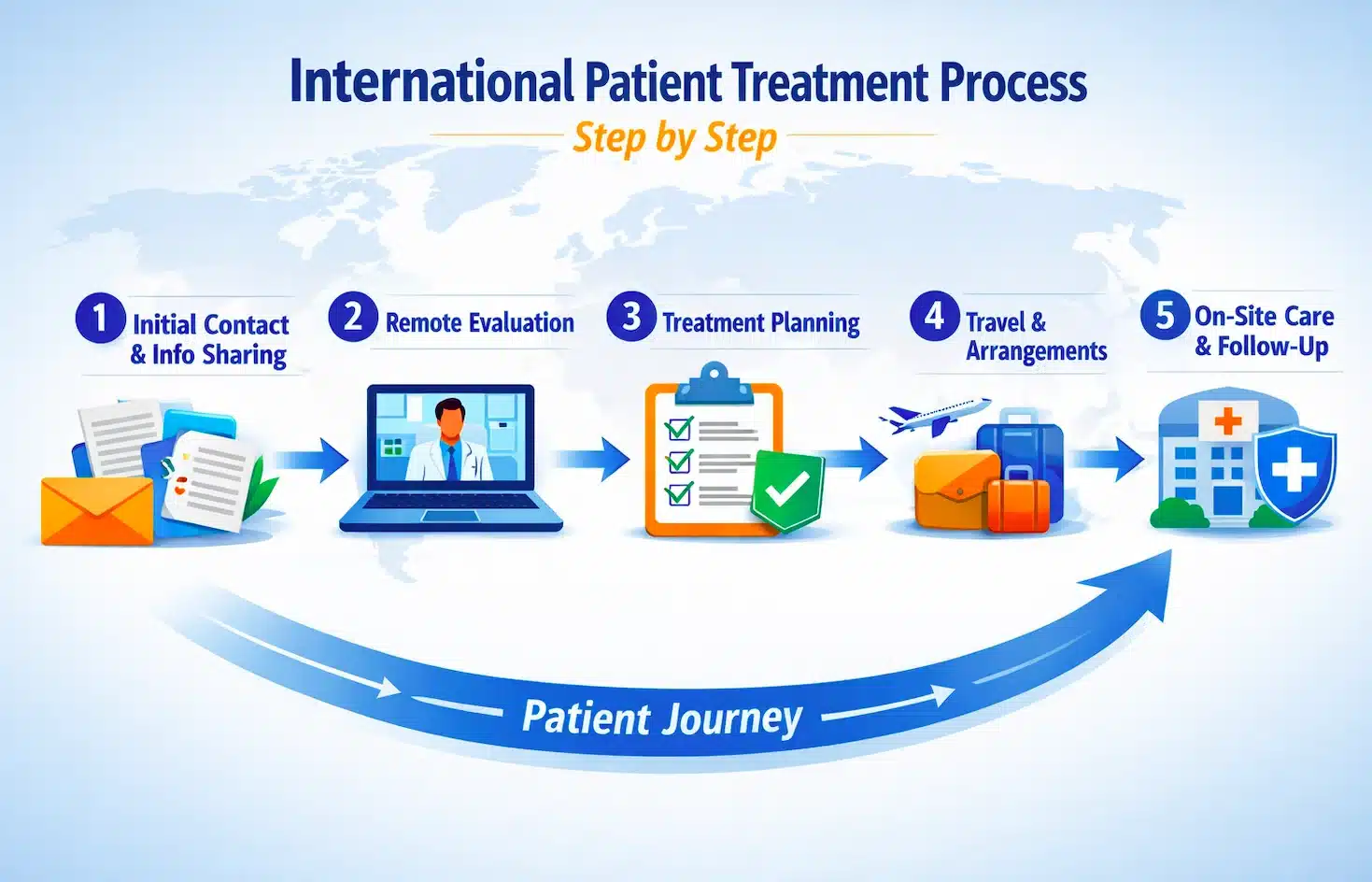
International Patient Treatment Process: From Inquiry to Follow-Up
A full-process guide showing how international treatment journeys should work from first inquiry to quote, travel, treatment, recovery, and aftercare.
Plan the next step clearly
Use this page as a decision-support guide, then move into quote review, treatment comparison, and travel planning with coordinator support.