Body Lift Surgery in Turkey | Cost, Techniques & Expert Insights

body lift

The Modern Purpose of Body Lift Surgery After Major Weight Loss

Body lift surgery has become one of the most transformative and medically meaningful procedures for individuals who experience substantial weight loss—whether through GLP-1 medications, bariatric surgery, or long-term lifestyle change. While weight reduction improves cardiovascular health, mobility, and metabolic function, it also exposes the structural consequences of years spent living in a larger body. Redundant skin is not a cosmetic inconvenience; it is the visible imprint of chronic stretching, weakened connective tissue, altered fat distribution, and collagen depletion. As a result, body lift surgery has evolved into a reconstructive discipline aimed at restoring function, mobility, proportional harmony, and psychological comfort.

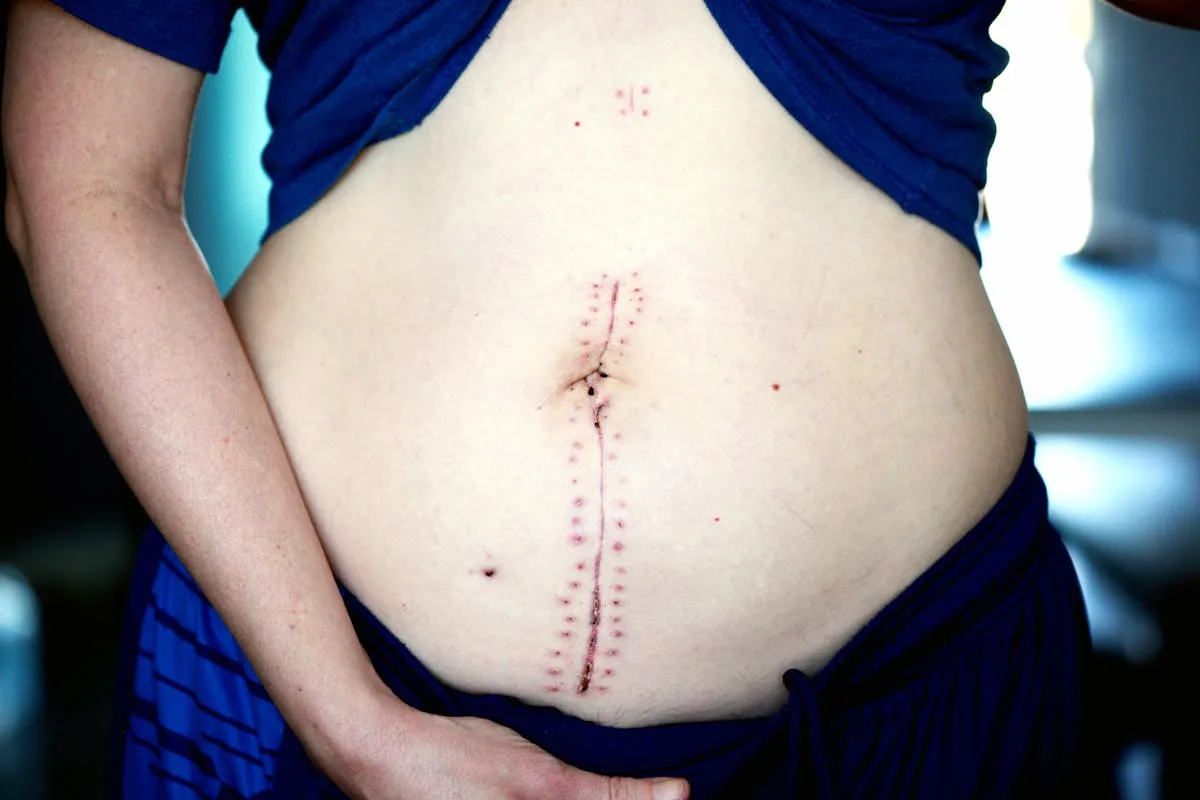
Post-weight-loss patient showing abdominal skin laxity

Why Excess Skin Forms: The Biological Limits of Human Elasticity

Human skin is remarkably adaptive, but it is not limitless. During prolonged obesity, the dermis undergoes continuous mechanical stress. Collagen fibers elongate and lose their compact structure. Elastin, the protein responsible for recoil, becomes fragmented. The extracellular matrix remodels itself to accommodate increasing surface area rather than to preserve elasticity.

When a patient loses 20, 40, or 80 kilograms, the fat beneath the skin may disappear—but the stretched, thinned, and structurally compromised dermis remains. The biological machinery required to rebuild elastin simply does not exist at meaningful levels in adulthood. Even collagen turnover slows dramatically with age, hormonal changes, nutritional deficiencies, and metabolic stress.

This is why, even among individuals who exercise regularly and eat optimally, the skin cannot retract enough to match their new body shape. The issue is anatomical, not behavioral. And this distinction is the foundation of modern reconstructive body contouring.

The GLP-1 Effect: A New Population of Patients Requiring Body Lift Surgery

The global rise of GLP-1 medications such as semaglutide and tirzepatide has introduced a new wave of rapid, medically driven weight loss. GLP-1–associated fat loss is unique because:

  • It occurs rapidly, often faster than the skin can adapt.

  • It preferentially targets visceral fat, changing abdominal projection.

  • It leads to regional rather than global deflation.

  • Patients often consume fewer calories, including reduced protein—slowing collagen repair.

This creates specific laxity patterns: upper abdominal wrinkling, chest wall softening, arm creasing, and waistline flattening. Many of these patients never required bariatric surgery, yet still develop significant excess skin requiring reconstructive intervention.

Because Turkey is a global hub for aesthetic and reconstructive surgery, many GLP-1 patients researching solutions discover NexWell’s structured pathways and internationally trained partner surgeons. Patients exploring comprehensive aesthetic options often begin at:

Body lift surgery is frequently the next step after weight stabilization.

Diagram of circumferential lower body lift technique

Bariatric Surgery and Circumferential Skin Redundancy

While GLP-1 patients often present with localized laxity, bariatric patients typically experience global, circumferential redundancy. After losing 30–50% of total body weight within a year, nearly every anatomical region is affected:

  • abdomen and waist

  • flanks and lower back

  • buttocks and hips

  • thighs (medial and lateral)

  • chest and arms

  • upper back and bra-line area

Because skin expansion occurred over many years, the resulting laxity spans multiple tissue planes. Bariatric patients frequently require multi-stage body lift planning, beginning with a circumferential lower body lift or fleur-de-lis abdominoplasty depending on their individual anatomy and the extent of vertical vs. horizontal skin excess.

Before-and-after contouring results after massive weight loss
 

How Excess Skin Affects Mobility, Function, and Quality of Life

Excess skin is far more than an aesthetic concern—it can impair daily living. Patients often report:

  • difficulty exercising due to skin movement or friction

  • recurrent infections or rashes in folds

  • posture imbalance caused by heavy skin aprons

  • difficulty sleeping comfortably

  • limitations in clothing fit and self-expression

  • emotional discomfort or body-image incongruence

Many individuals express frustration that society praises their weight loss but dismisses the physical consequences of excess skin. For this reason, reconstructive body contouring is increasingly recognized as the completion of the medical weight-loss journey—not an optional enhancement.

The Role of Turkey in Modern Reconstructive Body Contouring

Turkey has become a leading global center for body lift surgery due to its combination of:

  • high surgical volume and expertise

  • advanced hospital infrastructure

  • internationally trained surgeons

  • integrated medical tourism systems

  • significantly more accessible pricing compared to the US and Europe

International patients researching their options quickly discover why Turkey is considered a trusted destination:

This combination of experience, technology, and affordability creates unparalleled value.

Why Body Lift Surgery Has Become a Reconstructive Necessity in 2025

As GLP-1 therapies and bariatric procedures redefine global health patterns, excess skin has become a widespread medical condition. Body lift surgery provides:

  • functional reconstruction

  • restoration of natural body lines

  • improved mobility and hygiene

  • enhanced confidence and emotional closure

For many, removing excess skin is the moment they finally feel aligned with their new body. It allows them to fully reclaim comfort, identity, proportion, and physical freedom.

With the foundations established, we now move into the procedural and decision-based aspects of body lift treatment.

Illustration of skin elasticity loss after prolonged stretching

The Cost Landscape: Turkey vs. USA & Europe

Below is a structured cost comparison table similar to the format we previously used in NexWell content. Values represent common 2025 market averages for comprehensive body lift packages (including hospital, surgeon fee, anesthesia, and postoperative care). These figures support patient expectations while maintaining transparency.

Region / CountryAverage Cost Range (USD)What’s IncludedNotes
Turkey$9,000 – $16,000Hospital stay, surgeon fees, anesthesia, garments, airport transfers, follow-ups50–70% more affordable than Western countries; high surgical volume improves outcomes
United States$40,000 – $80,000+Surgery + facility + anesthesia (follow-ups often extra)Highest global cost; insurance rarely covers post-weight-loss reconstructive work
United Kingdom$28,000 – $45,000Hospital + surgeon + anesthesiaLong waiting lists; limited centers perform full 360 lifts
Germany$25,000 – $40,000Surgery + hospitalizationExcellent reconstructive expertise but high pricing
France$22,000 – $35,000Hospital + surgeonSome partial reimbursement only for functional cases
Canada$26,000 – $40,000Surgery + anesthesiaLong wait times; limited availability in public system
Australia$30,000 – $50,000Private hospital + surgeonCosts depend heavily on insurance exclusions
Gulf Countries (UAE, Qatar, KSA)$20,000 – $35,000Surgery + private hospitalHigh facility quality but pricing significantly above Turkey

This comparison reinforces Turkey’s position as one of the most accessible and experienced destinations for complex body lift procedures.

While prices vary by surgeon experience and procedural complexity, the general cost differences are clear:

  • USA: Among the highest in the world; multi‑area reconstruction often exceeds $40,000–$80,000.

  • Western Europe: Slightly lower but still costly, with long waiting times.

  • Turkey: Typically 50–70% more affordable, with packages including hospital stay, transfers, nursing care, garments, and follow‑up.

Psychological, Social & Cultural Dimensions of Body Lift Surgery

Body lift surgery is not simply a physical transformation; it is an emotional and cultural journey shaped by identity, confidence, social perception, and lived experience. After major weight loss, many individuals confront a new internal reality that does not match the image reflected back to them. Redundant skin becomes a reminder of the past and a barrier to fully stepping into the present. Understanding these psychological and cultural layers is essential for providing safe, empathetic, and effective care.

When the Mind Changes Faster Than the Body

Significant weight loss often triggers a rapid shift in self-perception. Patients begin to view themselves as healthier, stronger, and more confident. Yet the loose skin that remains may continue to express the shape of their former body. This disconnect—known as body image incongruence—can generate frustration, sadness, or even grief.

Many individuals report:

  • difficulty recognizing themselves in the mirror

  • shame or discomfort in social or intimate settings

  • fear of judgment when the skin is visible or moves

  • disappointment when clothing fits awkwardly due to folds

The emotional burden can be heavy, even after achieving the tremendous milestone of weight loss.

Cultural Expectations and the Myth of the “Finished Transformation”

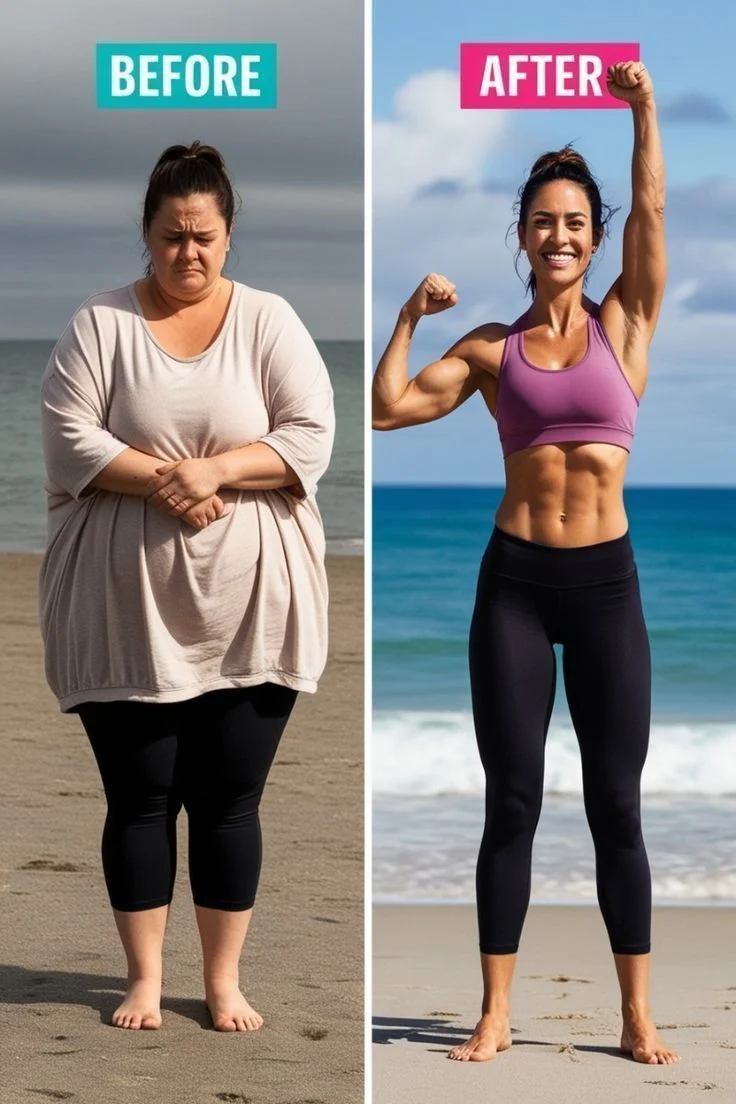
In the age of social media and rapid GLP-1 weight reduction, transformation narratives often look clean and linear: before, after, success. What these stories almost never show is the middle chapter—the months or years living with loose skin. This omission creates unrealistic expectations and contributes to the belief that excess skin is abnormal.

In reality, excess skin is biologically inevitable for most individuals who lose a large amount of weight. The transformation is not complete until the body feels aligned with one’s internal identity, function, and comfort.

NexWell’s educational materials help patients understand this full trajectory, guiding them through each stage with clinical clarity and emotional support.

Gendered Experiences: Different Pressures, Shared Barriers

Men and women experience body lift-related concerns differently:

Women often report challenges related to:

  • breast deflation and asymmetry

  • abdominal laxity affecting femininity and silhouette

  • sagging arms interfering with clothing confidence

  • thigh laxity affecting physical comfort

Men commonly struggle with:

  • chest wall laxity resembling gynecomastia

  • lower abdominal apron interfering with exercise

  • skin movement disrupting athletic performance

Despite these differences, both groups share an emotional desire for proportional harmony, confidence, and restored mobility.

The Role of Intimacy, Vulnerability, and Trust

Excess skin affects intimate relationships in deeply personal ways. Patients may:

  • avoid undressing with lights on

  • feel insecure about folds or scars

  • limit physical closeness despite wanting connection

  • worry about partner judgment

Even in supportive relationships, vulnerability can feel overwhelming. After body lift surgery, many patients describe profound improvements in intimacy and connection—a sign of how deeply physical comfort intersects with emotional wellbeing.

Why Many Patients Travel to Turkey for Body Lift Surgery

The psychological relief provided by body lift surgery is often magnified for international patients who seek comprehensive, coordinated care abroad. Turkey’s reputation for:

  • advanced surgical expertise

  • affordable treatment packages

  • postoperative support systems

  • culturally sensitive clinical communication

makes it a leading destination for those seeking a complete physical and emotional reset.

Patients who want to understand Turkey’s unique position in medical tourism often begin with:

This creates a psychological environment of trust, reassurance, and safety—key components of a successful reconstructive journey.

Transformation as Identity Reconstruction

For many, body lift surgery is the bridge between who they were and who they are becoming. It offers:

  • closure from past physical limitations

  • alignment between internal and external identity

  • restored confidence and autonomy

  • renewed participation in social and physical life

This is why body lift surgery is increasingly understood not as cosmetic enhancement, but as a necessary and transformative continuation of medical weight loss.

Treatment Pathways: From Non-Surgical Methods to Advanced Reconstructive Body Lift Techniques

Body lift surgery sits at the intersection of reconstructive medicine and aesthetic refinement. It is the phase where anatomy, surgical planning, and patient goals converge to restore comfort, mobility, and proportional harmony. Before committing to surgery, patients often explore conservative approaches, but once skin redundancy becomes functionally or emotionally limiting, reconstructive intervention becomes the definitive solution.

Why Non-Surgical Treatments Cannot Replace a Body Lift

Non-invasive devices and skin-tightening technologies are often marketed as alternatives to surgical lifting. While these tools can modestly improve superficial firmness, they cannot reverse the underlying structural changes that cause true skin redundancy. Once the collagen matrix has stretched beyond its capacity and elastin fibers have fragmented, no laser, radiofrequency device, or collagen-stimulating method can eliminate folds or restore contour.

Resistance training and increased muscle tone may provide better support to the overlying skin, but they cannot contract loose dermis. Even patients in peak physical condition may struggle with hanging tissue around the abdomen, thighs, arms, or back.

For individuals who have lost 20–50 kg or more, only surgical excision can create meaningful, lasting improvement.

When Body Lift Surgery Becomes Functionally Necessary

Although often categorized as a cosmetic procedure, body lift surgery becomes reconstructive when excess skin interferes with daily life. Patients frequently experience:

  • painful chafing and irritation

  • recurrent fungal or bacterial infections

  • chronic moisture buildup and odor

  • difficulty maintaining hygiene

  • back pain caused by a heavy lower abdominal apron

  • difficulty walking or exercising due to skin movement

In these cases, body lift surgery is not an aesthetic luxury—it is a medical intervention that restores function and improves health.

Lower Body Lift: The Foundation of Post-Weight-Loss Reconstruction

The lower body lift is the cornerstone procedure for most massive-weight-loss patients. It addresses the abdomen, waist, flanks, lower back, and buttocks in a single circumferential operation.

A typical lower body lift involves:

  • removing excess tissue around the entire midsection

  • tightening the abdominal wall (when combined with abdominoplasty)

  • lifting and reshaping the buttocks

  • smoothing the lateral thighs

  • restoring the natural waistline

This procedure sets the foundation for the patient’s new silhouette and often precedes upper-body or thigh procedures.

Fleur-de-Lis Abdominoplasty: Correcting Vertical and Horizontal Redundancy

For patients with significant midline excess—especially those who lost weight via bariatric surgery—a standard abdominoplasty may not be sufficient. Fleur-de-lis abdominoplasty removes both horizontal and vertical redundancy, tightening the abdomen in two directions. Although it leaves a vertical scar, it offers superior contour for patients with circumferential laxity.

Upper Body Contouring: Completing the Silhouette

Massive weight loss often affects the upper torso just as profoundly as the lower body. Common procedures include:

  • Bra-line Back Lift: Removes upper back rolls and smooths the bra-line area.

  • Arm Lift (Brachioplasty): Corrects hanging tissue on the upper arms.

  • Breast Lift or Chest Reshaping: Restores position and structure after deflation.

  • Lateral Chest Wall Tightening: Refines contours that cannot be addressed with breast or back surgery alone.

These procedures complete the upper-body transformation and allow clothing to fit more comfortably.

Thigh Lift: Addressing One of the Most Challenging Areas

The thighs are among the most complex regions to treat because of:

  • constant movement

  • moisture and friction

  • variable skin thickness

  • lymphatic drainage patterns

A thigh lift may target only the medial thigh or extend circumferentially around the leg. The goal is to improve comfort and mobility while creating a smoother, more proportionate contour.

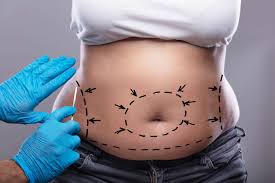
Fleur-de-lis abdominoplasty incision pattern visual

Staged Procedures: Why Body Lift Is Rarely One Operation

Attempting to correct all areas in a single session increases the risks of prolonged anesthesia, wound tension, and complications. For safety, body lift reconstruction is often performed in stages:

  1. Lower Body Lift or Abdominoplasty

  2. Upper Body Lift / Breast / Chest / Arms

  3. Thigh Lift or Additional Refinements

Patients researching this process frequently explore comprehensive guides like:

Staged planning ensures safe recovery and predictable results.

Safety, Technology, and Surgical Expertise in Turkey

Turkey’s high-volume body lift surgeons use advanced methods such as:

  • progressive tension sutures to reduce seroma

  • layered closure to minimize scarring

  • 3D surgical planning for contour symmetry

  • enhanced recovery protocols

This level of refinement makes Turkey one of the most trusted global destinations for major reconstructive transformations.

With a clear understanding of available treatments, we now move into how clinicians determine the safest and most effective pathway for each individual case.

Bariatric patient showing circumferential excess skin

Clinical Decision-Making Framework: Candidacy, Safety, and Anatomical Strategy

Successful body lift surgery begins long before the operating room. It requires a structured, individualized assessment of anatomy, health status, healing capacity, lifestyle, and patient expectations. While online images often simplify the transformation into a “before-and-after” narrative, the real artistry lies in the planning phase—where surgeons determine not only what can be done, but when, how, and in what combination.

Determining Whether a Patient Is a Suitable Candidate

Not everyone seeking body lift surgery is immediately ready for reconstructive contouring. Surgeons evaluate a cluster of medical and behavioral criteria:

  • Stable weight for at least 3–6 months: Weight fluctuation increases tension on incisions and compromises results.

  • BMI ideally below 30–32: Not a strict cutoff, but higher BMI correlates with increased surgical risk.

  • Adequate nutritional status: Protein intake, ferritin levels, vitamin D, and overall metabolic health directly influence wound healing.

  • No nicotine exposure: Nicotine severely impairs skin blood flow and dramatically increases complication rates.

  • Controlled chronic conditions: Diabetes, thyroid disorders, anemia, and hypertension must be managed ahead of surgery.

  • Psychological readiness: Patients must understand scarring, recovery time, and realistic outcomes.

When uncertainty exists, clinicians often guide patients toward educational resources such as:

This helps set appropriate expectations before they travel.

Postoperative mobility guidance for body lift patients

Skin Quality as the Central Determinant of Surgical Planning

After massive weight loss, skin behaves differently across regions. Surgeons examine:

  • dermal thickness

  • presence of stretch marks

  • recoil ability

  • tissue elasticity

  • distribution of remaining fat

  • previous scars affecting incision placement

Thin, stretch-marked skin typically requires larger excision patterns, while thicker dermis may allow shorter incisions with smoother results. This assessment shapes every anatomical decision—from whether to use a fleur-de-lis pattern to how high the posterior lift should sit.

Mapping the Body as a Connected System

Body lift surgery is fundamentally circumferential anatomy management. Tightening one area inevitably affects another. For example:

  • Tightening the abdomen changes tension on the lateral thighs.

  • Lifting the lower back reshapes buttock projection.

  • Arm lifts influence axillary contour and upper torso lines.

Viewing the body as a network—not isolated regions—prevents disharmony and ensures proportionate, natural results.


Establishing a Safe and Logical Surgical Sequence

Attempting all procedures at once would be dangerous and unnecessary. The most predictable and safe outcomes occur in stages, beginning with the areas that most influence posture and body mechanics.

A common sequence is:

  1. Lower Body Lift or Abdominoplasty Foundation

  2. Upper Body Lift / Bra-Line Lift / Breast or Chest Reshaping

  3. Arm or Thigh Lift as Final Refinements

This order protects circulation, reduces anesthesia time, and allows tissues to settle before the next stage.

Patients unfamiliar with this approach often believe they need everything at once, but staged reconstruction produces far better functional and aesthetic outcomes.

Cultural Anatomy and Ethnic Proportionality in Surgical Planning

Every patient brings a distinct anatomical heritage shaped by ethnicity, gender, and genetic patterns. NexWell surgeons pay particular attention to:

  • waist-to-hip ratio variations in Mediterranean and Middle Eastern body types

  • scar visibility tendencies in darker skin tones (Fitzpatrick IV–VI)

  • natural limb proportions in Northern European physiology

  • differences in fat distribution between men and women

The goal is not to impose a standardized ideal, but to restore proportion, balance, and ethnic identity in a way that feels authentically aligned with the patient.

Safety Protocols That Define High-Quality Body Lift Surgery

Safety is the foundation of every reconstructive decision. Leading Turkish surgeons follow strict optimization pathways, including:

  • preoperative blood tests (CBC, ferritin, albumin, vitamin D)

  • thrombosis risk assessment and DVT prophylaxis

  • cessation of GLP-1 medication before anesthesia when indicated

  • enhanced recovery protocols to reduce postoperative pain

  • use of progressive tension sutures to minimize seroma

These measures significantly reduce complications such as fluid buildup, wound separation, and delayed healing.

Building Realistic Expectations Through Transparent Communication

Patients appreciate clarity. Surgeons must outline:

  • expected scarring patterns

  • typical swelling timeline (3–6 months)

  • muscle repair recovery differences

  • activity restrictions

  • garment use duration

  • likely need for staged procedures

The objective is improvement, not perfection. When aligned expectations meet skilled surgical planning, patient satisfaction is extraordinarily high.

With candidacy and planning established, we now move toward the final element of body lift guidance: the full international patient pathway, cost transparency, and long‑term outcomes.

International Patient Journey, Cost Transparency & Long‑Term Outcomes

Body lift surgery has become one of the most sought‑after reconstructive procedures among international patients traveling to Turkey. Beyond the technical complexities of contouring, what defines a successful transformation is the total patient journey—from the moment someone begins researching solutions to the day they reclaim full physical and emotional comfort. NexWell’s coordinated model brings structure, predictability, and clinical safety to every stage of this experience.

Why Turkey Leads in Post‑Weight‑Loss Reconstructive Surgery

Turkey’s rise as a global center for advanced body contouring is not accidental. It is the result of three converging strengths:

  • High surgical volume: Surgeons regularly perform complex 360° lifts, fleur‑de‑lis procedures and multi‑stage reconstructions.

  • Modern hospital infrastructure: Accredited facilities using advanced monitoring systems and post‑operative recovery protocols.

  • Accessible pricing: Total costs remain significantly lower than the US and Europe—without sacrificing medical standards.

Patients researching the broader advantages of treatment abroad often explore resources such as:

The Pre‑Arrival Pathway: How International Patients Are Prepared

NexWell has refined a clear, medically grounded pathway for patients traveling from the US, Europe, the Gulf countries, Australia, and beyond. The journey begins long before the flight:

  1. Digital medical consultation: Patients submit history, weight‑loss patterns, medications (including GLP‑1 use), and photographs. Surgeons evaluate candidacy and outline possible surgical sequences.

  2. Weight‑stability confirmation: Stabilization is essential for predictable results. When needed, NexWell provides dietary and protein‑optimization guidance.

  3. Medical clearance: Preoperative labs, cardiovascular screening, and coordination with local physicians ensure global safety compliance.

  4. Expectation mapping: Patients receive a personalized roadmap detailing incision placement, likely staging, downtime, and garment protocols.

This structured preparation reduces uncertainty and eliminates the rushed decision‑making that often occurs in unregulated medical tourism environments.

Arrival, Pre‑Op Day & Hospital Experience

Upon landing, patients follow a coordinated pathway:

  • airport transfer to a hotel close to the clinic

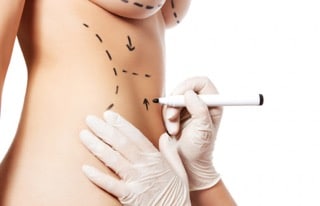
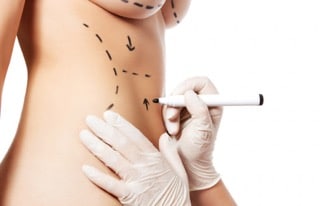
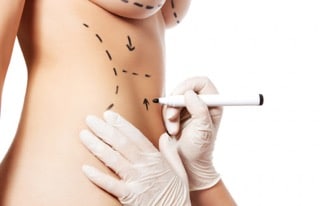
  • in‑person consultation and surgical marking

  • final preoperative labs and anesthesiology assessment

  • review of garments, drain care, mobility expectations, and risks

High‑volume Turkish centers perform body lift surgery with multidisciplinary teams including anesthesiologists, reconstructive surgeons, nurses, and physiotherapists.

The Cost Landscape: Turkey vs. USA & Europe

While prices vary by surgeon experience and procedural complexity, the general cost differences are clear:

  • USA: Among the highest in the world; multi‑area reconstruction often exceeds $40,000–$80,000.

  • Western Europe: Slightly lower but still costly, with long waiting times.

  • Turkey: Typically 50–70% more affordable, with packages including hospital stay, transfers, nursing care, garments, and follow‑up.

Patients evaluating affordability often consult:

Lower cost does not reflect reduced quality—it reflects the country’s economic structure and high surgical volume.

Recovery, Mobility & Long‑Term Functional Outcomes

Recovery after a lower body lift or circumferential contouring unfolds in stages:

  • Week 1: Controlled mobility, drain care, gradual expansion of movement.

  • Weeks 2–4: Increased independence, reduced tightness, return to light daily activities.

  • Months 2–3: Significant reduction in swelling; early contour visible.

  • Months 6–12: Full tissue settling, scar maturation, and final shaping.

Most patients describe dramatic improvements in:

  • walking comfort

  • athletic performance

  • hygiene and skin‑fold relief

  • clothing fit

  • posture and balance

  • emotional confidence

Psychological Closure: Completing the Transformation Journey

After living in a body marked by weight fluctuation, many individuals describe body lift surgery as the moment they finally “arrive” in their new identity. The emotional relief is powerful:

  • the past no longer appears in every fold

  • the mirror reflects their effort and discipline

  • intimacy becomes easier and more comfortable

  • social participation increases

  • self‑expression through clothing returns

For patients who have carried both physical and psychological weight for years, body lift surgery becomes not just an operation—but a closure.

Nexwell Expert Insights

Body lift surgery represents the final, restorative phase of massive weight‑loss transformation. It brings the body into alignment with the individual’s renewed health, mobility, and identity. Turkey’s surgical expertise, accessibility, and coordinated pathways allow patients to complete this journey safely and meaningfully.

Written by NexWell Experts

Transform your body with NexWell’s advanced body lift procedures in Turkey.

Contact us today for a free consultation!