Life After Full Mouth Dental Implants: What It Actually Feels Like
What daily life is really like after full mouth dental implants: eating freely, adapting speech, reduced self-consciousness, and how the experience shifts quietly over months and years.

Quick answer
What daily life is really like after full mouth dental implants: eating freely, adapting speech, reduced self-consciousness, and how the experience shifts quietly over months and years.
Most people imagine life after full mouth dental implants as a single moment: the day everything is 'done.' In reality, the change is quieter and more gradual. It shows up in how you eat, how you speak, and how often you stop thinking about your teeth at all. This page is not about dramatic before-and-after stories.
It is about what patients commonly notice in daily life once full-arch rehabilitation becomes part of their routine.
The Early Days: Awareness and Adjustment
In the first days and weeks, most patients are very aware of their mouth. This does not necessarily mean discomfort. It is simply new. The tongue explores unfamiliar contours. Muscles adapt to a bite that no longer shifts. Chewing may feel deliberate rather than automatic.
This heightened awareness is temporary. As adaptation progresses, attention gradually moves away from the teeth and back to the activity itself: eating, speaking, living. Patients who have been warned to expect this adjustment phase navigate it much more comfortably than those who interpreted it as a sign that something was wrong.

Eating Without Hesitation
One of the most consistent changes patients describe is not eating 'better,' but eating more freely. Meals stop requiring strategy.
Foods that were previously avoided because of instability, discomfort, or fear of breakage are often reintroduced gradually. The key shift is psychological: chewing no longer feels risky.
Over time, many patients notice they are no longer cutting food excessively small or favouring one side of the mouth. Eating becomes symmetrical again, something most people do not realise they had lost until it returns.

Tool · instant estimate · no sign-up
How much would your implants cost in Turkey?
Enter the quote you were given at home and see your typical all-inclusive Turkey price for All-on-4, All-on-6 or full mouth implants — plus your estimated saving, instantly.
Speech, Pronunciation, and Confidence
Speech changes are a common concern, especially for patients who have worn dentures or experienced bite collapse.
In the early phase, certain sounds may feel different. This is usually related to tongue position, tooth contours, or vertical dimension changes, all of which the brain adapts to quickly.
Most patients report that speech normalises gradually, often without conscious effort. When provisional phases are used thoughtfully, phonetic adaptation tends to be smoother.
The deeper change is confidence: speaking without worrying about movement, clicking, or slippage. Many patients describe this as a shift in social ease that they had stopped expecting.
How the Bite Feels Over Time
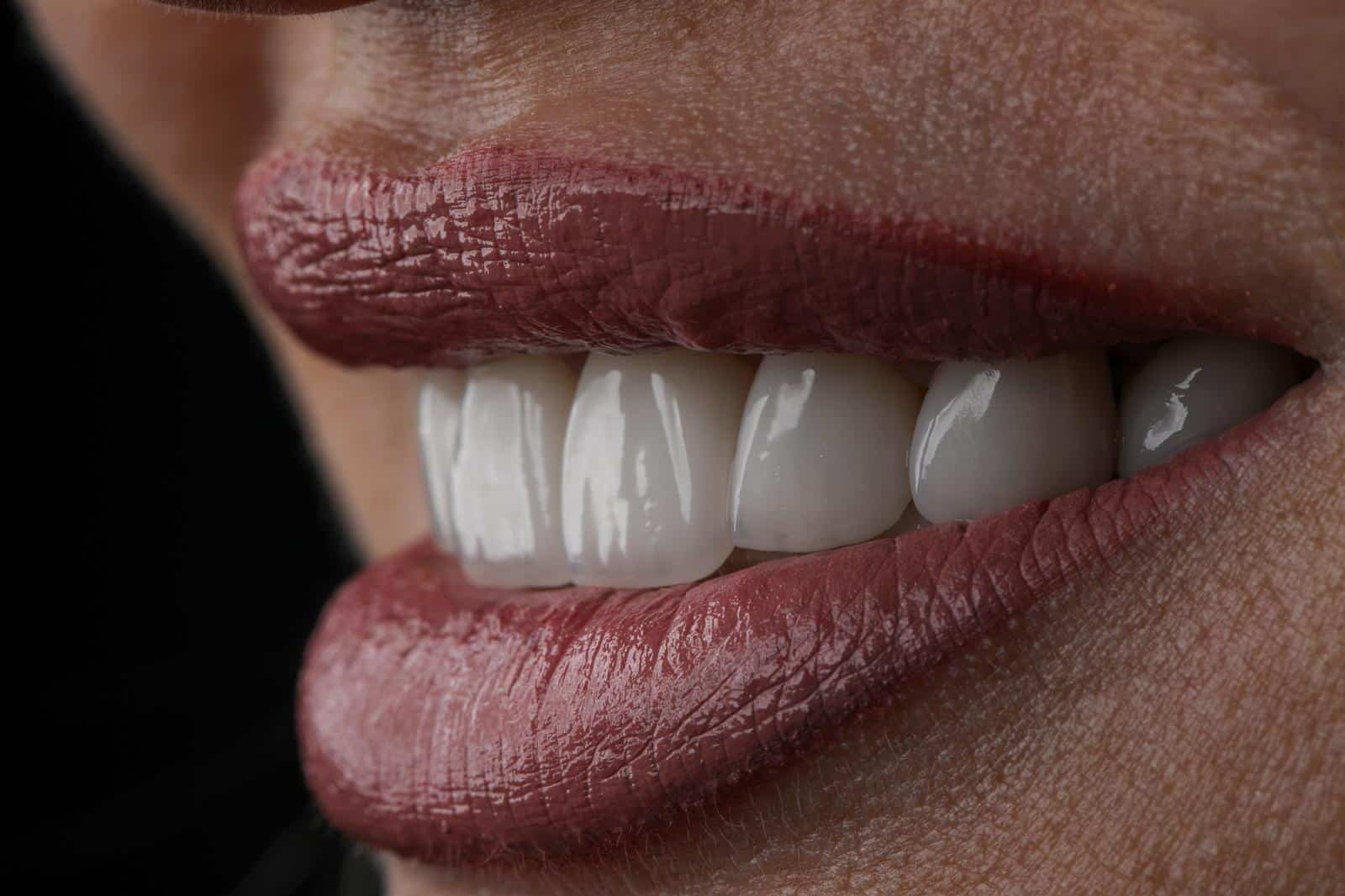
A stable bite often feels unfamiliar at first, especially for patients who lived for years with shifting contacts or collapsed support.
As muscles adapt, the bite begins to feel 'settled.' Closing the mouth becomes repeatable. There is less searching for a comfortable position.
Many patients describe this as subtle relief: not dramatic, but persistent. The jaw no longer works to compensate. Over months, this reduction in muscular effort is felt in fewer headaches, less jaw tension, and easier sleep for those who previously clenched.
What Changes Months and Years Later
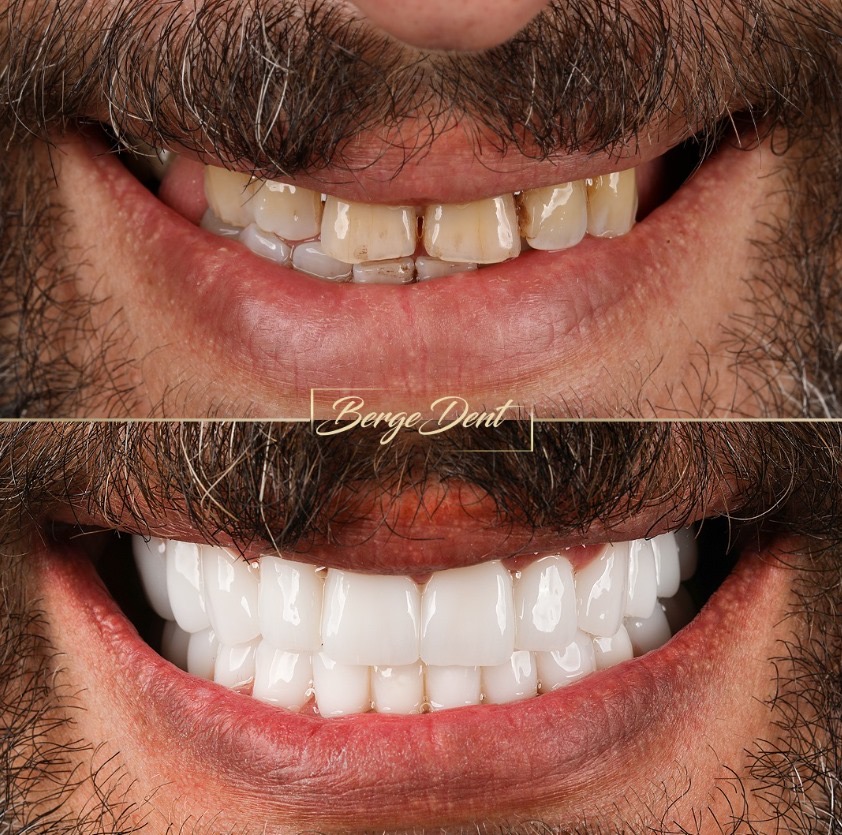
Over the long term, full mouth implant rehabilitation becomes less of an 'experience' and more of a background system.
Maintenance visits feel routine rather than corrective. Adjustments, when needed, are addressed early. The focus shifts from fixing problems to preserving stability.
Patients who understand that maintenance is a normal and expected part of the system tend to feel more secure and less anxious about their dental future. Life after full mouth dental implants is rarely defined by a single moment of transformation. It is defined by the gradual return of ease: eating, speaking, and engaging without constantly managing dental limitations.
Frequently asked questions
How long does the adjustment period last after full mouth implants?
Most patients feel a meaningful reduction in awareness within four to eight weeks. Full neuromuscular adaptation, where the bite feels natural and automatic, typically takes three to six months, longer for patients who had significant functional compromise before treatment.
Will I be able to eat normally after full arch implants?
Yes, for the vast majority of patients. The transition is gradual: starting with softer foods and progressing as healing allows. Most patients reach a point where food avoidance is no longer necessary, which is often one of the most valued functional gains.
Will my speech change after full mouth implants?
Some patients notice minor speech adjustments in the early weeks, particularly with certain sounds. This typically resolves as the tongue adapts to new tooth contours. Provisional phases make this transition easier.
How much maintenance is required long term?
Professional cleaning and review every three to six months is standard for full-arch patients. Home hygiene using appropriate tools (interdental brushes, water flossers) is essential. Minor prosthetic servicing may occur periodically; this is a normal part of the system's lifecycle, not a sign of failure.
Does having full mouth implants affect confidence in social situations?
Consistently yes. The reduction in self-monitoring, no longer worrying about movement, sound, or appearance during conversation and eating, is one of the most frequently reported improvements by patients at six- and twelve-month follow-up.
Guide: The Complete Medical Tourism Handbook
Cost comparisons, clinic evaluation checklist, packing list & recovery tips. Everything you need to plan your treatment in Turkey.
Related reading
dental
How Long Do New Teeth Last? Implants, Bridges & Dentures
How long do new teeth last? Dental implants can last 15–25 years or a lifetime, while the bridge or crown on top is usually replaced every 10–15 years. Here's the lifespan of each option and what actually decides how long yours survive.
dental-treatments
Full Mouth Dental Implant Risks and Complications: A Realistic Overview
A clear, clinical overview of full-arch implant risks: biologic, mechanical, and force-related. Understanding complications in advance is what makes long-term outcomes manageable.
dental-treatments
Do I Need Full Mouth Dental Implants? Candidacy Checklist
Learn how dentists evaluate whether full mouth dental implants are appropriate for you: clinical signals, common candidacy profiles, reasons to delay, and questions to ask before deciding.
dental-treatments
Full Mouth Dental Implants Turkey: Planning, Cost Logic and Case Selection
A buyer-focused guide to full mouth dental implants in Turkey, including who qualifies, what changes the budget, and how to compare All-on-4, All-on-6, and staged rehabilitation.
dental-implant-guides
All-on-4 vs All-on-6 Dental Implants: Which Full-Arch Solution Is Right for You?
A clinical comparison of All-on-4 and All-on-6 full-arch implant systems: load distribution, bone requirements, cost differences, and which option suits your jaw anatomy.
dental
New Teeth in Turkey: Implants, All-on-4 & Fixed Teeth Explained
Want 'new teeth'? This dentist-reviewed guide explains your fixed options in Turkey: single implants, All-on-4, All-on-6 and full-mouth, how they compare to dentures, what they cost, how long treatment takes, and how to choose a clinic.
Written by the NexWell editorial team. Medically informed content. How we create content
Social Comfort and Reduced Self-Awareness
Social situations often reveal the biggest change. Laughing, eating in public, or speaking without monitoring the mouth becomes easier.
Patients frequently report that they stop checking their teeth in mirrors or thinking about how they look while speaking. Attention shifts outward instead of inward.
This reduced self-awareness is one of the most consistent long-term benefits of full-arch rehabilitation, even though it is rarely mentioned in promotional materials. The absence of a problem is harder to photograph than a smile.