Dental Implants FAQ: Your Complete Guide to Treatment, Success, and Long-Term Care
A complete guide to dental implants: how they work, who's a candidate, the treatment process, recovery, cost factors, and long-term care.
Quick answer
A complete guide to dental implants: how they work, who's a candidate, the treatment process, recovery, cost factors, and long-term care.
- Technical definition: A dental implant is a titanium screw surgically placed into the jawbone to support a crown, bridge, or denture, restoring both function and appearance after tooth loss.
- Osseointegration: Implant success depends on the biological fusion between the implant surface and surrounding bone; this typically takes 3 to 6 months.
- Pain during surgery: Local anesthesia prevents pain during the procedure; post-operative discomfort is mild to moderate and expected.
- Total treatment time: Accounting for diagnosis, planning, surgery, healing, and final restoration, a complete cycle typically ranges 4 to 9 months.
- Durability and lifespan: With proper maintenance, the implant fixture can serve for decades; the crown is a replaceable component that may need renewal over time.
- Success factors: Implant success depends on a combination of surgical technique, bone quality, overall health, oral hygiene, and surgeon experience.
Conclusion: Comprehensive Evaluation and Decision-Making
Dental implants are among modern dentistry's most successful tooth replacement options; however, they aren't the right choice for everyone. The decision requires weighing individual biological and practical factors.
If you're missing one or more teeth:
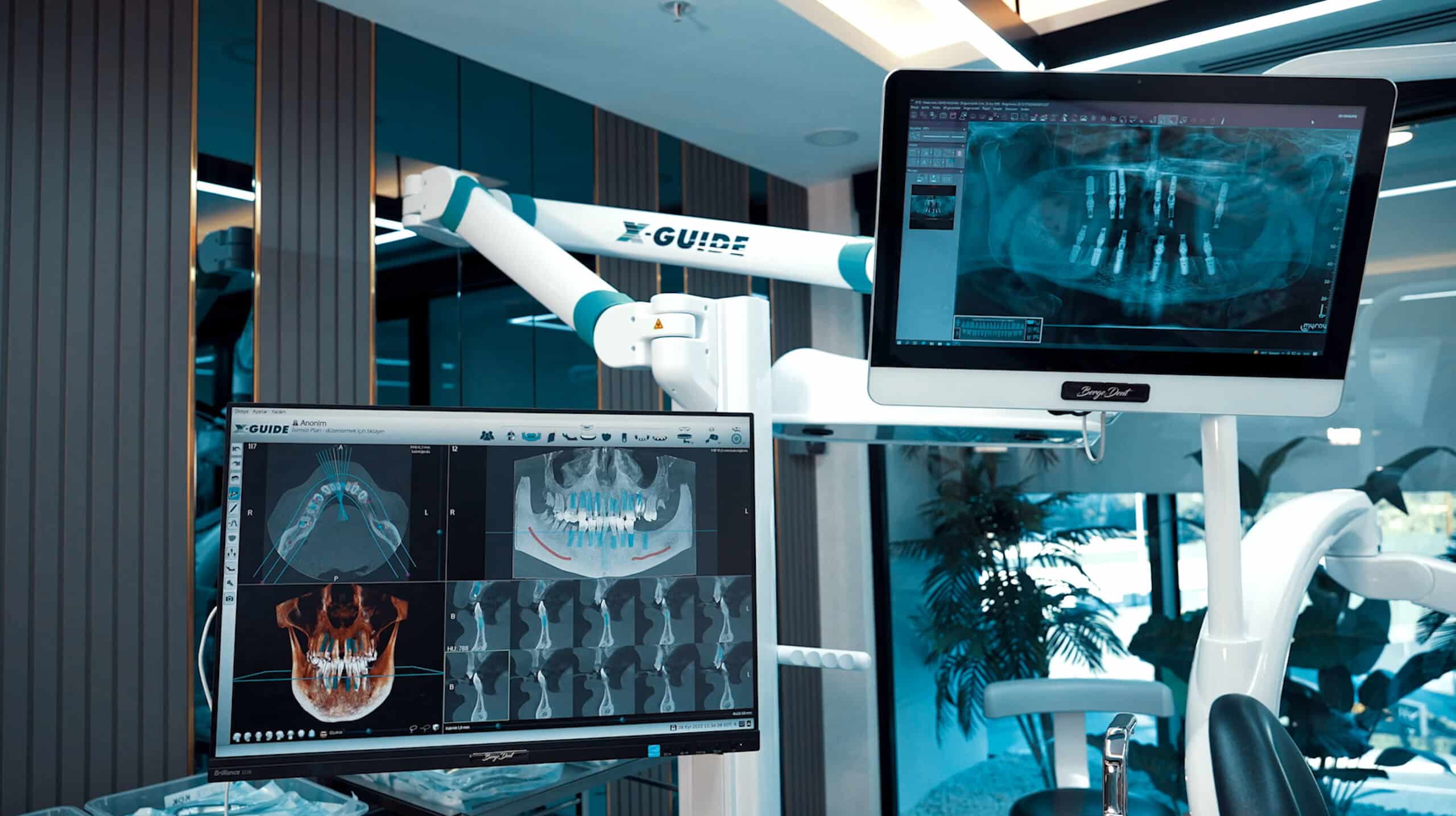
- Get 3D imaging (CBCT).
- Have a detailed clinical examination.
- Consult a dentist with adequate implant training and experience.
- Review your options: implant, bridge, or denture, which best fits your situation?
- Request a written treatment plan and cost breakdown.
- Ask your questions and voice any concerns openly.
Implant success rests on three pillars: an informed decision, an experienced surgeon, and long-term commitment (oral hygiene and regular check-ups). Clinical literature shows that appropriately selected candidates can achieve and maintain high success rates over 10–20+ years; however, exact rates vary by study, and individual outcomes depend on evaluation by your dentist.
This article is for general informational purposes and does not replace personal medical advice. Diagnosis, candidacy evaluation, and treatment planning require examination and assessment by an experienced dentist. This article has been reviewed by dental professionals with clinical expertise.
Tool · instant estimate · no sign-up
How much would your implants cost in Turkey?
Enter the quote you were given at home and see your typical all-inclusive Turkey price for All-on-4, All-on-6 or full mouth implants — plus your estimated saving, instantly.
Your Next Step: A Personalised Assessment
This guide is educational and is not a substitute for an in-person clinical examination. Whether a treatment is right for you, and which approach makes sense, can only be confirmed by a qualified dentist who reviews your specific case, imaging and health history. If you are weighing your options, the most useful next step is a personalised assessment.
NexWell can arrange a no-pressure assessment of your situation, with your case reviewed directly by the specialists we work with.
Frequently asked questions
What is a dental implant?
A dental implant is a screw-like fixture, typically made of titanium or a titanium alloy, that replaces the root of a missing tooth. It has three main parts: the fixture, which your dentist surgically places into the jawbone; the abutment, a connector that links the fixture to the visible restoration; and the crown or denture on top, which restores appearance and function. Implant success depends on osseointegration. The biological fusion between the titanium surface and the surrounding bone, during which bone-forming cells (osteoblasts) gradually build new bone tissue around the implant so it can bear chewing load like a natural tooth root.
Who is a good candidate for dental implants?
Good candidates generally have adequate bone density and volume (at least around 5–6 mm in width and 10 mm in height) to secure the implant, and healthy or well-controlled gum tissue: active periodontitis needs to be treated first. Patients whose jawbone growth is complete, generally from age 18 onward, can be candidates, and there's no upper age limit for healthy older adults. Smoking, certain medications (blood thinners, immunosuppressants, bisphosphonates), bone diseases such as osteoporosis, and a history of jaw trauma aren't automatic disqualifiers, but they do call for careful evaluation. Final candidacy is only confirmed after 3D imaging (CBCT) and a detailed clinical exam.
What does the dental implant treatment process involve, step by step?
Treatment moves through several phases: diagnosis and planning with CBCT imaging (1–2 weeks); preliminary procedures such as bone grafting or a sinus lift if bone volume is insufficient (2–6 months, when needed); the surgical placement itself under local anesthesia, typically 20–90 minutes; osseointegration, the 3–6 month healing period (often around 4 months) during which the implant fuses with the bone; a second minor procedure and impressions if needed; and finally, fitting and securing the custom-made crown. For straightforward cases with adequate bone, the full process typically takes 4–5 months; cases needing grafting or a sinus lift can extend to 8–10 months.
Is getting a dental implant painful?
During surgery, local anesthesia prevents pain: most patients notice pressure, traction, or vibration rather than pain. Afterward, mild to moderate soreness is expected, peaking in the first 24–48 hours alongside swelling and bruising, and generally improving significantly by day 3–5; most discomfort resolves within 1–2 weeks. How much discomfort you feel depends on factors like the extent of surgery (a single implant versus grafting), bone density, your surgeon's skill, your anxiety level, and how well you follow post-operative care such as icing the area.
What is the healing timeline after dental implant surgery?
In the first few hours there's minimal oozing and swelling begins; pain and swelling typically peak on day 1 and stay elevated through days 2–3, when soft foods are recommended. By days 4–7, swelling clearly decreases and oral hygiene gradually resumes. Over weeks 2–3, swelling mostly resolves and light chewing can restart, and by month 1 the surgical site looks nearly normal with gum tissue substantially healed. Osseointegration continues quietly through months 2–3 and is largely complete by months 3–6 or beyond, at which point the crown is placed and the tooth is used comfortably in daily life.
How long do dental implants last?
With proper care, the titanium implant fixture itself can function for decades: many patients use the same implant for life, with success depending on bone quality, surgeon skill, oral hygiene, and avoiding smoking, alcohol, and unmanaged systemic disease. The crown on top is a separate, replaceable component that typically lasts 5–15 years depending on material and wear, and can usually be renewed without disturbing the underlying implant as long as the bone-implant bond remains healthy.
What factors influence the cost of a dental implant?
Cost depends on the number of implants needed, whether bone grafting or a sinus lift is required, the implant system used (premium international brands versus domestic systems), the crown material (metal-ceramic, all-ceramic, or zirconia), the laboratory used, how much diagnostic imaging is needed, any cosmetic refinements, and the surgeon's expertise and reputation. A single implant with adequate bone and a standard system tends to fall in a mid-to-high range, while multiple implants with grafting and a premium system cost more. Because pricing varies significantly by clinic and region, it's worth requesting a detailed written treatment plan and cost breakdown that clarifies what is and isn't included.
How does smoking and other risk factors affect implant healing?
Smoking is one of the most well-documented risk factors for implant failure: nicotine reduces blood flow to the surgical site, slows bone healing, increases inflammation and infection risk, and clinical studies consistently show higher failure rates in smokers. Ideally, patients quit at least 4 weeks before surgery and avoid smoking through osseointegration (at least 3–6 months). Other risk factors that call for closer management include uncontrolled diabetes, which raises infection risk and slows healing; bisphosphonates and blood thinners, which need to be coordinated with your dentist and physician; long-term steroid use; and active periodontal disease, which must be treated before implant placement since peri-implantitis is a leading cause of implant loss.
How should you care for a dental implant after placement?
Brush at least twice daily with a soft-bristle brush for 2–3 minutes, and clean between the implant and adjacent teeth at least once a day with floss or an implant-safe interdental brush, since the implant-gum attachment is more delicate than around a natural tooth. Your dentist may recommend an antimicrobial rinse during early healing. Professional check-ups are usually scheduled every 3–4 months in the first year and at least every 6 months to a year afterward, with careful, implant-safe cleaning to avoid scratching the surface. It's best to avoid chewing hard objects like ice or hard candy, manage nighttime grinding with a night guard if needed, and gradually resume sports as osseointegration progresses, with a protective mouthguard for contact sports.
What are the treatment options if there isn't enough jawbone for an implant?
If bone volume or density is insufficient, several solutions exist. Bone grafting adds bone tissue or a substitute material, from your own body, a donor, or synthetic sources, and is typically placed 3–6 months before implant placement to allow new bone to form. A sinus lift gently raises the sinus floor in the upper jaw to create more bone height, with new bone forming over about 4–6 months; it can use a more extensive lateral approach or a combined crestal approach when only marginally more height is needed. For more significant bone loss from long-term atrophy, options include more extensive grafting, distraction osteogenesis, or alternatives like All-on-4/All-on-6, which use fewer, strategically angled implants.
What are the alternatives for replacing multiple missing teeth?
All-on-4 and All-on-6 restore an entire arch using just 4–6 implants, often avoiding the need for bone grafting since the rear implants are placed at angles, and result in a fixed, non-removable prosthesis: though the approach demands high surgical skill and leaves little margin for error. A fixed bridge is an alternative that doesn't require implants, but it means preparing (shaving down) the adjacent teeth, and while it's often quicker and less expensive up front, it typically lasts only 10–15 years compared with the decades some implants achieve, and doesn't stop ongoing bone loss the way an implant does. A removable partial or full denture is the most economical option for patients who aren't implant candidates, though it requires an adjustment period, regular cleaning, and doesn't halt bone loss either.
What complications and warning signs should you watch for after implant treatment?
Seek prompt dental care for uncontrolled or resuming bleeding, swelling that spreads toward the neck or throat or affects breathing or swallowing, high fever or chills, a sensation that the implant is loose, increasing or persistent pain, foul-smelling drainage, pain when biting, gum recession or redness around the implant, a loose or fractured crown, or numbness or tingling in the lip, chin, or tongue. Many of these signs can point to peri-implantitis: an infection-driven inflammation around the implant similar to periodontitis around natural teeth: which is treated with mechanical cleaning, antimicrobial agents, and in more advanced cases surgery or implant removal. Daily hygiene and regular professional check-ups are the best prevention.
What should you look for when choosing a dentist for implant treatment?
Surgeon experience plays a major role in implant success, so look for a licensed dentist with implant-specific training and certification, current knowledge of clinical protocols and digital technology such as CAD-CAM, and ideally a track record of publications or conference participation. A good implant dentist takes a consultative approach with thorough case evaluation and long-term follow-up, has proper equipment (CBCT, an intraoral scanner, sterilization protocols), and works with a trusted lab. Useful questions to ask include how many implants they've placed, their long-term outcomes and success rates, which implant system they prefer and why, what complications they've encountered, and their protocol for post-operative pain management.
Should you choose a dental implant or a fixed bridge?
An implant tends to make sense when the adjacent teeth are healthy and you'd rather not prepare them, bone volume is adequate, you want a long-term solution, and budget allows for it. A fixed bridge can be a better fit when the adjacent teeth already have crowns or large fillings, bone is insufficient and you'd rather avoid grafting, you need a faster solution without surgery, or your budget calls for a shorter-term option.
How should you prepare before starting dental implant treatment?
Tell your dentist about all medications and supplements, and discuss bleeding risk if you take blood thinners or blood sugar control with your physician if you have diabetes. Have any tartar, cavities, or periodontal disease treated beforehand, and try to reduce or stop smoking and alcohol use, since both affect healing. It also helps to prioritize sleep and manage stress, arrange 3–5 days off work for rest after surgery, and line up help with errands or meals if possible.
What factors determine the long-term success of a dental implant?
Success is multifactorial: bone quality and density (ideally the denser D1–D2 range), surgeon experience, and patient oral hygiene are among the most influential factors, with hygiene being something patients can control almost entirely through daily habits. Smoking significantly raises failure risk but is a factor patients can modify, while diabetes and a history of periodontitis add risk that can be partly managed with good control and pre-treatment. The implant system and prosthetic design also matter, and both depend on the surgeon's knowledge and the lab's craftsmanship.
Guide: The Complete Medical Tourism Handbook
Cost comparisons, clinic evaluation checklist, packing list & recovery tips. Everything you need to plan your treatment in Turkey.
Medically reviewed by Dt. Tunç Berge, MSc: Esthetic Dentistry & Implantology. Last reviewed July 2026