
Medically reviewed by Assoc. Prof. Dr. Fatih Cabbar, DDS, Assoc. Prof. — Oral & Maxillofacial Surgery — Last reviewed July 2026
Full Mouth Dental Implants in Turkey: From $5,250 — All-on-4 & All-on-6, Save Up to 90%
Full mouth dental implants in Turkey cost $10,500–$23,500 all-inclusive for both arches — compared to $25,400–$55,900 in the UK, $60,000–$120,000 in the US, and A$36,000–A$76,000 in Australia. Istanbul's TEMOS-accredited clinics use Straumann and Nobel Biocare implant systems, with board-certified implantologists and same-day temporary prostheses. Free consultation and personalised quote within 24 hours.
$5,250+
Per arch from
Up to 90%
Less than UK
Same day
Teeth in a day
24h
Free consultation
Key facts
Full mouth dental implants in Turkey cost $10,500–$23,500 all-inclusive for both arches with All-on-4 or All-on-6 — up to 90% less than the UK and US, using Straumann and Nobel Biocare implants at TEMOS-accredited Istanbul clinics.
- Turkey (both arches)
- $10,500–$23,500 all-in
- Procedure
- All-on-4 or All-on-6
- Implant brands
- Straumann, Nobel Biocare
- Accreditation
- TEMOS · TDB-certified implantologists
- Treatment
- 2 visits · same-day temporary teeth
- Osseointegration
- 4–6 months
How much do full mouth dental implants cost in Turkey?
Turkey prices are all-inclusive — CT scan, implants, surgery, sedation, temporary prosthesis, and aftercare. UK and US prices are average private clinic rates and exclude prosthetic work.
| Procedure | Turkey 🇹🇷 | UK 🇬🇧 | USA 🇺🇸 | Australia 🇦🇺 | Canada 🇨🇦 |
|---|---|---|---|---|---|
| All-on-4 (per arch) | $5,250–$8,900 | $12,700–$20,300 | $30,000–$60,000 | A$18,000–A$28,000 | C$15,000–C$24,000 |
| All-on-6 (per arch) | $6,250–$11,750 | $17,800–$27,950 | $35,000–$60,000 | A$25,000–A$38,000 | C$22,000–C$32,000 |
| Full mouth All-on-4 (both arches) | $10,500–$17,800 | $25,400–$40,650 | $60,000–$120,000 | A$36,000–A$56,000 | C$30,000–C$48,000 |
| Full mouth All-on-6 (both arches) | $12,550–$23,500 | $35,550–$55,900 | $70,000–$120,000 | A$50,000–A$76,000 | C$42,000–C$65,000 |
| Single implant (Straumann / Nobel) | $890–$1,400 | $2,550–$4,450 | $2,500–$4,500 | A$4,000–A$6,500 | C$3,500–C$5,500 |
| Bone graft (if required) | $230–$850 | $1,500–$3,200 | $1,500–$3,000 | A$2,500–A$4,500 | C$2,000–C$3,800 |
All NexWell packages include CT scan, implant surgery, sedation, temporary prosthesis, and aftercare coordination. Final pricing confirmed after bone assessment review.
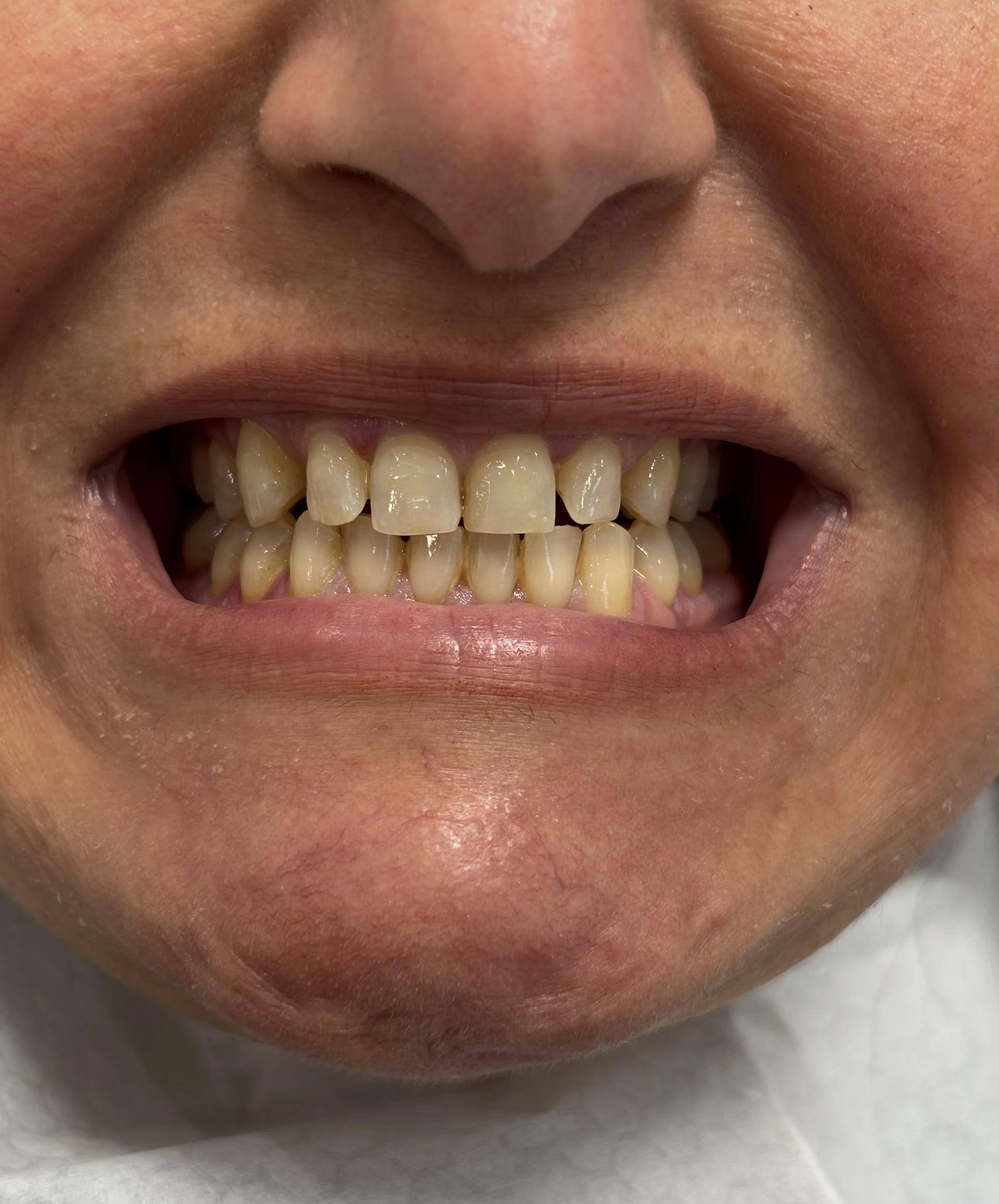
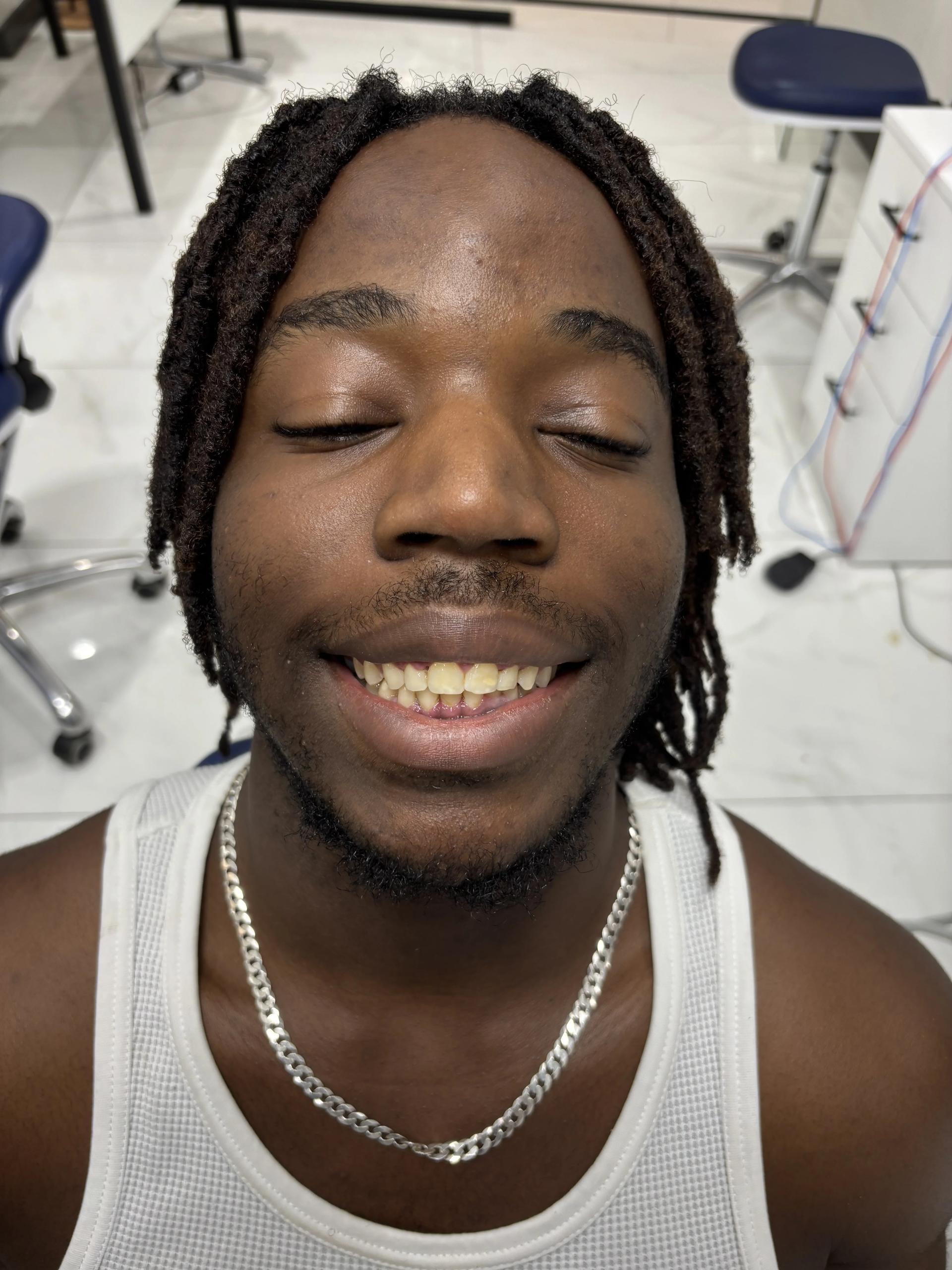
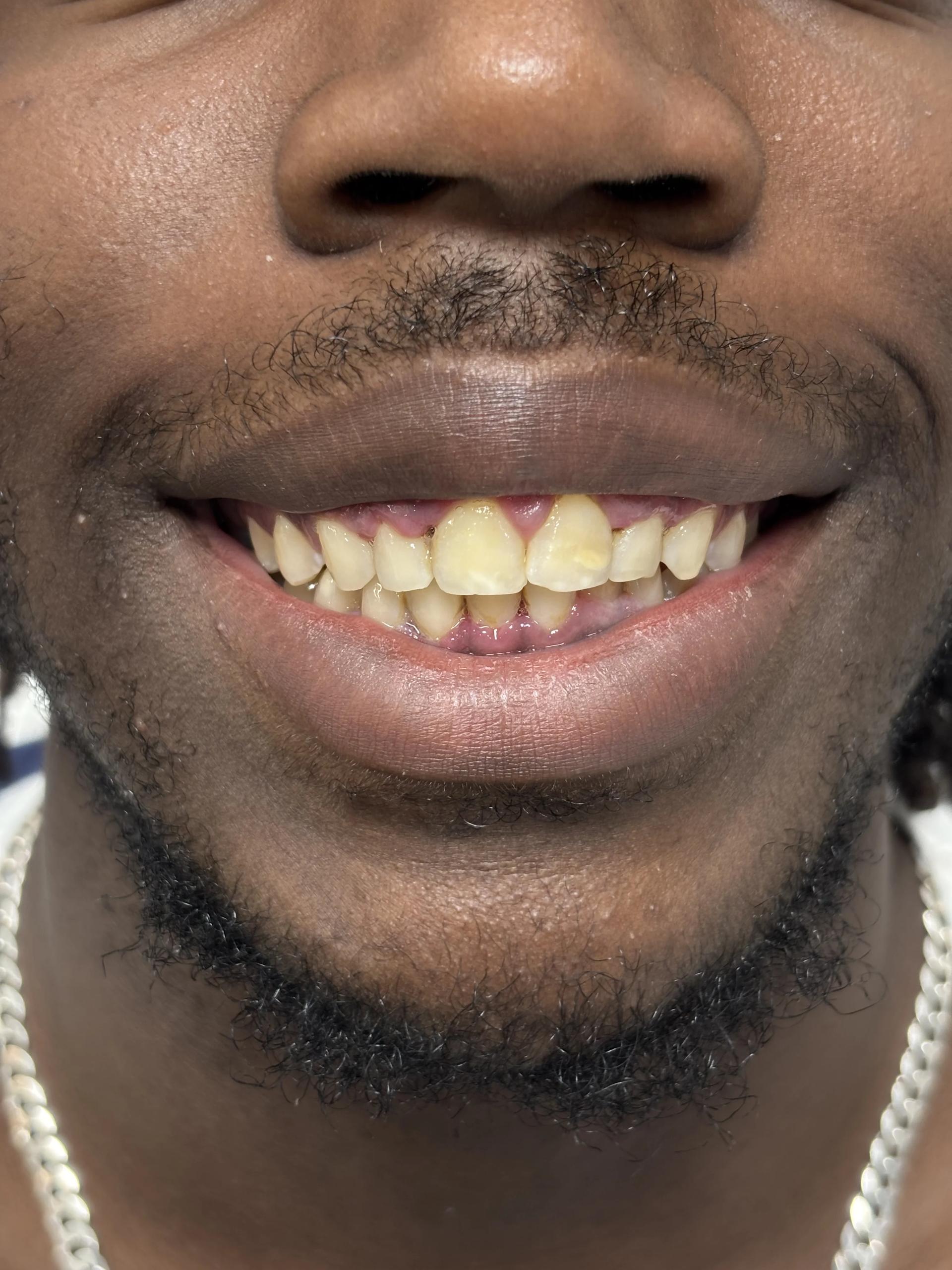
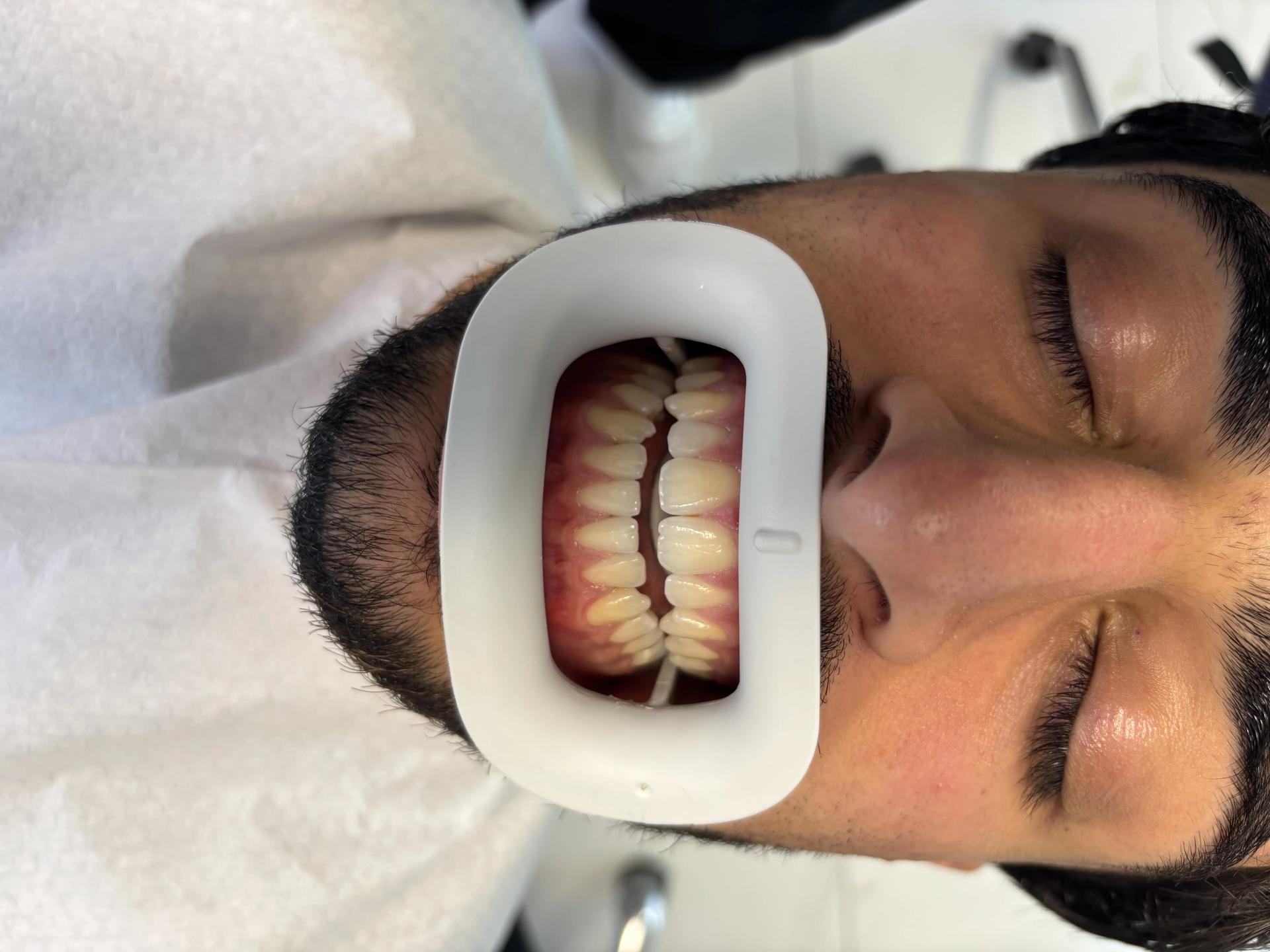
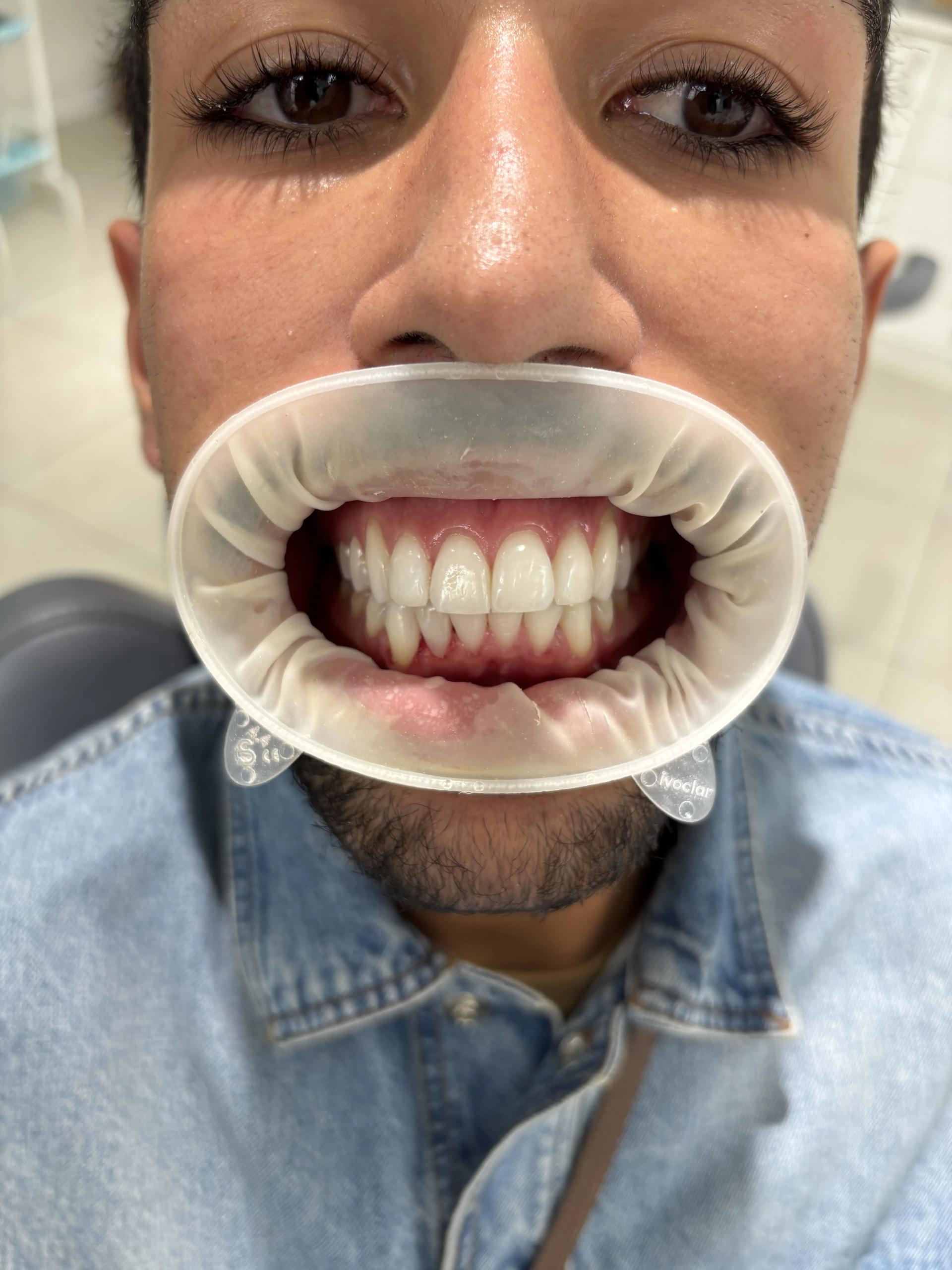
Full-arch implant results: real before & after cases
Genuine implant and full-arch transformations from NexWell partner clinics in Istanbul (consent on file at the treating clinic). Results vary between patients.
 Before
 After
After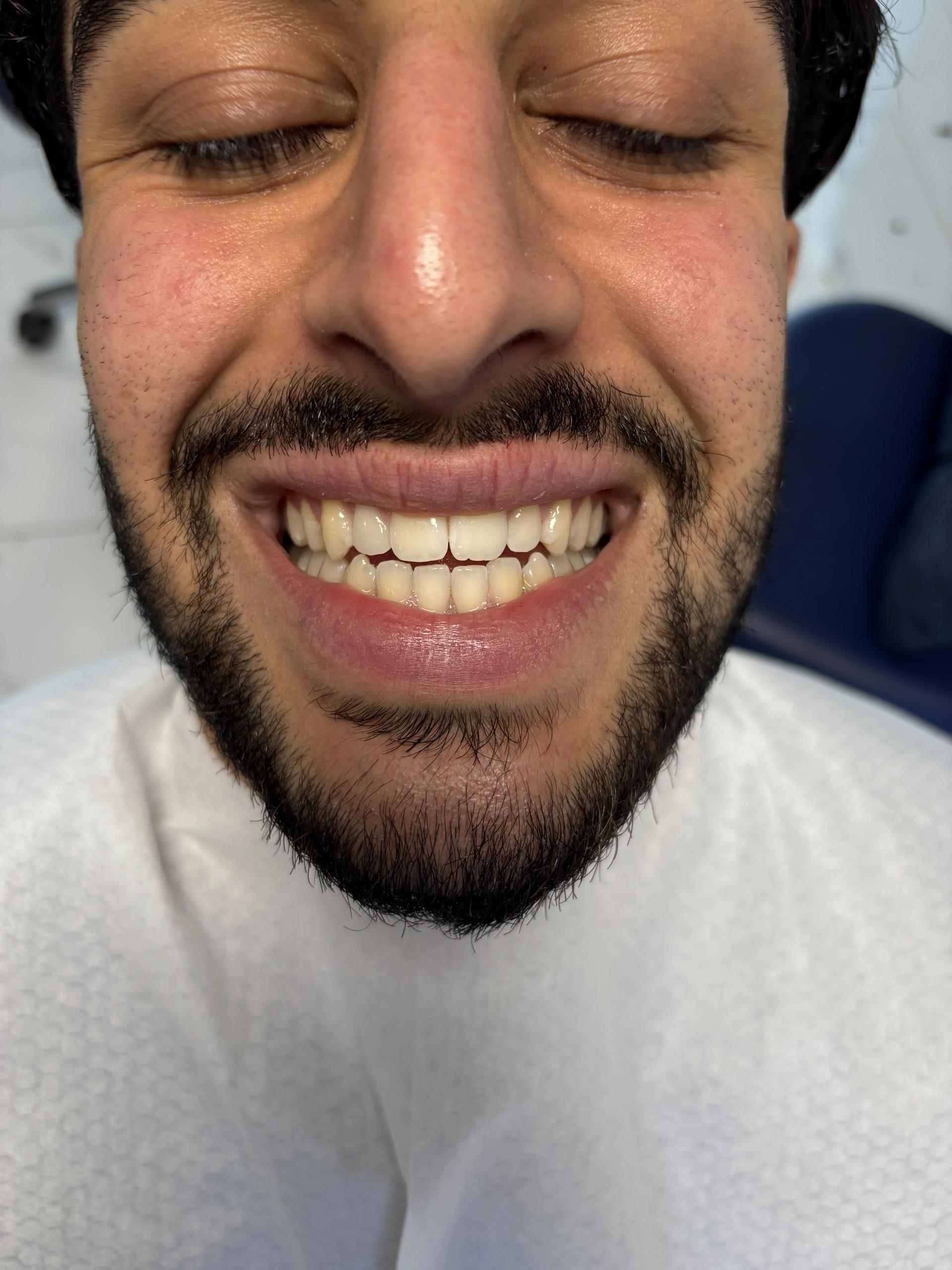 Before
 After
After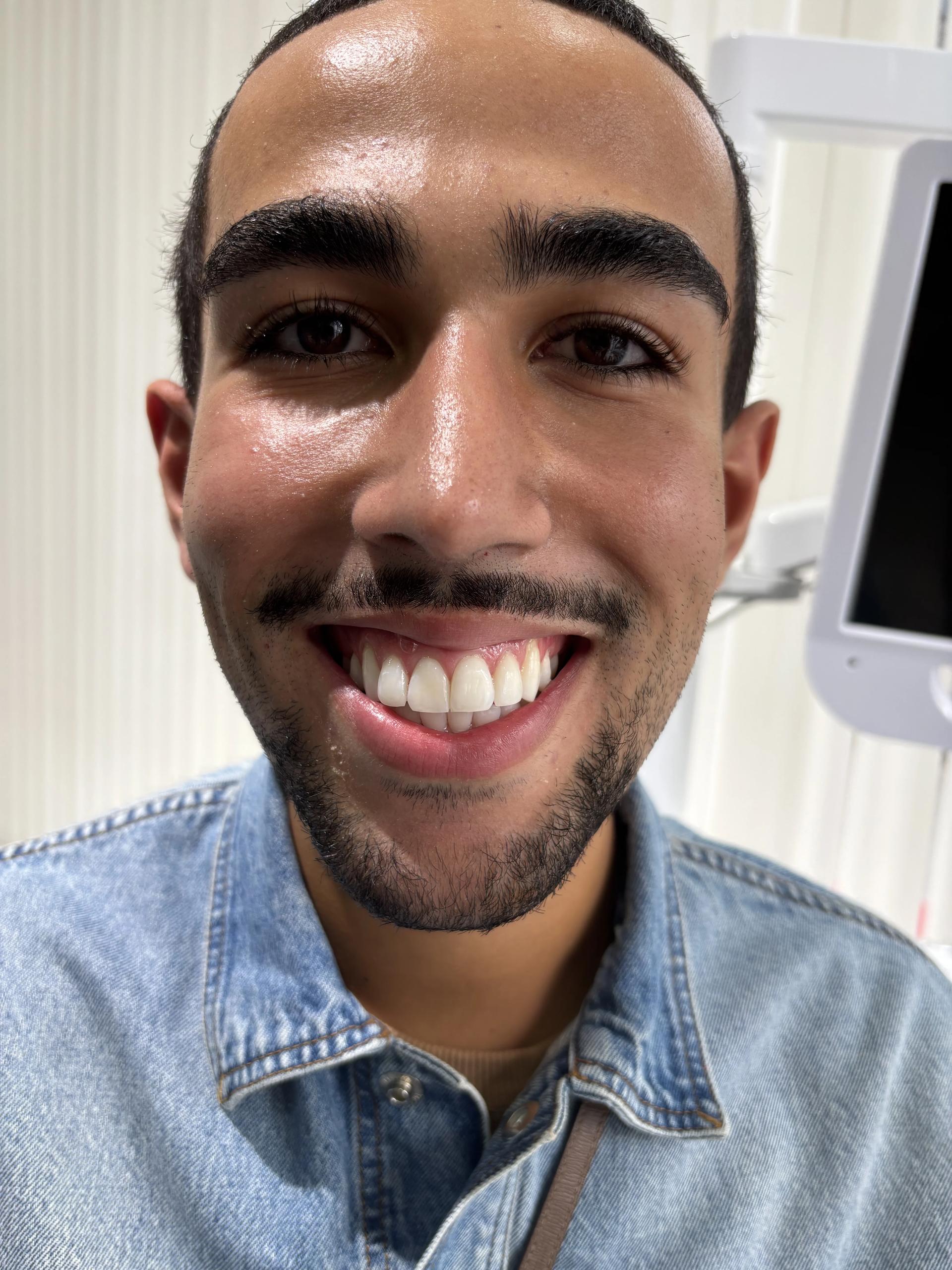 Before
 After
After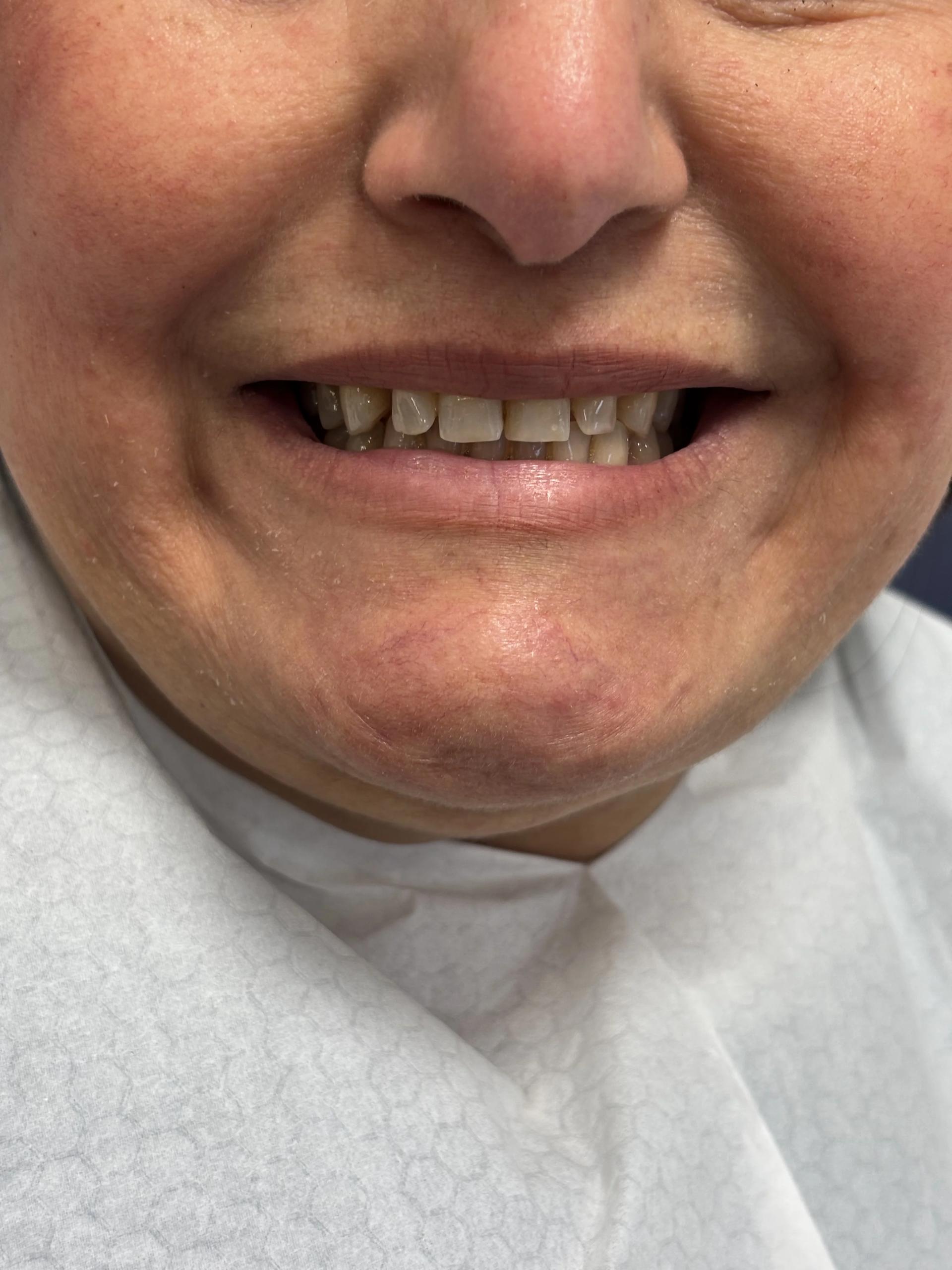 BeforeAfter
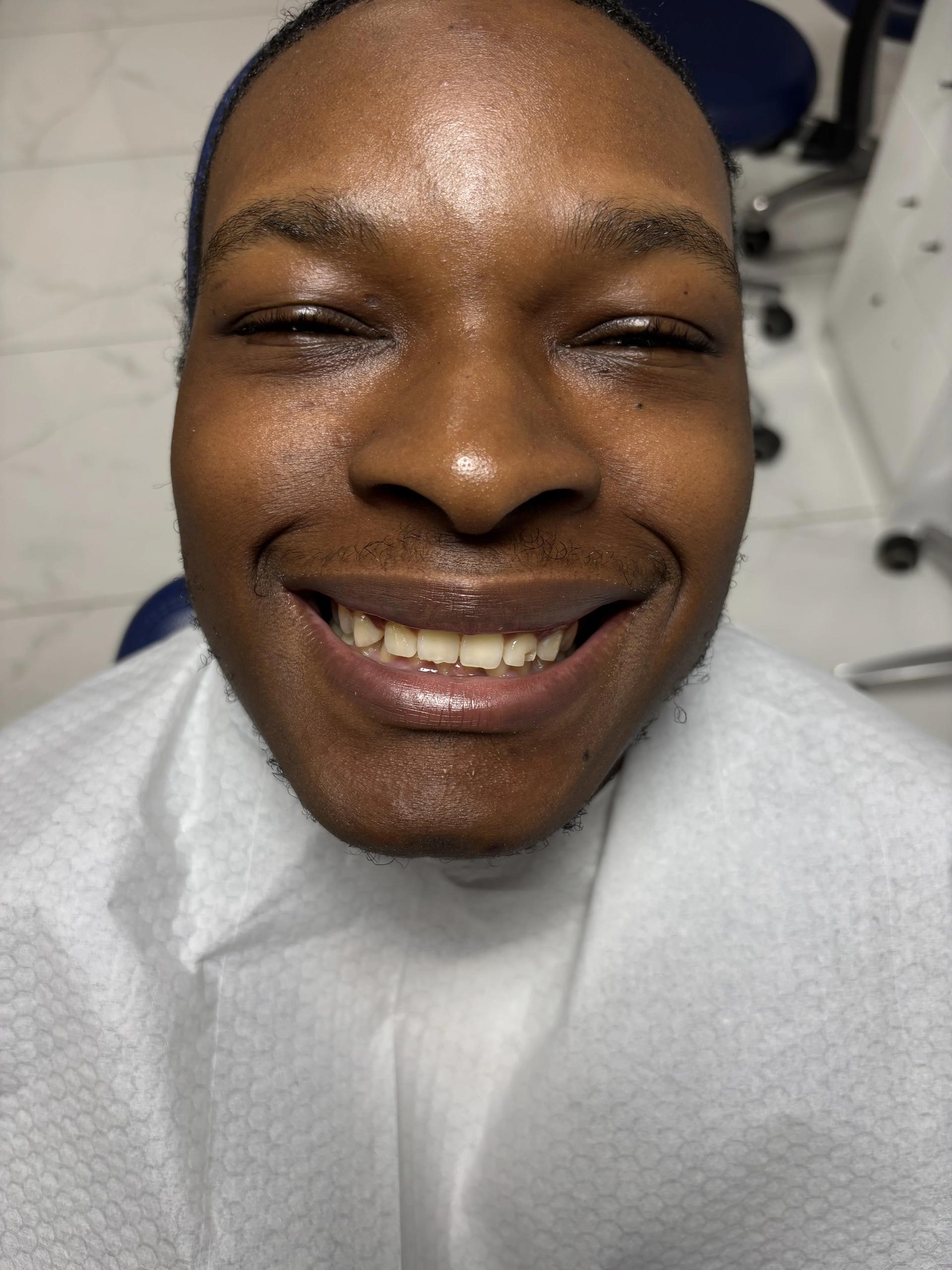 Before
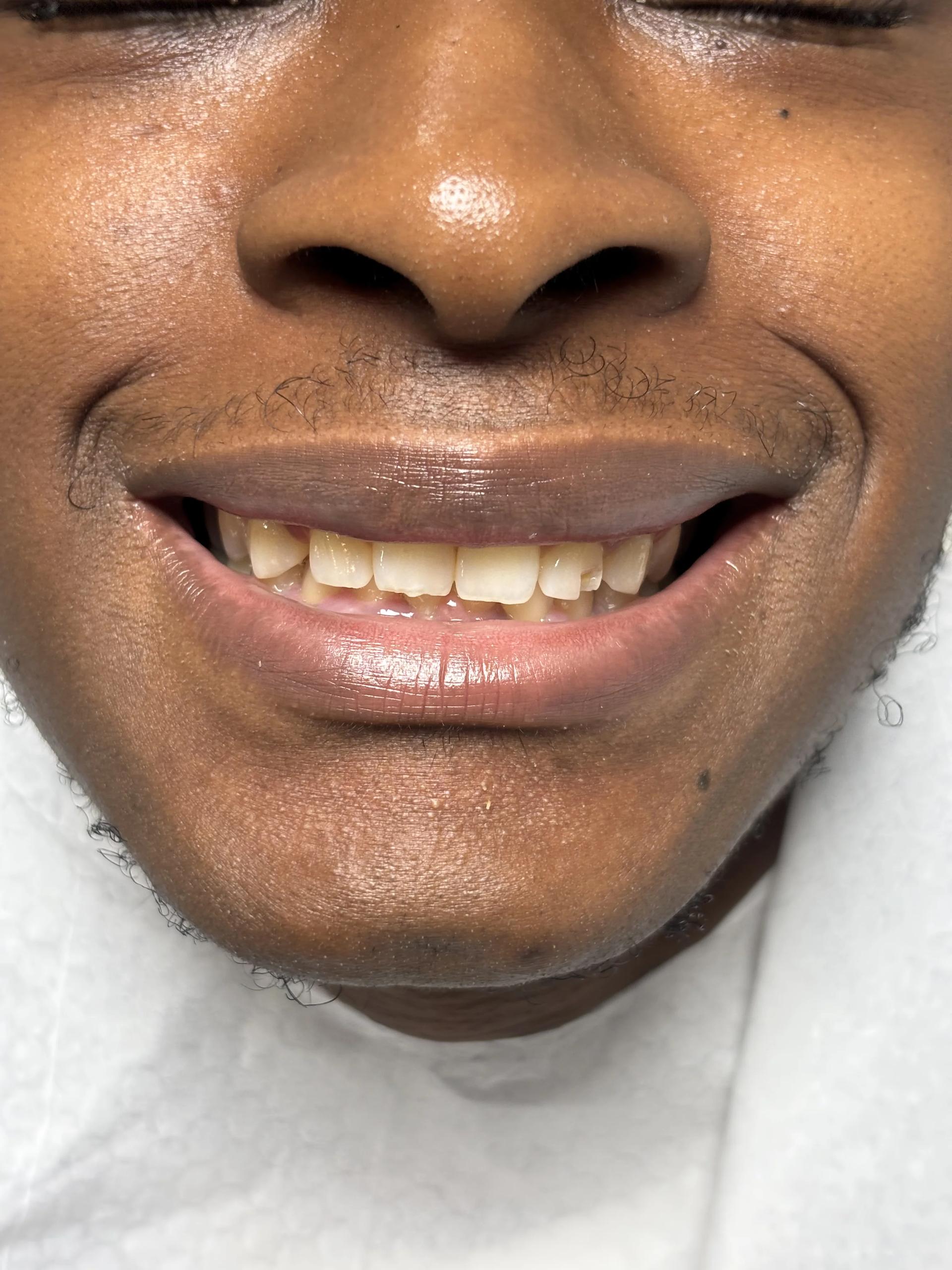 After
After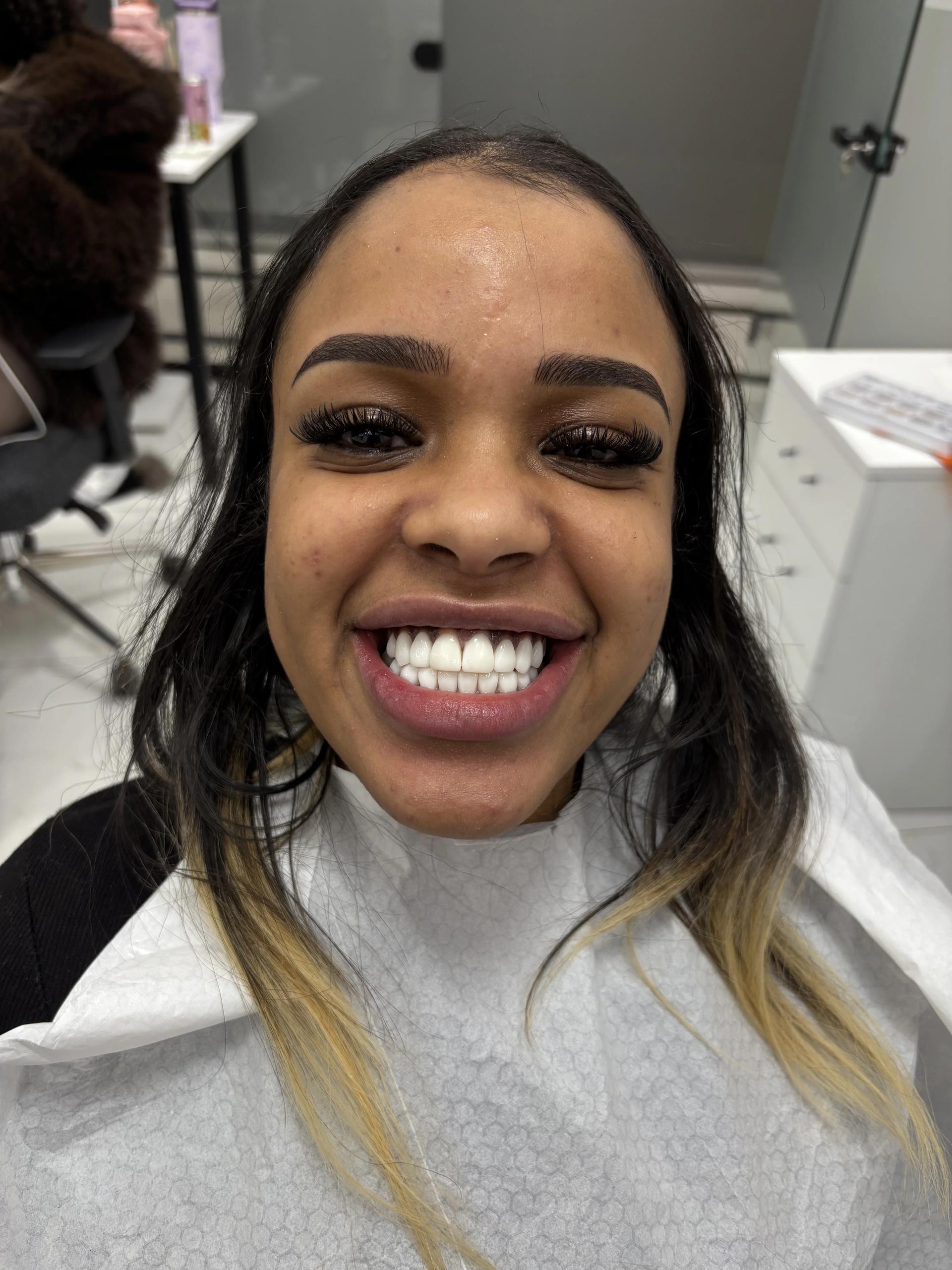 Before
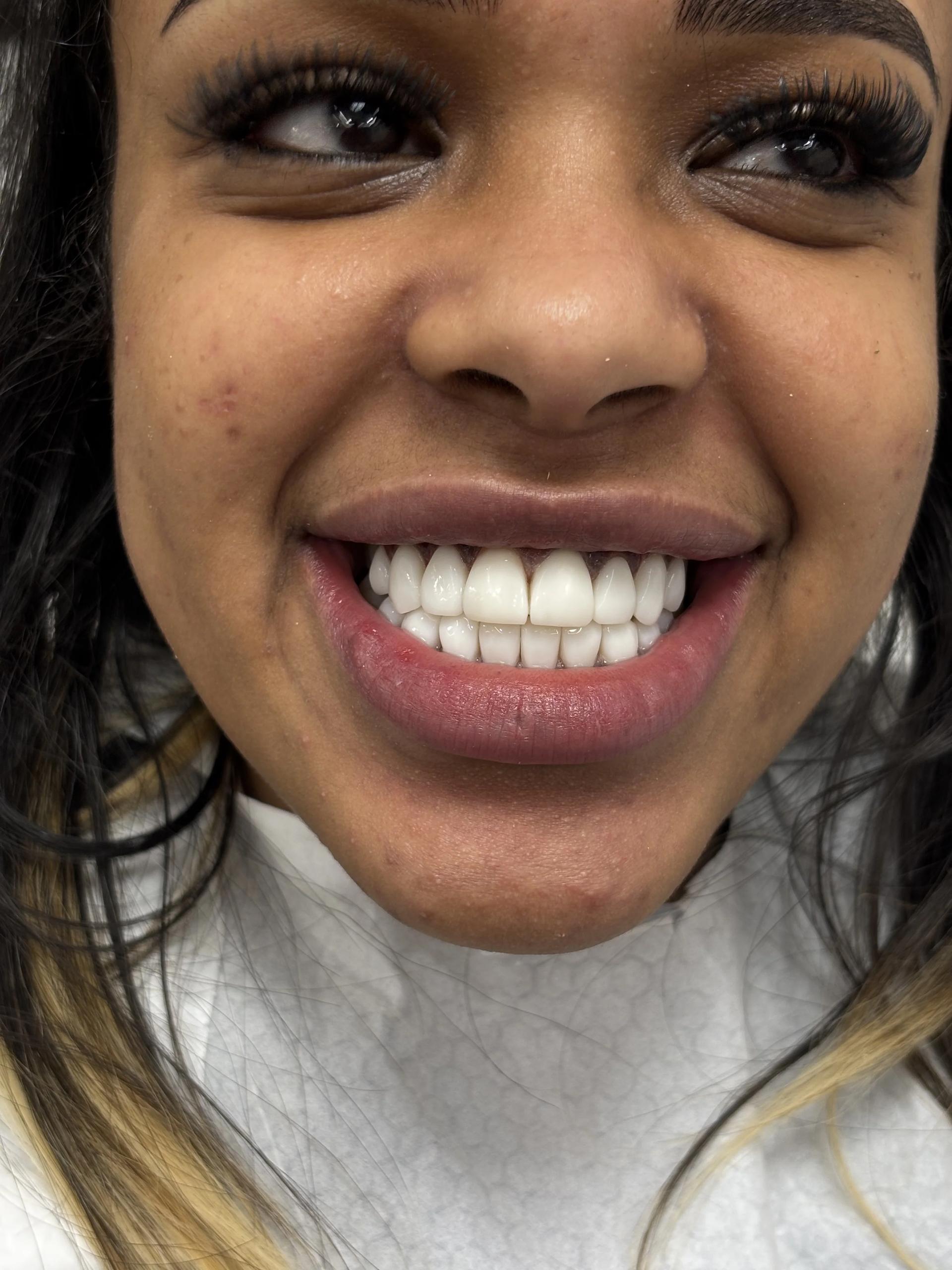 After
AfterHear it from full-mouth implant patients
Real patients talk about their full-arch treatment at our Istanbul partner clinics — in their own words.
“I spent months comparing clinics online. The team was the only one that asked for my CBCT scan before quoting a price. The surgery went exactly as planned and I flew home with fixed teeth on day three.”
“After years of dentures and two failed implant attempts in the UK, Dr. Berge reviewed my CBCT scan remotely and said All-on-6 was possible despite my bone loss. I flew out and left 8 days later with a full set of fixed teeth. Total cost including flights and hotel: £14,000. My UK quote had been £47,000.”
Videos and reviews are from real patients treated at NexWell partner clinics, shared with consent. Individual results vary — see more at patient stories or browse real dental implant before-and-after results.
All-on-4 vs All-on-6: which is right for you?
All-on-4 Dental Implants
Most popular- 4 titanium implants per arch
- Posterior implants angled at 30–45° for maximum bone contact
- Suitable for most bone densities — often avoids bone grafting
- Same-day temporary bridge included
- Best for: patients seeking the most cost-efficient full-arch solution
All-on-6 Dental Implants
Maximum stability- 6 titanium implants per arch for enhanced load distribution
- Recommended for higher bite force or lower bone density
- More surface contact = greater long-term stability
- Same-day temporary bridge included
- Best for: patients wanting maximum stability or with back-molar stress patterns
Your implantologist will recommend All-on-4 or All-on-6 after reviewing your CBCT scan and bone density assessment. Both systems can be placed in a single surgical session with same-day temporary prostheses.
Which implant brands are used in Istanbul?
NexWell partner clinics use the same internationally certified implant systems as top dental practices in the UK and USA. You receive full documentation of the implant brand, system, and batch number — important for any future maintenance at home.
Straumann
Switzerland
Gold standard in implantology. 98.8% 10-year survival for SLA implants in a published clinical study (Buser et al., 2012 — source below).
Nobel Biocare
Sweden / USA
Inventor of the osseointegrated implant. 99.2% 10-year survival for TiUnite implants in a prospective study (Östman et al., 2012). Nobel Active and NobelReplace systems used for All-on-4.
BEGO
Germany
ISO 13485 certified. Widely used across European implant centres. Strong mid-range value.
Osstem
South Korea
World's third-largest implant manufacturer. FDA and CE cleared. High-volume global track record.
Always ask your clinic to confirm the implant brand and provide the batch number before surgery. All NexWell partner clinics provide this as standard practice.
Full mouth implant timeline: from consultation to final bridge
Before travel
1–2 weeks
Remote pre-assessment: share your dental X-rays or CBCT scan. Implantologist reviews bone density and confirms treatment plan. Quote issued.
Visit 1 — Surgery
5–7 days in Istanbul
Day 1: CBCT scan and pre-operative assessment. Day 2: implant surgery (3–5 hours) under sedation. Same-day temporary fixed bridge placed. Days 3–6: recovery and post-op checks.
Osseointegration
4–6 months at home
Titanium implants fuse with the jawbone. You function normally on the temporary bridge throughout. No restrictions on daily life. Remote check-in with your NexWell coordinator.
Visit 2 — Final bridge
3–5 days in Istanbul
Osseointegration confirmed. Impressions taken. Final zirconia or porcelain bridge fabricated and fitted. Bite adjustments completed. Full treatment concluded.
UK follow-up option
Ongoing
Your implant records (brand, batch, X-rays) are provided for any future maintenance with a UK dentist. Annual check-up recommended.
What is included in your NexWell dental implant package?
Every NexWell patient receives a single all-inclusive price with no hidden fees. There are no coordination charges and no surprises on arrival.
CBCT scan and bone assessment
3D cone-beam CT scan on arrival to confirm bone volume and finalise treatment plan.
Implant surgery and sedation
All titanium implants, surgical fees, anaesthesia or sedation, and clinic time included.
Same-day temporary bridge
Fixed temporary prosthesis placed on the day of surgery — you leave with a complete smile.
Hospital stay
Post-operative recovery care and all clinic accommodation for the required duration.
Implant documentation
Full records of implant brand, system, and batch numbers provided for UK follow-up.
Aftercare coordination
Named NexWell coordinator available throughout recovery and osseointegration phase.
Is it safe to get full mouth implants in Turkey?
NexWell coordinates patients exclusively with TEMOS-accredited dental clinicsin Istanbul. TEMOS International is an independent, Germany-based accreditation body focused specifically on international patient care — clinics are audited on-site against standards for clinical quality and patient safety. (JCI accreditation is a separate, hospital-focused standard used by Turkey's major hospital groups, not standalone dental clinics.)
All implantologists in the NexWell network are board-certified members of the Turkish Dental Association (TDB), with many holding additional fellowship qualifications from the International Team for Implantology (ITI) or European Association for Osseointegration (EAO). Turkey performs over 200,000 dental implant procedures for international patients annually.
Straumann and Nobel Biocare — the systems most commonly used at NexWell partner clinics — have some of the most robust long-term data in implantology. In peer-reviewed 10-year studies, Straumann SLA implants showed a 98.8% survival rate and Nobel Biocare TiUnite implants 99.2%. Across all implant systems and clinical settings, an independent 2019 meta-analysis reported 96.4% 10-year survival. Individual outcomes depend on bone quality, oral hygiene, smoking status and general health — your implantologist will discuss your personal risk profile before treatment.
Sources
- Buser D, et al. 10-year survival and success rates of 511 titanium implants with a sandblasted and acid-etched surface. Clin Implant Dent Relat Res. 2012 — PubMed
- Östman PO, et al. Ten years later: results from a prospective single-centre clinical study on 121 oxidized (TiUnite) Brånemark implants. Clin Implant Dent Relat Res. 2012 — PubMed
- Howe MS, Keys W, Richards D. Long-term (10-year) dental implant survival: a systematic review and sensitivity meta-analysis. J Dent. 2019 — Journal of Dentistry
From consultation to final bridge — how NexWell works
Free consultation
Submit your enquiry and share dental records. A NexWell dental coordinator responds within 24 hours.
Pre-assessment
Implantologist reviews your X-rays or CBCT scan remotely. Personalised treatment plan and all-inclusive quote issued.
Fly to Istanbul
Airport transfer arranged. CBCT scan on Day 1, surgery on Day 2. Temporary bridge placed same day.
Osseointegration
4–6 months at home on your temporary bridge. Remote check-ins with your coordinator throughout.
Final bridge
Return to Istanbul for your final zirconia prosthesis. Full implant records provided for home-country maintenance.
How do full mouth implants compare to dentures?
Full mouth implants are permanently fixed to the jawbone — they do not move during eating or speaking and require no adhesives. Unlike removable dentures, implant-supported bridges stimulate the jawbone and prevent the progressive bone loss that occurs beneath a denture over time.
The upfront cost of implants is higher than dentures. However, quality dentures typically require replacement every 5–8 years and ongoing adhesive costs, while implants — with proper maintenance — last 15–25 years. For most patients, the total lifetime cost difference narrows significantly, and the functional and quality-of-life benefit of fixed implants is substantially higher.
| Factor | Full mouth implants | Removable dentures |
|---|---|---|
| Fixed vs removable | Permanently fixed | Removable daily |
| Bone preservation | Yes — stimulates bone | No — bone loss continues |
| Lifespan | 15–25+ years | 5–8 years (replacement) |
| Eating restrictions | None after healing | Avoid hard/sticky foods |
| Turkey cost (full mouth) | $10,500–$23,500 | $1,020–$3,200 |
Explore related dental treatments in Turkey
Dental Implants Before & After Photos
Real full-mouth case photos — including what a genuine All-on-4/All-on-6 implant result actually looks like.
Read guideUSA vs Turkey: Full Mouth Cost
What US patients pay at home versus all-inclusive in Turkey — and what you save.
Read guideTurkey vs Mexico Dental Implants
For US patients weighing the two top dental-tourism destinations.
Read guideAll-on-4 Dental Implants Turkey
Four implants per arch — the most cost-efficient full-arch option. Cost and process.
Read guideAll-on-6 Dental Implants Turkey
Six implants per arch for maximum stability and load distribution.
Read guideZygomatic Implants Turkey
Fixed teeth for severe bone loss when you have been told you can't have implants.
Read guideDental Implant Cost Guide
Full breakdown of single, All-on-4, All-on-6 and full mouth implant costs in Turkey.
Read guideDental Implants Turkey vs UK
Side-by-side comparison of cost, quality, and process for single and multiple implants.
Read guideIs Turkey Safe for Dental Implants?
Accreditation, surgeon credentials and safety standards — the question patients ask first.
Read guideDo I Need Full Mouth Dental Implants?
How to know if full-arch implants are right for you versus single implants or other options.
Read guideDental Implants Turkey Reviews
Real patient experiences and outcomes from full-mouth implant treatment in Turkey.
Read guideHow to Choose a Dental Clinic in Turkey
What accreditations, questions, and red flags to look for when choosing a clinic abroad.
Read guideComposite Bonding Turkey
Non-surgical smile restoration using tooth-coloured resin — from $125 per tooth.
Read guideFull mouth dental implants in Turkey — frequently asked questions
How much do full mouth dental implants cost in Turkey?
Full mouth dental implants in Turkey cost $10,500–$23,500 all-inclusive for both arches, depending on whether All-on-4 or All-on-6 is used. The same treatment costs $25,400–$55,900 in the UK, $60,000–$120,000 in the United States, A$36,000–A$76,000 in Australia, and C$30,000–C$65,000 in Canada. All NexWell packages include pre-operative assessments, the surgical procedure, implants, temporary and final prosthesis, and aftercare coordination.
What is the difference between All-on-4 and All-on-6 dental implants?
All-on-4 uses four titanium implants per arch to support a full-arch prosthesis. All-on-6 uses six implants, distributing load more evenly and providing additional stability — particularly recommended for patients with higher bite force or lower bone density. Both can be completed in a single surgical visit. Your implantologist will recommend the appropriate option after reviewing your CT scan and bone assessment.
What implant brands are used in Turkey?
NexWell partner clinics in Istanbul use internationally certified implant systems including Straumann (Switzerland), Nobel Biocare (Sweden/USA), BEGO (Germany), and Osstem (South Korea). These are the same brands used in UK and US dental practices. Always confirm the implant brand and batch number with your clinic before treatment — reputable clinics provide this documentation as standard.
How long does the full mouth implant procedure take in Turkey?
The surgical phase of All-on-4 or All-on-6 takes 3–5 hours per arch under sedation or general anaesthesia. Most patients receive temporary fixed prostheses on the same day ('teeth in a day'). The final porcelain or zirconia bridge is fitted after 4–6 months of osseointegration. Most patients stay in Istanbul for 5–7 days for the surgical visit, then return once for the final fitting.
Is it safe to get full mouth implants in Turkey?
NexWell coordinates patients with TEMOS-accredited dental clinics in Istanbul. All implantologists in the network are board-certified members of the Turkish Dental Association (TDB), with many holding additional qualifications from the International Team for Implantology (ITI) or European Association for Osseointegration (EAO). Turkey performs over 200,000 dental implant procedures annually for international patients, with clinical standards regulated under national health ministry oversight.
What is osseointegration and how long does it take?
Osseointegration is the biological process by which the titanium implant fuses with the jawbone. This typically takes 3–6 months. During this period, patients wear a temporary fixed prosthesis that looks and functions like natural teeth. The final bridge — usually in zirconia or porcelain-fused-to-metal — is fitted once the implants are fully integrated. In published 10-year clinical studies, Straumann SLA implants showed a 98.8% survival rate and Nobel Biocare TiUnite implants 99.2%; across all implant systems, an independent 2019 meta-analysis reported 96.4% 10-year survival (sources listed on this page).
Am I a candidate for full mouth dental implants?
Most adults with missing teeth or failing dentition are candidates. Key requirements are: sufficient bone volume (assessed via CBCT scan), no uncontrolled diabetes, non-smoker or willing to pause smoking during healing, and no active gum disease. Bone grafting can address insufficient bone density in many cases. A NexWell coordinator will review your dental records and arrange a remote pre-assessment with the implantologist before you travel.
Can I get teeth in a day with All-on-4 in Turkey?
Yes. Most All-on-4 and All-on-6 procedures in Istanbul include immediate loading — a temporary fixed bridge placed on the same day as implant surgery. This means you leave the clinic with a full set of teeth. The temporary bridge is replaced with the final zirconia or porcelain prosthesis after osseointegration (4–6 months), either in Istanbul or through a UK dental practice with your implant records.
How do full mouth implants compare to dentures?
Unlike removable dentures, implant-supported bridges are permanently fixed, do not move during eating or speaking, and prevent the bone loss that occurs beneath dentures over time. They require the same daily brushing as natural teeth and typically last 15–25 years with proper maintenance. The upfront cost is higher than dentures, but the long-term functional and health outcome is significantly better.
How do I start the process?
Complete the free consultation form on this page. A NexWell dental coordinator will contact you within 24 hours. You will be asked to share recent dental X-rays or a CBCT scan (if available) so the implantologist can provide an initial assessment and personalised quote before you commit to travel.
Ready to restore your full smile?
Get a personalised All-on-4 or All-on-6 quote within 24 hours. Share your dental records and a NexWell coordinator will arrange a remote assessment with your implantologist — free, with no obligation.
Medical content on this page is reviewed in accordance with our editorial policy. See our medical disclaimer.