Gynecomastia Treatment in Turkey: Male Chest Reduction Planning Guide
A NexWell planning guide for patients considering gynecomastia surgery in Turkey: glandular vs fatty gynecomastia, when surgery is indicated, technique options, recovery and how Turkish pricing compares to the UK and Europe.
- JCI-accredited hospitals
- TEMOS-accredited clinics
- Board-certified surgeons and a licensed clinical team
- 3,000+ international patients treated
- 5-star chain hotel accommodation
- VIP airport transfers
Written quote from a NexWell coordinator, usually within 24 hours.
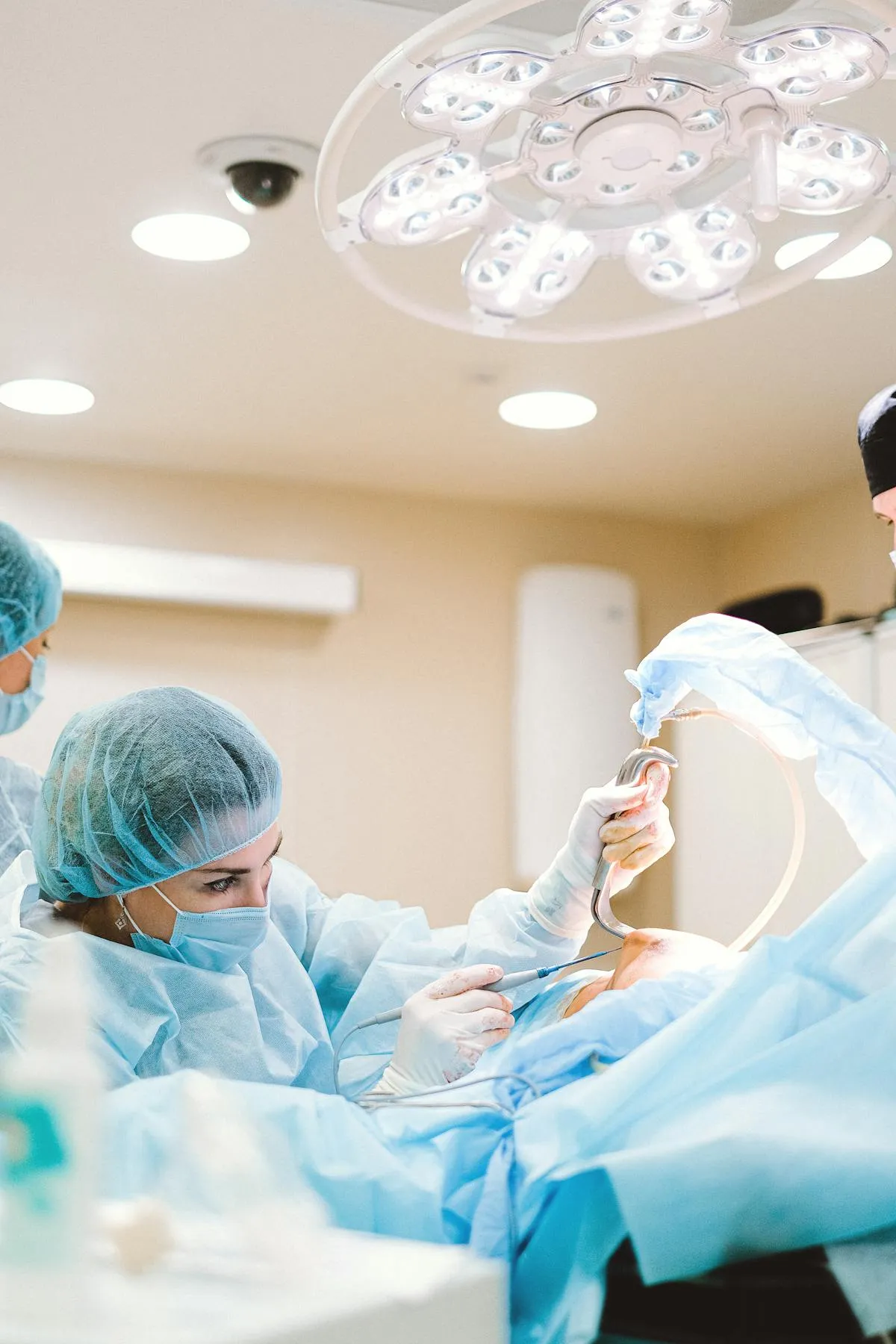
Written quote from a NexWell coordinator, usually within 24 hours.
Quick answer
Gynecomastia surgery in Turkey costs $2,280–$3,000 for liposuction-only cases, all-inclusive of surgeon, anaesthesia and a compression vest, around 55% less than the UK's $4,450–$7,000 (2026). Cases needing gland excision run $2,500–$4,000, and severe cases with skin removal $3,500–$5,000. Technique depends on how much glandular tissue is present.
What Gynecomastia Is and What Causes It
Gynecomastia is the development of excess breast tissue in men, either glandular tissue, fatty tissue or a combination of both. It is common: studies suggest some degree of gynecomastia affects 30 to 50 percent of men at some point in their lives, with peaks in adolescence and later adulthood.
Causes include hormonal imbalance (testosterone to oestrogen ratio changes), certain medications (anabolic steroids, some antidepressants, spironolactone, proton pump inhibitors), liver conditions, obesity and idiopathic causes where no specific trigger is identified.
The distinction between glandular and fatty gynecomastia matters clinically because it determines the appropriate treatment. Fatty gynecomastia, excess adipose tissue beneath the chest skin, can often be addressed by liposuction alone. True glandular gynecomastia involves a firm glandular disc beneath the areola that does not respond to liposuction and requires direct excision.
The distinction between glandular and fatty gynecomastia matters clinically because it determines the appropriate treatment.
When Surgery Is Indicated vs When Weight Loss Is the Right First Step
For patients with predominantly fatty gynecomastia and a high BMI, weight loss is often the appropriate first step before considering surgery. Significant weight reduction can substantially reduce chest prominence without surgical intervention. Surgery performed on a patient who subsequently loses significant weight produces a sub-optimal result because the skin envelope changes after the procedure.
Surgery is appropriately indicated when:
Patients who have completed weight loss, stabilised at their target weight, and still have a firm glandular component are usually the clearest surgical candidates.
- 1glandular tissue is present, confirmed by the characteristic firm subareolar disc on examination, which does not reduce with weight loss
- 2the condition has been stable for at least 12 months, adolescent gynecomastia may resolve spontaneously; operating too early risks a wasted procedure
- 3weight is stable and the patient is not planning significant further loss
- 4any underlying hormonal or medication cause has been addressed or ruled out
Surgical Techniques: Liposuction, Excision and Combined Approaches
Three main surgical approaches are used for gynecomastia:
Liposuction only: appropriate for primarily fatty gynecomastia without significant glandular disc. VASER liposuction is widely used for gynecomastia in Turkey because the ultrasound energy is better suited than standard liposuction to breaking up the firmer fatty tissue in the chest. Liposuction alone does not remove glandular tissue.
Glandular excision only: appropriate for patients with predominantly glandular gynecomastia and minimal fatty component. A small incision is made at the inferior areola border; the glandular disc is removed directly under direct vision. Appropriate incision placement makes this scar largely invisible when healed.
Combined liposuction and excision: the most common approach for mixed-type gynecomastia. Liposuction removes the fatty component, then a small open excision addresses the residual glandular disc. This combination produces a flat, natural chest contour.
Skin excision is occasionally required for patients with very significant chest ptosis or skin excess after major weight loss. This involves more visible scarring and is reserved for cases where skin removal is the only way to achieve an acceptable flat chest contour.
Treatment Plan
Ready for a written Gynecomastia Treatment in Turkey: Male Chest Reduction Planning Guide quote?
A NexWell coordinator reviews your case and replies with a personalised treatment plan and indicative pricing — usually within 24 hours.
Recovery After Gynecomastia Surgery in Turkey
Gynecomastia surgery is typically performed as day surgery under general or local anaesthesia with sedation. Hospital admission overnight is uncommon.
Recovery:
Days 1–3: compression vest worn continuously. Soreness and bruising in the chest and donor areas if liposuction was used. Limited arm movement.
Week 1: most patients are cleared to fly home 5 to 7 days after the procedure for uncomplicated cases. Sutures removed or confirmed dissolving at this appointment.
Weeks 2–4: compression vest continued for four to six weeks total. Light upper body movement returns progressively. Driving restriction usually lifted at week 2.
Weeks 6–8: gym and upper body exercise can resume for most patients. The chest may feel firm or slightly irregular as swelling resolves.
Months 2–4: final result visible. Any residual numbness or puckering at the areola resolves. Scar at the areola border fades progressively.
Gynecomastia Surgery Cost in Turkey vs the UK
Liposuction Only
Turkey
$2,280–$3,000
USA
$5,000–$8,000
UK: $4,450–$7,000
Gland Excision + Liposuction
Turkey
$2,500–$4,000
USA
$6,000–$10,000
UK: $5,700–$8,900
Severe Gynecomastia (skin removal)
Turkey
$3,500–$5,000
USA
$8,000–$14,000
UK: $7,600–$11,450
| Procedure | Turkey | USA | UK |
|---|---|---|---|
| Liposuction Only | $2,280–$3,000 | $5,000–$8,000 | $4,450–$7,000 |
| Gland Excision + Liposuction | $2,500–$4,000 | $6,000–$10,000 | $5,700–$8,900 |
| Severe Gynecomastia (skin removal) | $3,500–$5,000 | $8,000–$14,000 | $7,600–$11,450 |
For patients with true glandular gynecomastia requiring excision, which is not addressed by exercise or weight loss, Turkey represents a meaningful cost advantage, typically a saving of $3,200 to $4,900 versus UK private pricing, while accessing qualified plastic and aesthetic surgeons with significant case volumes.
How NexWell Screens Gynecomastia Providers in Turkey
NexWell evaluates gynecomastia clinics on the following criteria:
- 1pre-operative tissue assessment, the clinic must differentiate between fatty and glandular components and plan the technique accordingly. A clinic that offers the same procedure to every patient regardless of composition has not assessed the case.
- 2technique selection logic, can the surgeon explain why they are recommending liposuction, excision or a combined approach for your specific anatomy?
- 3VASER availability for fatty component, VASER liposuction's ultrasound energy is more appropriate for chest tissue than standard liposuction in most gynecomastia cases
- 4areolar incision placement, the scar should be placed at the areolar-chest skin junction for optimal concealment
- 5compression garment provision and wear protocol
- 6post-operative follow-up and remote consultation coverage for the first six weeks
Questions to Ask Before Booking Gynecomastia Surgery in Turkey
1. Based on the photographs and information I have provided, do you believe my gynecomastia is primarily glandular, primarily fatty or a mixed composition? How does this affect the technique you recommend?
2. Do you use VASER liposuction for the fatty component, or standard suction-assisted liposuction? What is your rationale?
3. Will the procedure include direct glandular excision? Where will the incision be placed, and how long does the scar typically measure?
4. What is the procedure performed under, local anaesthesia with sedation or general anaesthesia?
5. What is included in the package, specifically, does it include the compression vest, post-operative medication and local follow-up appointments before departure?
6. What is the minimum recommended stay in Turkey before I can fly home?
7. Is there a risk of recurrence, and what causes it? Specifically, if I take anabolic steroids or certain medications after surgery, will the condition return?
8. What is your revision policy if the result is asymmetric or if residual glandular tissue is palpable at six months?
Gynecomastia surgery is a relatively straightforward procedure with a clear anatomical objective. Surgeons who can answer these questions with precision and relate the answers specifically to your case are demonstrating the clinical care that produces consistent outcomes.
Recovery After Gynecomastia Surgery: What to Expect Week by Week
Gynecomastia surgery recovery is generally manageable and predictable. In the first forty-eight to seventy-two hours, the main symptoms are chest tightness, moderate soreness and bruising across the chest and under the arms if liposuction was used. A compression vest is worn continuously during this period and typically for four to six weeks thereafter to support healing and contour definition.
Return to desk work is typically possible at three to five days. Light walking is encouraged from day one to reduce DVT risk. Exercise, gym training and any activity requiring significant upper body effort should be avoided for four to six weeks. Contact sports and heavy lifting require six to eight weeks before resumption.
For international patients in Turkey, a minimum stay of five to seven days after surgery is generally appropriate. This covers the immediate post-operative period, the first wound assessment and drain removal if drains were used. The compression vest, post-operative medications and written aftercare instructions should all be provided before departure.
Final results are visible at three to four months when all swelling has resolved. The chest contour at two weeks post-operation does not represent the final result, some patients become concerned during this phase because residual swelling can make the outcome appear less defined than it will be at full healing.
How NexWell Screens Gynecomastia Clinics Before Recommending a Provider
NexWell reviews gynecomastia surgery proposals by examining whether the clinical approach is appropriate for the specific tissue composition of the patient's case. The most common misalignment we identify is a clinic recommending standard liposuction for a patient who has significant glandular tissue that liposuction will not adequately address.
We assess whether the surgeon has described the composition clearly, fatty, glandular or mixed, and whether the recommended technique matches that composition. For predominantly glandular cases, liposuction alone is an insufficient approach and the patient's outcome will be unsatisfactory even if the procedure is well executed, because the wrong technique was applied to the anatomy.
We also check whether the facility level is appropriate for the sedation or anaesthesia being used, whether the compression garment and aftercare provision is complete and whether the surgeon can provide a concrete timeline and protocol for the patient's return home. Gynecomastia is a high-satisfaction procedure for the right patient with the right technique.
The pre-booking review confirms that both conditions are met before any commitment is made.
Medically reviewed by Op. Dr. Gökhan Efe, Op. Dr.: Plastic, Reconstructive & Aesthetic Surgery. Last reviewed March 2026
Contracted clinics
NexWell coordinates with TEMOS-accredited clinics or Ministry of Health–licensed facilities in Turkey.
Board-certified review
Content reviewed by Op. Dr. Gökhan Efe — Plastic, Reconstructive & Aesthetic Surgery (Türkiye).
No obligation
Get your Gynecomastia Treatment in Turkey: Male Chest Reduction Planning Guide plan
Send your case and a coordinator returns a written plan and an indicative quote — usually within a day.
Questions Patients Ask Before They Commit
Related reading
aesthetic-surgery
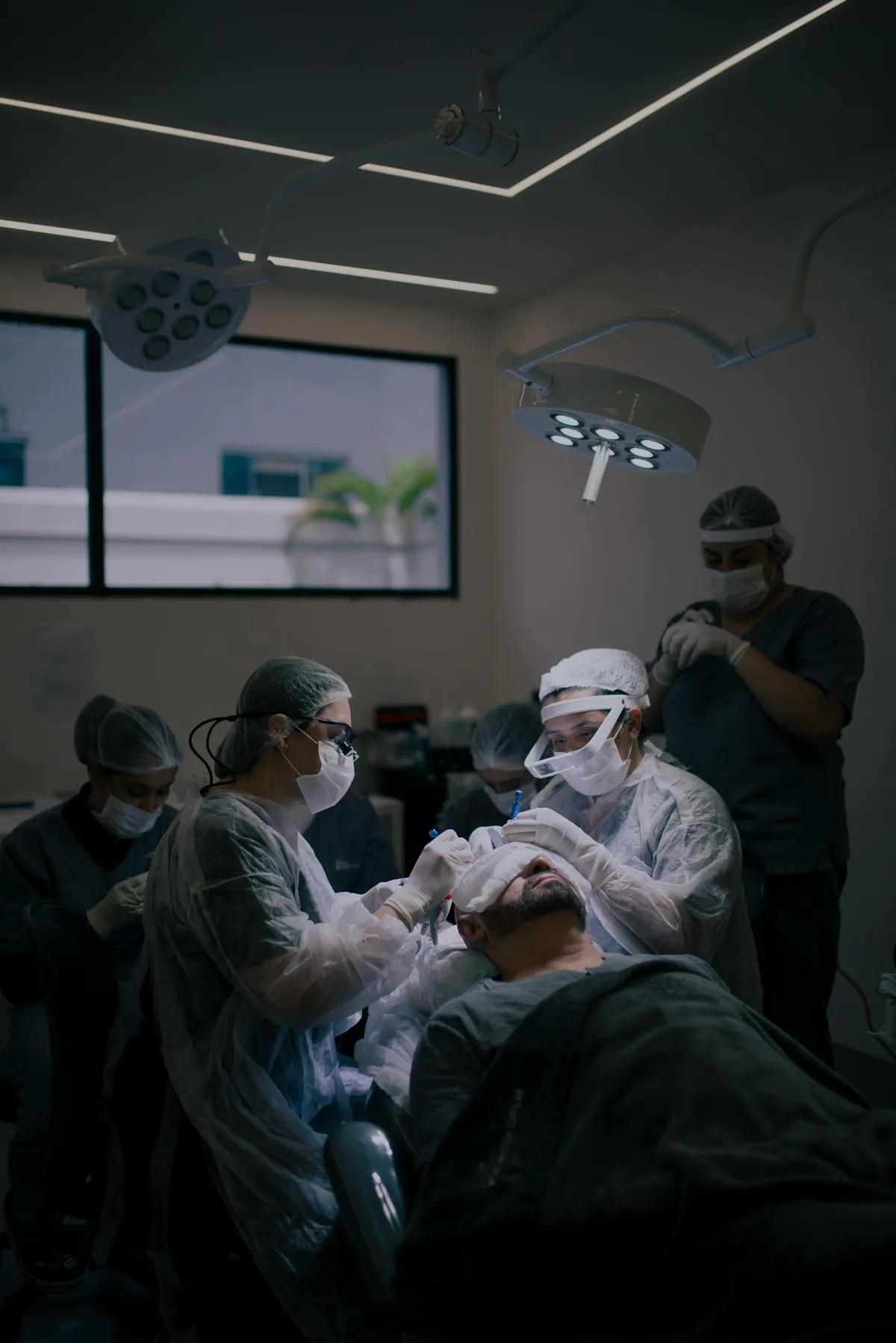
Hair Transplant in Turkey
Turkey performs more hair transplants than any other country: over 1 million procedures annually. NexWell is TEMOS-accredited and offers all-inclusive packages.

aesthetic-surgery
Liposuction in Turkey
Turkey has become one of the world's leading destinations for liposuction: board-certified plastic surgeons, internationally accredited hospitals, and all-inclusive packages that cost 60–70% less than the UK, US, or Germany.
aesthetic-surgery
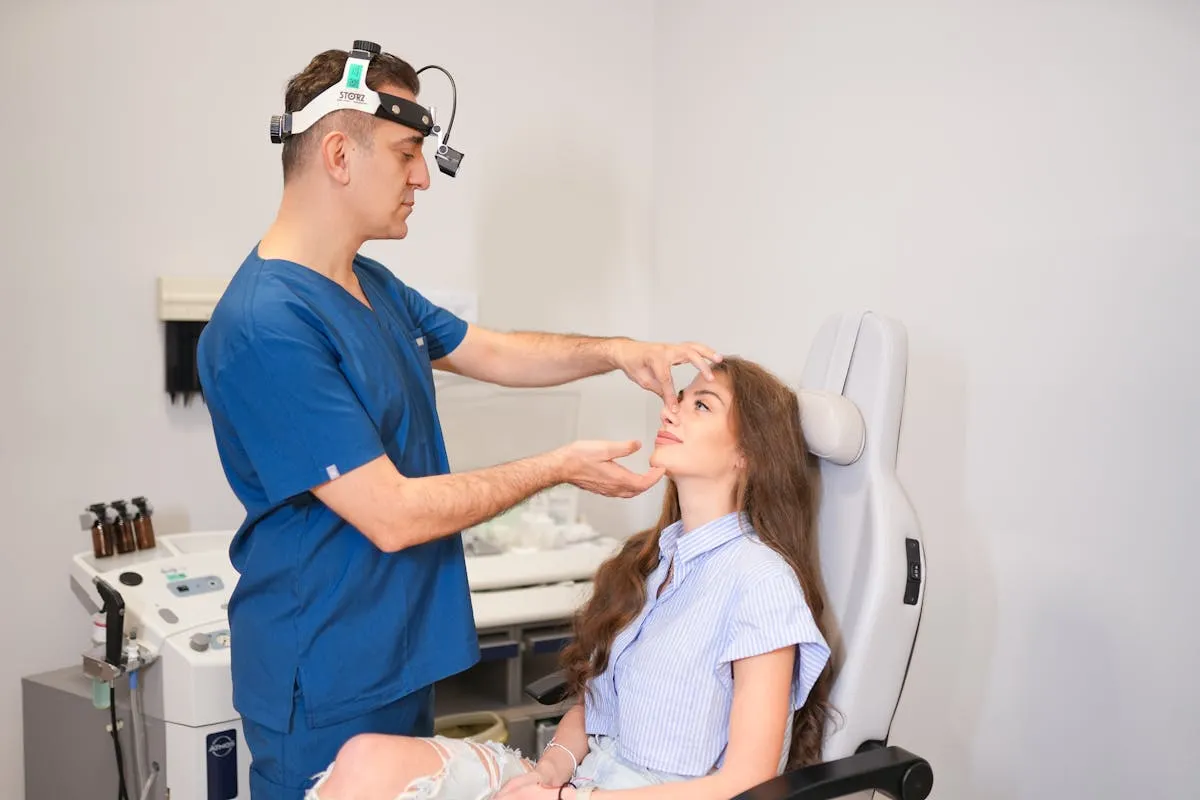
Rhinoplasty in Turkey
Turkey performs more rhinoplasties per capita than any other country. NexWell connects you with surgeons who specialise exclusively in nose reshaping: many with 1,000+ procedures annually. Open, closed & piezo techniques. 3D simulation included.
Plan the next step clearly
Use this page as a decision-support guide, then move into quote review, treatment comparison, and travel planning with coordinator support.
Decision Context
Patients compare this treatment inside the trip around it
Treatment pages perform better when they acknowledge arrival flow, destination trust, and the recovery rhythm patients are trying to visualise before booking.

The provider decision starts with arrival confidence
Patients compare treatment pages while also asking how first-day logistics, transfers, and scheduling will actually work.

The destination still influences medical trust
A treatment page is stronger when it recognises that the city itself remains part of the decision frame for international patients.

Recovery pacing changes how people evaluate options
Different procedures feel more or less realistic depending on how patients picture the slower hours between appointments.