Cardiovascular Treatments in Turkey: Heart Surgery, Interventional Cardiology and Vascular Care
- TEMOS-accredited clinics
- JCI-accredited hospitals
- Board-certified surgeons and a licensed clinical team
- 3,000+ international patients treated
A guide for international patients considering cardiac and vascular treatments in Turkey, from open-heart surgery and valve replacement to catheter interventions, diagnostics and rehabilitation.
Written quote from a NexWell coordinator, usually within 24 hours.
Quick answer
Heart procedures in Turkey range from $1,500–$3,000 for a coronary angiogram to $8,000–$15,000 for coronary bypass surgery, each substantially below UK private or US pricing (2026). Valve replacement runs $10,000–$18,000, and TAVI $15,000–$25,000. Quotes should specify hospital stay, ICU time and the exact device brand and model being used.
Cardiac Care Infrastructure in Turkey
Turkey performs over 100,000 cardiac surgeries and interventional procedures per year across its network of university hospitals, public cardiac centres and private hospital groups. Several Turkish cardiac surgery programmes rank among the highest-volume centres in Europe, with surgeons who trained at leading institutions in the US, UK and Germany before returning to Turkey.
The cardiovascular services available to international patients cover diagnostic cardiology (echocardiography, stress testing, cardiac MRI, coronary CT angiography), interventional cardiology (coronary angioplasty and stenting, TAVI/TAVR, electrophysiology and ablation, pacemaker and ICD implantation), cardiac surgery (coronary artery bypass grafting, valve repair and replacement, aortic surgery, congenital heart surgery) and vascular surgery (carotid endarterectomy, peripheral bypass, endovascular aneurysm repair).
The most commonly requested procedures by international patients are coronary artery bypass surgery, heart valve replacement (mechanical and biological), TAVI for elderly patients not suitable for open surgery and diagnostic cardiac catheterisation with same-admission intervention.
Key Cardiovascular Procedures Available
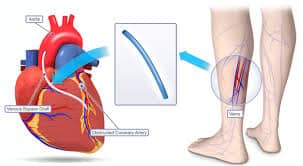
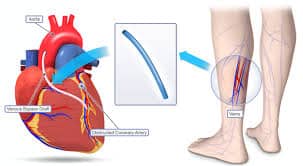
Coronary artery bypass grafting (CABG) remains the gold standard for multivessel coronary artery disease. Turkish cardiac surgery centres perform CABG both on-pump and off-pump (beating heart), with some centres reporting off-pump rates exceeding 70% for suitable cases.
Heart valve surgery includes repair (preferred when feasible for mitral valve disease) and replacement with mechanical or biological (tissue) valves. Minimally invasive valve surgery through smaller incisions is available at select centres, reducing recovery time compared to traditional sternotomy.
TAVI (transcatheter aortic valve implantation) is available for elderly or high-risk patients with severe aortic stenosis who are not ideal candidates for open-heart surgery. Turkish centres have significant TAVI experience with both balloon-expandable and self-expanding valve systems.
Electrophysiology services include catheter ablation for atrial fibrillation, SVT, ventricular tachycardia and other arrhythmias, as well as pacemaker and implantable cardioverter-defibrillator (ICD) implantation.
Aortic surgery for aneurysm and dissection is available at specialised centres with hybrid operating rooms capable of combined open and endovascular approaches.
Heart valve surgery includes repair (preferred when feasible for mitral valve disease) and replacement with mechanical or biological (tissue) valves.
Treatment Plan
Ready for a written Cardiovascular Treatments in Turkey: Heart Surgery, Interventional Cardiology and Vascular Care quote?
A NexWell coordinator reviews your case and replies with a personalised treatment plan and indicative pricing — usually within 24 hours.
Cardiovascular Treatment Cost Comparison
| Procedure | Turkey | UK (Private) | USA |
|---|---|---|---|
| Coronary Angiogram | $1,500-$3,000 | $3,800-$6,350 | $5,000-$10,000 |
| Coronary Stenting (per stent) | $3,000-$5,000 | $6,350-$10,150 | $12,000-$30,000 |
| Coronary Bypass (CABG) | $8,000-$15,000 | $19,050-$31,750 | $70,000-$200,000 |
| Aortic Valve Replacement | $10,000-$18,000 | $22,850-$38,100 | $80,000-$200,000 |
| TAVI | $15,000-$25,000 | $31,750-$50,800 | $50,000-$80,000 |
| Pacemaker Implantation | $4,000-$8,000 | $6,350-$12,700 | $20,000-$50,000 |
These ranges include hospital stay, surgical fees, anaesthesia, ICU time and standard post-operative care. Device costs (stents, valves, pacemakers) are included but vary by brand and model. Quotes should specify the exact device being used.
How International Cardiac Patients Are Evaluated
Cardiac cases require more thorough pre-travel evaluation than elective procedures. Before a patient commits to travelling, NexWell coordinates a remote case review that includes:
The Turkish cardiac team provides a preliminary assessment within 3-5 working days, including a recommended procedure, estimated hospital stay, expected recovery period and cost estimate. This allows the patient and their family to make an informed decision before booking travel.
Patients with unstable angina, acute heart failure or other urgent conditions should not delay treatment for international travel. NexWell's remote review helps identify which patients can safely plan an elective trip and which require urgent local intervention.
- 1Existing cardiac imaging (echocardiogram, coronary angiogram, cardiac MRI or CT)
- 2Recent blood work including lipid panel, renal function and coagulation studies
- 3Current medication list with dosages
- 4Summary of cardiac history including previous procedures, hospitalisations and exercise tolerance
What to Look For in a Cardiac Centre
Cardiac surgery outcomes are strongly correlated with institutional volume and team experience. NexWell evaluates cardiac surgery partners on:
- Annual cardiac surgery volume (minimum 1,000 procedures per year across the programme)
- Surgeon-specific volume for the planned procedure
- Dedicated cardiac ICU with 24-hour intensivist coverage
- Hybrid operating room capability (important for TAVI and complex aortic cases)
- Perfusionist team experience (for on-pump cases)
- In-house cardiac rehabilitation programme
- Blood bank capacity for complex cases requiring significant transfusion support
- Published mortality and complication rates (or willingness to share internal data)
These criteria ensure that the centre can handle not just the planned procedure but also any complications that may arise during or after surgery.
Recovery and Cardiac Rehabilitation
Open-heart surgery patients typically spend 1-2 days in ICU and 5-7 days in hospital. After discharge, patients should plan for 7-14 additional days in Turkey for recovery, wound monitoring and initial cardiac rehabilitation before flying home.
Interventional procedures (stenting, ablation, pacemaker) have shorter recovery: 1-3 days in hospital plus 2-5 days of monitored recovery before travel.
Cardiac rehabilitation is a critical but often overlooked component of heart surgery recovery. It includes supervised exercise, medication optimisation, dietary counselling and psychological support. NexWell provides patients with a cardiac rehabilitation plan that can be continued with their home cardiologist.
Long-term follow-up after cardiac surgery includes regular echocardiography, blood thinning management (for mechanical valves), cardiac risk factor modification and lifelong medication compliance. NexWell ensures complete records transfer to the home cardiology team.
Vetted partner network
NexWell coordinates with TEMOS-accredited clinics or Ministry of Health–licensed facilities in Turkey.
No obligation
Get your Cardiovascular Treatments in Turkey: Heart Surgery, Interventional Cardiology and Vascular Care plan
Send your case and a coordinator returns a written plan and an indicative quote — usually within a day.
Questions Patients Ask Before They Commit
Related reading
Treatment Guide
Coronary Artery Bypass
Explore affordable coronary artery bypass surgery in Turkey with expert cardiac surgeons, advanced techniques, and comprehensive care.
Treatment Guide
Valve Replacement Surgery in Turkey | Advanced Heart Care
Learn about valve replacement surgery in Turkey, including advanced techniques, expert surgeons, and cost-effective care at JCI-accredited hospitals.
International Patient Guide
Cardiovascular Treatments: Options & Advances
Explore effective cardiovascular treatments to manage heart disease, including lifestyle changes, medications, and advanced procedures.
Plan the next step clearly
Use this page as a decision-support guide, then move into quote review, treatment comparison, and travel planning with coordinator support.
Decision Context
Patients compare this treatment inside the trip around it
Treatment pages perform better when they acknowledge arrival flow, destination trust, and the recovery rhythm patients are trying to visualise before booking.

The provider decision starts with arrival confidence
Patients compare treatment pages while also asking how first-day logistics, transfers, and scheduling will actually work.

The destination still influences medical trust
A treatment page is stronger when it recognises that the city itself remains part of the decision frame for international patients.

Recovery pacing changes how people evaluate options
Different procedures feel more or less realistic depending on how patients picture the slower hours between appointments.