Fertility Treatments in Turkey: IVF, Egg Freezing and Beyond
- TEMOS-accredited clinics
- JCI-accredited hospitals
- Board-certified surgeons and a licensed clinical team
- 3,000+ international patients treated
A guide for international patients exploring fertility treatment options in Turkey, covering IVF, egg freezing, ICSI, PGT, Turkey's legal framework and cost planning.
Written quote from a NexWell coordinator, usually within 24 hours.
Quick answer
A standard IVF or ICSI cycle in Turkey costs $4,560–$6,840, all-inclusive of monitoring and the core procedure, compared with $5,100–$7,600 in the UK (2026). Egg freezing runs $2,000–$3,500. Donor gametes are not a legal option in Turkey (prohibited since 1987). Medications are priced separately, typically $500–$1,500 per cycle.
Fertility Treatment Landscape in Turkey
Turkey has approximately 200 licensed IVF centres, making it one of the highest-capacity fertility treatment destinations in the world. Turkish fertility clinics perform over 100,000 IVF cycles per year, with a growing proportion involving international patients from Europe, the Middle East and Central Asia.
The main fertility treatments available in Turkey include conventional IVF, ICSI (intracytoplasmic sperm injection), IUI (intrauterine insemination), egg freezing (oocyte vitrification), embryo freezing, PGT-A/PGT-M (preimplantation genetic testing), surgical sperm retrieval (TESE/micro-TESE) and fertility preservation before cancer treatment.
Turkey's regulatory framework permits most standard fertility treatments for married couples using their own eggs and sperm. Turkey's regulations do not permit donor gametes: the use of donor eggs, donor sperm or donor embryos has been prohibited since 1987, and a 2010 regulation extended this to criminalise referring or assisting patients who travel abroad specifically for donor-conception treatment.
Donor cycles are not part of IVF treatment in Turkey.
Turkey's regulatory framework permits most standard fertility treatments for married couples using their own eggs and sperm.
How IVF Works for International Patients
An IVF cycle for international patients typically follows this timeline:
Weeks 1-2 (at home): Initial consultation, hormone blood tests (FSH, LH, AMH, TSH, prolactin), baseline ultrasound and treatment protocol planning, all done remotely with your NexWell fertility coordinator.
Days 1-10 (in Turkey): Ovarian stimulation monitoring with daily or alternate-day ultrasound scans and hormone level checks. Stimulation medication adjustments based on follicle development. This phase requires the patient to be in Turkey.
Day 10-12: Trigger injection, followed by egg retrieval under sedation 34-36 hours later.
Day 12-17: Embryo development in the laboratory. Fertilisation via ICSI, embryo culture to blastocyst stage (day 5-6), optional PGT-A biopsy.
Day 17-18: Fresh embryo transfer or freeze-all strategy discussion based on embryo quality and endometrial readiness.
Total time in Turkey: 14-18 days for a complete fresh cycle. Frozen embryo transfer cycles (FET) require a shorter second trip of 5-7 days.
Treatment Plan
Ready for a written Fertility Treatments in Turkey: IVF, Egg Freezing and Beyond quote?
A NexWell coordinator reviews your case and replies with a personalised treatment plan and indicative pricing — usually within 24 hours.
Treatment Options Compared
| Treatment | Who It Suits | Success Rate Range |
|---|---|---|
| Time in Turkey | Conventional IVF/ICSI | Couples with various infertility causes |
| ~35% per embryo transferred under 35, ~10% at 40-42 (HFEA 2022) | 14-18 days | Egg Freezing |
| Women preserving fertility for the future | N/A (preservation) | 10-14 days |
| Frozen Embryo Transfer | Patients with previously frozen embryos | Similar to or slightly above fresh transfer, depending on age |
| 5-7 days | PGT-A | Couples with recurrent miscarriage or advanced maternal age |
| Improves per-transfer success rate | Added to IVF cycle | Micro-TESE |
| Men with non-obstructive azoospermia | Pooled sperm retrieval ~46% (95% CI 42-49%), histology-dependent | 1 day (combined with IVF cycle) |
Success rates vary significantly by age, ovarian reserve and underlying diagnosis; the figures above are published registry benchmarks (HFEA 2022), not Turkey-specific data [2]; pooled micro-TESE sperm retrieval is about 46 percent, regardless of which surgical technique is used [3].
Patients over 40 using their own eggs should have realistic expectations discussed during the initial consultation.
Fertility Treatment Costs in Turkey
| Treatment | Turkey | UK | USA |
|---|---|---|---|
| IVF/ICSI cycle | $4,560-$6,840 | $5,100-$7,600 | $12,000-$20,000 |
| Medications (per cycle) | $500-$1,500 | $1,250-$2,550 | $3,000-$6,000 |
| PGT-A testing | $1,000-$2,000 | $2,550-$4,450 | $3,000-$6,000 |
| Egg Freezing | $2,000-$3,500 | $4,450-$6,350 | $8,000-$15,000 |
| Frozen Embryo Transfer | $1,000-$2,000 | $1,900-$3,200 | $3,000-$5,000 |
Medication costs can vary significantly depending on the stimulation protocol and individual response. Ask for a written breakdown that includes medications, monitoring scans, anaesthesia for retrieval, laboratory fees, embryo culture and transfer.
Legal and Regulatory Considerations
Turkey's fertility treatment regulations are important for international patients to understand before planning treatment:
- IVF and ICSI are available to legally married couples. Unmarried couples and single women cannot access IVF treatment in Turkey.
- Donor eggs, donor sperm and donor embryos have been prohibited in Turkey since 1987. A 2010 regulation extended this further, introducing criminal sanctions for referring or assisting patients who travel abroad specifically for donor-conception treatment.
- Surrogacy is not legal in Turkey.
- Gender selection for non-medical reasons is not permitted. PGT for sex-linked genetic diseases is allowed.
- Embryo freezing and storage are permitted for up to 5 years, with extensions possible.
Patients with legal questions about gamete donation should consult a qualified legal professional, as the rules vary significantly by jurisdiction.
What NexWell Looks For in Fertility Partners
Fertility treatment outcomes depend heavily on laboratory quality, embryologist experience and clinical protocols, not just the headline doctor's name. NexWell evaluates fertility partners on:
- Laboratory accreditation and equipment standards (time-lapse incubators, HEPA-filtered clean rooms, vitrification capability)
- Embryologist experience and team size (not a single-embryologist operation)
- Published or internally tracked success rates by age group, not just overall averages
- Freeze-all capability and willingness to recommend it when clinically appropriate (rather than always pushing for fresh transfer)
- Transparent medication protocol with dosage rationale explained to the patient
- Willingness to share the patient's complete medical records and embryo photographs
- English-speaking clinical staff (not just translators) for medication instructions and consent discussions
These criteria prioritise clinical quality over marketing polish.
Vetted partner network
NexWell coordinates with TEMOS-accredited clinics or Ministry of Health–licensed facilities in Turkey.
No obligation
Get your Fertility Treatments in Turkey: IVF, Egg Freezing and Beyond plan
Send your case and a coordinator returns a written plan and an indicative quote — usually within a day.
Questions Patients Ask Before They Commit
Related reading

fertility
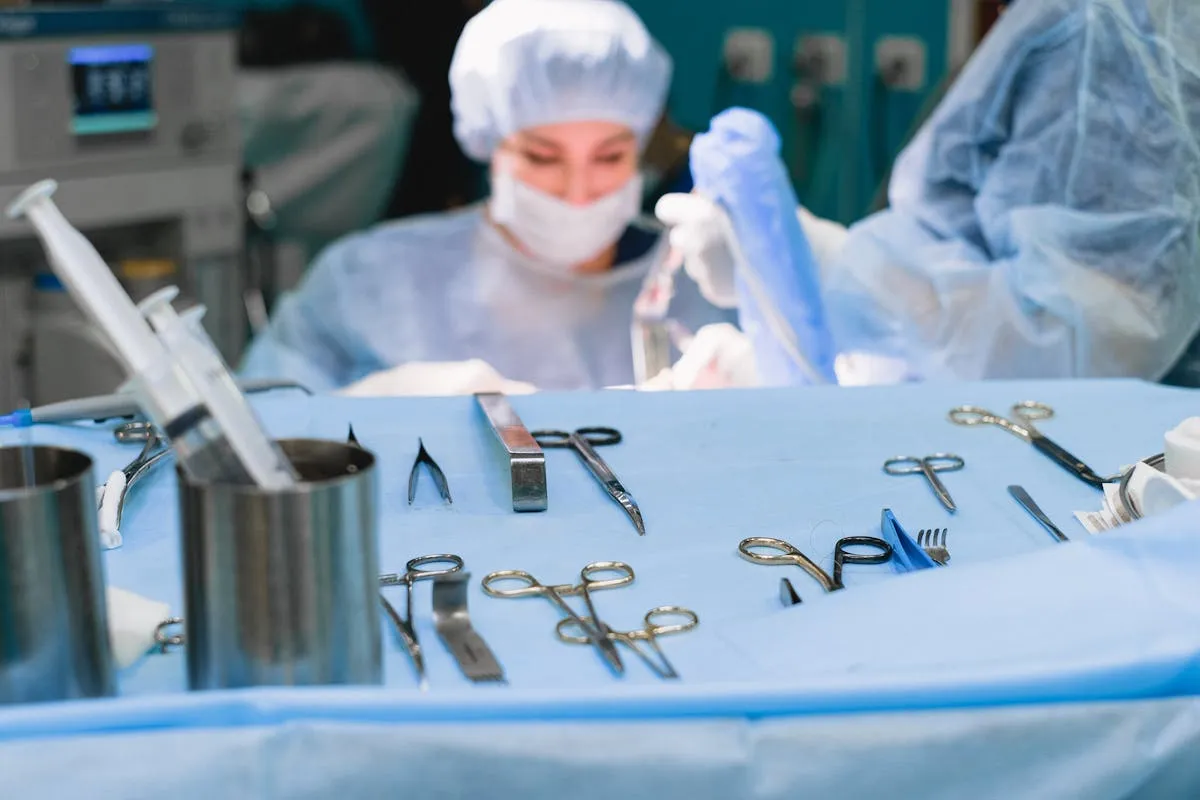
IVF Treatment in Turkey
Turkey's fertility clinics combine world-class embryologists, cutting-edge PGT screening, and significantly lower costs to offer one of the best IVF success-to-cost ratios globally.
fertility
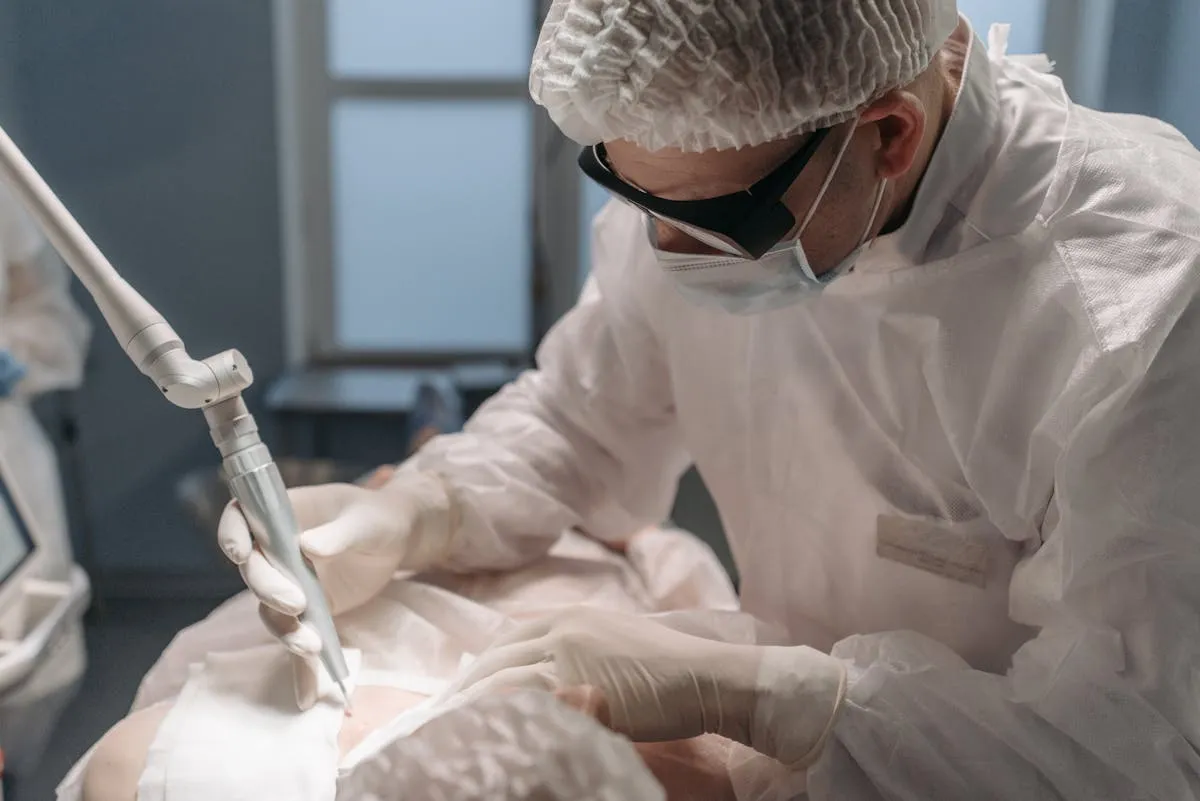
IVF Turkey Cost 2026
How much does IVF cost in Turkey in 2026? Our comprehensive guide compares standard IVF, ICSI, PGT-A, and FET pricing against the UK and USA.
fertility
Egg Donation in Turkey: Legal Status
Turkey has prohibited the use of donor eggs, donor sperm and donor embryos since 1987. No licensed Turkish clinic can offer a donor-egg cycle, and NexWell does not offer, price or arrange donor-conception treatment. This guide explains the legal position and what is actually available.
fertility
Egg Freezing in Turkey
Preserve your fertility with vitrification, the gold standard in egg freezing. Turkey's fertility clinics offer the same technology used in London and New York at 60–70% lower cost.
Plan the next step clearly
Use this page as a decision-support guide, then move into quote review, treatment comparison, and travel planning with coordinator support.
Decision Context
Patients compare this treatment inside the trip around it
Treatment pages perform better when they acknowledge arrival flow, destination trust, and the recovery rhythm patients are trying to visualise before booking.

The provider decision starts with arrival confidence
Patients compare treatment pages while also asking how first-day logistics, transfers, and scheduling will actually work.

The destination still influences medical trust
A treatment page is stronger when it recognises that the city itself remains part of the decision frame for international patients.

Recovery pacing changes how people evaluate options
Different procedures feel more or less realistic depending on how patients picture the slower hours between appointments.
References
- SART: National Summary Report 2022 (Society for Assisted Reproductive Technology, US national ART registry)
- HFEA: Fertility Treatment 2022: Preliminary Trends and Figures (UK Human Fertilisation and Embryology Authority)↩
- Corona G et al.: Sperm Recovery and ICSI Outcomes in Men with Non-Obstructive Azoospermia: A Systematic Review and Meta-Analysis (Human Reproduction Update, 2019; PubMed)↩