Tummy Tuck in Turkey: Board-Certified Surgeons, Accredited Hospitals
Abdominoplasty (tummy tuck) in Turkey is all-inclusive. Get Your Quote →Istanbul's internationally accredited hospitals perform full and mini abdominoplasties with TSPRAS board-certified surgeons, including diastasis recti repair. Consultation in 24h.
Quick answer
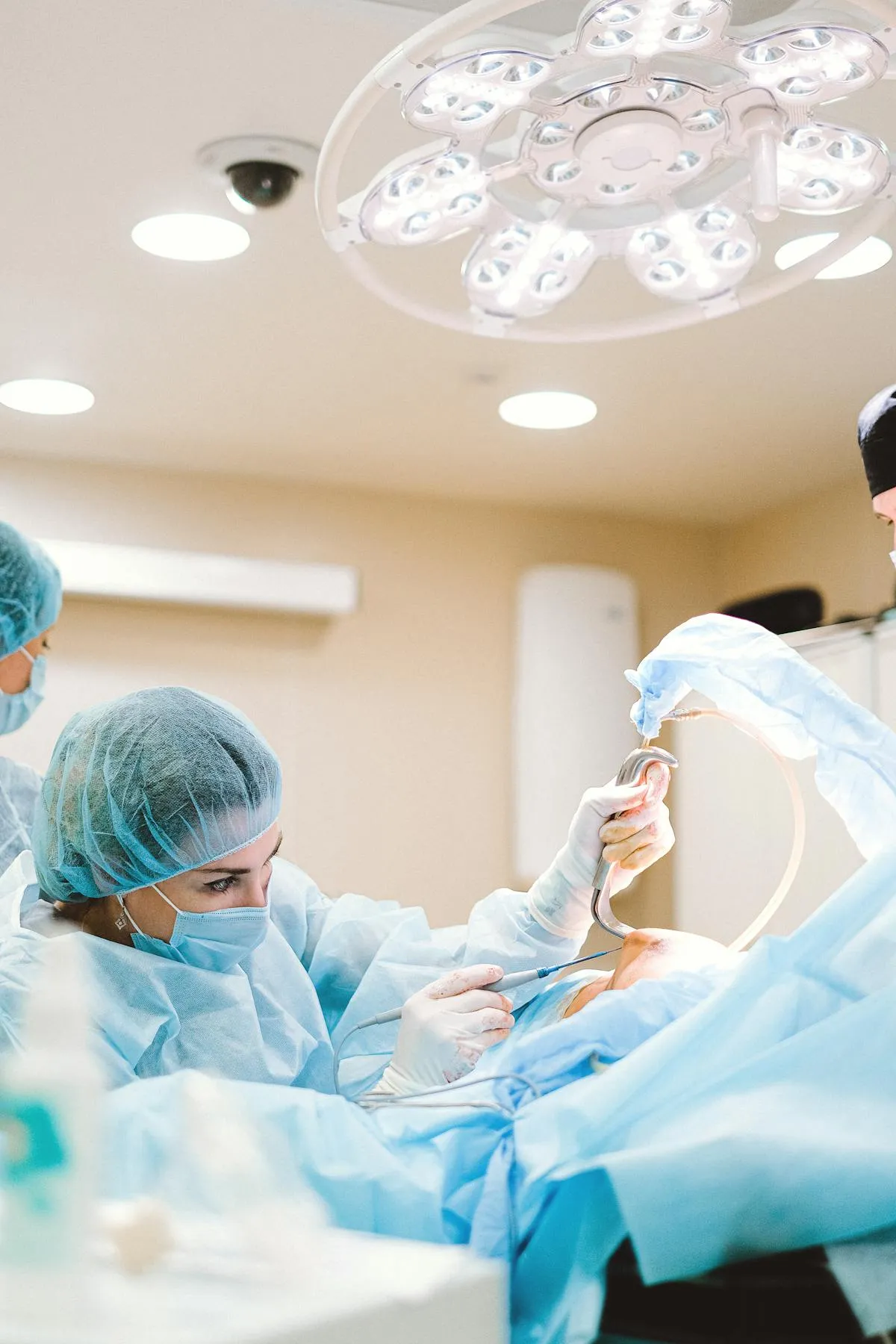
A tummy tuck (abdominoplasty) in Turkey costs Get Your Quote → all-inclusive. The procedure removes excess abdominal skin and fat while repairing diastasis recti (separated muscles), typically under general anaesthesia in 2–3 hours. Plan 7–10 days in Istanbul for post-operative recovery before flying home.
How much does a tummy tuck cost in Turkey?
All Turkey prices are all-inclusive: consultation, surgery, anaesthesia, hospital stay, compression garment, and aftercare. UK/US prices are average private rates.
| Procedure | Turkey 🇹🇷 | UK 🇬🇧 | USA 🇺🇸 |
|---|---|---|---|
| Full abdominoplasty (tummy tuck) | Get Your Quote → | $7,000–$11,450 | $8,000–$14,000 |
| Mini tummy tuck | Get Your Quote → | $5,100–$8,900 | $5,500–$10,000 |
| Tummy tuck + liposuction | Get Your Quote → | $9,550–$16,500 | $11,000–$18,000 |
| Full mommy makeover (3 procedures: tummy tuck + breast lift + liposuction) | Get Your Quote → | $12,700–$22,850 | $15,000–$25,000 |
Full abdominoplasty vs mini tummy tuck
Full Abdominoplasty
Most commonAddresses the entire abdomen: above and below the navel. Removes excess skin, reduces fat, and tightens the rectus abdominis muscles. Includes repair of diastasis recti (muscle separation). Recommended for patients with post-pregnancy muscle separation or significant skin laxity across the whole abdomen.
- Full muscle tightening + diastasis recti repair
- Navel repositioned
- Horizontal hip-to-hip incision
- Recovery: 7–10 days in Istanbul
Mini Tummy Tuck
Lower abdomen onlyTargets only the lower abdomen below the navel. Shorter incision, faster recovery, lower cost. Best for patients with good muscle tone and limited excess skin confined to the lower abdominal area. No navel repositioning required.
- Lower abdominal skin and fat only
- Navel unchanged
- Shorter incision
- Recovery: 5–7 days in Istanbul
From enquiry to flying home
Share your case
Send photos and a short medical history. Our team reviews candidacy (weight stability, prior surgeries, health conditions) and replies with a cost estimate within 24 hours.
Confirm & book
Approve your surgical plan and dates. A deposit secures your hospital slot; we send the pre-operative test list (blood work, ECG, anaesthesia clearance) to arrange before you travel.
Surgery in Istanbul
Pre-op consultation with your surgeon on arrival, then surgery under general anaesthesia (2–3 hours) at a TEMOS-accredited or Ministry of Health–licensed hospital.
Recover, then fly home
Plan 7–10 days in Istanbul for hospital stay and early recovery checks before your surgeon clears you to fly. Your coordinator stays in touch through the following weeks.
Live reviews
Live reviews from NexWell patients
Real, live Google reviews from NexWell patients.
4.9 · 1,506 Google reviews across NexWell's clinic network
The live Google review feed isn't loading right now.
The live Google review feed isn't loading right now.
Selected reviews
A few of the reviews above, kept as written, selected only because they don't name a specific clinic or clinician.
“I would like to sincerely thank Adam for his outstanding support, professionalism, and care throughout my journey. From the beginning, he has been kind, patient, and attentive, always taking the time to answer my questions and make sure I feel comfortable and well-informed. His clear communication and warm personality made the entire experience much easier and reassuring. Adam consistently goes above and beyond in his support, showing genuine care and dedication…”
“I had the pleasure of visiting this dental clinic in Turkey and was welcomed with respect, kindness, and a hospitality that made me feel at home. I felt completely at ease from the very first moment and trusted their professionalism immediately. Even my second visit for a check-up was flawless: consistent care, attention, and warmth. I highly recommend this clinic to anyone seeking skillful care combined with a truly human experience.”
“My teeth cleaning went well. Very satisfied.”
Dr. Umut Rıza Gündüz
Dr. Umut Rıza Gündüz (MD) is a general surgeon based in Antalya with a high-volume focus on bariatric and metabolic surgery, including gastric sleeve and gastric bypass, performed laparoscopically. He is also a NexWell medical reviewer for body-contouring content, including BBL, tummy tuck, mommy makeover, liposuction and breast lift.
- MD, General, Bariatric & Body-Contouring Surgery
- General Surgery (Türkiye)
A look inside the clinic
Real photos of the treatment rooms and equipment, coming soon.
What recovery actually looks like
Compression garment
Worn continuously for 4–6 weeks to support healing tissue and reduce swelling. Your surgeon fits it before you leave Istanbul.
Activity restrictions
Light daily activity resumes within 2–3 weeks. Strenuous exercise, heavy lifting, and core-intensive movement are avoided for 6–8 weeks.
Follow-up contact
Drain removal happens at 24–48 hours, before you leave the hospital. Your NexWell coordinator remains your point of contact for any question once you are home.
When results settle
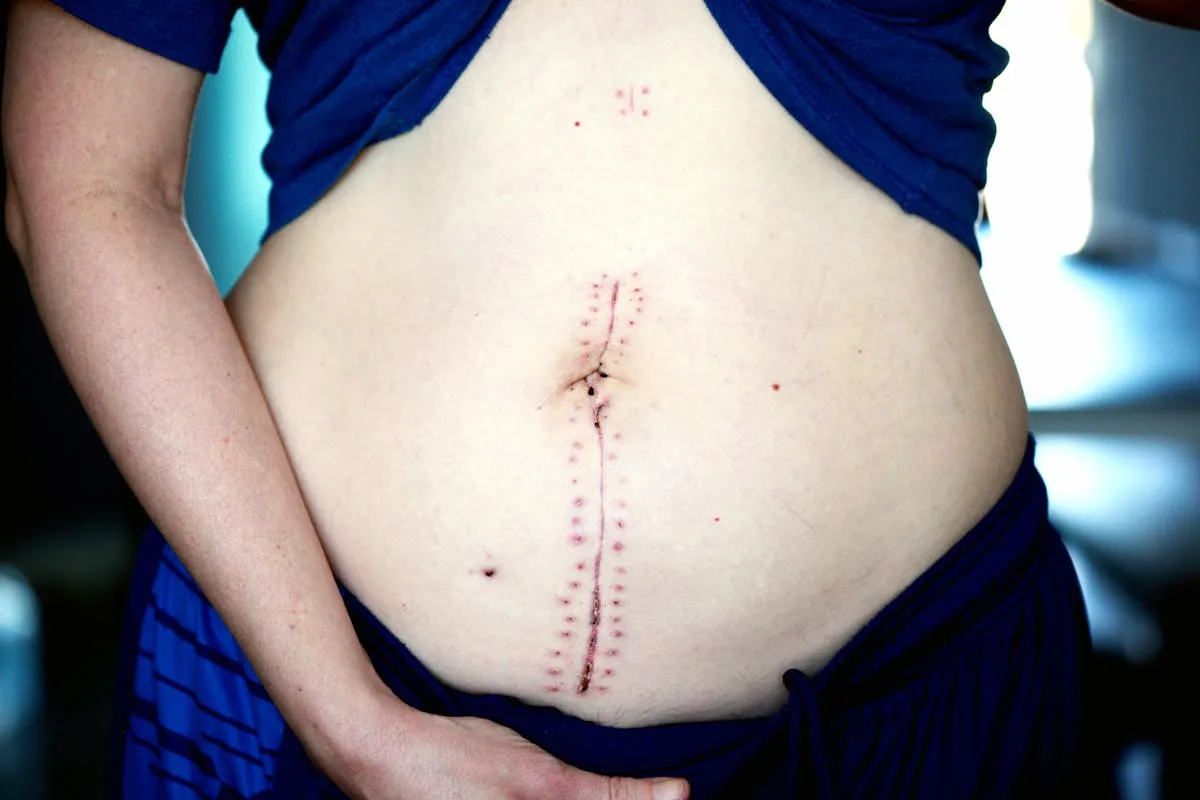
Swelling reduces steadily over the following months; final contour and scar fading are typically visible at 3–6 months.
Honest limits, before you book
- This is major surgery under general anaesthesia, not a shortcut to weight loss. It works best for patients already close to a stable target weight who have excess skin or muscle separation diet and exercise cannot fix.
- Candidacy depends on your health history: smokers are asked to stop at least 4 weeks before surgery, and weight should be stable for 3–6 months. Your surgeon confirms suitability from your photos and medical history before you book.
- Results are not immediate. Swelling takes months to resolve and scars fade gradually over 12–18 months. A consultation gives you a realistic, individual picture rather than a marketing photo.
If our team believes another procedure or timeline suits you better, we will say so, there is no obligation to proceed after a consultation.
Tummy tuck in Turkey: frequently asked questions
How much does a tummy tuck cost in Turkey?
A full abdominoplasty in Turkey costs Get Your Quote → all-inclusive, compared to $7,000–$11,450 in the UK and $8,000–$14,000 in the USA. The all-inclusive price covers pre-operative consultation, surgery, anaesthesia, hospital stay, compression garment, and aftercare coordination. A mini tummy tuck starts from $1,800.
What is the difference between a full and mini tummy tuck?
A full abdominoplasty removes excess skin and fat from the entire abdominal area and tightens the underlying rectus abdominis muscles, including repair of diastasis recti (muscle separation). A mini tummy tuck addresses only the lower abdomen, below the navel. The full procedure is typically recommended for patients with muscle separation or significant post-pregnancy skin laxity across the whole abdomen.
Is a tummy tuck in Turkey safe?
NexWell coordinates patients with TEMOS-accredited clinics or Ministry of Health–licensed hospitals in Istanbul. All surgeons are board-certified plastic surgeons certified by the Turkish Plastic, Reconstructive and Aesthetic Surgery Association (TSPRAS). Turkey performs hundreds of thousands of cosmetic procedures annually for international patients, with clinical outcomes regulated under national health ministry oversight.
How long is recovery after a tummy tuck?
Most patients return to light daily activities within 2–3 weeks. You should plan 7–10 days in Istanbul for the post-operative recovery period before flying home. Strenuous exercise and heavy lifting should be avoided for 6–8 weeks. Compression garments are worn for 4–6 weeks. Final results, including full resolution of swelling, are visible at 3–6 months.
Can a tummy tuck be combined with other procedures?
Yes. A tummy tuck is most commonly combined as part of a mommy makeover, alongside breast lift and liposuction, in a single surgical session. Combining procedures reduces total cost, requires only one anaesthetic, and means one recovery period rather than multiple. Liposuction of the flanks is often added to enhance abdominal contouring.
Will a tummy tuck fix muscle separation (diastasis recti)?
Yes. A key component of a full abdominoplasty is repair of the rectus abdominis muscles. Diastasis recti, the separation of the two vertical abdominal muscles that commonly occurs during pregnancy, is corrected by suturing the muscles back together, producing a firmer, flatter abdominal profile.
Combine with other procedures, or see the full package
Mommy Makeover Turkey
Combine tummy tuck, breast lift, and liposuction in one surgical session. The most cost-efficient way to combine multiple body contouring procedures.
Read guideLiposuction Turkey
Remove stubborn fat deposits from the flanks, hips, and thighs, often combined with tummy tuck in the same session.
Read guideBreast Lift Turkey
Mastopexy to restore breast position and firmness. Frequently combined with abdominoplasty as part of a mommy makeover.
Read guideBBL Turkey
Brazilian Butt Lift using fat transfer: the abdomen is a primary donor area, so a BBL is often combined with a tummy tuck in one session.
Read guideWhat a clinic should ask you for before surgery
None of this is legally compulsory, and that is exactly what makes it useful. What a clinic asks for when nothing forces it tells you how that clinic works. So read the list twice: once as the work-up you should have done, once as a measure of the clinic in front of you.
Blood tests
These are read together, as one picture, not ticked off one by one. A team planning surgery without a recent set of them is planning half-blind.
Complete blood count (CBC / hemogram)
The overall picture of your blood: anaemia, signs of infection, platelet levels. It is the baseline any surgical team wants in front of it before starting.
Blood glucose
Blood sugar affects how you heal and how prone you are to infection after a procedure. What is needed is a current reading. A result from three years ago tells nobody anything.
Coagulation tests (PT, INR)
How quickly your blood clots. The team plans around bleeding on the basis of it, and all the more so if you take blood thinners.
Infection safety
These three are taken as routine, not as a judgement about you: they protect you, the team, and the patient who comes after you. What a result means belongs to your doctor, not to a search engine.
HBsAg (Hepatitis B)
Screening for hepatitis B. Theatre scheduling and instrument handling are organised around it.
Anti-HCV (Hepatitis C)
Screening for hepatitis C. It often goes years without symptoms and shows up only in the lab.
HIV 1/2
Standard screening before an operation. A serious clinic asks for it in order to plan safely, not in order to judge you.
Bisphosphonate use
Bisphosphonates are bone medicines, most often taken for osteoporosis, sometimes as part of cancer treatment. In the jaw they matter more than anywhere else: in people who take them, or who took them in the past, an implant or an extraction carries a risk of osteonecrosis of the jaw (MRONJ). The effect on bone can outlast the final dose, so a course you finished years ago still counts.
This is not something you book at a lab. It is a question about your medication history. If you take a bisphosphonate, or ever have (under any brand name, as tablets or as an infusion), say so before a treatment plan is written, not after. Bring the name of the drug and, if you know them, the dates. A clinic that never asks what you take has not assessed you.
A good clinic asks you for all of this on its own. If yours doesn't, ask why. The side that writes your treatment plan should not be the only side judging it. This list is the simplest way to keep that judgement in your own hands.
This section is not a medical assessment and does not prescribe tests. Which of these apply to you, and what any result means, is a conversation with your own doctor and with the clinic performing the procedure.
Get your tummy tuck quote
A NexWell coordinator responds within 24 hours with a personalised treatment plan and all-inclusive pricing.