Is a Gastric Sleeve in Turkey Safe?
A gastric sleeve is a major operation with real risks, in Turkey as anywhere. No Turkey-wide death rate is published, so we do not quote one. International trial data put 30-day mortality after bariatric surgery at 0.08% and complications at 17% (JAMA Surgery, 2014). Outcomes depend on the surgeon, the hospital and aftercare: check all three in writing.
 Surgery at a JCI-accredited hospital
 TEMOS-accredited hospital
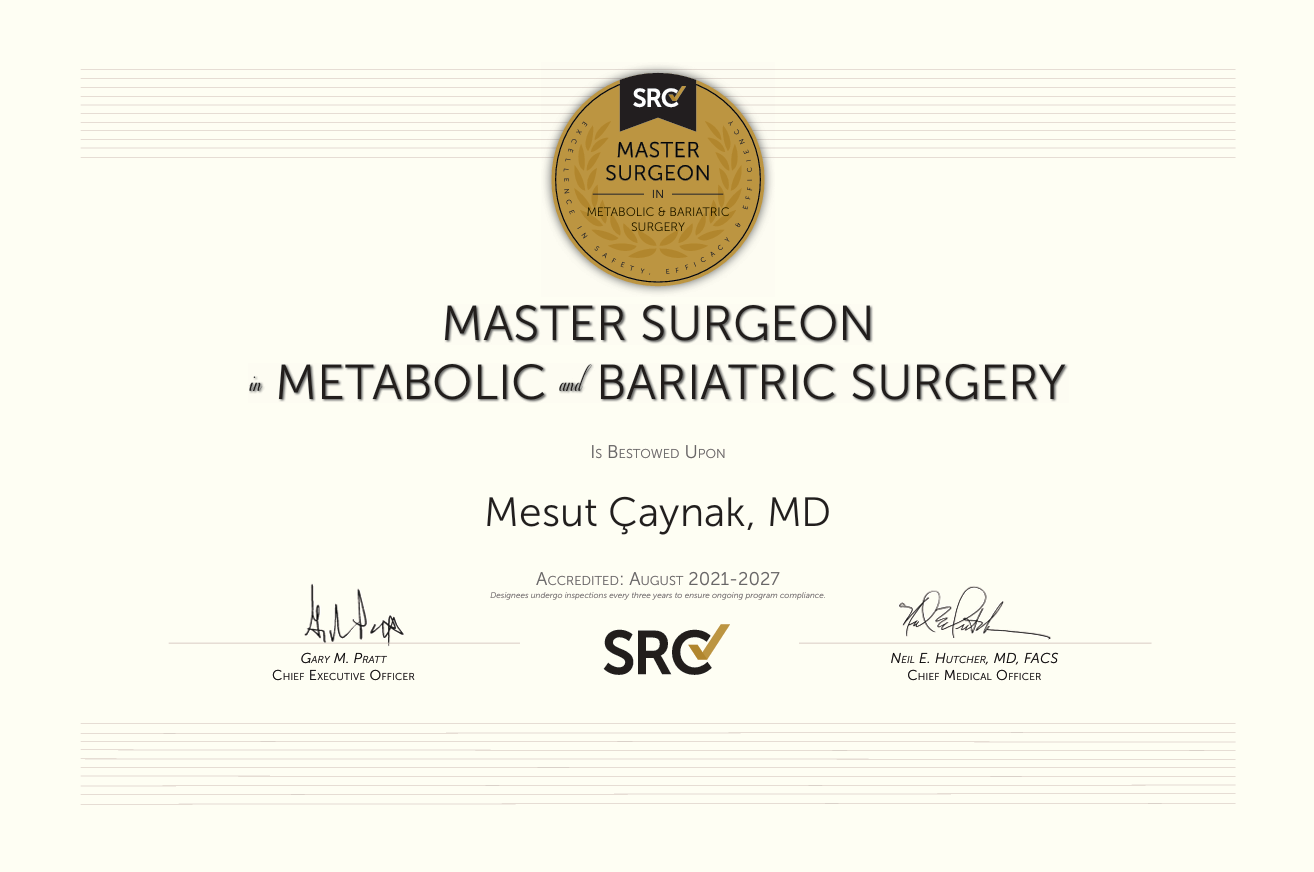
 SRC-accredited Master Surgeon
- One of only 7 SRC-listed bariatric surgeons in Turkey
- 3,800+ obesity surgery procedures
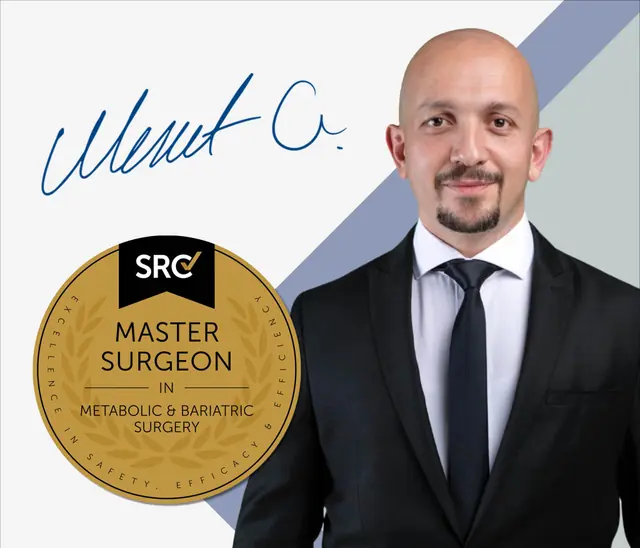 Surgical Review CorporationMaster Surgeon, Metabolic & Bariatric SurgeryAccredited Aug 2021 – 2027
Information, not a guarantee. The surgeon decides whether surgery is right for you after reviewing your records.
A NexWell patient's trip, and Dr. Çaynak's patients
Individual results vary.
Information, not a guarantee. The surgeon decides whether surgery is right for you after reviewing your records.
As featured in






Coverage of Dr. Çaynak's work.
Credentials
Accreditation you can check yourself
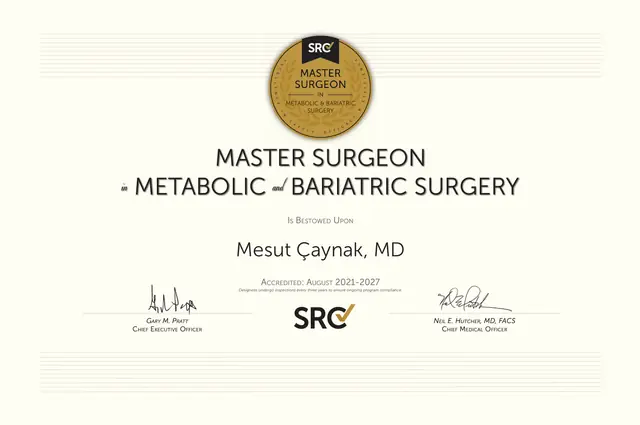
Surgical Review Corporation (SRC) certificate for Op. Dr. Mesut Çaynak, accredited August 2021–2027. Tap the certificate to enlarge it.
Source for “one of only 7 SRC-listed bariatric surgeons in Turkey”: SRC accredited providers list.
Key facts
No operation is risk-free. The best published figures are international: in randomised trials, 30-day mortality after bariatric surgery was 0.08% and the complication rate was 17%. UK reports of deaths after surgery in Turkey exist, but no source gives a rate. What you can control is who operates, where, and what aftercare is in writing.
- 30-day mortality (trials)
- 0.08% (JAMA Surgery, 2014)
- Complication rate (trials)
- 17% (JAMA Surgery, 2014)
- Turkey-specific rate
- Not published; not quoted here
- Hospital
- ASV Yaşam Hospital, Antalya (JCI-accredited)
- Surgeon
- Op. Dr. Mesut Çaynak, SRC-accredited Master Surgeon
- Last reviewed
- 2026-10-25
Gastric sleeve risk: what the published figures say
Each figure below is quoted from its source with its date and scope. Where a source does not give a rate, we say so instead of filling the gap.
- Chang et al., JAMA Surgery, 2014 (meta-analysis, studies 2003-2012)
30-day mortality 0.08% (95% CI 0.01%-0.24%) in randomised trials; 0.31% after 30 days; complication rate 17% (11%-23%); reoperation rate 7% (3%-12%).
Scope: All bariatric surgery types together, not sleeve alone and not Turkey-specific. - BBC News, 21 March 2023
"Seven Britons have died after having weight loss surgery there [in Turkey] since 2019"; the BBC also states there are no records of how many people travelled.
Scope: Count of deaths, no denominator, so it is not a rate; figure is as of March 2023. - UK FCDO Turkey travel advice, health page (read 25 October 2026)
"We are aware of 7 British nationals having died in Turkey in 2025 following medical procedures"; some others "experienced complications and needed further treatment or surgery".
Scope: All medical procedures (cosmetic, dental, cardiac and others), not weight loss surgery alone; no denominator. - NHS, complications of weight loss surgery (reviewed 5 February 2024)
Blood clots are possible; after gastric bypass or sleeve gastrectomy "there's a small chance that food could leak out of your tummy", which can cause a serious infection needing antibiotics.
Scope: Risks named without a percentage.
Known risks of a gastric sleeve, and when to seek urgent help
The NHS names blood clots and a stomach leak, which can lead to serious infection. NIDDK lists acid reflux as a risk of gastric sleeve and notes that the operation removes part of the stomach permanently.
Whether a risk applies to you depends on your health, your weight and your records, which is why the surgeon reviews them before accepting you.
After you return home, severe pain, fever, vomiting you cannot stop or trouble breathing need an emergency department the same day. Tell them about your surgery.
Questions to ask any surgeon, in Turkey or elsewhere
The UK FCDO advises discussing plans with your UK doctor first and doing your own research, because private companies have a financial interest in booking your treatment. It also points to the Turkish Ministry of Health list of approved providers on HealthTurkiye, and says it does not endorse any practitioner or facility.
- Who is the operating surgeon, and will that person perform the whole operation? Ask for the name and check it independently.
- Which hospital is the surgery in, and is its accreditation listed on the accreditor's own site?
- Which operation exactly is planned (sleeve, bypass, or another), and is that written in your plan? The BBC reported UK surgeons treating patients who had a different operation from the one they understood they had paid for.
- What happens if there is a problem after you fly home, and who answers at night?
- Does the clinic accept you for surgery at any BMI? The BBC reported six of 27 Turkish clinics it contacted were willing to accept someone with a BMI of 24.5. Surgeons who do this are a red flag.
- What does the price include and exclude, in writing? Ask for outcome and complication data the provider has audited.
Sources: UK FCDO · HealthTurkiye · BBC News
Your surgeon: Op. Dr. Mesut Çaynak
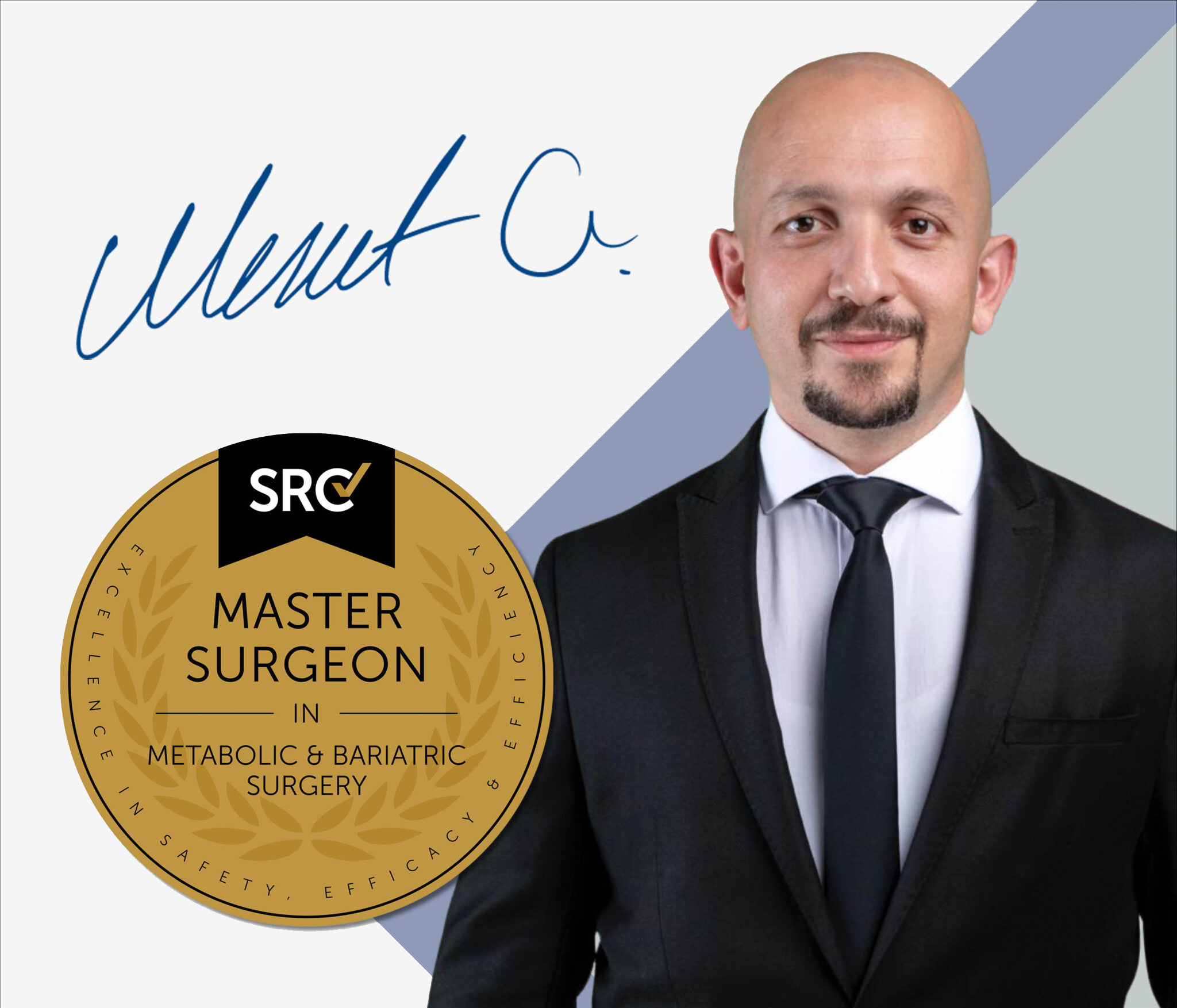
He has been an SRC-accredited Master Surgeon in Metabolic & Bariatric Surgery since 2021, according to the Surgical Review Corporation (SRC). He has performed more than 3,800 obesity surgery procedures over the past decade.
Check this yourself: the SRC list is public, and you can ask for his name on any written plan.
His SRC certificate is shown in the credentials section above. Verify on SRC
Surgery at a JCI-accredited hospital
Surgery takes place at ASV Yaşam Hospital in Antalya, a JCI-accredited hospital. JCI accreditation belongs to the hospital, not to the surgeon, and it does not remove the risks of surgery.
- HOSPITAL
- ASV Yaşam Hospital, Antalya (JCI-accredited)
- SURGEON
- Op. Dr. Mesut Çaynak
- FLY-HOME CLEARANCE
- Surgeon decides
What happens after you fly home
- After you fly home, you get 12 months of remote follow-up with a dietitian.
- Weight-loss surgery means lifelong changes: a new way of eating and vitamin supplements. Your dietitian and surgeon explain this before you decide.
- If you have severe pain, fever, vomiting you can't stop or trouble breathing after you return, go to your nearest emergency room and tell them about your surgery. Don't wait for an online reply.
- The surgeon decides when you are cleared to fly.
Gastric sleeve safety in Turkey: common questions
Is a gastric sleeve in Turkey safe?
No operation is risk-free, in Turkey or elsewhere. In a 2014 meta-analysis of randomised trials (JAMA Surgery), 30-day mortality after bariatric surgery was 0.08% and the overall complication rate was 17%. Those are international figures for all bariatric procedures. We do not know of a published Turkey-wide death rate, so we do not quote one. Safety depends on the patient, the surgeon, the hospital and the aftercare.
What is the death rate of gastric sleeve surgery in Turkey?
There is no published Turkey-wide rate that we can cite. The BBC reported in March 2023 that seven Britons had died after weight loss surgery in Turkey since 2019, but it also said there are no records of how many people travelled, so that count cannot be turned into a rate. The UK FCDO counts 7 British deaths in Turkey in 2025 after medical procedures of all kinds.
What are the main risks of a gastric sleeve?
The NHS names blood clots and a stomach leak, which can cause serious infection. NIDDK lists acid reflux as a risk of gastric sleeve. A sleeve removes part of the stomach permanently, so it cannot be reversed. Your surgeon explains the risks for your case before you decide.
Does NexWell publish its own complication rate?
Not on this page. We have no audited complication figure to show, so we do not state one. Ask the surgeon's team for the outcome data it holds, and for the surgeon's name, volume and accreditation, which you can verify yourself.
Where does NexWell surgery take place?
At ASV Yaşam Hospital in Antalya, which is accredited by Joint Commission International (JCI). Accreditation belongs to the hospital, not to the surgeon, and it does not remove surgical risk. The surgeon, Op. Dr. Mesut Çaynak, is an SRC-accredited Master Surgeon, which you can verify on SRC's site.
What should I do if I feel unwell after returning home?
If you have severe pain, fever, vomiting you cannot stop or trouble breathing, go to your nearest emergency department and tell them about your surgery. Do not wait for an online reply.
More information
Medically reviewed by Op. Dr. Mesut Çaynak, General Surgeon, Metabolic & Bariatric Surgery. Last reviewed October 2026
Ask the surgeon's team about your case
Share your height, weight and health history. Dr. Çaynak's team reviews them and replies with a written plan within 24 hours.
A physician reviews your case. No obligation.
Send your current weight, height and any reports you have. The surgeon reviews them and you get a written plan within 24 hours.
Information on this page is general and is not medical advice. Eligibility is decided by the surgeon after reviewing your records. See our editorial policy and medical disclaimer.