Teeth Whitening: The Complete Guide From Science to Safe Results
A complete guide to teeth whitening: how it works, in-office vs. at-home options, side effects, how long results last, and who's a good candidate.
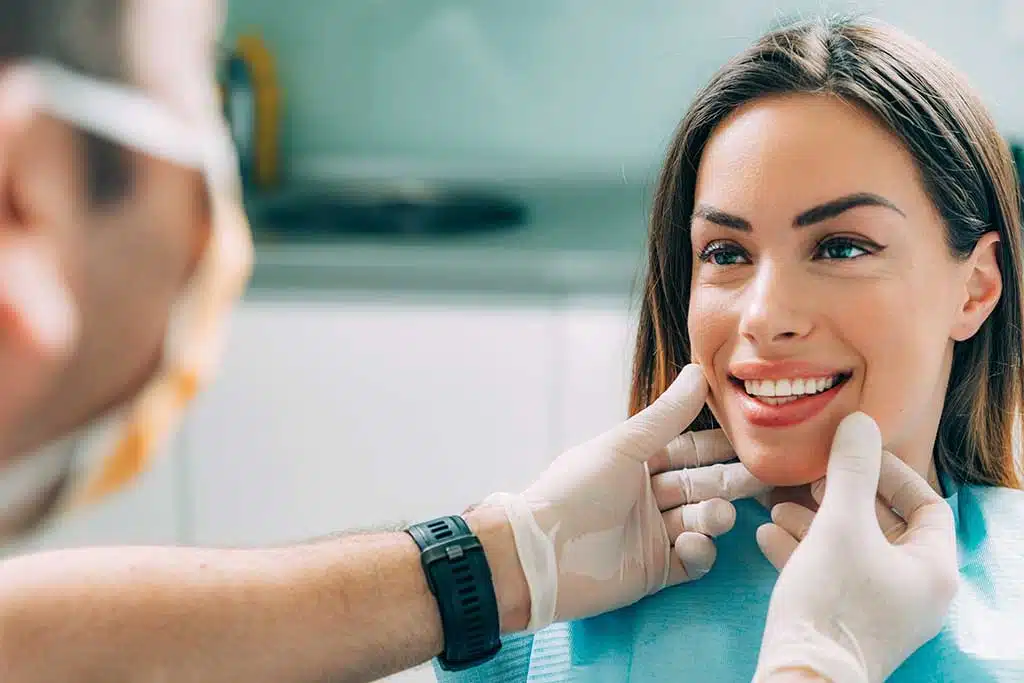
Quick answer
A complete guide to teeth whitening: how it works, in-office vs. at-home options, side effects, how long results last, and who's a good candidate.
- Chemical oxidation: Peroxide-based agents break down pigment molecules in dentin through oxidation to lighten tooth color. This is a chemical process, not mechanical cleaning.
- Two pathways: A fast in-office protocol (35–40% concentration) or a gradual at-home protocol (10–15% concentration), each with its own advantages and trade-offs.
- Side effects: Temporary tooth sensitivity is the most common side effect and typically resolves on its own within 3–7 days.
- Longevity reality: There's no such thing as "permanent" whitening; some color regression occurs within 6–24 months depending on diet, oral hygiene, and lifestyle.
- Contraindications: Whitening should generally be postponed with untreated decay, active gum disease, advanced enamel erosion, or during pregnancy; most over-the-counter kits carry added risk with little professional oversight.
- Restorations don't whiten: Fillings, crowns, and veneers don't respond to whitening agents, so the risk of a visible color mismatch should be discussed before treatment.
Conclusion and Guidance Framework
Teeth whitening, when appropriate, is an effective but non-permanent cosmetic procedure. As this guide shows, candidate assessment, method selection, managing side effects, and maintaining results all require careful judgment and follow-up. There's no one-size-fits-all solution.
If you're considering whitening, start with a dentist consultation. After examining your teeth, your dentist can discuss whether you're a good candidate, the best method for your situation, realistic expectations, and any risks: and help build a personalized plan.
This guide provides general information and does not replace professional medical advice. Diagnosis and treatment decisions depend on your dentist's individual evaluation.
Your Next Step: A Personalised Assessment
This guide is educational and is not a substitute for an in-person clinical examination. Whether a treatment is right for you, and which approach makes sense, can only be confirmed by a qualified dentist who reviews your specific case, imaging and health history. If you are weighing your options, the most useful next step is a personalised assessment.
NexWell can arrange a no-pressure assessment of your situation, with your case reviewed directly by the specialists we work with.
Frequently asked questions
Why do teeth darken over time?
Tooth color is mostly genetic: some people naturally have yellow-toned dentin, others a grayish-yellow tone, and this sets a natural ceiling on how far whitening can lighten the tooth. Enamel also thins with age, letting the darker dentin underneath show through more, which is why older teeth tend to look darker than younger ones. Surface stains from coffee, tea, and tobacco are usually easy to remove, but intrinsic stains from tetracycline, trauma, or age-related change respond poorly to whitening.
How does teeth whitening actually work?
Whitening is an oxidation reaction: a peroxide gel, hydrogen peroxide or carbamide peroxide, penetrates the enamel and dentin tubules, where heat, light, or a chemical catalyst activates it into a reactive state. These reactive molecules break down long-chain colored pigments into smaller, colorless fragments, changing how light reflects off the tooth and making it appear lighter. Claims that LED or halogen lights speed up the process haven't held up well in research: many studies find peroxide gel alone produces comparable results, so some clinicians question whether light activation is worth the added cost.
What's the difference between in-office and at-home teeth whitening?
In-office whitening uses a high-concentration gel (35–40% hydrogen peroxide or 30–40% carbamide peroxide) applied directly by the dentist, with soft tissue protected by a barrier; sessions run 45–90 minutes, and visible results usually appear after 1–3 sessions, monitored throughout. At-home whitening uses a lower concentration (10–15% carbamide peroxide or 5–10% hydrogen peroxide) in a custom-fit tray made from a dental impression, worn overnight or for a few hours a day over 2–4 weeks, with milder sensitivity due to the slower, gradual change. Some dentists combine both: a fast initial in-office session followed by long-term at-home maintenance.
What are the side effects of teeth whitening?
Tooth sensitivity is the most common side effect, reported in roughly 5–65% of patients depending on method and concentration; it happens because peroxide temporarily triggers fluid movement in the dentin tubules, making the tooth more reactive to hot, cold, and sweet stimuli, and it usually resolves within 1–7 days. Dentists manage it with desensitizing agents like potassium nitrate, shorter or more spaced-out sessions, reduced gel volume or wear time, and post-treatment rehydration; sensitivity lasting more than two weeks should prompt a pause in treatment. Gum irritation can occur from gel leakage but is usually prevented with proper isolation or a well-fitted tray, and rare cases of enamel damage or lasting sensitivity are linked to whitening too often or without professional guidance.
How long do teeth whitening results last?
There's no such thing as permanent whitening: teeth are at their lightest in the first 0–48 hours, begin mildly darkening over 1–3 months, become more noticeably darker by 3–6 months (especially in smokers and those who drink coffee, tea, or red wine regularly), and show a more clearly noticeable regression by 6–12 months before generally stabilizing. How long results last depends heavily on genetics, diet (coffee, tea, red wine, tomato-based foods), oral hygiene, and lifestyle: smokers often see visible darkening within 6–8 months and typically retain only 30–50% of the result at one year, compared with 70–85% for non-smokers with good habits.
How can you maintain and extend your whitening results?
Twice-daily brushing with a soft brush and fluoride toothpaste, daily flossing, a fluoridated non-acidic mouthwash, and limiting smoking, coffee, tea, red wine, and acidic drinks all help extend results. Many dentists also offer low-concentration (4–6%) touch-up sessions using your existing custom tray, shorter than the original protocol (1–2 weeks instead of 2–4) and able to restore most of the previous brightness. Recommended frequency varies by lifestyle: roughly every 3–4 months for heavy smokers or coffee drinkers, every 6–8 months for moderate exposure, and once a year or less for a more careful lifestyle: but touch-ups shouldn't be done more often than every 3–4 months, since excessive peroxide exposure can cause enamel wear and lasting sensitivity.
Who is a good candidate for teeth whitening?
Good candidates generally have healthy tooth structure with no untreated decay or large visible restorations, healthy gums, manageable sensitivity, and are adults 18 or older with fully erupted teeth; some intrinsic stains (excluding tetracycline staining) can also respond to treatment. Whitening should be deferred or avoided with untreated decay or advanced gum disease (both need treatment first), severe enamel erosion, in children and adolescents, during pregnancy or breastfeeding, and for severe intrinsic stains like tetracycline staining or significant post-root-canal darkening, which tend to respond poorly to standard whitening.
Is teeth whitening safe during pregnancy or breastfeeding?
Whitening is a cosmetic, not medically necessary, procedure, and there's limited large-scale research on the safety of whitening agents during pregnancy, so a cautious approach is standard: many dentists recommend postponing it until after pregnancy, and completing whitening beforehand if you're planning to conceive. It's similarly unclear whether peroxide passes into breast milk or what effect this might have on an infant, so many dentists suggest waiting until breastfeeding ends. Conditions like diabetes or immune-suppressing medications can also affect gum health and enamel integrity, so an individual assessment by your dentist is important before starting.
Does teeth whitening work on fillings, crowns, and veneers?
No: composite, amalgam, and glass ionomer fillings, along with porcelain crowns and veneers, don't respond to whitening agents because their color is set at manufacture or once cured. As natural teeth lighten, these existing restorations stay at their original shade, which can create a noticeable mismatch, especially on front teeth. Because of this, dentists typically photograph and catalog existing restorations before whitening, discuss the risk of mismatch, and may recommend replacing affected fillings or crowns 1–2 weeks after whitening once the new natural shade has stabilized: with any new restorations made in ceramic, since it holds color well and won't limit future whitening.
Do natural or DIY teeth whitening methods actually work?
Most popular home remedies are ineffective or even harmful. Activated charcoal provides only mild surface abrasion rather than true oxidative whitening, and frequent use can wear down enamel, paradoxically making teeth look darker as the yellow dentin underneath becomes more visible. Baking soda is similarly just a mild abrasive: safe at the low concentrations used in toothpaste, but risky at higher home-use concentrations. Fruit acids like lemon juice or vinegar don't whiten at all; they demineralize and soften enamel, and brushing during that softened window causes irreversible erosion. The safest, most effective options remain a dentist-prescribed custom tray or in-office treatment.
What should you eat and avoid after teeth whitening?
In the first 48 hours especially, teeth are at their lightest and still absorb stains more easily, so it helps to stick to light-colored or neutral foods: dairy, chicken, fish, rice, potatoes, and clear drinks like water or milk: while avoiding coffee, tea, red wine, tomato-based foods, berries, dark sauces, and other strongly pigmented or acidic items; if you do have one, use a straw, rinse afterward, and wait about 30 minutes before brushing gently. Smoking is whitening's biggest enemy and can cause noticeable darkening within 6–8 months, while acidic drinks like soda and energy drinks can both heighten sensitivity and soften enamel. It's also best to avoid brushing immediately after eating: rinse with water first and wait 30–60 minutes, since brushing while enamel is temporarily softened by acid accelerates wear.
How white can your teeth actually get with whitening?
Every tooth has a genetically determined color ceiling that whitening can't exceed: yellow dentin might realistically reach a cream-white shade rather than a bright, social-media white, grayish-yellow dentin may keep some gray undertone even with aggressive whitening, and naturally lighter teeth achieve very bright results more easily. Enamel also thins with age, letting more of the dentin's color show through, so younger teeth tend to lighten more readily than older ones. Before starting, dentists typically use a shade scale and pre-treatment photos to set realistic expectations: a 4–6 shade improvement is often achievable, even if an ultra-bright 'social media white' isn't.
What are the risks of over-whitening your teeth?
Uncontrolled, unsupervised, or overly frequent whitening can cause lasting harm: repeated peroxide exposure can permanently widen the dentin tubules, creating persistent sensitivity that's difficult to treat, and can cause microscopic surface etching and mineral loss that weakens enamel and dulls its natural shine. In more significant cases, restorative treatment such as composite bonding or veneers may become necessary to repair the damage. Sticking to your dentist's prescribed protocol and not exceeding recommended touch-up intervals is the best way to avoid these risks.
Can teeth whitening fix internal or resistant tooth stains?
It depends on the cause. Tetracycline staining from antibiotic use during tooth development, discoloration from an old trauma or necrotic pulp, staining from old root canal filling materials, and natural age-related dentin darkening all tend to respond poorly to standard external whitening. Mild internal stains may see partial improvement with standard whitening, moderate cases may benefit from internal (endodontic) whitening for root-canal-treated teeth, and severe or resistant stains are usually better addressed with microabrasion, veneers, or more intensive in-office sessions: though the latter carries a higher risk of enamel damage.
Are over-the-counter whitening kits safe and effective?
Generally not as reliable as professional options. Commercial kits often have inconsistent concentrations relative to what's on the label: sometimes too weak to work, sometimes strong enough to raise the risk of side effects: and their generic, one-size-fits-all trays can leak gel onto the gums and cause irritation. Quality control outside dental regulatory oversight is inconsistent, and if problems like severe sensitivity or gum burns occur, there's no dentist available to manage them or adjust the protocol. A dentist-fitted custom tray with a dentist-selected gel offers far better control, effectiveness, and safety monitoring.
What's the difference between teeth whitening and a professional cleaning?
A professional cleaning (scaling and polishing) mechanically removes tartar, plaque, and surface stains using ultrasonic or manual instruments, revealing your tooth's natural color underneath: it has a dramatic effect on heavily stained teeth but no effect on internal discoloration and doesn't lighten teeth beyond their natural shade. Whitening, by contrast, chemically lightens the tooth color itself through peroxide oxidation of pigments within the dentin, working on both surface and internal stains and lightening teeth beyond their natural baseline. Dentists often recommend a cleaning before whitening, since a clean tooth surface allows the peroxide to penetrate more evenly.
What are the alternatives to teeth whitening?
Ceramic or composite veneers bond a thin layer to the front of the teeth, offering long-lasting (veneers can last 15–20+ years), stable, stain-resistant color and the ability to correct shape or spacing too, though they require irreversible tooth preparation and cost more. Composite bonding is a more affordable, minimally invasive option that's quick to apply but typically needs renewing every 5–10 years and stains more easily. Internal (endodontic) whitening treats a single darkened root-canal-treated tooth from the inside, sparing its neighbors, though it only applies to that type of tooth. Complex cases sometimes combine approaches: for example, whitening the surrounding teeth while placing veneers on a few resistant ones.
When should you see a dentist about a whitening problem?
Contact your dentist if you notice pain that lasts more than a few days (some mild sensitivity within 48–72 hours is normal, but longer or worsening pain isn't), severe gum irritation or bleeding, uneven or patchy color change, sudden darkening of a single tooth, or damage such as a cracked, chipped, or loosened filling or crown. These signs may point to something unrelated to the whitening itself, so a dentist's evaluation is important to rule out an underlying issue.
Guide: The Complete Medical Tourism Handbook
Cost comparisons, clinic evaluation checklist, packing list & recovery tips. Everything you need to plan your treatment in Turkey.
Related reading
dental
Cosmetic Dentistry Myths Debunked: The Real Facts About Veneers, Crowns, Bonding, and Whitening
12 common cosmetic dentistry myths debunked: veneers, zirconia crowns, bonding, and whitening: compare lifespan, prep, and find the right treatment.
dental
Gum Disease: A Complete Guide to Gingivitis, Periodontitis, and Treatment Options
Understand gingivitis vs. periodontitis, plus symptoms and surgical treatments like flap surgery, gum grafting, and bone grafting.
Medically reviewed by Dt. Tunç Berge, MSc: Esthetic Dentistry & Implantology. Last reviewed July 2026