Breast Augmentation FAQ: 14 Questions About Breast Implants in Turkey
Answers to common breast augmentation questions: implant sizing, placement options, breastfeeding impact, recovery timeline, and how to evaluate surgeons in Istanbul.
Quick answer
Answers to common breast augmentation questions: implant sizing, placement options, breastfeeding impact, recovery timeline, and how to evaluate surgeons in Istanbul.
Breast augmentation is the second most performed cosmetic surgery worldwide. These 14 questions address what matters most: from implant sizing to long-term safety, based on current evidence and real patient experience.
Sizing, Shape & Placement Options
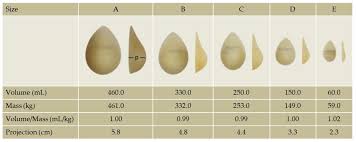
How do I choose the right implant size? Don't think in cc volume: think in proportional outcome. A 350cc implant looks different on a 50kg frame vs. an 80kg frame. Your surgeon should recommend based on: chest width measurement, existing breast tissue, skin elasticity, and your desired proportional change (subtle vs. dramatic).
Try-on sizers during consultation give the closest preview. Round or anatomical (teardrop)? Round implants are most common (70-80% of cosmetic cases). When placed submuscularly, gravity creates a natural teardrop effect. Anatomical implants are reserved for very thin patients with minimal breast tissue or reconstruction cases.
See our round vs anatomical comparison. Over or under the muscle? Submuscular (under the muscle): more natural look, lower capsular contracture risk, but slightly longer recovery. Subglandular (over the muscle): faster recovery, but higher visibility of implant edges in thin patients.
Dual-plane: a hybrid approach, most common in Istanbul. What about implant safety and BIA-ALCL? BIA-ALCL (breast implant-associated lymphoma) is extremely rare (1 in 30,000-80,000 for textured implants). It's associated with specific macro-textured surfaces, not smooth or micro-textured implants. Smooth round implants have the lowest associated risk.
Current evidence does not recommend avoiding implants: just being informed about the type your surgeon uses.
Recovery, Breastfeeding & Long-Term Care
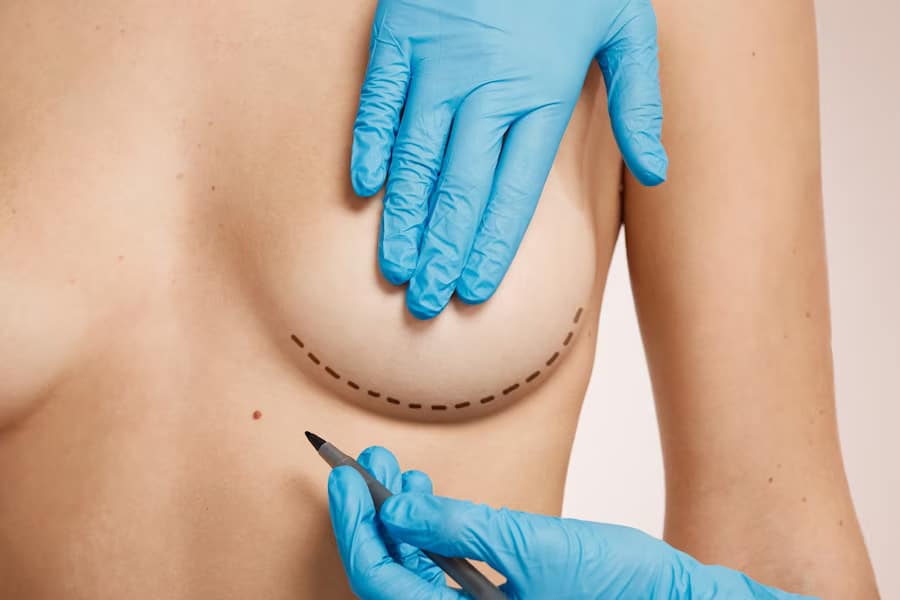
Can I breastfeed after implants? In most cases, yes. Inframammary (under breast crease) and transaxillary (armpit) incisions don't affect milk ducts. Periareolar incisions (around the nipple) carry a small risk of reduced milk production. Discuss incision approach with your surgeon if future breastfeeding is important. What's the recovery like? Day 1-3: moderate soreness, limited arm movement.
Week 1: most patients off pain medication. Week 2: return to desk work. Week 4: light exercise. Week 6: full activity including gym. Week 8-12: final position settled (implants "drop and fluff" into natural position). Do implants need to be replaced? Implants are not lifetime devices. Average lifespan: 10-20 years. FDA/manufacturer recommendation: monitoring (not automatic replacement) after 10 years.
Replacement is needed when: capsular contracture develops, implant rupture occurs, or you want a size/profile change. What's capsular contracture? The body forms a natural capsule of scar tissue around any implant. In 5-10% of cases, this capsule tightens (contracts), making the breast feel firm and potentially distorted.
Risk reduction: submuscular placement, smooth implants, proper surgical technique, and post-op massage protocol. For pricing, see our breast augmentation cost guide. Get your quote.
Frequently asked questions
Will implants affect mammograms?
Implants can obscure some breast tissue on mammograms. Inform the radiologist about your implants: they use additional views (Eklund displacement technique) to visualize tissue adequately. Implants do not increase breast cancer risk.
Can I fly after breast augmentation?
Yes, after 5-7 days. Cabin pressure does not affect implants. Wear a compression bra during the flight for comfort.
What if I want them removed later?
Implant removal (explant) is possible at any time. Without replacement, breast appearance depends on how much natural tissue was present before augmentation and skin elasticity. Some patients opt for a breast lift during explant.
How visible are the scars?
Inframammary: hidden in the breast crease, virtually invisible. Periareolar: camouflaged along the areola border. Transaxillary: hidden in the armpit fold. All scars fade to thin white lines within 6-12 months.
Guide: The Complete Medical Tourism Handbook
Cost comparisons, clinic evaluation checklist, packing list & recovery tips. Everything you need to plan your treatment in Turkey.
Related reading
breast-procedures
Breast Augmentation in Istanbul: Implant Options, Surgeon Standards & Pricing (2026)
What to know before getting breast augmentation in Istanbul: implant brands, incision techniques, recovery logistics, and why surgeon aesthetic judgment matters more than implant size.
plastic-surgery
Breast Augmentation Turkey Cost 2026: Implants, Lift & Combo Guide
A practical pricing guide for breast augmentation in Turkey, comparing implant types, augmentation with lift, and mummy makeover combo packages.
breast-procedures
Round vs Anatomical (Teardrop) Breast Implants: Shape, Feel & Which Suits Your Body
A clinical comparison of round and anatomical breast implants: projection profiles, natural appearance, rotation risk, and how body type determines which shape produces the best result.
breast-procedures
Breast Augmentation: UK vs Turkey Cost Comparison (2026 Prices)
A transparent comparison of breast augmentation costs in the UK and Turkey: implant brands, surgeon fees, total trip costs, and how to evaluate quality across borders.
Aesthetic Surgery Guide
Aesthetic Surgery in Turkey
Learn what to expect from aesthetic surgery in Turkey, including safety standards, surgeon expertise, costs, patient journey, and modern treatment methods.
Written by the NexWell editorial team. Medically informed content. How we create content