
Medically reviewed by Dt. Tunç Berge, MSc — Esthetic Dentistry & Implantology — Last reviewed June 2026
How Long Do New Teeth Last? Implants, Bridges & Dentures
How long do new teeth last? Dental implants can last 15–25 years or a lifetime, while the bridge or crown on top is usually replaced every 10–15 years. Here's the lifespan of each option and what actually decides how long yours survive.
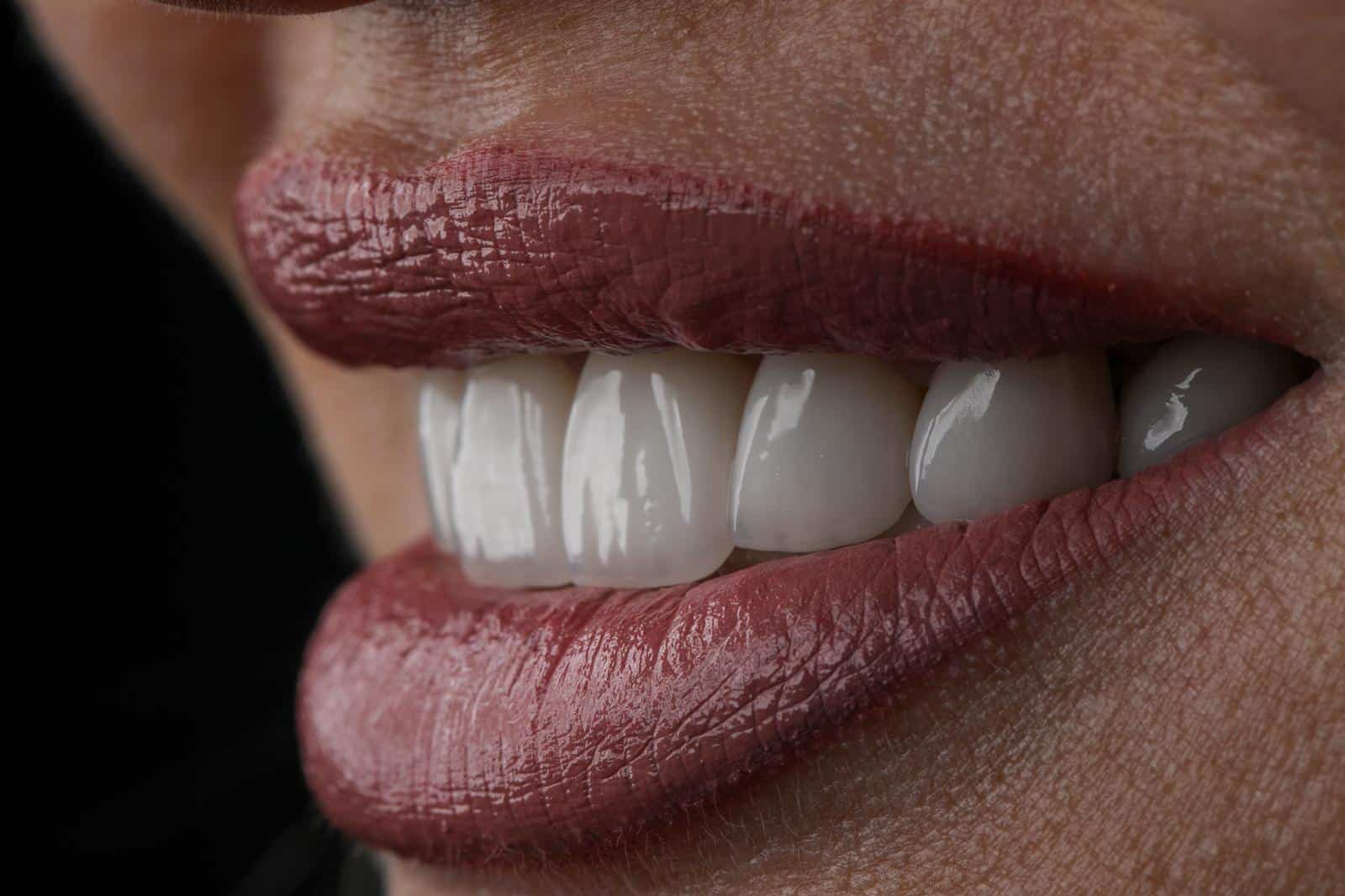
If you're investing in new teeth, longevity is the number that matters most. The honest answer is that 'new teeth' have two parts that age differently: the implant root, which can last decades, and the visible restoration on top, which wears like anything else in the mouth. Understanding that distinction — and the habits that protect both — tells you what you're really buying.
How Long Each Option Lasts
| Feature | Typical lifespan | Notes |
|---|---|---|
| Implant root | 15–25 years or a lifetime | With good care and no infection |
| Implant crown or bridge | 10–15 years | The visible part, replaceable |
| Veneers | 10–15 years | Depends on material and bite |
| Crowns | 10–15 years | May need replacing as gums change |
| Full dentures | 5–8 years | Need relines as the jaw changes |
These are typical ranges, not guarantees. The key insight: the implant itself often outlives the teeth attached to it, which is why 'do implants last forever' has a nuanced answer. Learn how the parts fit together in new teeth in Turkey.
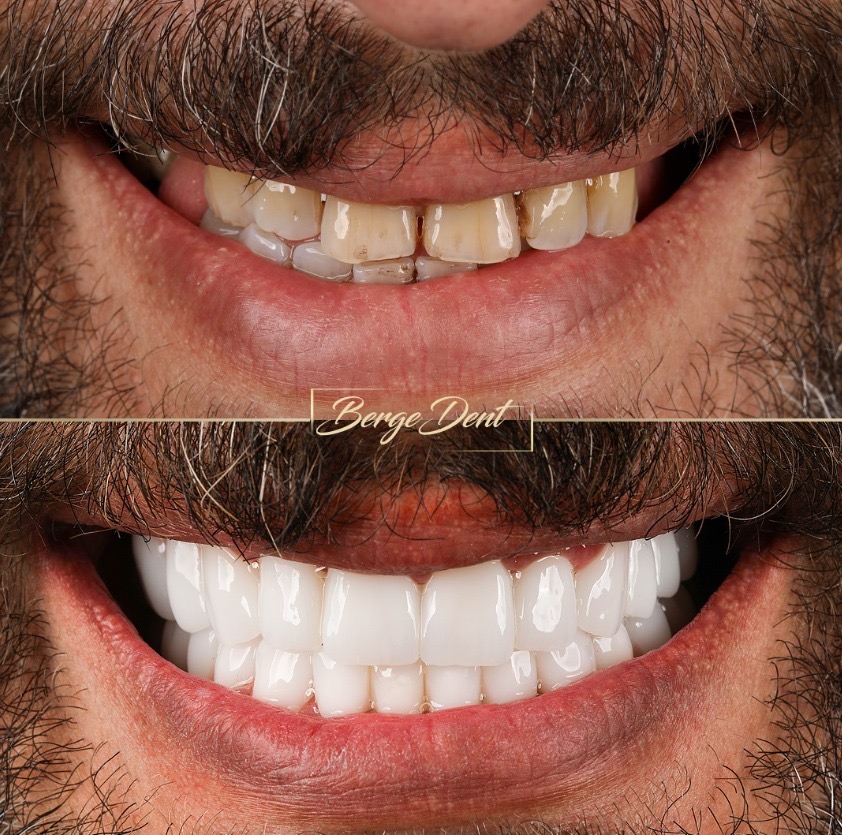
What Determines How Long Implants Last
Implant longevity is decided less by the implant brand and more by what happens around it. The biggest factors are day-to-day hygiene, not smoking, controlled general health (diabetes in particular), bite forces and grinding, and ongoing professional maintenance.
The main threat is peri-implant disease — inflammation and bone loss around the implant, the implant equivalent of gum disease — which is largely preventable with good cleaning and regular check-ups. Implants don't get cavities, but the gum and bone supporting them still need care.
The Restoration Wears Before the Implant
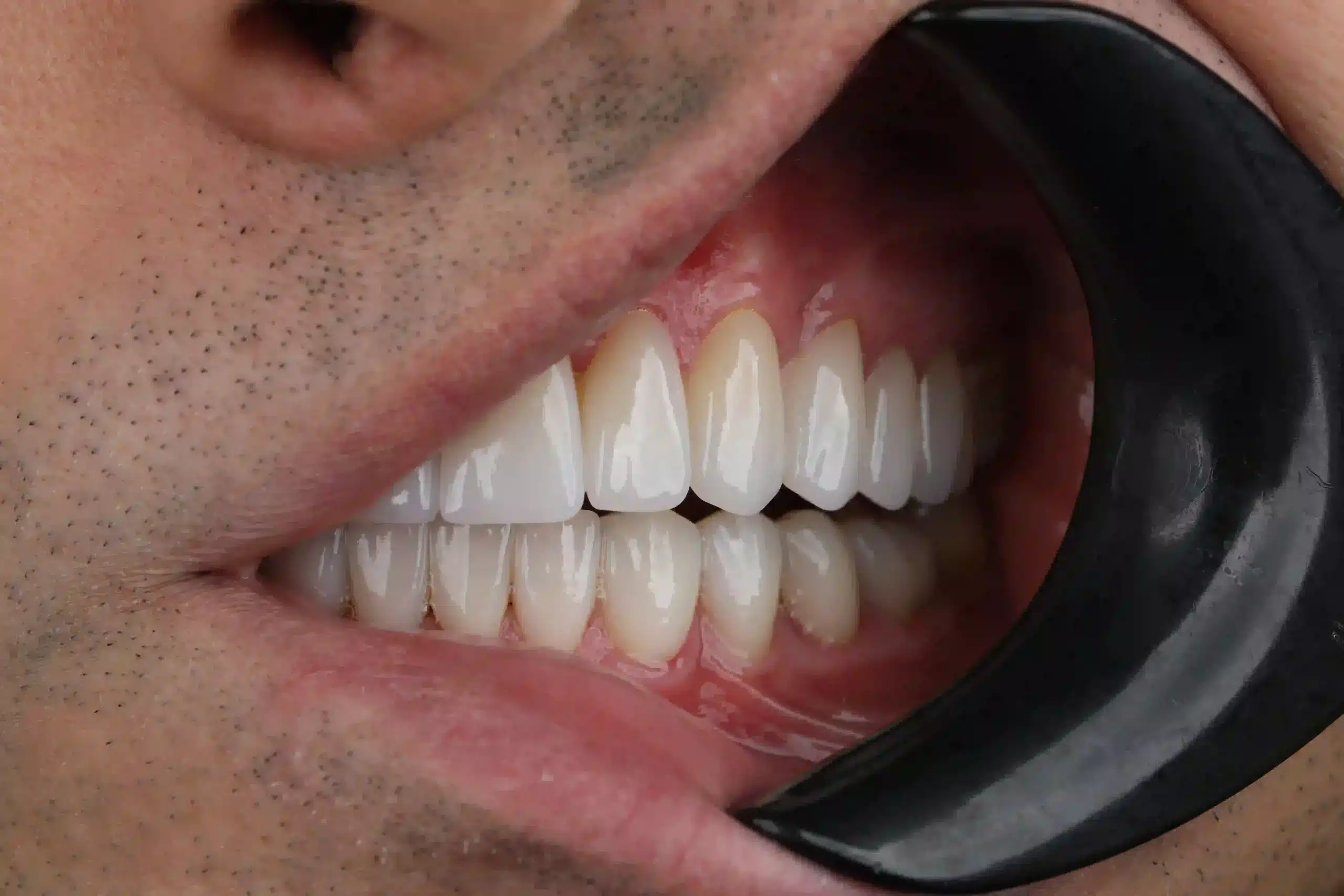
It helps to think of new teeth as two layers. The implant is the foundation, integrated into bone and built to last. The crown or bridge on top is the working surface — it chews, it's exposed to staining and bite forces, and over 10–15 years it can chip, wear or simply date cosmetically.
The good news is that the restoration can usually be replaced without disturbing the implant beneath, so 'replacing your teeth' later rarely means starting over. This is the same logic behind full-mouth implants vs dentures.

Protecting Your Investment
Getting the maximum lifespan comes down to a simple routine: clean thoroughly every day (including under bridges as shown by your clinician), attend professional maintenance appointments, protect against grinding with a nightguard if needed, avoid smoking, and act early on any bleeding or looseness.
Choosing a clinic with reachable aftercare matters here, because long-term maintenance — not just the surgery — is what keeps new teeth lasting. See what aftercare looks like in practice in life after full-mouth dental implants.

Longevity Starts With the Right Clinic and Aftercare
New teeth last longest when they're well-planned and well-maintained. NexWell matches you to vetted partner clinics with proper planning and reachable aftercare, so maintenance isn't left to chance. See our partner clinics or get a free assessment.

Frequently asked questions
How long do new teeth last?
It depends on the option. Dental implants (the root) can last 15–25 years or a lifetime with good care, while the crown or bridge attached to them is typically replaced every 10–15 years. Veneers and crowns last around 10–15 years, and full dentures around 5–8 years before relines or replacement.
Do dental implants last forever?
The implant root can last a lifetime in many patients, but it's not automatic — it depends on hygiene, not smoking, general health and avoiding peri-implant disease. The visible crown or bridge on top usually needs replacing every 10–15 years even when the implant itself is fine.
What makes implants fail early?
The main causes are poor hygiene leading to peri-implant disease (inflammation and bone loss around the implant), smoking, uncontrolled diabetes, heavy grinding and skipped maintenance. Most early failures are linked to preventable factors rather than the implant itself.
Can you replace the teeth without replacing the implant?
Usually, yes. The crown or bridge can typically be remade and refitted onto the existing implant when it wears or dates, without removing the implant from the bone. This is why the implant foundation often outlasts several restorations.
Free Guide: The Complete Medical Tourism Handbook
Cost comparisons, clinic evaluation checklist, packing list & recovery tips — everything you need to plan your treatment in Turkey.
Related reading
dental
New Teeth in Turkey: Implants, All-on-4 & Fixed Teeth Explained
Want 'new teeth'? This dentist-reviewed guide explains your fixed options in Turkey — single implants, All-on-4, All-on-6 and full-mouth — how they compare to dentures, what they cost, how long treatment takes, and how to choose a clinic.
dental
Dental Implants in Turkey
Replace a single tooth or your entire smile with premium dental implants in Istanbul. Same brands as London specialists, a fraction of the cost. 5-day treatment packages. JCI-accredited dental hospitals.
dental-treatments
Why Full Mouth Implants Often Outperform Dentures for the Right Patient
A practical comparison of full mouth implants versus removable dentures across stability, eating confidence, bone preservation, maintenance, and total lifetime value.
dental
All-on-4 Dental Implants in Turkey
Complete full-arch restoration anchored by just four strategically placed implants — often delivered as same-day teeth. Save an average of $30,000–$35,000 compared to US prices, without compromising on quality or safety.
dental-treatments
Life After Full Mouth Dental Implants: What It Actually Feels Like
What daily life is really like after full mouth dental implants — eating freely, adapting speech, reduced self-consciousness, and how the experience shifts quietly over months and years.