Medically reviewed by Dt. Tunç Berge, MSc: Esthetic Dentistry & Implantology. Last reviewed June 2026
Gum Recession: Causes, Treatment and Gum Grafting
- TEMOS-accredited clinics
- JCI-accredited hospitals
- Board-certified surgeons and a licensed clinical team
- 3,000+ international patients treated
A NexWell explainer on gum recession: why gums pull back and expose the tooth root, how periodontal disease, aggressive brushing, bruxism and smoking drive it, why it raises sensitivity, decay and tooth-loss risk, and what scaling, gum grafting and restorative options can realistically do.
Written quote from a NexWell coordinator, usually within 24 hours.
Quick answer
A NexWell explainer on gum recession: why gums pull back and expose the tooth root, how periodontal disease, aggressive brushing, bruxism and smoking drive it, why it raises sensitivity, decay and tooth-loss risk, and what scaling, gum grafting and restorative options can realistically do.
What Is Gum Recession?
Gum recession, known clinically as gingival recession, is the gradual loss of gum tissue along the margin of a tooth, so that the gum line pulls back and exposes part of the tooth or its root. The first sign many people notice is that their teeth look longer than they used to, or that a small notch or step has appeared near the gum line.
Often it is a dentist who spots it first, because in the early stages it can be painless.
Understanding why this matters starts with a little anatomy. The crown of a tooth is covered by hard enamel, which is built to withstand the mouth. The root, however, is covered by a much softer, more porous layer called cementum, and it is normally protected beneath the gum.
When the gum recedes, that root surface is uncovered for the first time, and it is far more vulnerable to sensitivity, wear and decay than enamel ever was.
Recession is extremely common, and it tends to increase with age: the great majority of older adults have at least one site of recession, and a substantial share of younger adults do too. That prevalence is part of why it is so often dismissed as 'just getting older'. In reality, recession is usually the visible result of an underlying cause, and once gum tissue is lost, it does not grow back on its own.
Often it is a dentist who spots it first, because in the early stages it can be painless.
The body cannot spontaneously regenerate the lost gum, which is why prevention and early action matter, and why treatment, when needed, is about covering or protecting the exposed root rather than waiting for the gum to return.
It is also worth separating two things that often travel together. Recession describes where the gum margin sits; it is not the same as active gum infection, though the two are closely linked. A tooth can have stable recession from years of heavy brushing with otherwise healthy gums, or recession can be a sign of ongoing disease. Telling those situations apart is the job of a clinical examination.
What Causes Gums to Recede?
Gum recession rarely has a single cause. It is usually the combined result of several factors acting on the gum over years, which is why two people with receding gums can need quite different advice. The most important contributors are worth understanding individually.
The first is periodontal disease. Chronic gum infection, driven by bacterial plaque left along and below the gum line, inflames the gum and progressively destroys the soft tissue and underlying bone that hold a tooth in place. As that supporting structure breaks down, the gum margin retreats.
This is the most significant cause of recession in terms of long-term tooth health, because it reflects loss of the bone that anchors the tooth. Around implants, a similar inflammatory process called peri-implantitis can damage the tissue supporting a fixture.
The second, and the one most people are surprised by, is aggressive brushing. Scrubbing hard, using a stiff-bristled brush, or sawing back and forth with heavy pressure physically wears away the delicate gum margin over time. This kind of recession often appears on the cheek-facing surfaces of the teeth.
It is a mechanical injury, not an infection, but it is just as real, and it is one of the few causes a person can correct themselves simply by changing technique.
The third is bruxism, the habit of clenching or grinding the teeth, often during sleep. The repeated, excessive force flexes the teeth and stresses the gum and bone at the neck of each tooth, which over time can contribute to gum and bone loss in that area. Because grinding also wears and cracks teeth, recession linked to bruxism rarely travels alone.
Smoking is the fourth major factor. Tobacco use restricts blood flow to the gums, impairs healing and is strongly associated with more severe gum disease and recession; it also makes gum treatment less predictable. Other contributors include genetics and a naturally thin gum type, poorly positioned teeth, badly fitting fillings or crowns at the gum margin, and hormonal changes that make gums more reactive.
Identifying which of these apply is what turns a vague diagnosis into a workable plan.
Treatment Plan
Ready for a written Gum Recession: Causes, Treatment and Gum Grafting quote?
A NexWell coordinator reviews your case and replies with a personalised treatment plan and indicative pricing — usually within 24 hours.
Why Gum Recession Matters
It is tempting to treat receding gums as a purely cosmetic issue, but recession has real functional consequences, and understanding them is what motivates timely care.
The most immediate is sensitivity. Once the soft root surface is exposed, hot, cold, sweet and even touch stimuli can reach the inner part of the tooth far more easily, producing the sharp twinge familiar to anyone with sensitive teeth. For some people this is a minor nuisance; for others it makes cold drinks or even brushing genuinely uncomfortable.
The second, and more serious, is decay risk. The exposed root has no protective enamel, only softer cementum and dentine, which are much more prone to erosion and to root-surface tooth decay. Decay that starts on the root can progress quickly and is harder to restore than decay on the crown.
Recession therefore quietly raises the long-term risk of cavities in teeth that may otherwise be sound.
The third consideration is appearance. Receding gums make teeth look longer and can expose darker root surfaces or the metal margins of older crowns, creating the 'long in the tooth' look.
Where recession affects the smile line, it can undermine the result of otherwise good cosmetic work such as veneers or dental crowns, which is why gum health is assessed before any aesthetic treatment.
The fourth, and most important, is what recession can signal about the foundation of the tooth. When recession is driven by gum disease rather than brushing, it reflects ongoing loss of the bone and attachment that hold the tooth in the jaw.
Left unmanaged, that process can lead to loosening and, ultimately, tooth loss: at which point the conversation shifts toward replacement options such as dental implants, sometimes requiring a bone graft to rebuild the lost bone first. Recession is not always an emergency, but it is a signal worth heeding rather than ignoring.
How Gum Recession Is Treated
There is no single treatment for gum recession, because the right response depends on the cause, how far it has progressed and what the patient is trying to achieve: relief of sensitivity, protection of the root, halting further loss, or improving appearance. Treatment generally moves from the least invasive option that addresses the cause toward surgical correction only where it is genuinely warranted.
The first step is almost always controlling the cause. Where recession is mechanical, that means correcting brushing technique and switching to a soft brush; where bruxism is a factor, a custom night guard can reduce the damaging forces.
Where active gum disease is present, the foundation of treatment is professional deep cleaning, scaling and root planing, which removes plaque and hardened tartar from along and beneath the gum line and smooths the root surface so the gum can settle.
This is the cornerstone of managing recession driven by periodontal disease, and in many cases stabilising the gums is the main goal rather than regrowing tissue. For sensitivity, desensitising agents, fluoride and specific toothpastes can give meaningful relief without surgery.
When recession is more advanced: exposing significant root, causing persistent sensitivity, raising decay risk or affecting appearance: a periodontist may discuss gum grafting, the surgical procedure used to cover an exposed root with new soft tissue.
Several techniques exist: a connective tissue graft takes a thin layer of tissue from beneath the surface of the palate and tucks it over the root; a free gingival graft uses surface tissue from the palate; and in some cases processed donor tissue is used instead of taking tissue from the patient's own mouth.
Systematic reviews of these root-coverage procedures find that, in suitable cases, they reliably reduce recession and can give good coverage, though results vary by case and technique, and no single method is best for every situation.
Where the exposed root has already worn or decayed, restoration also has a role. A tooth-coloured filling or dental bonding can be placed over a sensitive or worn root surface to protect and reshape it, and faulty fillings or crown margins that contributed to the recession can be replaced.
In practice these tools are often combined: control the cause, treat any disease, cover or protect the root, and restore what has been damaged. What no responsible clinician offers is a guarantee: recession treatment improves and protects, but outcomes depend on the individual case, the cause being controlled and ongoing maintenance.
How to Prevent Gum Recession
Because lost gum tissue does not grow back on its own, prevention is far more valuable than treatment, and most of the major causes are within a person's influence. The aim is simple: protect the gums from both infection and mechanical trauma.
The single most effective measure is good plaque control without over-brushing. That means brushing twice a day with a soft-bristled brush, using a gentle technique rather than hard horizontal scrubbing, and cleaning between the teeth daily. An electric brush with a pressure sensor can help heavy-handed brushers ease off. The goal is to remove plaque thoroughly while treating the gum margin gently.
Regular professional care is the second pillar. Routine dental check-ups and hygiene visits remove the hardened tartar that brushing cannot, catch early gum inflammation before it becomes established periodontal disease, and let a clinician monitor the gum margin over time so that any recession is caught while it is still minor.
For most people a check-up and clean every six to twelve months is appropriate, though those with a history of gum disease may need to be seen more often.
The remaining steps address the other causes. Not smoking, or stopping, meaningfully improves gum health and the predictability of any future treatment. Managing bruxism with a night guard protects the necks of the teeth from grinding forces. Correcting badly positioned teeth, where appropriate, can remove the strain that drives localised recession.
And replacing worn or poorly fitting fillings and crowns removes another irritant at the gum line. None of this is dramatic, but together these habits are what keep gums where they belong.
Vetted partner network
NexWell coordinates with TEMOS-accredited clinics or Ministry of Health–licensed facilities in Turkey.
Board-certified review
Content reviewed by Dt. Tunç Berge — Turkish Dental Association (TDB).
No obligation
Get your Gum Recession: Causes, Treatment and Gum Grafting plan
Send your case and a coordinator returns a written plan and an indicative quote — usually within a day.
Questions Patients Ask Before They Commit
Related reading
Treatment Guide
Gum Disease and Implants: Periodontal Treatment Before You Start
Why gum disease must usually be treated before implants: gingivitis vs periodontitis, treatment, peri-implantitis and prevention.
Treatment Guide
Sensitive Teeth: Causes and How to Get Relief
Why exposed dentin causes sensitivity, common triggers, at-home relief, and when sensitivity signals a problem needing a dentist.
Treatment Guide
Teeth Grinding and Bruxism: Causes, Damage and Treatment
Sleep vs awake grinding, causes and signs, damage to enamel and restorations, and night guard, Botox and protective treatment.
dental
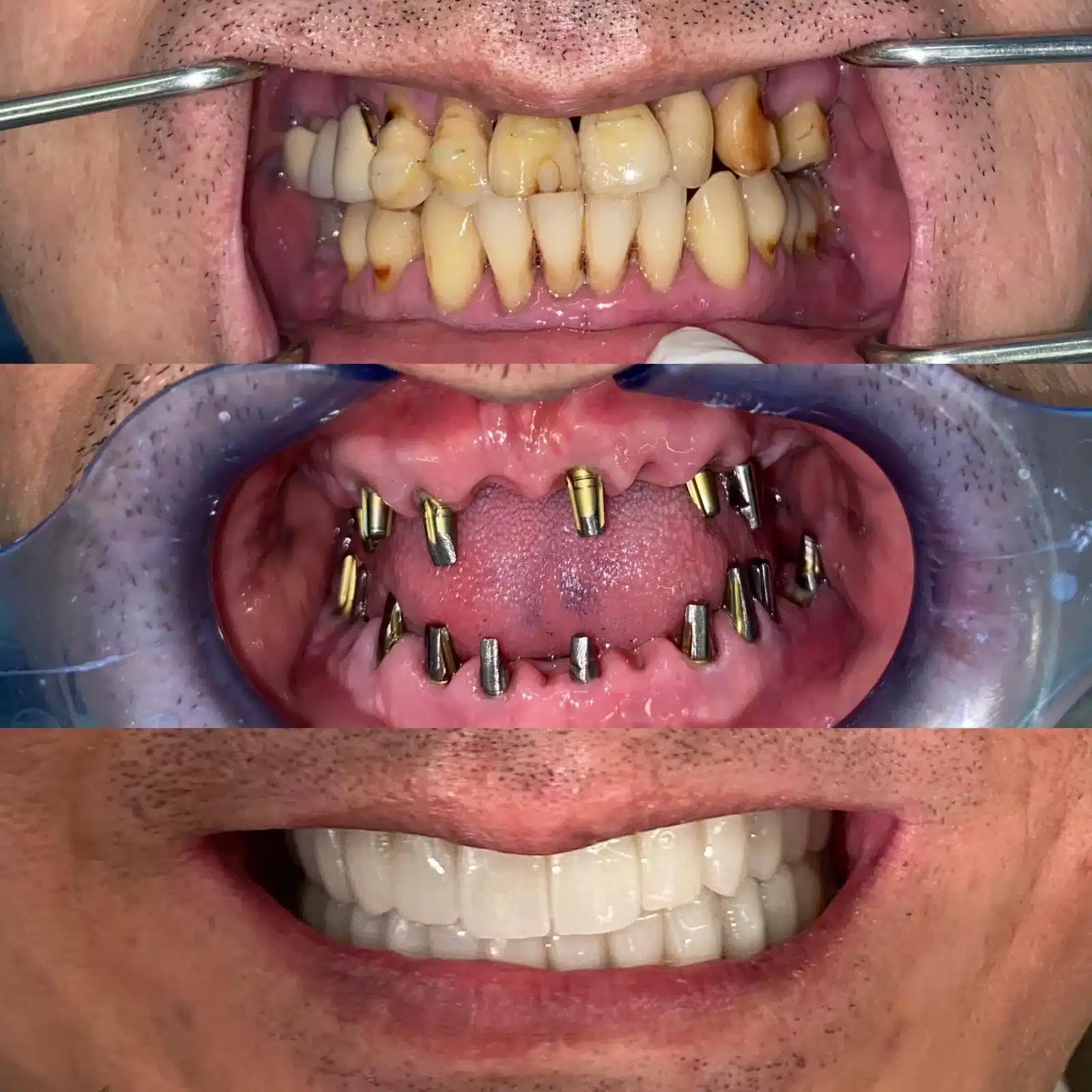
Dental Implants in Turkey
Replace a single tooth or your entire smile with premium dental implants in Istanbul. Same brands as London specialists, a fraction of the cost. 5-day treatment packages. TEMOS-accredited dental clinics.
Plan the next step clearly
Use this page as a decision-support guide, then move into quote review, treatment comparison, and travel planning with coordinator support.
Decision Context
Patients compare this treatment inside the trip around it
Treatment pages perform better when they acknowledge arrival flow, destination trust, and the recovery rhythm patients are trying to visualise before booking.

The provider decision starts with arrival confidence
Patients compare treatment pages while also asking how first-day logistics, transfers, and scheduling will actually work.

The destination still influences medical trust
A treatment page is stronger when it recognises that the city itself remains part of the decision frame for international patients.

Recovery pacing changes how people evaluate options
Different procedures feel more or less realistic depending on how patients picture the slower hours between appointments.
References
- American Academy of Periodontology: Periodontal (Gum) Surgical Procedures (perio.org)
- Kassab MM, Cohen RE: The etiology and prevalence of gingival recession (PubMed)
- Chambrone L et al.: Root coverage procedures for treating localised and multiple recession-type defects (Cochrane Systematic Review, PMC)
- Etiology and occurrence of gingival recession: an epidemiological study (PMC, NIH)