Porcelain vs Zirconia Crowns
When it comes to dental restorations, particularly for smile design and functional rehabilitation, two materials dominate the discussion: porcelain and zirconia.
 JCI-accredited hospitals
 TEMOS-accredited clinics
- Board-certified surgeons and a licensed clinical team
- 3,000+ international patients treated
- 5-star chain hotel accommodation
- VIP airport transfers
Quick answer
When it comes to dental restorations, particularly for smile design and functional rehabilitation, two materials dominate the discussion: porcelain and zirconia.
Understanding the Two Most Popular Crown Materials
When it comes to dental restorations, particularly for smile design and functional rehabilitation, two materials dominate the discussion: porcelain and zirconia . Both have distinct advantages and limitations, and the choice between them depends on a patient’s clinical condition, aesthetic goals, and budget.
This guide provides a comprehensive comparison to help international patients—especially those traveling to Turkey—make informed decisions.
What Are Porcelain Crowns?
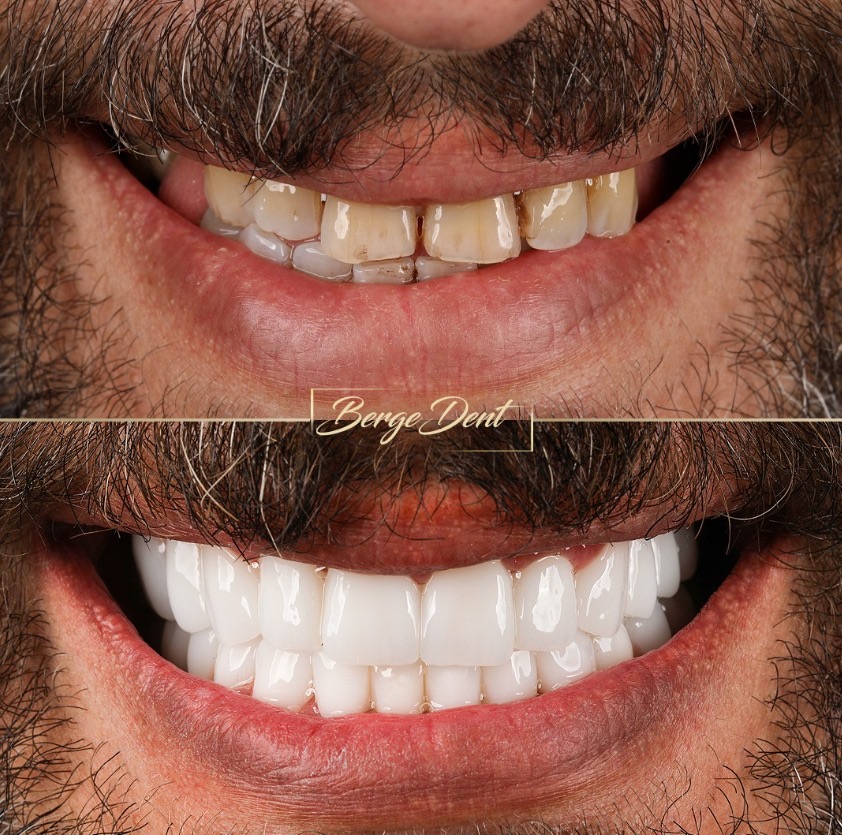
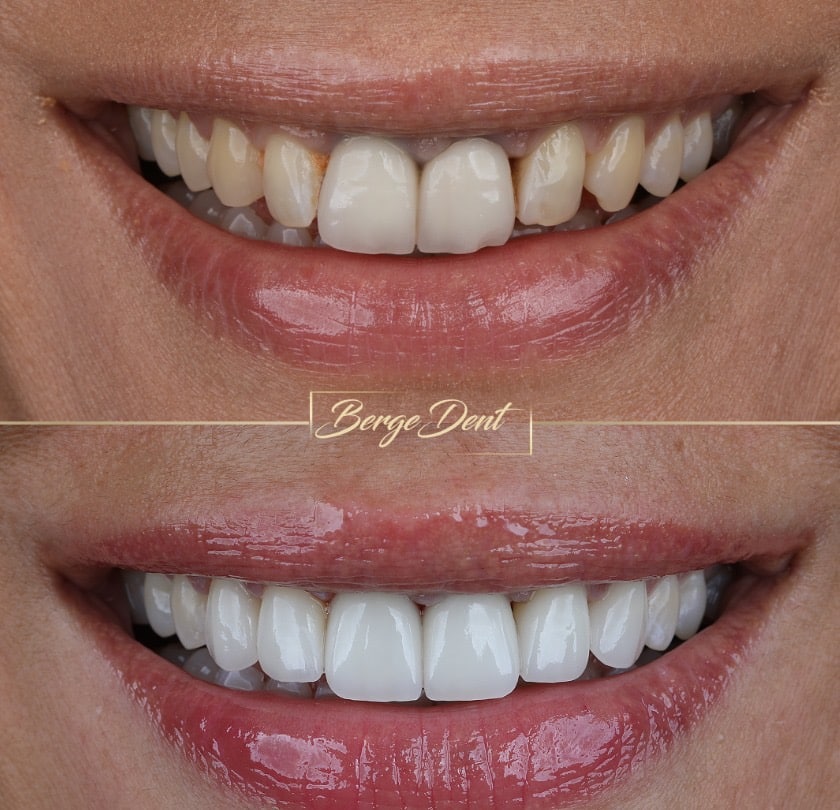
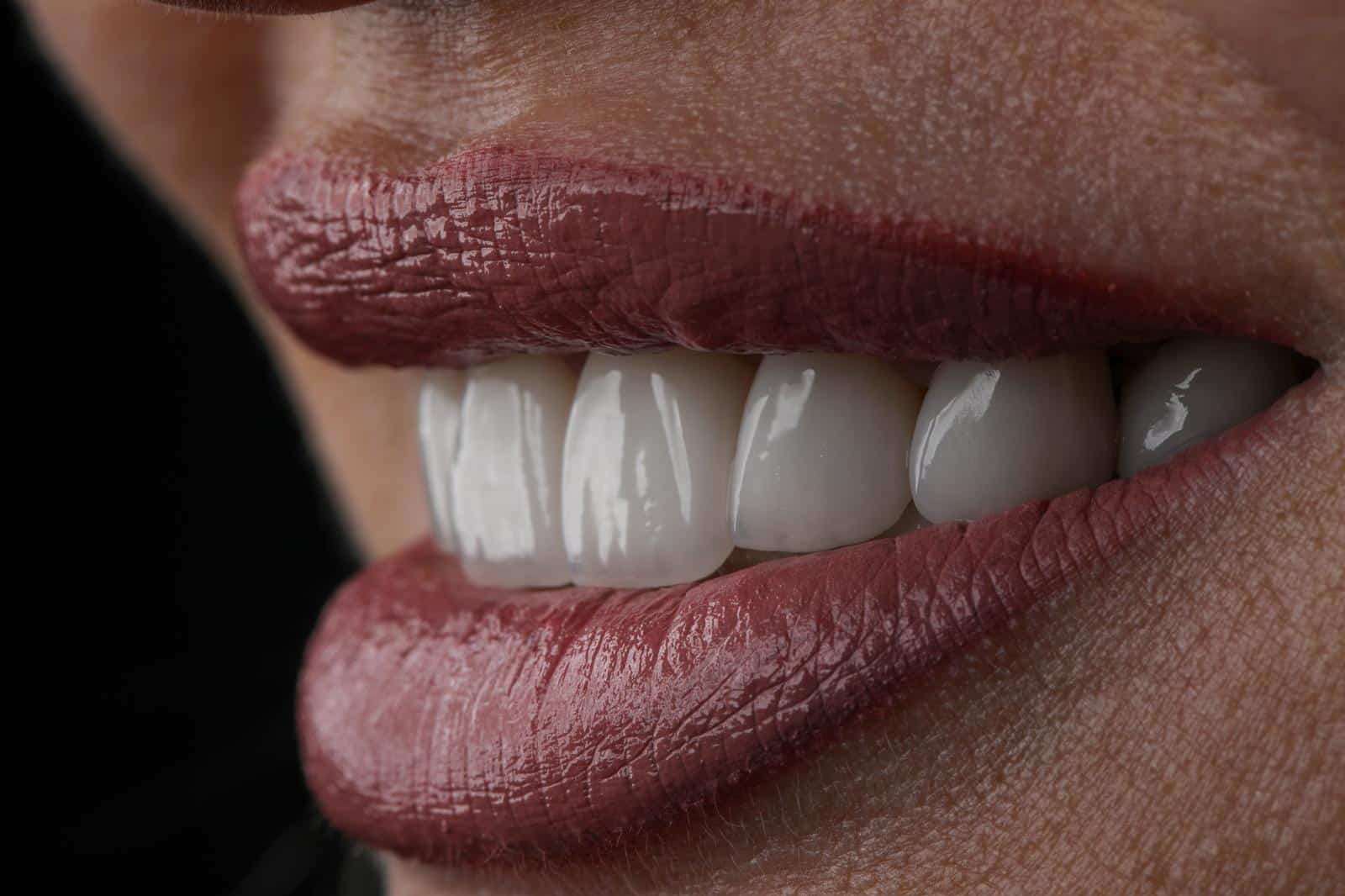
Porcelain crowns are crafted entirely from ceramic materials that closely mimic the translucency and brightness of natural teeth. They are often layered to create a lifelike appearance and are typically used in the front of the mouth where aesthetics matter most.
- Superior Aesthetics : Porcelain can replicate the unique optical properties of enamel.
- Metal-Free : No risk of grey lines at the gum margin.
- Ideal for : Incisors, canines, and cosmetic-focused restorations.
However, porcelain is more brittle than zirconia and may not be suitable for patients with bruxism or those needing back-tooth restorations.
What Are Zirconia Crowns?
Zirconia crowns are made from zirconium dioxide—a crystalline oxide of zirconium. The material is exceptionally strong and has become the go-to option for both front and back teeth. Modern translucent zirconia formulations have improved their visual appeal.
- High Strength : Withstands significant bite force.
- Biocompatible : Excellent tissue response and minimal allergic reactions.
- Ideal for : Molars, bridges, and full-mouth restorations.
- CAD/CAM Compatibility : Easily milled for precision and speed.
Clinical Indications for Each Material
Choose Porcelain if:
- You need a highly aesthetic result on front teeth
- You do not suffer from bruxism or bite misalignment
- You are replacing an older porcelain crown and want consistency
Choose Zirconia if:
- You need restorations on molars or load-bearing teeth
- You grind your teeth or have high occlusal forces
- You are undergoing a full-mouth rehabilitation
Material Innovation: Layered Zirconia vs Monolithic Zirconia
Modern zirconia crowns may be monolithic (solid block) or layered with porcelain on the outside for improved aesthetics. Turkish clinics often allow patients to choose based on their smile expectations:
- Monolithic Zirconia : Best for durability and back teeth
- Layered Zirconia : Better aesthetics for front teeth, though slightly less strong
Patient Experience in Turkey
International patients often consult with a prosthodontist and undergo digital smile analysis before selecting a crown type. Clinics in Turkey typically use CAD/CAM technology and offer temporary crowns during the design and milling period.
Most treatments are completed within 5–7 days , making Turkey an efficient destination for time-conscious dental tourists.
Which Should You Choose?
There is no universal answer. Porcelain crowns remain a favorite for purely cosmetic cases, while zirconia crowns offer a longer-lasting, more versatile option for patients needing durability and full-arch restorations.
Ultimately, the best results come from a combination of accurate diagnostics, personalized smile planning, and collaboration with a skilled cosmetic dentist. Turkish dental clinics offer a wide range of both materials, ensuring every patient finds a solution that fits their smile and lifestyle.
Full Mouth Dental Implants in Turkey — From €8,600 Per Arch
All-on-4, All-on-6 and corticobasal implants for patients with bone loss. JCI clinics, specialist implantologists, 3-year implant guarantee. Save up to €20,000 vs UK.
No obligation
Get your treatment plan
Send your case and a coordinator returns a written plan and an indicative quote, usually within a day.
Related reading
Treatment Guide
Dental Treatment in Marmaris: A Patient's Planning Guide
Planning dental treatment in Marmaris, Turkey: what clinics offer, judging quality, Dalaman trip logistics, indicative costs and honest caveats.
Treatment Guide
Dental Treatment in Fethiye: A Patient's Planning Guide
Dental treatment in Fethiye, Turkey: why it attracts British patients, treatments, clinic quality, trip and recovery logistics, and indicative costs.
Treatment Guide
Dental Treatment Warranties & Guarantees Explained
How written dental warranties work abroad: implant lifetime, 5-year crown/veneer/bridge cover, what is included, and how cross-border claims are honoured.
Treatment Guide
Questions to Ask Before Choosing a Dental Clinic Abroad
A practical checklist: credentials, treatment plan, materials, written quote, warranty, logistics and the red flags to walk away from.
plastic-surgery
Rhinoplasty Turkey Cost 2026: Open, Closed & Revision Prices
A buyer-focused cost guide for rhinoplasty in Turkey, covering open, closed and revision pricing with package evaluation criteria.
medical-tourism
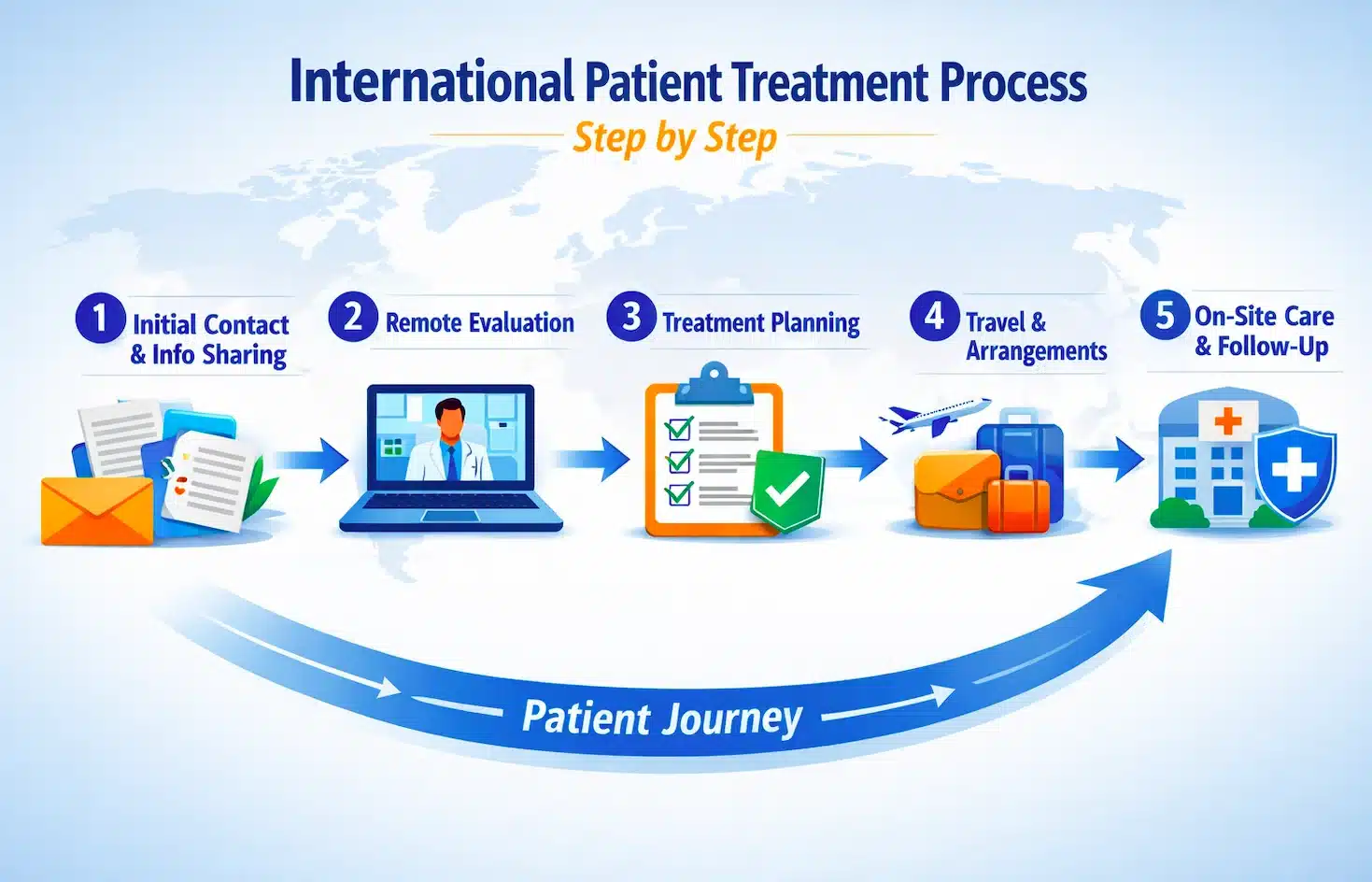
International Patient Treatment Process: From Inquiry to Follow-Up
A full-process guide showing how international treatment journeys should work from first inquiry to quote, travel, treatment, recovery, and aftercare.
Plan the next step clearly
Use this page as a decision-support guide, then move into quote review, treatment comparison, and travel planning with coordinator support.