Medically reviewed by Dt. Tunç Berge, MSc: Esthetic Dentistry & Implantology. Last reviewed June 2026
Dental Treatment in Marmaris: A Patient's Planning Guide
- TEMOS-accredited clinics
- JCI-accredited hospitals
- Board-certified surgeons and a licensed clinical team
- 3,000+ international patients treated
A NexWell planning guide to dental treatment in Marmaris, Turkey: what clinics offer, how to judge quality, trip logistics by the coast, indicative costs, and honest caveats.
Written quote from a NexWell coordinator, usually within 24 hours.
Quick answer
A NexWell planning guide to dental treatment in Marmaris, Turkey: what clinics offer, how to judge quality, trip logistics by the coast, indicative costs, and honest caveats.
Why patients choose Marmaris for dental treatment
Marmaris sits on the south-west coast of Turkey, in Muğla province, where the Aegean meets the Mediterranean. For most of its history it has been known to international visitors as a resort town: a sheltered bay, a long palm-lined promenade, a busy marina, and pine-covered hills running down to the water.
Over the past decade it has also become a place where people from the UK and Europe travel for dental work, drawn by the same combination that makes it a holiday favourite: easy access, a relaxed setting, and prices well below those at home.
The practical pull is the airport. Marmaris is served by Dalaman Airport, roughly 95 kilometres to the east, around a ninety-minute to two-hour transfer by road. Dalaman receives direct seasonal and year-round flights from many UK and European cities, which means a patient can often fly in, transfer to the coast, and be sitting in a clinic chair the next morning without changing planes.
That directness matters when you are travelling for a procedure rather than a beach break: fewer connections means less fatigue before treatment and a simpler journey home afterwards.
The second draw is the setting itself. Recovering from a procedure in a calm, warm environment is more pleasant than doing it in a city centre, and Marmaris is built for unhurried days: a walk along the seafront, a quiet harbour-side meal, a boat trip on a rest day.
Over the past decade it has also become a place where people from the UK and Europe travel for dental work, drawn by the same combination that makes it a holiday favourite: easy access, a relaxed setting, and prices well below those at home.
Many patients deliberately frame the trip as a holiday with treatment attached rather than the reverse, and the town supports that: hotels of every budget, English widely spoken in tourist areas, and short distances between accommodation, restaurants and clinics.
The third, and for many the decisive, factor is cost. Treatments such as dental implants, veneers and dental crowns are typically a fraction of UK or German prices, even once you add flights and a hotel.
We cover indicative figures further down, with the firm caveat that the only number you should rely on is a written itemised quote from the specific clinic, after they have seen your case.
It is worth being honest about what Marmaris is and is not. It is a tourism-led town rather than a major medical hub like Istanbul or Izmir, so the dental scene is smaller and more geared toward visitors. That can be a strength: clinics that work routinely with international patients tend to be set up for it, but it also means quality varies, and the burden of checking a clinic properly falls on you.
The rest of this guide is about doing exactly that.
What Marmaris clinics commonly offer
Dental clinics in Marmaris that cater to international visitors tend to focus on the treatments people travel for: a mix of restorative work and cosmetic dentistry, often combined into a single planned trip. Understanding what each involves helps you read a treatment plan critically rather than taking it on trust.
Dental implants are among the most common reasons people come. An implant is a titanium post placed into the jawbone to replace a missing tooth root, onto which a crown is later fitted. The biological process that makes this work is osseointegration, where bone grows into the surface of the implant to anchor it.
This takes time, typically several months, which has real consequences for how a Marmaris trip is structured, since the final restoration often cannot be placed on the same visit. Where many or all teeth are missing, clinics may discuss full mouth dental implants or an All-on-4 approach, which uses a smaller number of implants to support a full arch.
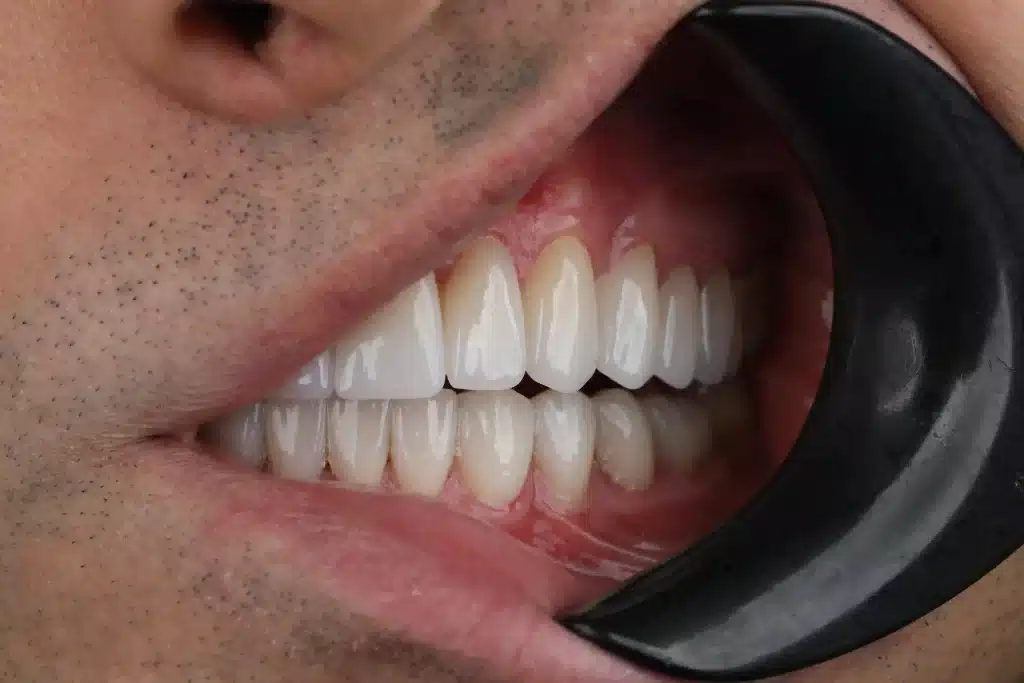
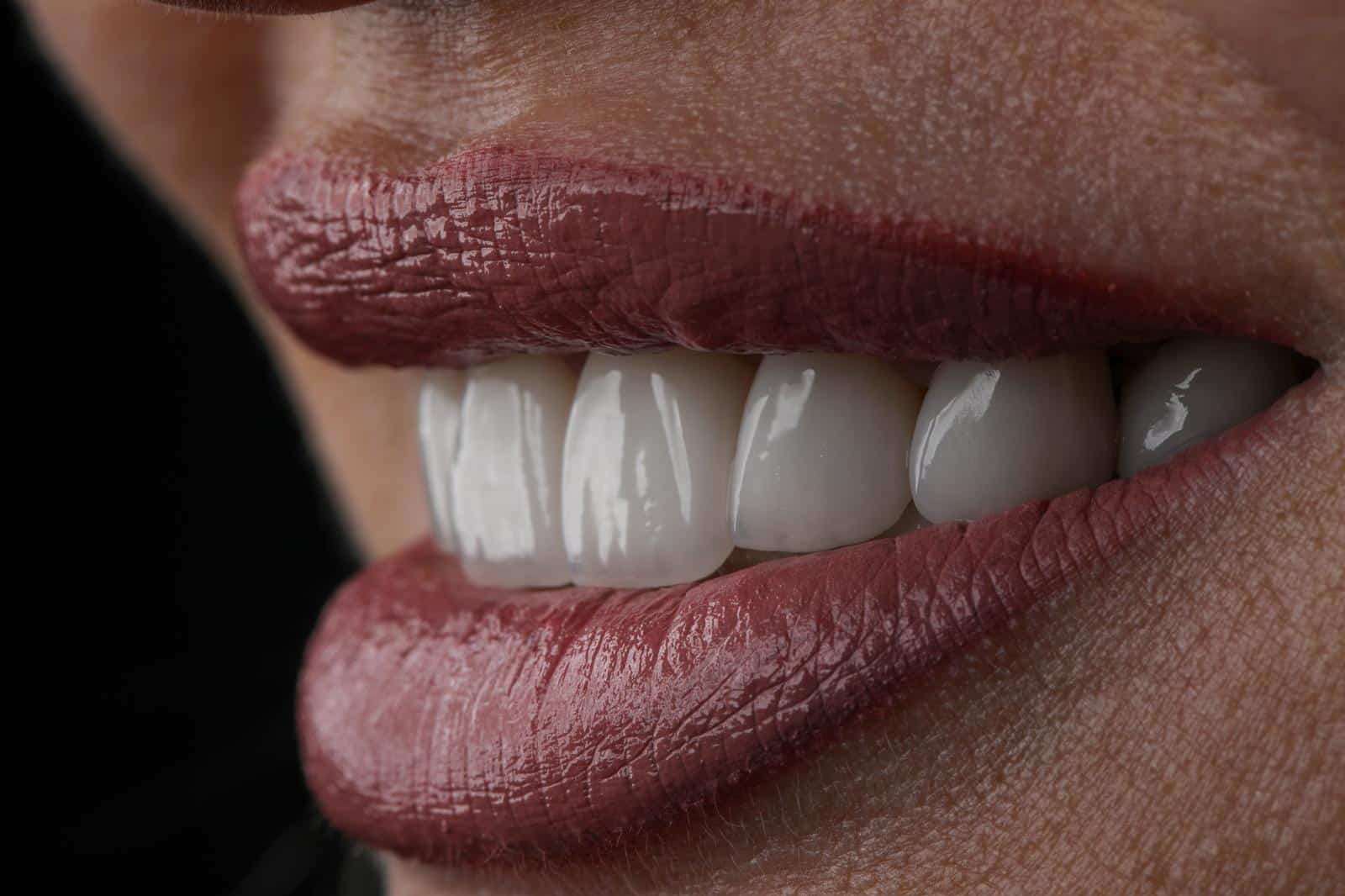
On the cosmetic side, veneers are thin shells bonded to the front of the teeth to change their shape, colour or alignment. Porcelain veneers are a durable variant, and clinics will often explain the trade-off between minimally invasive options and those that require more enamel to be removed.
The much-marketed Hollywood smile is not a single procedure but a cosmetic concept: usually a set of veneers or crowns across the smile line designed to look uniform and bright. It frequently overlaps with a broader smile makeover, where multiple treatments are sequenced to a planned end result.
Dental crowns, caps that cover a damaged or root-treated tooth, are offered both as standalone restorations and as the visible part of an implant.
Many clinics also provide routine care that supports the bigger work: tooth extraction where a tooth cannot be saved, and teeth whitening for patients who want a brighter shade without altering tooth structure.
A point worth raising early: be cautious if a plan leans heavily toward extracting healthy or restorable teeth to fit veneers or crowns. Reputable dentists favour the least invasive option that achieves a sound result, and any sound plan should explain why a particular tooth needs the treatment proposed.
If a Marmaris clinic recommends extensive work, ask what the conservative alternative would be and why it was ruled out: a question a confident, ethical clinician will welcome rather than deflect.
Treatment Plan
Ready for a written Dental Treatment in Marmaris: A Patient's Planning Guide quote?
A NexWell coordinator reviews your case and replies with a personalised treatment plan and indicative pricing — usually within 24 hours.
How to judge clinic quality in Marmaris
Because Marmaris is a resort town with a tourism-driven dental market, quality genuinely varies, and the responsibility for vetting a clinic sits with you. The good news is that the checks are not complicated: they are mostly about asking for evidence and reading the answers carefully.
Our broader guide on how to choose the best dental clinic covers this in depth; here is what matters most for a coastal town like this one.
Start with the dentist, not the clinic's marketing. You want to know who will actually perform your treatment, their qualifications, and how long they have practised in the relevant area: implant surgery and full-mouth cosmetic work are not interchangeable skills.
In Turkey, dentists are registered, and clinics treating international patients are expected to hold a Health Tourism Authorization Certificate issued by the Turkish Ministry of Health. A clinic that cannot or will not show you the named clinician's credentials and its authorisation is one to walk away from.
The General Dental Council notes that regulatory systems differ between countries, so verifying credentials independently is squarely your job, not a formality.
Next, look at diagnostics. Implant planning in particular should be based on proper imaging: a CBCT (cone-beam CT) scan shows the bone in three dimensions and is the standard for assessing whether and where implants can be placed safely. A clinic that proposes implants from a flat photograph or a quick glance, without 3D imaging, is cutting a corner that affects your safety.
Transparency about the whole pathway is the next signal. A serious clinic gives you a written treatment plan, a written itemised quote, and clear information on materials, for implants, the actual implant brand and the crown material; for veneers, the type and brand.
It should also be upfront about implant aftercare, follow-up, and what happens if something goes wrong after you fly home. Vague reassurance is not the same as a documented plan.
Finally, weigh reviews sensibly. Look beyond the clinic's own website to independent sources, read the critical reviews as carefully as the glowing ones, and treat before-and-after galleries as illustrative rather than promises.
Our guide on whether dental treatment in Turkey is safe sets the wider context: the country has excellent clinics and weaker ones, and outcomes depend far more on the specific clinic and clinician you choose than on the country or the town.
Trip logistics: timing, travel and recovery by the coast
Planning the trip itself is where Marmaris's resort character becomes an advantage, provided you build the schedule around the dentistry rather than the beach. The single most important variable is the type of treatment, because it dictates how many days you need and whether one visit will be enough.
For cosmetic work such as veneers or crowns, a common pattern is a single trip of roughly five to seven days: preparation and digital design early on, then a wait while the restorations are made, then fitting toward the end.
For dental implants, the biology of osseointegration usually means the work cannot be completed in one visit. Many implant journeys are split into two trips: surgery on the first, and the final crowns several months later once the bone has integrated: with a temporary solution in between.
Some clinics offer protocols that shorten this, but you should be wary of any promise to deliver permanent implants and final crowns within a few days as a routine matter; ask what the timeline is for your specific case and why.
Allow buffer days. A spare day after fitting lets the clinic review the result and make adjustments before you fly, and it protects you if an appointment slips. Booking your return flight tight against the last appointment is a common and avoidable mistake.
Recovery by the coast is one of the genuine comforts of Marmaris. After implant surgery or extractions you should expect some swelling and discomfort, and the first day or two are best spent resting rather than on excursions or in the sea. Our guide to on-site recovery for international patients explains how to plan these quieter days.
Sun, alcohol, swimming and strenuous activity are usually best avoided immediately after surgery, exactly the things a resort tempts you toward, so pace the holiday element to come after the clinical part, not during it.
Practical details round out the plan. Confirm airport transfers from Dalaman in advance, since it is a real journey rather than a short hop. Choose a hotel close to the clinic to keep daily trips short while you are recovering. Keep all paperwork, the treatment plan, the itemised quote, x-rays and any warranty documents, together and bring copies home, as your dentist in the UK or EU may need them for follow-up.
Our wider planning your dental trip checklist and the list of questions to ask before choosing a clinic are worth working through before you book.
Cost context: Marmaris versus the UK and EU
Cost is the reason most people start looking at Marmaris, and it is a legitimate one, but it has to be handled carefully, because price is also where the biggest mistakes are made. The honest framing is this: treatment in Marmaris is typically much cheaper than in the UK, Germany or Ireland, often by a wide margin even after flights and a hotel, but the figures you see advertised are indicative ranges only.
The only number you should plan around is a written itemised quote produced for your specific mouth, after the clinic has reviewed your case and imaging.
The reason the gap exists is structural rather than a matter of inferior care: lower labour, property and lab costs, a favourable exchange rate, and high patient volumes that let clinics operate efficiently. Our explainer on why treatment is cheaper in Turkey sets this out, and it is the same dynamic across Turkish destinations rather than anything specific to Marmaris.
As broad orientation, single dental implants in Turkey commonly cost a fraction of UK private prices, and cosmetic work shows a similar pattern: the cost of veneers, the Hollywood smile cost and overall dental implant cost all sit well below European equivalents.
If you want a like-for-like comparison against a high-cost market, our Turkey vs Germany breakdown is a useful reference point. Treat all of these as ranges to inform your expectations, not quotes.
The critical caveat is that the headline price is not the whole price, and choosing on price alone is the classic dental-tourism error. A quote that looks dramatically cheaper than its neighbours may exclude things that matter: the abutment, the final crown, imaging, the temporary restoration, follow-up visits, or revision work.
Our guide to the hidden costs of dental treatment abroad walks through what to look for, and the rule of thumb is simple: compare written itemised quotes line by line, not headline figures.
Finally, set the cost against value rather than price. The relevant questions are whether the clinic is properly credentialled, whether the materials and brands are named, and what happens if you need correction later. Our discussion of whether dental treatment abroad is worth it frames this well: a cheap result that fails and needs redoing at home is not a saving.
Spending a little more on a clinic you have properly vetted is almost always the better economics.
Honest caveats and protecting yourself
A guide that only sells you Marmaris would not be doing its job. Travelling abroad for dental work can deliver excellent results at a real saving, but it carries genuine risks that you reduce, never eliminate, by planning well. No clinic, in Marmaris or anywhere else, can guarantee an outcome, and you should be sceptical of any that promises perfection, a risk-free procedure or a fixed lifetime result.
Dentistry deals with living tissue and individual healing, and good clinicians talk in terms of likelihoods and aftercare, not certainties.
The first protection is verifying the dentist's credentials independently rather than relying on the clinic's marketing. The UK's General Dental Council advises patients going abroad to check qualifications and regulatory standards before committing, because protections and complaint routes differ from country to country.
In Turkey, confirm the clinic holds a Health Tourism Authorization Certificate from the Ministry of Health and that the named clinician, the person who will actually treat you, is qualified for the specific procedure.
The second is to resist choosing on price alone. The cheapest quote in town is not a prize if it comes from an unvetted clinic or excludes essential elements. Compare written itemised quotes, not headlines, and weigh credentials, materials and follow-up alongside the figure.
The NHS Business Services Authority and UK dental bodies have noted that patients who develop complications after treatment abroad often face limited and costly follow-up at home, which is precisely why front-loading your due diligence pays off.
The third is to plan for follow-up and aftercare from the start. Ask, in writing, what the clinic provides if something goes wrong after you fly home, how revisions are handled, and what the warranties and guarantees actually cover: these vary widely and the wording matters.
Speak to your own dentist before you travel; they know your history and can flag anything that makes treatment abroad less suitable, and they are the ones who will likely manage your routine care afterwards. Keep every document, treatment plan, itemised quote, imaging and warranty terms, and bring copies home.
Finally, see Marmaris in context. It is one of several Turkish options; nearby Fethiye shares the same Dalaman access, while Antalya, Izmir and Istanbul offer larger clinic markets.
Choose the destination, and far more importantly the specific clinic and clinician, that best fits your case, not the brightest brochure.
Vetted partner network
NexWell coordinates with TEMOS-accredited clinics or Ministry of Health–licensed facilities in Turkey.
Board-certified review
Content reviewed by Dt. Tunç Berge — Turkish Dental Association (TDB).
No obligation
Get your Dental Treatment in Marmaris: A Patient's Planning Guide plan
Send your case and a coordinator returns a written plan and an indicative quote — usually within a day.
Questions Patients Ask Before They Commit
Related reading
Treatment Guide
Dental Treatment in Fethiye: A Patient's Planning Guide
Dental treatment in Fethiye, Turkey: why it attracts British patients, treatments, clinic quality, trip and recovery logistics, and indicative costs.
Treatment Guide
Dental Treatment in Antalya: A Patient's Guide
Why Antalya is a dental-tourism hub, available treatments, travel and stay, choosing an accredited clinic and indicative costs.
Treatment Guide
Is Dental Treatment in Turkey Safe? An Honest Look
What accreditation and ISO/CE standards mean, the real risks (over-treatment, aftercare, cheap packages) and how to reduce them.
Treatment Guide
Planning Your Dental Trip to Turkey: A Practical Logistics Guide
Organising dental treatment in Turkey: choosing a city, single vs two trips, days to budget, flights, documents, flying after surgery and a checklist.
Plan the next step clearly
Use this page as a decision-support guide, then move into quote review, treatment comparison, and travel planning with coordinator support.
Decision Context
Patients compare this treatment inside the trip around it
Treatment pages perform better when they acknowledge arrival flow, destination trust, and the recovery rhythm patients are trying to visualise before booking.

The provider decision starts with arrival confidence
Patients compare treatment pages while also asking how first-day logistics, transfers, and scheduling will actually work.

The destination still influences medical trust
A treatment page is stronger when it recognises that the city itself remains part of the decision frame for international patients.
Recovery pacing changes how people evaluate options
Different procedures feel more or less realistic depending on how patients picture the slower hours between appointments.