Medically reviewed by Dt. Tunç Berge, MSc: Esthetic Dentistry & Implantology. Last reviewed June 2026
Dental Treatment in Fethiye: A Patient's Planning Guide
- TEMOS-accredited clinics
- JCI-accredited hospitals
- Board-certified surgeons and a licensed clinical team
- 3,000+ international patients treated
A NexWell planning guide to dental treatment in Fethiye, Turkey: why the coastal resort attracts British dental patients, common procedures, how to judge clinic quality, trip and recovery logistics, indicative cost context versus the UK, and the honest caveats you should weigh before you travel.
Written quote from a NexWell coordinator, usually within 24 hours.
Quick answer
A NexWell planning guide to dental treatment in Fethiye, Turkey: why the coastal resort attracts British dental patients, common procedures, how to judge clinic quality, trip and recovery logistics, indicative cost context versus the UK, and the honest caveats you should weigh before you travel.
Why Fethiye Attracts Dental Patients
Fethiye sits on Turkey's southwestern Turquoise Coast, in Muğla province, and over the past two decades it has become one of the most familiar overseas towns for British visitors. That familiarity is the single biggest reason the town now appears on so many dental tourism shortlists.
There is a large, well-established British expat community here, a network of English-language services, and a steady summer flow of UK holidaymakers, which means many of the people choosing a Fethiye clinic are not arriving cold. They are following a neighbour's recommendation, returning to a town they already know, or combining a check-up with a property visit.
The second driver is access. Fethiye is served by Dalaman airport, roughly 50 kilometres to the east (about a 45–60 minute transfer depending on traffic and your exact accommodation). Dalaman receives seasonal direct flights from several UK airports, which removes the connection-and-layover friction that puts some patients off.
A direct flight to a familiar resort lowers the perceived effort of travelling for care, though it is worth noting that direct routes are heavily seasonal, with far thinner schedules outside the spring-to-autumn window.
The third factor is the recovery setting itself. Fethiye is a relaxed coastal town rather than a dense city, with the marina, the old town, and quiet bays such as Ölüdeniz within easy reach. For procedures that involve a healing gap, say, an extraction now and a restoration later, a calm, warm environment can make the wait between appointments more comfortable.
There is a large, well-established British expat community here, a network of English-language services, and a steady summer flow of UK holidaymakers, which means many of the people choosing a Fethiye clinic are not arriving cold.
That is a genuine convenience, but it should never be the deciding factor: you are choosing a clinician and a treatment plan first, and a holiday backdrop a distant second.
It is also fair to be clear-eyed about what Fethiye is and is not. It is a resort town, not a major medical hub like Istanbul or Antalya, so the sheer density of specialist clinics is lower and seasonal demand can affect availability.
Many patients still travel to Fethiye specifically because they want a smaller, more personal setting, and reputable clinics absolutely operate here. The right way to read Fethiye's popularity is as a reflection of comfort and access, not as evidence of clinical superiority: those things have to be assessed clinic by clinic, which the rest of this guide will help you do.
Common Treatments Patients Travel For
The procedures patients seek in Fethiye mirror the wider Turkish dental tourism market, weighted heavily toward restorative and cosmetic work where the cost gap with the UK is largest. The most common category is dental implants, used to replace one or several missing teeth.
An implant is a titanium post placed in the jawbone that, over a healing period, fuses with the bone through a biological process called osseointegration; a crown or bridge is then fitted on top.
Single implants, multiple implants, and full-arch solutions such as All-on-4 or broader full mouth dental implants are all routinely offered.
Cosmetic dentistry is the other major draw. Patients ask about veneers, thin shells bonded to the front of teeth, and the increasingly marketed Hollywood smile, which is a full cosmetic transformation rather than a single procedure.
It is important to understand what is actually being proposed: many advertised "smile" packages rely on dental crowns, which require more substantial reshaping of the natural tooth than minimal-prep porcelain veneers do. The distinction matters because it is largely irreversible, so you should ask exactly which approach a clinic intends and why.
More conservative treatments are common too. Teeth whitening is frequently bundled into a trip because it is quick and non-invasive.
Where a tooth is missing, a clinic may discuss a dental bridge as an alternative to an implant, and a coordinated cosmetic plan is sometimes presented as a smile makeover combining several of these elements.
If a tooth cannot be saved, the sequencing of a tooth extraction relative to implant placement becomes an important clinical decision that affects how many trips you may need.
A practical word on planning: implant-based treatment is rarely a single-visit affair. The healing time required for osseointegration usually means either two trips spaced months apart, or a longer single stay. Cosmetic veneer and crown work can sometimes be completed in one stay of one to two weeks, but only if the case is straightforward.
Be wary of any plan that compresses complex, multi-stage treatment into an implausibly short window: a responsible clinic will pace the work around your biology, not your flight dates, and will set realistic expectations rather than promises about outcomes.
Treatment Plan
Ready for a written Dental Treatment in Fethiye: A Patient's Planning Guide quote?
A NexWell coordinator reviews your case and replies with a personalised treatment plan and indicative pricing — usually within 24 hours.
How to Judge Clinic Quality in Fethiye
Because Fethiye is a smaller town with seasonal demand, the variation between clinics can be significant, so doing your own due diligence matters more than relying on a town's reputation. Start with the clinician, not the clinic's marketing.
In Turkey, dentists are registered with the Turkish Dental Association and provincial chambers; ask for the treating dentist's name and credentials, and confirm that the person who will actually perform your treatment is the person you have been corresponding with.
For any guidance on the broader principles of vetting a provider, our detailed walkthrough on how to choose the best dental clinic and our list of questions to ask before choosing a clinic are good companions to this section.
Insist on a proper diagnostic process. A trustworthy clinic will not commit to a definitive treatment plan from a few smartphone photos. They should request recent dental images or arrange their own radiographs, take a full medical history, and explain the reasoning behind their recommendation, including alternatives and trade-offs.
If you are quoted a fixed treatment plan before any imaging, treat that as a warning sign. The General Dental Council's guidance for UK patients going abroad stresses exactly this point: understand the assessment, the qualifications involved, and what happens if something goes wrong.
Get everything in writing. The single most reliable document you can ask for is a written itemised quote that lists each procedure, the materials and brands used (for example, the specific implant system), the number of units, the timeline, and what is and is not included. Vague all-in package prices are harder to compare and easier to dispute later.
Materials matter: implant brands and ceramic types vary widely in track record and cost, and a clinic confident in its choices will name them.
Finally, scrutinise aftercare and accountability. Ask how the clinic handles complications, what its written warranty actually covers, and how you would be supported once you are back in the UK: our explainer on warranties & guarantees unpacks what these documents really mean.
Read independent reviews critically, looking for detail and consistency rather than volume, and be cautious of clinics whose entire reputation rests on social media. None of this can promise a perfect outcome, but a clinic that is transparent about its clinicians, its diagnostics, its materials, and its aftercare is demonstrating the behaviours associated with safer, more predictable care.
Trip Logistics and Recovery
Practical logistics in Fethiye revolve around Dalaman airport. Most clinics arrange airport transfers, and the 50-kilometre journey takes roughly 45 to 60 minutes. Because direct UK flights to Dalaman are concentrated in the warmer months, check the actual flight schedule for your treatment dates before committing: an off-season trip may require a connection through Istanbul or Izmir, adding time and cost.
Build a buffer day at each end so that a delayed flight never forces you to rush a procedure or miss a follow-up. Our broader checklist on planning your dental trip covers visas, timing, and documentation in more depth.
Accommodation is rarely a problem in a resort town, but think about its suitability for recovery rather than just price. After surgical work such as implants or multiple extractions, you will want somewhere quiet, close to the clinic, with easy access to soft food and pharmacies.
Our guidance on on-site recovery for international patients explains why proximity and rest matter, and how to structure the days between appointments. Fethiye's relaxed pace is genuinely helpful here, but resist the temptation to treat a surgical recovery period as a full holiday.
Aftercare is the part patients most often underestimate. Healing does not stop when you fly home, and good implant aftercare continues for weeks and sometimes months.
Before you leave Fethiye, make sure you have written post-operative instructions, any prescribed medication, the clinic's direct contact details, and a clear plan for what to do if a problem arises once you are back in the UK.
It is sensible, as the GDC advises, to tell your own dentist about your treatment so they are aware in case of later complications, even though some UK dentists are reluctant to take on the follow-up of work done abroad.
A few sun-and-sea cautions specific to a coastal resort: after extractions or surgery, swimming in the sea or a pool, prolonged sun exposure, and alcohol can all interfere with healing, and your clinic should tell you how long to wait. Strenuous activity and diving are generally off the table in the early recovery window.
Plan your itinerary so that the genuinely relaxing parts of the trip come after the active healing phase, not during it. Treating recovery seriously is not pessimism: it is how you give a good clinical result the best chance to hold.
Indicative Cost Context vs the UK
Cost is the reason most British patients look abroad in the first place, and the gap is real, but it should be understood as an indicative range rather than a fixed price list.
Treatment costs in Fethiye are typically a fraction of equivalent UK private fees, driven by lower labour, property, and overhead costs rather than by lower standards in well-run clinics; our explainer on why treatment is cheaper in Turkey goes into the underlying economics.
For a sense of scale on specific procedures, see our indicative ranges for dental implant cost, cost of veneers, and Hollywood smile cost.
The honest caveat is that the headline treatment price is never the whole picture. You also need to budget for flights, accommodation, transfers, food, and potentially a second trip for staged work such as implants, and our guide to the hidden costs lists the line items that quietly inflate the real total.
When you add these in, a small treatment may save less than expected, while a large full-mouth case can still represent a substantial saving even after travel. The arithmetic depends heavily on the size of the case, so do it honestly for your own situation.
This is exactly why a written itemised quote is so valuable: it lets you compare a Fethiye clinic against a UK quote and against other Turkish clinics on a like-for-like basis, rather than comparing a vague package against a detailed estimate. Watch for what is excluded: consultations, imaging, temporary restorations, and follow-up visits are sometimes priced separately.
If you also want a sense of how Turkey compares with other popular destinations, our Turkey vs Germany comparison sets out the trade-offs.
Finally, weigh cost against value rather than price alone. The cheapest quote is not automatically the best decision once you factor in clinician experience, materials, aftercare, and the cost and difficulty of fixing problems later.
Our broader piece on whether dental treatment abroad is it worth it frames this honestly: for many patients the answer is yes, but it is a calculation, not a foregone conclusion. Treat any figure you see, including ours, as an indicative starting point for a conversation, then confirm the real number with a written, itemised quote from the specific clinic you are considering.
Fethiye vs Marmaris, and Honest Caveats
Patients shopping the Turquoise Coast often weigh Fethiye against nearby Marmaris, and the comparison is worth making properly because the two towns are genuinely different.
Both sit in Muğla province and both are popular with British holidaymakers, but they are served by different airports and sit at opposite ends of the province: Marmaris is closer to Dalaman from the west side and within reach of Bodrum, while Fethiye sits to the east of Dalaman near Ölüdeniz and the start of the Lycian coast.
Marmaris is a larger, busier resort with a more concentrated nightlife scene; Fethiye blends a working harbour town with surrounding bays and tends to feel calmer. Neither is clinically superior by default: the right choice depends on flight access from your home airport, the specific clinic and clinician you find, and the recovery atmosphere you prefer.
Our Marmaris guide covers that town in equivalent detail if you want to compare side by side.
Now the caveats, stated plainly. Travelling abroad for dental care carries real considerations that no marketing should gloss over. Continuity of care is the biggest: if a problem emerges weeks after you return home, you cannot simply walk back into the clinic, and some UK dentists are hesitant to manage complications from work they did not perform.
Staged treatments such as implants may require a return trip, which adds cost and time. And as the General Dental Council notes, dental regulation and the avenues for complaint differ from country to country, so the protections you take for granted in the UK may not map neatly onto treatment received in Fethiye.
There are also things this guide cannot do for you. It cannot tell you whether you are a suitable candidate for a given procedure: only a qualified clinician who has examined you and reviewed your imaging and medical history can do that. It cannot promise an outcome; dentistry involves biological variation, and no responsible source offers guarantees about how an individual will heal.
What it can do is help you ask better questions. Our overview of whether is dental treatment in Turkey safe addresses the risk picture honestly. Approached carefully: with proper diagnostics, a written itemised quote, a clear aftercare plan, and realistic expectations: dental treatment in Fethiye can be a sound choice for many patients.
Approached on price and convenience alone, it carries avoidable risks. The difference is almost entirely in the preparation.
Vetted partner network
NexWell coordinates with TEMOS-accredited clinics or Ministry of Health–licensed facilities in Turkey.
Board-certified review
Content reviewed by Dt. Tunç Berge — Turkish Dental Association (TDB).
No obligation
Get your Dental Treatment in Fethiye: A Patient's Planning Guide plan
Send your case and a coordinator returns a written plan and an indicative quote — usually within a day.
Questions Patients Ask Before They Commit
Related reading
Treatment Guide
Dental Treatment in Marmaris: A Patient's Planning Guide
Planning dental treatment in Marmaris, Turkey: what clinics offer, judging quality, Dalaman trip logistics, indicative costs and honest caveats.
Treatment Guide
Dental Treatment in Antalya: A Patient's Guide
Why Antalya is a dental-tourism hub, available treatments, travel and stay, choosing an accredited clinic and indicative costs.
Treatment Guide
Planning Your Dental Trip to Turkey: A Practical Logistics Guide
Organising dental treatment in Turkey: choosing a city, single vs two trips, days to budget, flights, documents, flying after surgery and a checklist.
Treatment Guide
Is Dental Treatment in Turkey Safe? An Honest Look
What accreditation and ISO/CE standards mean, the real risks (over-treatment, aftercare, cheap packages) and how to reduce them.
Plan the next step clearly
Use this page as a decision-support guide, then move into quote review, treatment comparison, and travel planning with coordinator support.
Decision Context
Patients compare this treatment inside the trip around it
Treatment pages perform better when they acknowledge arrival flow, destination trust, and the recovery rhythm patients are trying to visualise before booking.

The provider decision starts with arrival confidence
Patients compare treatment pages while also asking how first-day logistics, transfers, and scheduling will actually work.

The destination still influences medical trust
A treatment page is stronger when it recognises that the city itself remains part of the decision frame for international patients.
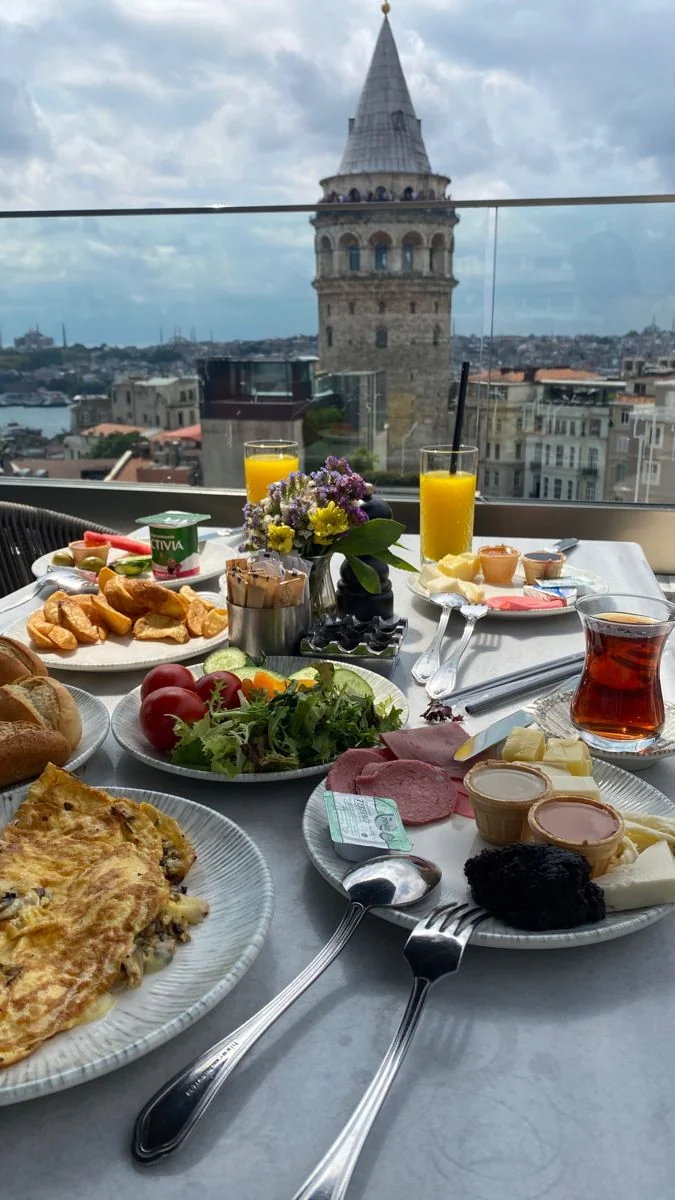
Recovery pacing changes how people evaluate options
Different procedures feel more or less realistic depending on how patients picture the slower hours between appointments.