ACL Reconstruction Surgery in Turkey: Graft Choice, Recovery and Planning
- TEMOS-accredited clinics
- JCI-accredited hospitals
- Board-certified surgeons and a licensed clinical team
- 3,000+ international patients treated
A NexWell guide for patients considering ACL reconstruction in Turkey, covering graft options, surgical approach, return to sport timeline, rehabilitation requirements and what to verify when choosing an orthopaedic surgeon.
Written quote from a NexWell coordinator, usually within 24 hours.
Quick answer
ACL reconstruction in Turkey costs $4,500–$7,000 all-inclusive of the arthroscopic procedure, graft harvest, anaesthesia and initial physiotherapy. The NHS reconstructs ACLs free of charge, so for UK patients the real trade-off is time: in England, Trauma & Orthopaedics patients with a decision to operate waited a median of 21.5 weeks, and 8% waited more than 48 weeks (NHS RTT, May 2026). Private UK surgery costs $11,344–$18,907, and most UK packages exclude physiotherapy. Adding meniscus repair in Turkey runs $5,500–$8,500. Graft choice (patellar tendon, hamstring or allograft) is what mainly changes the final quote.
When ACL Reconstruction Is Appropriate and Who It Suits
ACL reconstruction is typically recommended for patients with a confirmed complete ACL tear who experience functional instability during activities above daily living level, or who have a lifestyle or sporting expectation that makes conservative management with physiotherapy alone an insufficient response to the injury.
Patients who intend to return to sports involving pivoting, cutting and jumping movements, or those whose work requires similar functional demands, are generally considered strong surgical candidates. Younger patients in particular benefit from reconstruction over prolonged bracing and physiotherapy in terms of long-term joint stability and secondary meniscal protection.
Conservative management remains appropriate for older patients with lower activity expectations and for cases where functional demands do not involve the high-load lateral movements that place greatest stress on the ACL. The decision involves the individual's goals, imaging findings, any concurrent ligament or meniscal damage and the overall clinical picture.
Patients who intend to return to sports involving pivoting, cutting and jumping movements, or those whose work requires similar functional demands, are generally considered strong surgical candidates.
ACL Graft Options: Patellar Tendon, Hamstring and Allograft
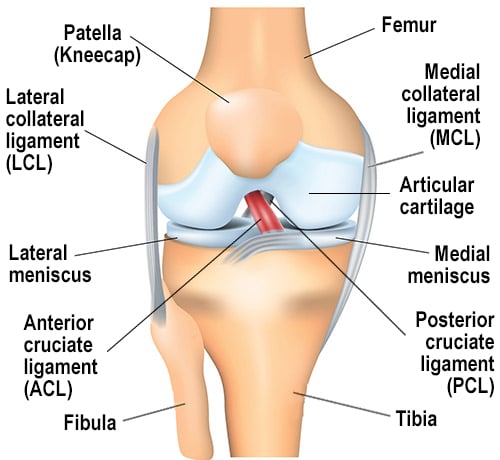
ACL reconstruction uses a tissue graft to replace the torn original ligament. Three main graft types are used in clinical practice: the bone-patellar-tendon-bone autograft, the hamstring tendon autograft and allograft tissue from a donor.
The bone-patellar-tendon-bone graft uses the central third of the patellar tendon with bone plugs at each end. It has historically been considered the gold standard for athletes due to its strong initial fixation and established long-term outcome data. The trade-off is a more demanding rehabilitation due to the donor site and a risk of anterior knee pain in some patients.
The hamstring autograft uses multiple strands of the semitendinosus and gracilis tendons. It carries less donor site morbidity, is technically versatile and has outcome data comparable to patellar tendon grafts in most patient groups. It is widely used in sports medicine centres globally and at leading Turkish orthopaedic facilities.
Allograft tissue avoids donor site morbidity entirely but has a higher re-tear rate in younger, high-demand patients and is generally not recommended as the primary choice for athletes or young active patients. Graft choice should be made in discussion with the surgeon based on the patient's age, activity level and any concurrent knee pathology.
Treatment Plan
Ready for a written ACL Reconstruction Surgery in Turkey: Graft Choice, Recovery and Planning quote?
A NexWell coordinator reviews your case and replies with a personalised treatment plan and indicative pricing — usually within 24 hours.
What ACL Reconstruction Surgery Involves in Practice
ACL reconstruction is performed arthroscopically under general anaesthesia and typically takes one to two hours. The torn ACL stump is identified and removed. Tunnels are drilled in the tibia and femur at anatomic ACL attachment points. The graft is passed through the tunnels and fixed with screws or buttons at both ends.
The procedure is day surgery in most cases. Patients are discharged with a hinged knee brace, crutches and detailed post-operative instructions the same day. For international patients in Turkey, the recommended minimum stay after surgery is five to seven days to cover the wound check appointment and early physiotherapy initiation before returning home.
Swelling and early range of motion work are addressed in the immediate post-operative days. Full weight-bearing typically progresses over two to four weeks depending on the protocol. Cryo-compression and elevation are important for managing swelling during the initial days.
ACL Rehabilitation: What is Required and How Long Return to Sport Takes
ACL reconstruction rehabilitation is one of the most demanding and time-intensive recovery processes in sports medicine. The biological process of graft ligamentisation, where the transplanted tissue remodels into a functional ligament, takes approximately nine to twelve months at a cellular level.
This biological timeline is the primary reason why premature return to sport significantly increases re-tear risk even when clinical function feels recovered.
The rehabilitation programme progresses through pain and swelling control, range of motion restoration, quadriceps and hamstring strength rebuilding, neuromuscular control training and finally sport-specific conditioning. Return to cutting, pivoting and contact sport is typically not cleared before nine months and is best guided by objective strength and functional testing rather than time alone.
Patients travelling to Turkey for ACL reconstruction must arrange a physiotherapy provider at home before travel who will continue the protocol from the day of return. A structured written rehabilitation protocol from the Turkish surgeon is essential for the home physiotherapist to work from effectively.
How NexWell Supports Patients Planning ACL Surgery in Turkey
NexWell helps patients planning ACL reconstruction in Turkey by reviewing the surgical team's sports medicine experience and case volume, confirming that graft choice discussions will be included in the consultation rather than defaulting to a clinic-standard approach, and ensuring that the rehabilitation infrastructure in Turkey covers the initial critical phase before return home.
We also help patients understand the logistics of managing anticoagulation for the flight home, organising appropriate knee bracing that can be continued domestically and establishing continuity with home-based physiotherapy from the post-operative day one.
ACL Surgery Turkey Cost - 2026
| Procedure | Turkey | UK | USA |
|---|---|---|---|
| ACL Reconstruction | $4,500–$7,000 | $10,150–$15,250 | $15,000–$25,000 |
| ACL Repair | $4,800–$7,500 | $10,800–$16,500 | $16,000–$26,000 |
| ACL + Meniscus Procedure | $5,500–$8,500 | $12,050–$18,400 | $18,000–$28,000 |
Indicative pricing for international private patients. Final cost changes with graft choice, associated meniscus work, and rehab support.
Vetted partner network
NexWell coordinates with TEMOS-accredited clinics or Ministry of Health–licensed facilities in Turkey.
No obligation
Get your ACL Reconstruction Surgery in Turkey: Graft Choice, Recovery and Planning plan
Send your case and a coordinator returns a written plan and an indicative quote — usually within a day.
Questions Patients Ask Before They Commit
Related reading
orthopaedics
Knee Replacement Surgery in Turkey
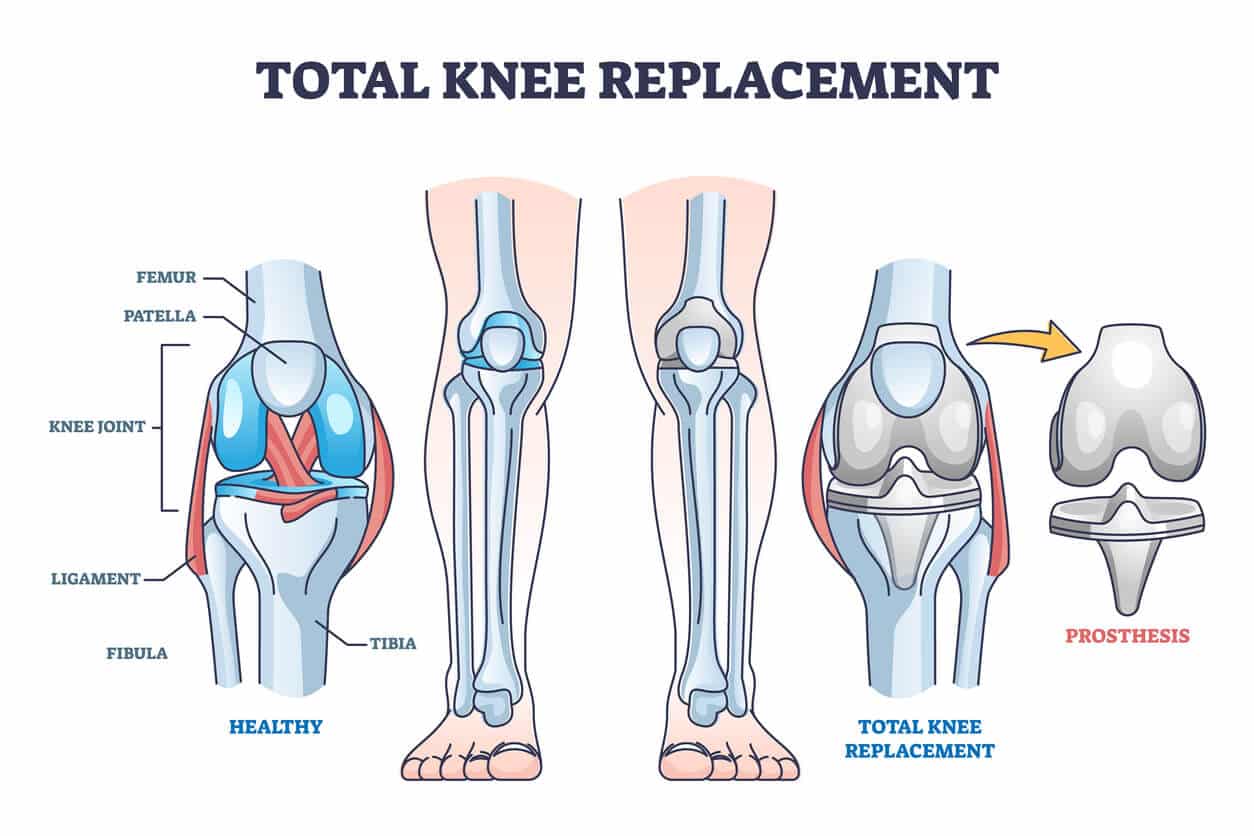
Total and partial knee replacement pathways in Turkey combine high-volume orthopaedic teams, modern implant planning, and lower total cost than most UK or US private routes. The real differentiator is how clearly mobility goals, implant choice, and rehabilitation are coordinated from day one.
orthopaedics
Hip Replacement Surgery in Turkey
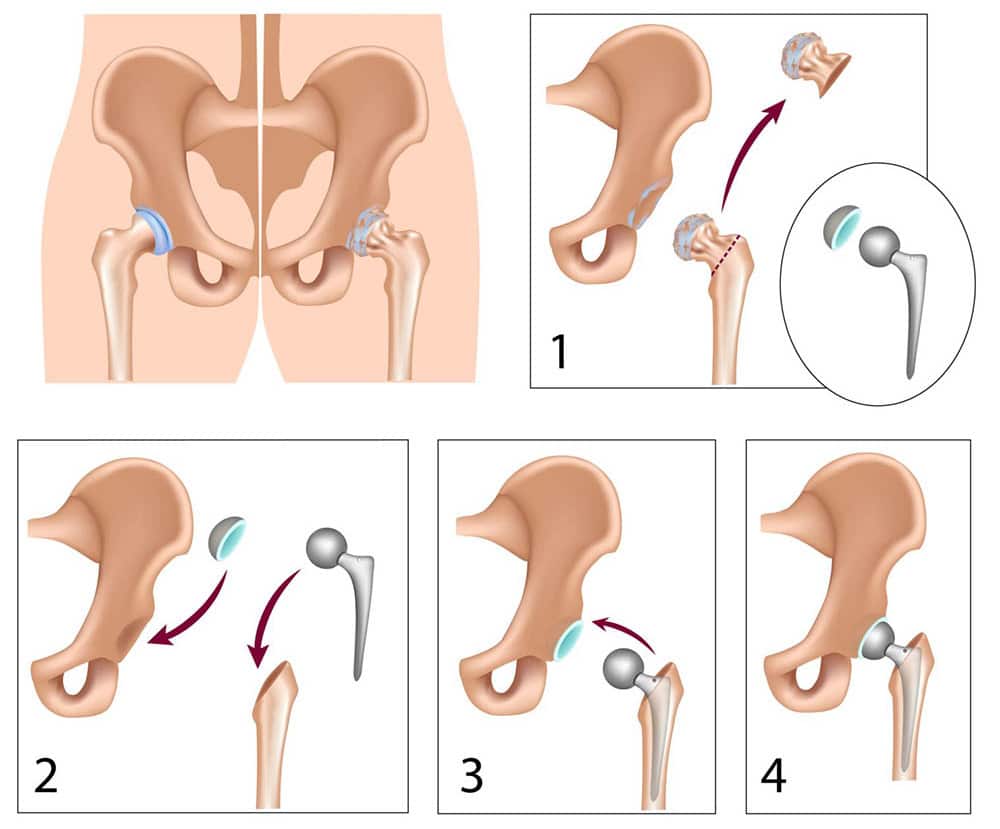
Turkey offers hip replacement pathways for international patients who need better mobility, lower pain, and a clearer rehabilitation plan than fragmented private options often provide. The strongest providers make implant choice, hospital recovery, and aftercare legible from the start.
Plan the next step clearly
Use this page as a decision-support guide, then move into quote review, treatment comparison, and travel planning with coordinator support.
Decision Context
Patients compare this treatment inside the trip around it
Treatment pages perform better when they acknowledge arrival flow, destination trust, and the recovery rhythm patients are trying to visualise before booking.

The provider decision starts with arrival confidence
Patients compare treatment pages while also asking how first-day logistics, transfers, and scheduling will actually work.

The destination still influences medical trust
A treatment page is stronger when it recognises that the city itself remains part of the decision frame for international patients.

Recovery pacing changes how people evaluate options
Different procedures feel more or less realistic depending on how patients picture the slower hours between appointments.