Hip Replacement Surgery in Turkey: Total Hip Replacement Planning Guide
- TEMOS-accredited clinics
- JCI-accredited hospitals
- Board-certified surgeons and a licensed clinical team
- 3,000+ international patients treated
A NexWell guide for patients considering hip replacement surgery in Turkey, covering total hip replacement approach, surgical technique, implant selection, rehabilitation obligations and how costs compare internationally.
Written quote from a NexWell coordinator, usually within 24 hours.
Quick answer
Total hip replacement in Turkey costs $8,000–$12,000 all-inclusive of surgery, implant, anaesthesia, hospital stay and initial physiotherapy. The NHS performs this operation free of charge, so for UK patients the real trade-off is time: in England, Trauma & Orthopaedics patients with a decision to operate waited a median of 21.5 weeks, and 8% waited more than 48 weeks (NHS RTT, May 2026). Going private in the UK costs $15,259–$24,856. Complex or revision hip surgery in Turkey runs $10,500–$16,000. Implant system and how much rehabilitation support is included are what mainly change the price.
When Hip Replacement Is Indicated and Who Is a Typical Candidate
Total hip replacement is most commonly indicated for advanced hip osteoarthritis causing persistent, function-limiting pain that no longer responds to conservative treatment. Conservative management typically includes physiotherapy, weight optimisation, anti-inflammatory medication and intra-articular corticosteroid injections.
When these measures fail to provide adequate symptom control, surgical review is appropriate.
Other conditions that may lead to hip replacement include avascular necrosis of the femoral head, inflammatory arthritis including rheumatoid arthritis, hip dysplasia causing early-onset arthritis and fracture in appropriate clinical contexts. The decision is based on both radiological evidence of joint damage and the degree of functional limitation the patient experiences in daily life.
Turkey has well-established orthopaedic hospitals performing high volumes of primary and revision hip replacement surgery. The combination of internationally trained surgeons, modern implant inventory and substantially lower costs makes Turkey an increasingly chosen destination for international patients facing long waiting times or prohibitive costs at home.
When these measures fail to provide adequate symptom control, surgical review is appropriate.
Surgical Approaches to Total Hip Replacement and What Differences Mean
Total hip replacement can be performed through several surgical approaches, the most common being the posterior approach, the direct lateral approach and the anterior approach. Each has different considerations regarding the muscles and tissue planes entered, post-operative precautions and early recovery characteristics.
The posterior approach is the most widely used globally due to its broad surgical access. It involves splitting the gluteal muscles and requires post-operative hip precautions to minimise dislocation risk in the early recovery period, typically avoiding certain hip flexion angles for six to eight weeks.
The anterior approach accesses the hip through a natural tissue plane without cutting muscle, which is associated in many studies with faster early recovery and reduced dislocation risk. It requires specific surgical training and suitable patient anatomy.
Not all orthopaedic surgeons perform the anterior approach routinely, and patients requesting it should verify that the surgeon has an established anterior approach case volume.
The choice of approach should reflect both surgeon expertise and the patient's specific anatomy and risk factors rather than a universal preference for one technique.
Treatment Plan
Ready for a written Hip Replacement Surgery in Turkey: Total Hip Replacement Planning Guide quote?
A NexWell coordinator reviews your case and replies with a personalised treatment plan and indicative pricing — usually within 24 hours.
Hip Implant Systems and What Patients Should Ask About
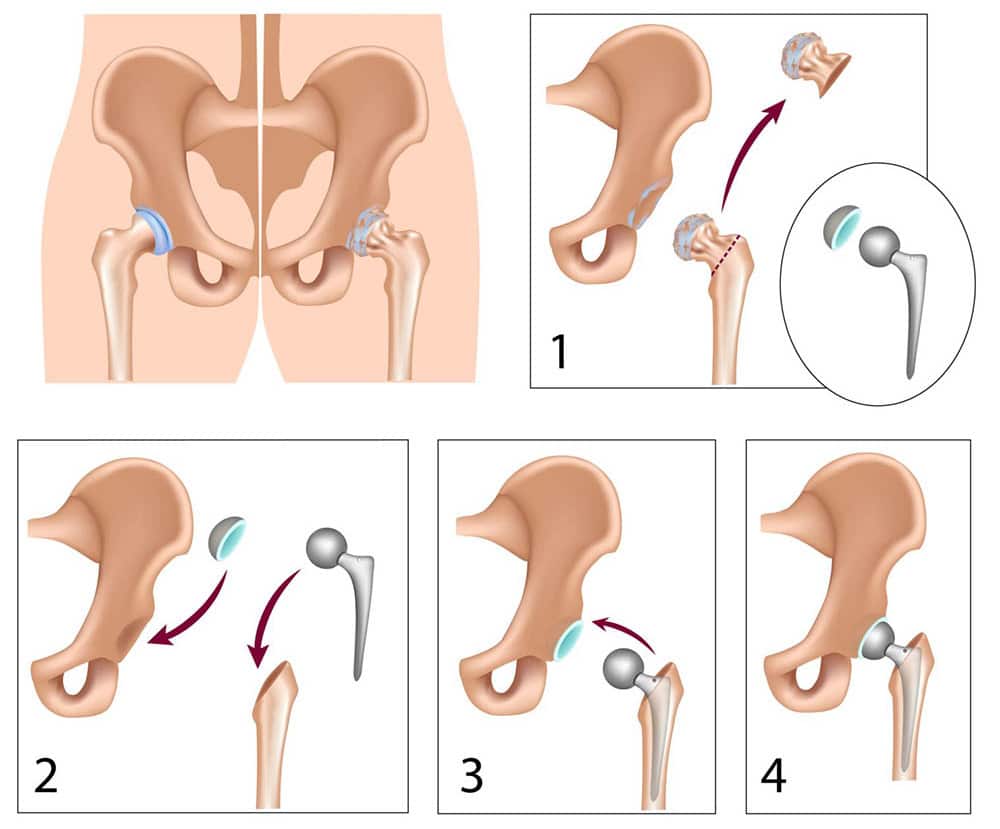
Hip replacement implants consist of a femoral component inserted into the thigh bone and an acetabular component fixed into the pelvis. The bearing surface between these components can be metal-on-polyethylene, ceramic-on-polyethylene, ceramic-on-ceramic or other combinations, each with different wear characteristics and longevity profiles.
Modern total hip replacement implants from established manufacturers including Zimmer Biomet, Stryker, DePuy Synthes and Smith and Nephew are the same systems tracked in pooled national joint-registry data, which shows about 89% of total hip replacements still in place at 15 years and about 70% at 20 years, with roughly 58% lasting 25 years.
Turkish private hospitals performing high volumes of orthopaedic surgery typically stock the same established international implant systems, but registry survival figures describe the operation overall, not any single implant brand.
Patients should ask their surgeon which specific implant system is planned, whether they prefer cementless or cemented fixation for this case and why, and what bearing surface material will be used. These details affect both the surgical technique and the expected long-term performance of the prosthesis.
What the Hip Replacement Surgery Stay and Early Recovery Involve
Hip replacement surgery in Turkey is performed under spinal or general anaesthesia and typically takes one to two hours. Patients are admitted the day before surgery for pre-operative assessment including blood tests, ECG and anaesthetic consultation. Enhanced recovery protocols are standard practice at modern Turkish orthopaedic facilities, with physiotherapy beginning the day after surgery.
Most patients stand and take assisted first steps with walking aids within twenty-four to forty-eight hours. The initial hospital stay is typically three to five days before discharge to a hotel or recovery facility. Walking aid use continues for four to six weeks depending on surgical approach, implant fixation method and individual recovery progress.
For international patients, a total stay in Turkey of ten to fourteen days after surgery allows for physiotherapy sessions, wound assessment and travel clearance before the long flight home.
Rehabilitation After Hip Replacement: What Patients Need to Organise Before Travel
Rehabilitation after hip replacement is the most important determinant of functional outcome. The perioperative physiotherapy in Turkey initiates the process, but the substantial majority of rehabilitation occurs at home over three to six months following return. Patients must arrange a physiotherapy provider in their home country before travelling.
The rehabilitation progression moves through protected weight-bearing with aids in the first weeks, progressive strengthening of hip abductors and external rotators, gait training and functional rehabilitation for activities of daily living. Hip precautions, if applicable depending on surgical approach, must be strictly followed in the first six to eight weeks to prevent dislocation.
Driving return depends on which hip is operated on and the patient's country of residence regulations, but is typically possible at six to eight weeks for most patients after an uncomplicated procedure. Return to low-impact recreational activity such as walking and swimming is often achieved by three months.
How NexWell Assists Patients Planning Hip Replacement in Turkey
NexWell supports patients considering hip replacement in Turkey by reviewing the hospital's orthopaedic programme infrastructure, implant systems, surgeon case volume and rehabilitation provision. We check whether the proposed clinic can adequately manage the patient's specific risk profile, including BMI, comorbidities and any previous hip surgery.
We also help patients understand the travel and logistics considerations specific to orthopaedic surgery, including flight readiness timing, DVT prophylaxis protocols for long-haul travel, and how to organise continuity of follow-up care, anticoagulation management and physiotherapy once back home.
Hip Replacement Turkey Cost - 2026
| Procedure | Turkey | UK | USA |
|---|---|---|---|
| Total Hip Replacement | $8,000–$12,000 | $17,800–$25,400 | $32,000–$55,000 |
| Complex or Revision Hip Replacement | $10,500–$16,000 | $22,850–$35,550 | $45,000–$70,000 |
| Hospital Rehab Extension | $800–$1,500 | $1,900–$3,800 | $2,500–$6,000 |
Indicative international private-patient pricing. Final cost changes with implant choice, complexity, and rehabilitation needs.
Vetted partner network
NexWell coordinates with TEMOS-accredited clinics or Ministry of Health–licensed facilities in Turkey.
No obligation
Get your Hip Replacement Surgery in Turkey: Total Hip Replacement Planning Guide plan
Send your case and a coordinator returns a written plan and an indicative quote — usually within a day.
Questions Patients Ask Before They Commit
Related reading
orthopaedics
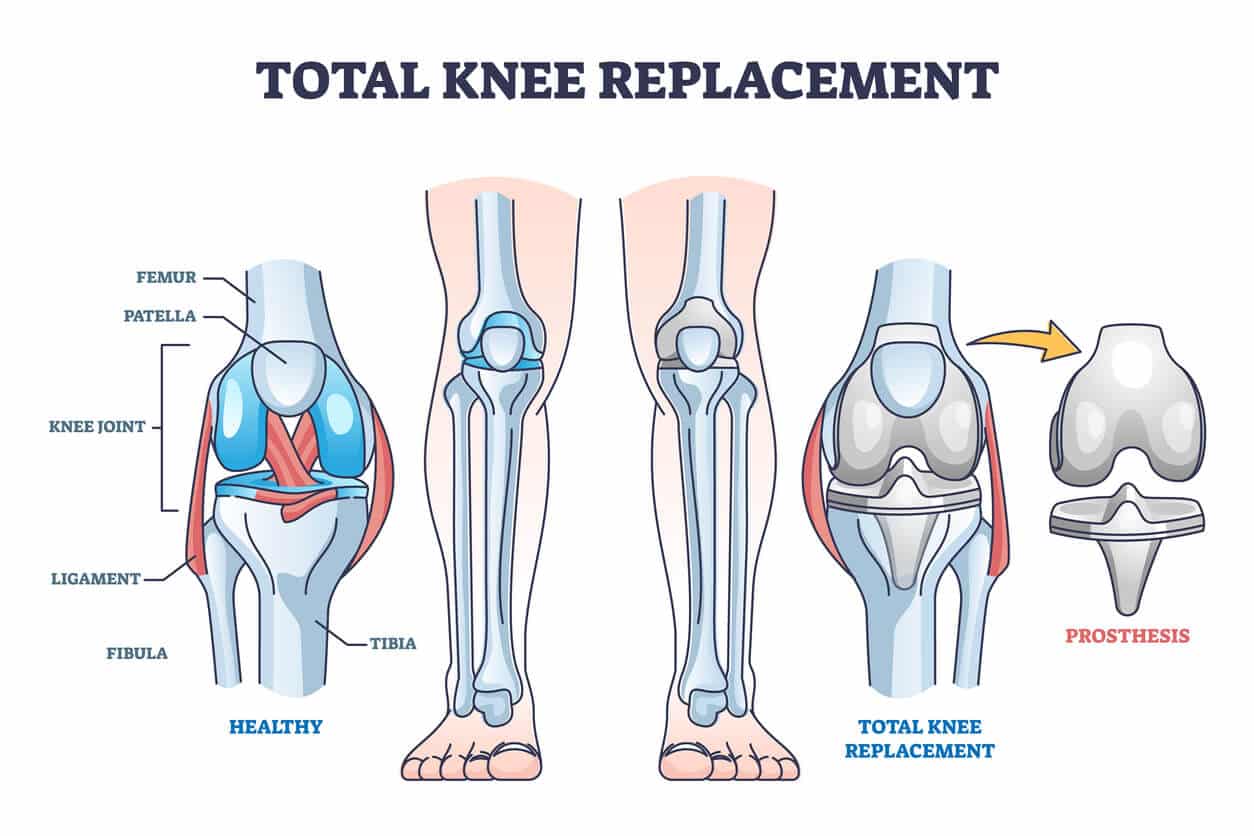
Knee Replacement Surgery in Turkey
Total and partial knee replacement pathways in Turkey combine high-volume orthopaedic teams, modern implant planning, and lower total cost than most UK or US private routes. The real differentiator is how clearly mobility goals, implant choice, and rehabilitation are coordinated from day one.
orthopaedics
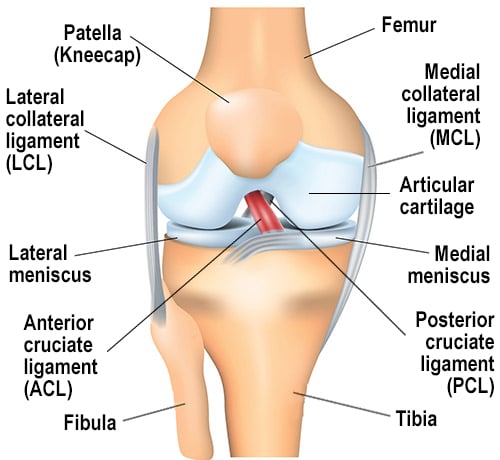
ACL Repair Surgery in Turkey
ACL surgery in Turkey is most valuable when the clinic combines accurate diagnosis, graft selection logic, and a realistic return-to-sport pathway. International patients should evaluate rehab quality and follow-up discipline as seriously as the operation itself.
Plan the next step clearly
Use this page as a decision-support guide, then move into quote review, treatment comparison, and travel planning with coordinator support.
Decision Context
Patients compare this treatment inside the trip around it
Treatment pages perform better when they acknowledge arrival flow, destination trust, and the recovery rhythm patients are trying to visualise before booking.

The provider decision starts with arrival confidence
Patients compare treatment pages while also asking how first-day logistics, transfers, and scheduling will actually work.

The destination still influences medical trust
A treatment page is stronger when it recognises that the city itself remains part of the decision frame for international patients.

Recovery pacing changes how people evaluate options
Different procedures feel more or less realistic depending on how patients picture the slower hours between appointments.