
Post-Treatment Follow-Up and Aftercare for International Patients
How post-treatment follow-up and aftercare work for international patients after returning home — monitoring protocols, communication, wound care, and when to seek immediate attention.

Many international patients assume that care ends when treatment is completed and they return home. In reality, post-treatment follow-up is a core part of medical care — especially when treatment takes place abroad. Healing continues after departure. So does responsibility.
This guide explains what structured follow-up looks like, what patients are expected to monitor, and how NexWell manages continuity across borders.
Why Follow-Up Is Especially Important for International Patients
International patients face unique challenges after treatment: distance from the treating team, different local healthcare systems, and limited access to the original clinicians. Structured follow-up helps bridge these gaps and ensures continuity of care.
Patients often feel vulnerable after returning home. Questions arise — is this normal? Should I be concerned? Who should I contact? Follow-up provides reassurance and direction, reducing unnecessary stress while acting as a safety mechanism that can identify potential issues and prevent complications from escalating.
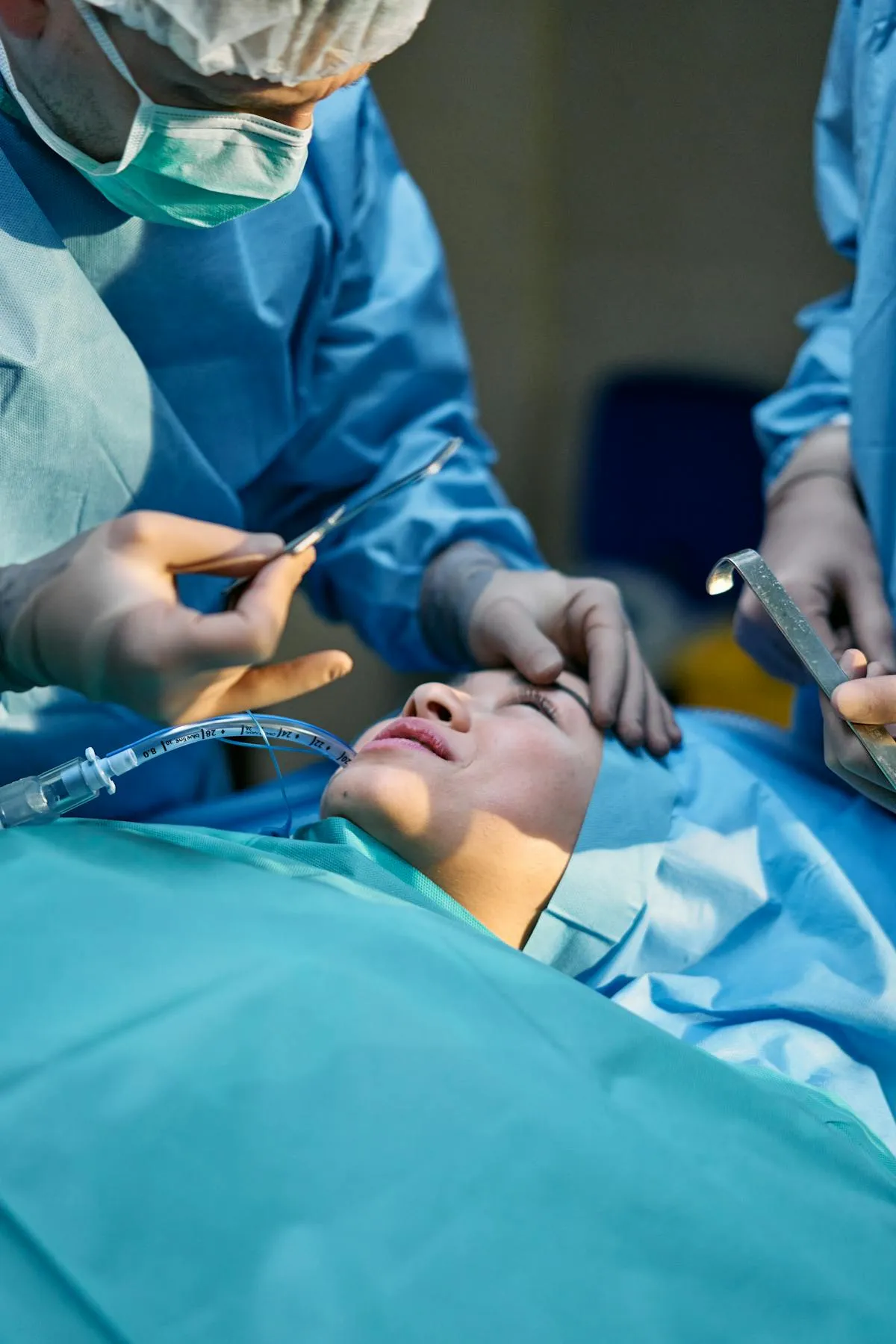
NexWell Post-Treatment Follow-Up Protocol
Every NexWell patient receives structured follow-up contact at 48 hours, 7 days, and 21 days after returning home. At each checkpoint, the coordinator reviews symptoms, answers questions, and — where necessary — facilitates a direct message or video consultation with the treating clinical team.
Patients who report concerning symptoms are triaged immediately: those with signs of normal post-operative progression receive reassurance and guidance; those with clinical red flags are advised on the appropriate local care pathway with a concurrent notification to the Istanbul clinical team.
At the three-week mark, digital photographs are reviewed for wound healing and initial outcome assessment before the formal three-month review is scheduled.
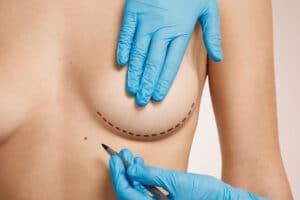
Wound Care and Scar Management After Surgical Procedures
Proper wound care in the weeks following surgery significantly affects scar appearance at twelve and twenty-four months.
Most Turkish surgical clinics provide a written wound care protocol at discharge covering when to remove dressings and begin gentle washing, which topical products to apply and when (typically a silicone-based gel from approximately three weeks post-operatively, once wounds are fully closed), and when to begin scar massage.
Sun protection over incision sites is non-negotiable for twelve months — UV exposure to healing scars causes hyperpigmentation that is difficult to reverse. Patients returning home after surgery in Turkey should share the post-operative wound care protocol with their home GP or practice nurse, who can provide wound observation support.
Managing Common Post-Treatment Concerns at Home
The most commonly reported concerns in the first two weeks after returning home from treatment in Turkey are:
- **Swelling that appears to be worsening** — usually normal and expected; ask your Turkish clinic's specific swelling timeline guidance - **Bruising patterns in unexpected locations** — common with liposuction and body contouring as fluids redistribute - **Temporary numbness or altered sensation** — normal with most surgical procedures - **Fatigue lasting longer than expected** — normal in the first 2–3 weeks
For each of these, your first point of contact should be the Turkish clinic's post-operative messaging service before visiting a local emergency department. Most concerns are manageable without emergency care, and your Turkish surgeon's guidance will be more specific than a home-country A&E's.

When to Seek Immediate Medical Attention After Returning Home
Certain post-operative symptoms require immediate medical attention and should not wait for a Turkish clinic response window:
- A rapidly expanding area of redness, warmth, and hardness in an operated area accompanied by fever above 38.5°C - Increasing pain rather than decreasing pain after day three - Signs of deep vein thrombosis: significant one-sided leg swelling, redness, and warmth following procedures involving anaesthetic and limited mobility - Shortness of breath or chest pain - A wound that has opened and is discharging pus rather than serous fluid
For these situations, attend your local emergency department immediately and present the Turkish clinic's operative report to the attending physician. NexWell provides every patient with an emergency reference card in their native language summarising these criteria.
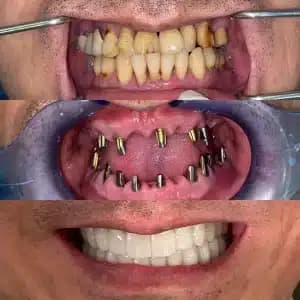
Long-Term Follow-Up: One, Six, and Twelve Months
Many cosmetic and reconstructive procedures require assessment at one, six, and twelve months post-operatively to fully evaluate outcomes.
- **Rhinoplasty**: swelling resolves progressively over twelve months; the final result is only visible at approximately twelve to eighteen months - **Breast implants**: settle into their final position at three to six months - **Body contouring scars**: maturation takes twelve to eighteen months - **Hair transplant**: final density is assessed at nine to twelve months - **Dental work** (veneers, crowns, implants): a one-year bite and margin check is standard
NexWell facilitates all digital follow-ups with partner clinics, including photography protocols for assessment, to maintain continuity of care across the geographic distance.
Frequently asked questions
How soon after returning home will NexWell contact me?
NexWell makes contact at 48 hours, 7 days, and 21 days post-discharge. If you experience concerning symptoms before those checkpoints, you can reach your coordinator directly at any time.
What should I do if I develop concerning symptoms at night or on a weekend?
For non-emergency concerns, use the Turkish clinic's post-operative messaging service. For emergency symptoms — fever above 38.5°C with redness and hardness, chest pain, or shortness of breath — attend your local emergency department immediately and present the operative report.
Do I need to return to Turkey for follow-up appointments?
Most follow-up is handled digitally through photographs, video consultations, and secure messaging. A physical return is only required if your treating surgeon determines that in-person review is clinically necessary.
How do I manage wound care after returning home?
Your discharge documentation includes a wound care protocol. Share this with your home GP or practice nurse. Key rules: keep incision sites out of direct sun for twelve months, begin silicone gel when wounds are fully closed (approximately three weeks post-operatively), and follow scar massage guidance from your clinic.
When is my final outcome expected to be visible?
This depends on the procedure. Rhinoplasty final results appear at twelve to eighteen months. Body contouring scars mature over twelve to eighteen months. Hair transplant density is assessed at nine to twelve months. Dental outcomes are typically reviewed at one year.
Free Guide: The Complete Medical Tourism Handbook
Cost comparisons, clinic evaluation checklist, packing list & recovery tips — everything you need to plan your treatment in Turkey.
Related reading
medical-tourism
International Patient Treatment Process: From Inquiry to Follow-Up
A full-process guide showing how international treatment journeys should work from first inquiry to quote, travel, treatment, recovery, and aftercare.
medical-tourism
On-Site Recovery for International Patients: How to Plan the First Week Well
A practical guide to on-site recovery after treatment abroad, including mobility, medication, hydration, hotel setup, and when to escalate concerns.
patient-journey
Role of a Medical Coordinator in International Patient Care
Understand what a medical coordinator actually does in international patient care — how coordination supports clarity, continuity, and communication without replacing medical judgment.
patient-journey
Pre-Treatment Evaluation for International Patients: What to Expect
Learn how pre-treatment evaluation works for international patients, what information is reviewed, and why this structured filtering step is essential before planning treatment abroad.
medical-tourism
Travel and Logistics for Medical Treatment Abroad: The Practical Guide
A practical pre-travel guide for international patients covering flights, hotel choice, escorts, medication planning, and how to reduce avoidable friction around treatment abroad.
medical-tourism
Medical Tourism Safety Checklist Turkey: What to Verify Before Booking
A practical pre-booking checklist for treatment in Turkey, covering provider verification, hospital standards, quote scope, consent quality, recovery logistics, and complication planning.