
Medically reviewed by Dt. Tunç Berge, MSc — Esthetic Dentistry & Implantology — Last reviewed June 2026
Turkey Teeth Reversal: Can Over-Prepared Teeth Be Fixed?
Can Turkey teeth be reversed? The honest answer: teeth filed down for crowns can't be returned to natural, but poor or failing work can usually be remade or replaced. Here's what's actually possible — and how to avoid needing a reversal.
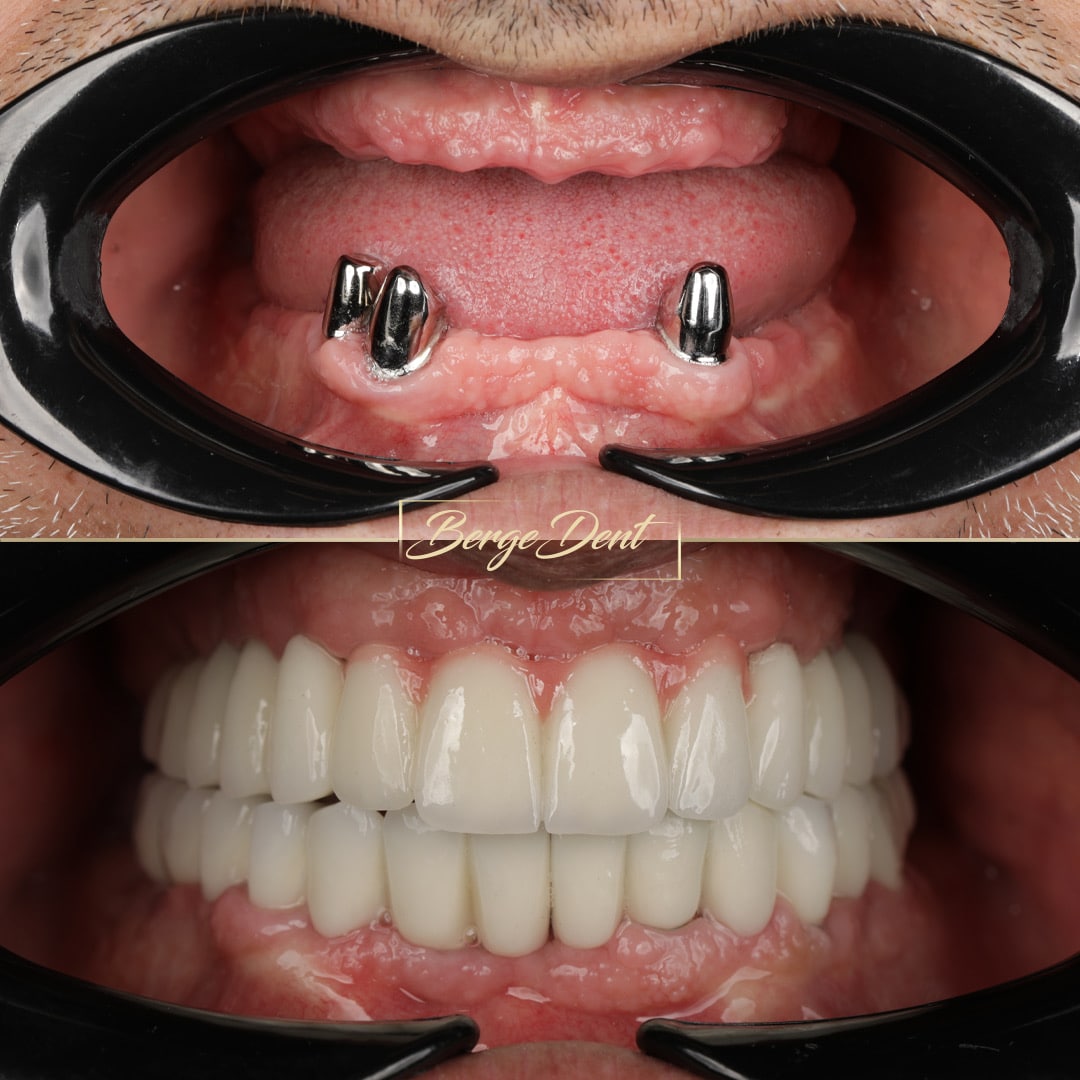
If you're searching 'Turkey teeth reversal', you're likely either unhappy with a result or worried about one. The honest answer has two halves: teeth that were filed down for crowns cannot be returned to their original natural state — that tooth structure is gone — but unsatisfactory, ill-fitting or failing work can very often be remade, replaced or rehabilitated to a much better standard.
This guide explains what's realistic.
Can Turkey Teeth Be Reversed?
It depends on what was done. If you had conservative veneers or bonding, most of your natural tooth is intact and your options are wide.
If you had crowns — where teeth were filed down to small cores — there is no way to grow that structure back, so 'reversal' really means replacing the existing restorations with better ones, not returning to your original teeth. Understanding which you had is the first step, and veneers vs crowns in Turkey explains how to tell.
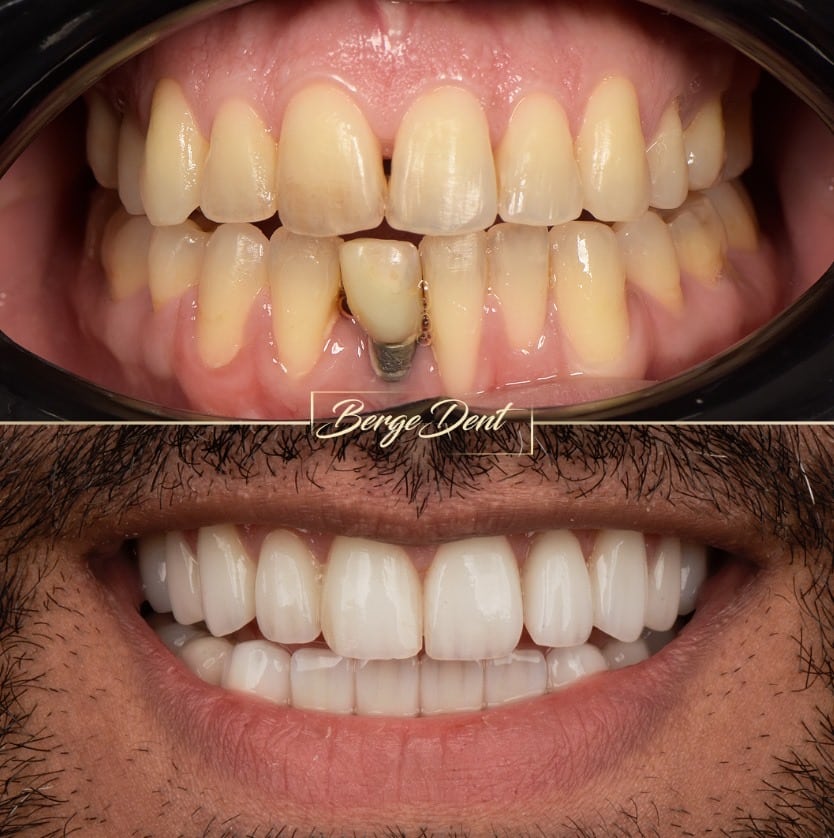
What Can Actually Be Done
| Feature | When it's used | What it involves |
|---|---|---|
| Remake crowns or veneers | Poor fit, shape or colour | New restorations on the same teeth |
| Gum treatment | Recession or inflammation | Hygiene therapy, sometimes minor surgery |
| Root canal | Nerve pain after heavy preparation | Treating the nerve, then re-crowning |
| Dental implant | The tooth is unsalvageable | Removing it and placing a new implant |
Most cases are fixable to a good standard once a dentist assesses how much healthy tooth and bone remains. The right plan is led by what's left underneath, not by the cosmetic finish on top. Where a tooth must be removed, see dental implants in Turkey.

When Implants Become the Answer
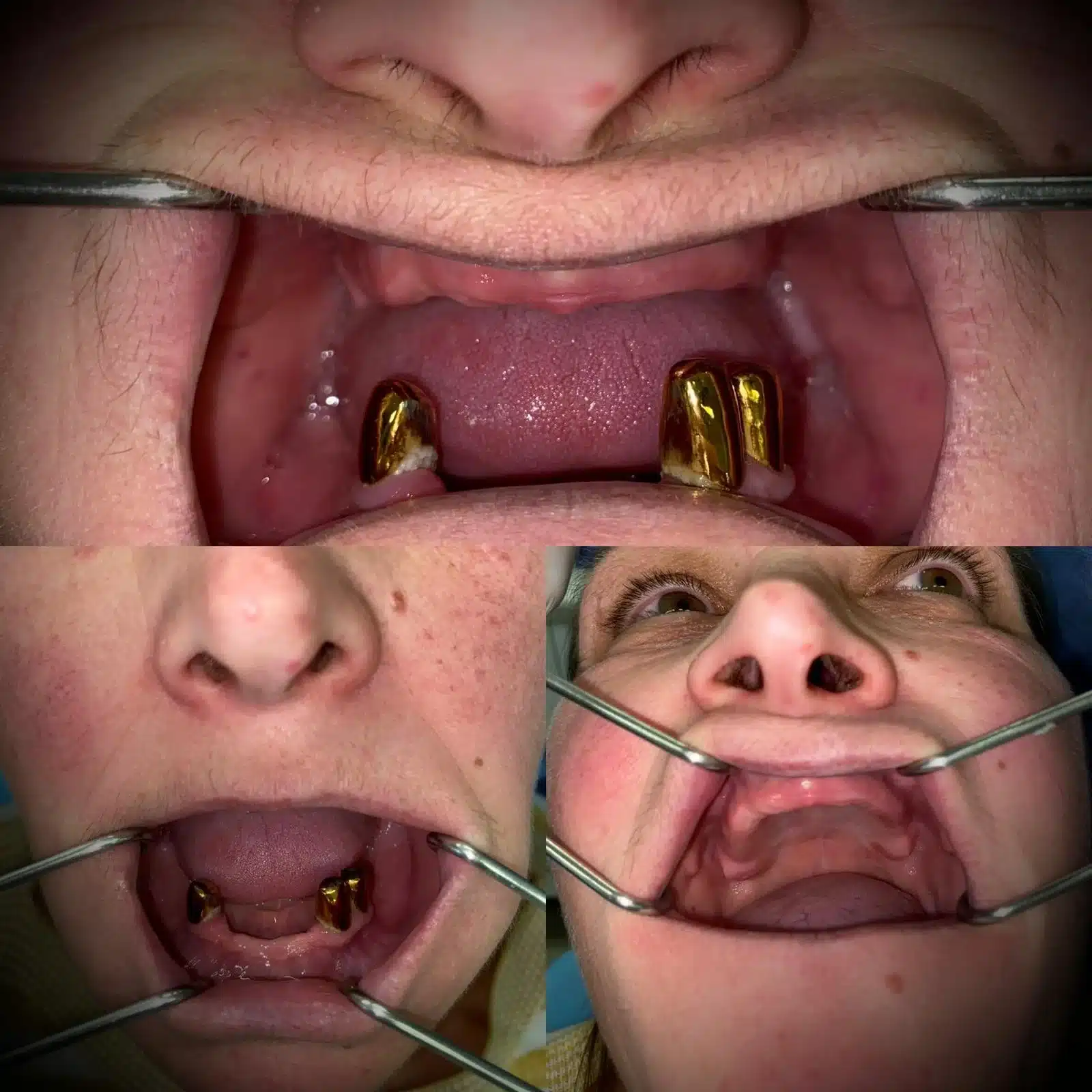
Sometimes a tooth under a failed crown is too damaged to keep — cracked, decayed beneath the margin, or non-restorable. In that case the cleanest long-term solution is removing it and replacing it with a dental implant, which gives you a fixed, natural-functioning tooth that doesn't rely on the compromised structure.
Where several teeth are involved, full-arch options may be considered — see new teeth in Turkey for how fixed implant solutions work and how long new teeth last.
The Best 'Reversal' Is Never Needing One
Because over-preparation can't be undone, prevention is everything. If you're still in the planning stage, insist on the most conservative option that meets your goal, get written confirmation of whether you're having veneers or crowns and how much tooth will be removed, and choose a clinic on clinical standards rather than price.
The same checks that prevent regret are in are Turkey teeth safe and Turkey teeth gone wrong.
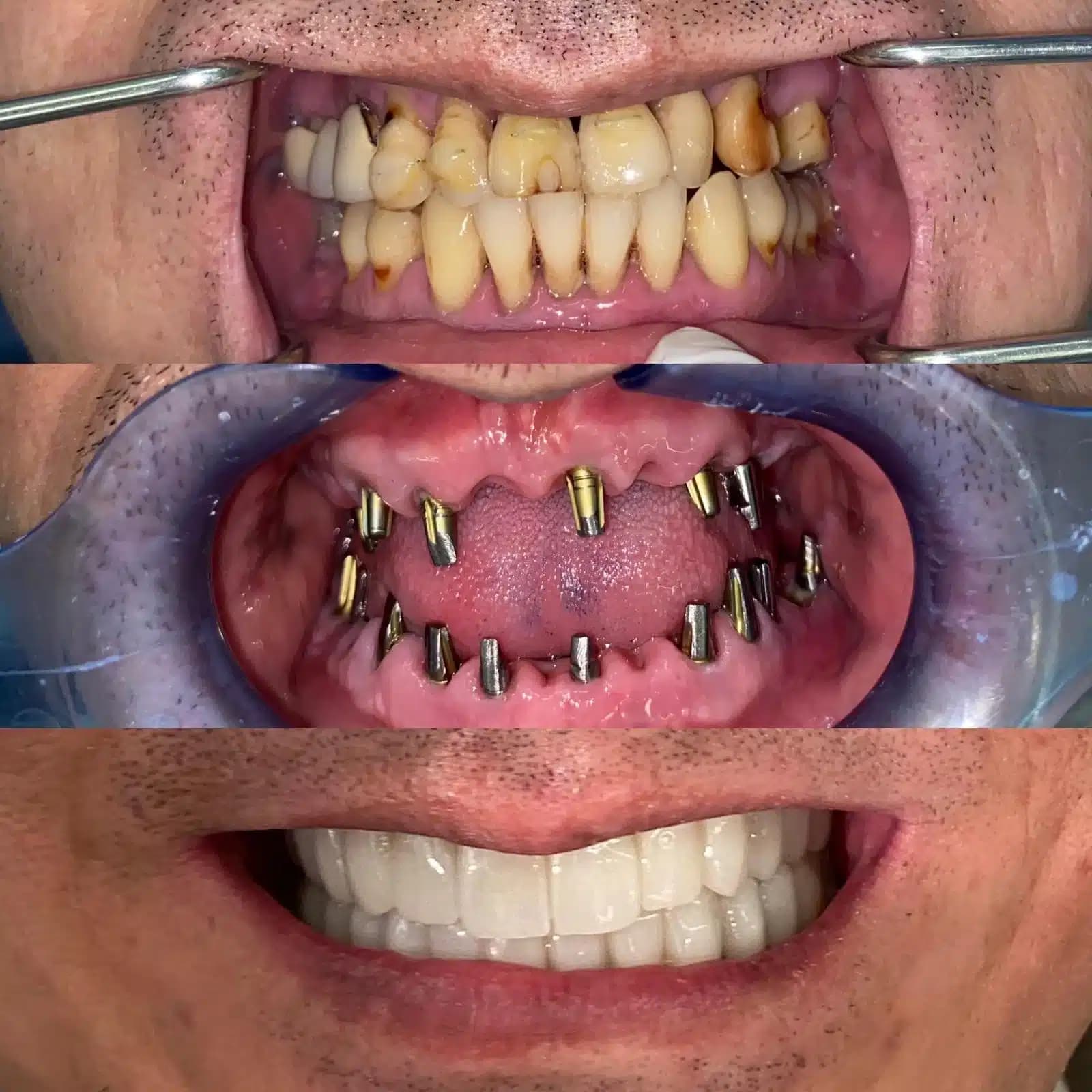
Get an Honest Assessment of Your Options
Whether you're fixing past work or planning ahead, the right next step is a proper assessment of what's underneath. NexWell matches you to vetted partner clinics and specialists who lead with conservative, evidence-based planning — see our partner clinics or request a confidential free assessment.
Frequently asked questions
Can Turkey teeth be reversed?
Not to your original natural teeth if they were filed down for crowns — that structure can't be regrown. But poor, ill-fitting or failing crowns and veneers can usually be remade or replaced to a much better standard, and unsalvageable teeth can be replaced with implants.
How do you fix bad Turkey teeth?
An assessment determines what's underneath. Options include remaking ill-fitting crowns or veneers, treating gum recession or inflammation, root canal treatment for nerve pain, and replacing unsalvageable teeth with implants. The plan is led by how much healthy tooth and bone remains.
Can you remove crowns and go back to natural teeth?
No. Crowns require filing the tooth down to a core, so once placed there isn't enough natural tooth to return to. Crowns can be removed and replaced with new ones, but the underlying tooth stays prepared. This is why conservative options matter from the start.
Are implants used to fix failed Turkey teeth?
Yes, when a tooth under a failed crown is cracked, decayed beneath the margin or otherwise unsalvageable. Removing it and placing an implant provides a fixed, natural-functioning replacement that doesn't depend on the compromised tooth.
Free Guide: The Complete Medical Tourism Handbook
Cost comparisons, clinic evaluation checklist, packing list & recovery tips — everything you need to plan your treatment in Turkey.
Related reading
dental
Turkey Teeth: An Honest, Dentist-Reviewed Guide (2026)
What are 'Turkey teeth'? A plain-English, dentist-reviewed guide to what the term really means, why the work is cheaper, the veneers-vs-crowns decision that prevents regret, and how to get a great result safely.
dental
Turkey Teeth Gone Wrong: Why It Happens and How to Make Sure It Doesn't
The 'Turkey teeth gone wrong' stories are real — but they share a pattern that has nothing to do with the country. Here's what actually causes them and the exact steps that keep you on the right side of the line.
dental
Veneers vs Crowns in Turkey: The Difference That Decides Your Result
The single most important 'Turkey teeth' decision is veneers vs crowns — and most horror stories come from getting crowns when veneers would have done. Here's the difference, when each is right, and what to insist on.
dental
Are Turkey Teeth Safe? An Honest Guide to the Risks and How to Avoid Them
Are 'Turkey teeth' safe? The honest answer: it depends on the clinic and the procedure, not the country. Here's what's actually risky, what's not, and the exact checks that separate a great result from a horror story.
dental
New Teeth in Turkey: Implants, All-on-4 & Fixed Teeth Explained
Want 'new teeth'? This dentist-reviewed guide explains your fixed options in Turkey — single implants, All-on-4, All-on-6 and full-mouth — how they compare to dentures, what they cost, how long treatment takes, and how to choose a clinic.