Turkey Teeth (Turkish Teeth): An Honest Guide 2026
What are 'Turkey teeth'? An honest, dentist-reviewed guide to what the term means, what they cost, and the veneers-or-crowns decision that prevents regret.
Quick answer
What are 'Turkey teeth'? An honest, dentist-reviewed guide to what the term means, what they cost, and the veneers-or-crowns decision that prevents regret.
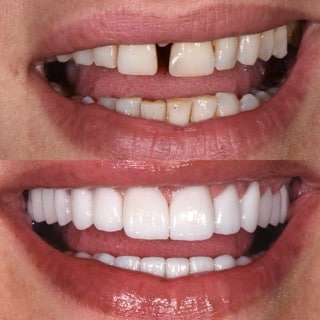
'Turkey teeth,' also spelled 'Turkish teeth,' isn't a dental procedure: it's a slang term, popularised by UK reality TV and social media, for getting a new smile (usually veneers or crowns) at a clinic in Turkey. Done well, it's safe, world-class cosmetic dentistry at a fraction of UK prices. Done badly, it's the source of the 'gone wrong' headlines.
This hub explains, honestly, what the term means, what it costs, what the evidence says, and how to land firmly on the right side of that line.
Thinking about teeth in Turkey? Talk to a NexWell coordinator before you decide.
Turkey Teeth Meaning: What the Term Actually Covers
The phrase 'Turkey teeth' describes cosmetic dental work done in Turkey to transform the look of someone's smile, most often porcelain veneers or crowns, sometimes a full Hollywood Smile. It is not an official treatment name, and that's exactly where confusion starts.
The single most important thing to understand is that the same label covers two very different procedures: thin veneers that preserve your natural teeth, and crowns that file teeth down to small pegs. The result you get, and the risk you take, depends almost entirely on which one you actually receive.
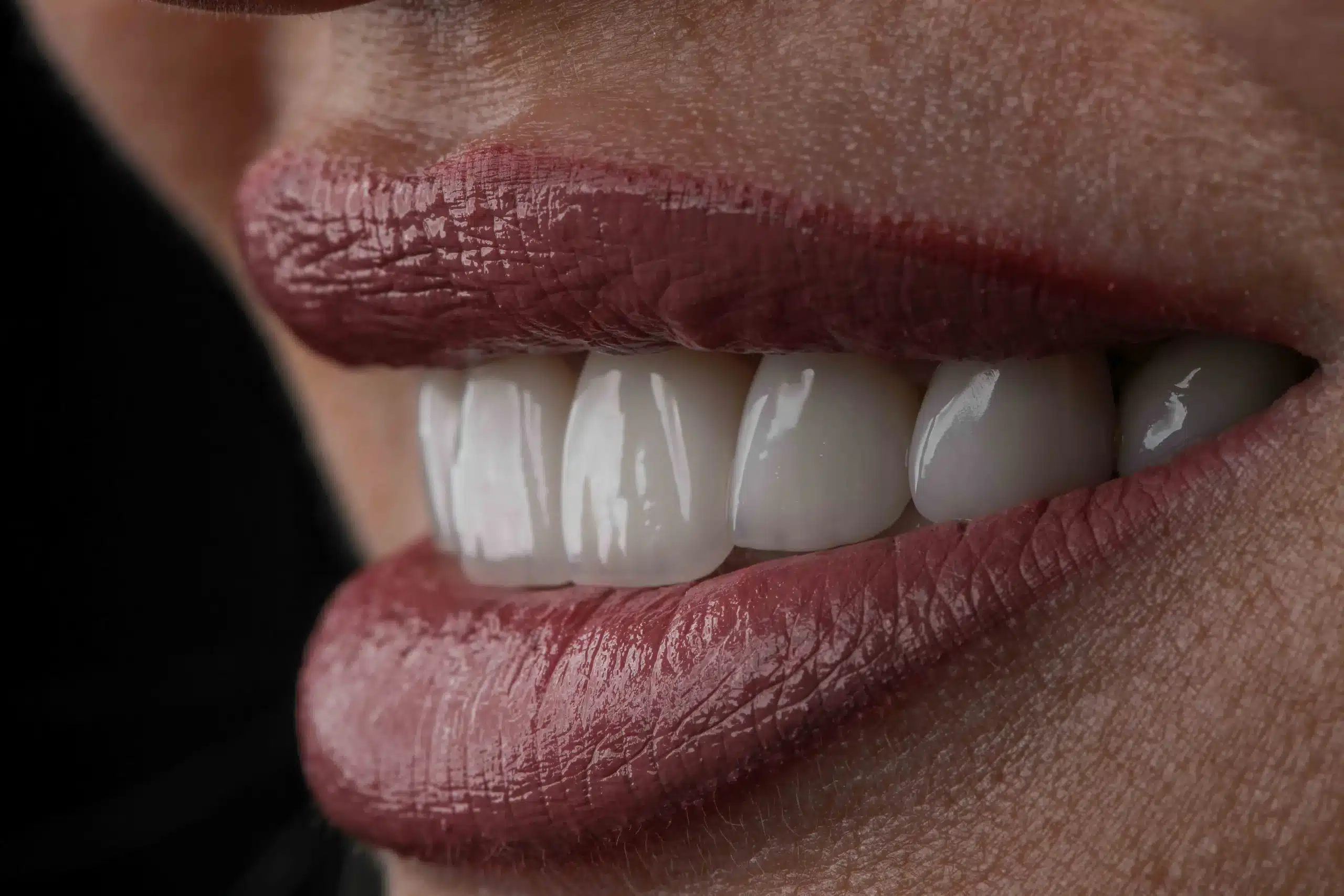
Turkey Teeth: Veneers or Crowns? The Four Ways to Get Them
| Feature | What it removes | Best for |
|---|---|---|
| Composite bonding | Little to no natural tooth | Minor chips, gaps and small fixes |
| Veneers | A sliver of enamel | Mostly healthy teeth, cosmetic change |
| Crowns | Most of the tooth (filed to a core) | Damaged or root-canalled teeth |
| Implants | Replaces a missing tooth entirely | Missing or unsalvageable teeth |
Most 'Turkey teeth' marketed as veneers are, in practice, crowns, because crowns change every tooth fast and dramatically. That suits a high-volume clinic, but it removes far more healthy tooth than most people realise. Read the full breakdown in veneers vs crowns in Turkey.
Are Turkey Teeth Worth It? Why Turkey Costs So Much Less
Turkey is a mature dental-tourism hub: lower labour, lab and property costs, plus high case volume, let reputable clinics charge $1,900–$3,550 for a full upper smile that costs two to three times more in the UK. Crucially, the best Turkish clinics use the same E-max and zirconia materials as UK practices: the saving is structural economics, not cheaper dentistry.
The honest caveat: a price far below even Turkish norms is a warning sign, not a bargain. See the full picture in Turkey teeth cost in 2026.
What Turkey Teeth Cost at a Glance
| Feature | Typical cost in Turkey | Rough UK equivalent |
|---|---|---|
| Composite bonding (per tooth) | $125–$230 | $440–$570 |
| Porcelain veneer (per tooth) | $190–$360 | $760–$1,800 |
| Zirconia crown (per tooth) | $165–$270 | $570–$890 |
| Full upper smile (about 10 units) | $1,900–$3,550 | $7,600–$17,800 |
| Full mouth (about 20 units) | $3,800–$7,100 | $15,250–$35,550 |
These are typical ranges for reputable clinics, not guarantees, and the exact figure depends on material, the number of units and case complexity. Treat a quote far below the Turkish ranges above as a warning sign rather than a saving; it usually means corners are being cut somewhere. The full breakdown, including what a fair package should already include, is in Turkey teeth cost in 2026.
Want your own case costed? Book a consultation, no obligation.
Turkey Teeth Gone Wrong: The Real Risk Is Over-Preparation
Nearly every 'Turkey teeth gone wrong' story shares the same pattern: healthy teeth ground down to pegs for crowns, no proper imaging or planning, a rushed 'new smile in 2 days' timeline, the cheapest possible quote, and no aftercare once you fly home.
The damage, nerve problems, gum recession, early failures, comes from aggressive treatment, which exists wherever cosmetic dentistry is sold at volume. The fix is choosing a clinic that recommends the least destructive option that meets your goal.
Understand the failure pattern in Turkey teeth gone wrong and whether it can be undone in Turkey teeth reversal.
By the Numbers: What the Evidence Actually Says
The data behind the headlines is worth knowing, and it's more nuanced than 'avoid Turkey'. A British Dental Association survey of around 1,000 UK dentists found that 86% had treated patients with complications after dental work abroad; crucially, that figure reflects how many dentists have seen at least one such case during their career, not a failure rate for treatment in Turkey.
A BBC investigation for the documentary 'Turkey Teeth: Bargain Smiles or Big Mistake?' found that 70 of 120 Turkish clinics which responded recommended crowns or veneers, while none of the 34 UK clinics did: the clearest sign that the real risk is over-treatment at high-volume clinics, not Turkey itself.
The UK's General Dental Council has reported receiving over 300 complaints about overseas dental work in a single year, and the BDA notes that correcting problem work in the UK typically starts around $640 and often exceeds $1,250 per case. The honest takeaway isn't 'don't go'; it's 'don't pick the clinic that over-treats you'.
Getting Turkey Teeth Sorted Out Back Home
One question glossy brochures rarely answer: what happens if something needs attention once you're home? UK dentists, including the NHS, will treat genuine dental pain or infection, but the NHS does not generally redo private cosmetic work, and many UK practices are cautious about taking over complex treatment they didn't plan, which can leave you paying privately to maintain or correct it.
This is exactly why aftercare you can actually reach matters more than the headline price. Before you book, ask who is responsible if a crown fails or a problem appears months later, and choose a clinic, or a coordinator like NexWell, that gives you a real route back rather than silence after you land.
If you're already dealing with problem work, Turkey teeth reversal covers what can realistically be fixed.
Are Teeth in Turkey Safe? Your Turkey Teeth Checklist
The checklist is short and powerful: insist on a real consultation with imaging (not just photos); ask in writing whether you're getting veneers or crowns and exactly how much tooth will be removed; choose the most conservative option that achieves your goal; verify the dentist's credentials and the clinic's complication history; and confirm aftercare you can actually reach from home.
A clinic willing to talk you out of unnecessary crowns is one worth trusting. Our guide to how to choose a clinic in Turkey is the full version, and are Turkey teeth safe answers the safety question directly.
'Turkish Teeth' vs 'Turkey Teeth': Are They the Same Thing?
Yes. 'Turkish teeth' and 'Turkey teeth' are the same slang trend, just spelled two different ways: some people say 'Turkey teeth' after the country, others say 'Turkish teeth' after the nationality, and search engines treat them as interchangeable. Neither is an official dental term; both describe the same thing this guide covers: cosmetic veneers or crowns fitted at a clinic in Turkey.
If you've seen the term written either way, everything above (the cost, the safety checklist, the veneers-vs-crowns risk) applies equally.
New Turkey Teeth: the Clinic Decides the Outcome, Not the Country
Every link on this page points back to the same truth: the quality of 'Turkey teeth' depends on the clinic and clinician, not the destination. NexWell holds its clinics to clinical standards, transparency and aftercare rather than the cheapest quote, and we'll tell you honestly when you don't need aggressive work.
See our NexWell-verified specialists, or start with a no-pressure assessment.
Frequently asked questions
What are Turkey teeth?
'Turkey teeth' is a slang term for cosmetic dental work, usually porcelain veneers or crowns, done at a clinic in Turkey to transform the look of your smile. It is not an official procedure name, and the term covers everything from conservative veneers to aggressive crowns, which carry very different risks.
Are Turkey teeth just crowns?
Often, yes. Although they're frequently marketed as veneers, many budget 'Turkey teeth' packages use crowns, which file the tooth down to a core. A true veneer removes only a sliver of enamel. Always ask the clinic, in writing, which one you're getting and how much tooth will be removed.
How much do Turkey teeth cost?
With experienced Istanbul clinics, a full upper set of porcelain veneers typically costs $1,900–$3,550 and a full mouth roughly $3,800–$7,100 depending on material and number of units, significantly less than the UK. A quote far below Turkish norms is a red flag, not a deal.
Are Turkey teeth safe?
They can be very safe or genuinely risky, depending on the clinic and procedure rather than the country. Conservative, properly-planned work by a qualified dentist is safe; rushed crown work at a budget mill is risky anywhere. Vetting the clinic is what decides the outcome.
Can Turkey teeth be reversed?
Teeth that were filed down for crowns cannot be returned to their natural state, but poor or failing work can usually be remade or improved, and missing teeth can be replaced with implants. Prevention, choosing conservative care first, is far better than needing a reversal later.
Why do Turkey teeth look so white and fake?
Because budget packages often fit a full row of identical, very bright crowns chosen for instant impact rather than a natural look. Well-planned cosmetic work uses subtle variation in shade and translucency and edges that follow the lip line, so it suits the face instead of looking painted on.
Will UK or NHS dentists fix Turkey teeth?
UK dentists, including the NHS, will treat genuine pain or infection, but the NHS does not generally redo private cosmetic work, and many practices are wary of taking over complex treatment they didn't plan. Correcting problem work privately in the UK typically starts around $640 and often exceeds $1,250 per case.
What started the Turkey teeth trend?
The term took off after UK reality TV, notably Love Island contestants such as Jack Fincham, showcased dramatic new smiles done in Turkey, which then spread rapidly on TikTok and Instagram. It describes a social-media trend, not a recognised dental procedure.
Are Turkey teeth worth it?
They can be, when you choose conservative treatment at a vetted clinic: you get a high-quality result for far less than UK prices. They are not worth it when a cheap quote leads to unnecessary crowns on healthy teeth. The clinic and procedure decide the value, not the destination.
Is 'Turkish teeth' the same as 'Turkey teeth'?
Yes, 'Turkish teeth' is simply an alternative spelling of 'Turkey teeth'. Both describe the same slang trend for cosmetic veneers or crowns done at a clinic in Turkey, and everything in this guide applies to either spelling.
Guide: The Complete Medical Tourism Handbook
Cost comparisons, clinic evaluation checklist, packing list & recovery tips. Everything you need to plan your treatment in Turkey.
Related reading
dental
Are Turkey Teeth Safe? An Honest Guide to the Risks and How to Avoid Them
Are 'Turkey teeth' safe? The honest answer: it depends on the clinic and the procedure, not the country. Here's what's actually risky, what's not, and the exact checks that separate a great result from a horror story.
dental
Turkey Teeth Cost in 2026: Veneers, Crowns & Full Smile Prices Explained
How much do 'Turkey teeth' actually cost in 2026? A transparent breakdown of veneer, crown and full-smile prices, why they're cheaper than the UK, and the price red flags that signal a clinic to avoid.
dental
Turkey Teeth Gone Wrong: Why It Happens and How to Make Sure It Doesn't
The 'Turkey teeth gone wrong' stories are real, but they share a pattern that has nothing to do with the country. Here's what actually causes them and the exact steps that keep you on the right side of the line.
dental
Veneers vs Crowns in Turkey: The Difference That Decides Your Result
The single most important 'Turkey teeth' decision is veneers vs crowns — and most horror stories come from getting crowns when veneers would have done. Here's the difference, when each is right, and what to insist on.
dental
Turkey Teeth Before and After: What Realistic Results Look Like
Turkey teeth before-and-after photos sell the dream, but they also hide the difference between a great result and a regret. Here's how to read them, what a natural result actually looks like, and the warning signs in an 'after' photo.
dental
Turkey Teeth Reversal: Can Over-Prepared Teeth Be Fixed?
Can Turkey teeth be reversed? The honest answer: teeth filed down for crowns can't be returned to natural, but poor or failing work can usually be remade or replaced. Here's what's actually possible, and how to avoid needing a reversal.
dental
Hollywood Smile in Turkey
Achieve a symmetrical, brilliantly white smile with E-max and zirconia veneers at Istanbul's leading cosmetic dental clinics. Digital Smile Design technology lets you preview your new look before treatment begins.
Medically reviewed by Dt. Tunç Berge, MSc: Esthetic Dentistry & Implantology. Last reviewed June 2026
Want a real quote for your teeth? Get your treatment plan
Tell us what you are considering. A dentist reviews your details before any figure is issued, and there is no obligation.
Ready to talk it through? Book a consultation or message us on WhatsApp.