Medically reviewed by Dt. Taner Bektaş, DDS: Prosthodontics. Last reviewed June 2026
No-Prep Veneers & Lumineers: An Honest Guide to Ultra-Thin Smiles
- TEMOS-accredited clinics
- JCI-accredited hospitals
- Board-certified surgeons and a licensed clinical team
- 3,000+ international patients treated
A NexWell planning guide to no-prep and minimal-prep ceramic veneers, including the Lumineers brand: what "no-prep" really means, the limits of reversibility, who is genuinely suitable, and indicative costs in Turkey.
Written quote from a NexWell coordinator, usually within 24 hours.
Quick answer
A NexWell planning guide to no-prep and minimal-prep ceramic veneers, including the Lumineers brand: what "no-prep" really means, the limits of reversibility, who is genuinely suitable, and indicative costs in Turkey.
What "No-Prep" Actually Means
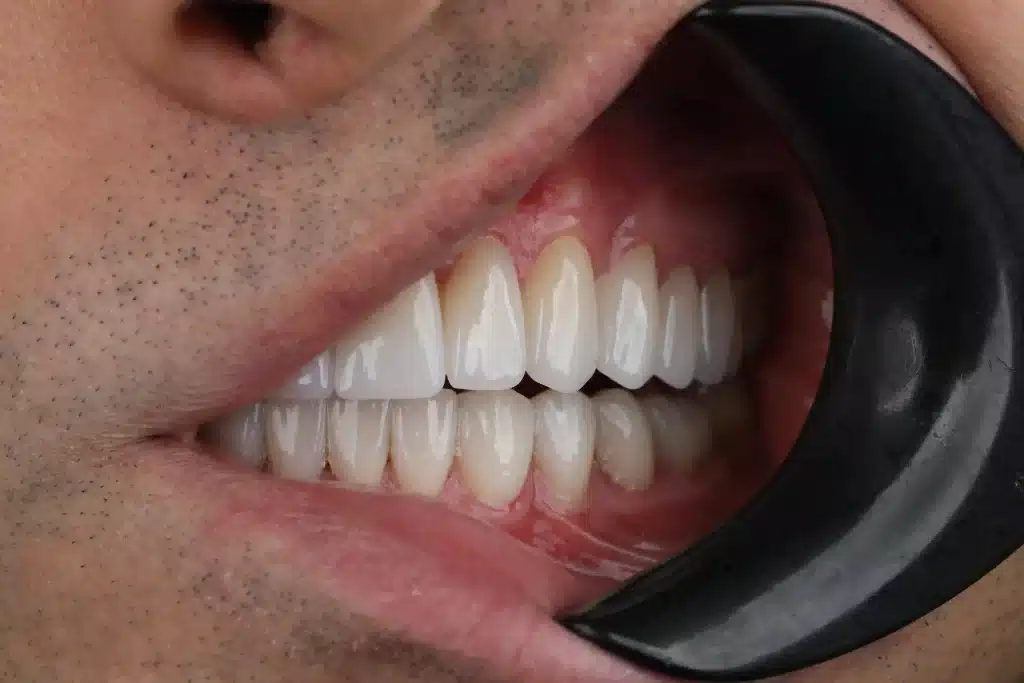
No-prep and minimal-prep veneers are ultra-thin ceramic shells bonded to the front of your teeth with little or no grinding of the natural tooth.
Conventional veneers usually require a dentist to reduce around 0.5 mm of the outer surface so the restoration sits flush; a no-prep approach aims to avoid most of that reduction by using a wafer-thin shell, often roughly 0.2–0.3 mm thick: about the thickness of a contact lens.
The most recognised branded version is Lumineers, a registered no-prep porcelain veneer system. "Lumineers" is a brand name, not a separate category of dentistry; several other thin-veneer systems exist, and the right product depends on your case rather than the marketing label.
What unites them is the goal of conserving tooth enamel, the hard outer layer that, once removed, the body cannot regrow.
There is an important nuance the marketing often blurs. Truly "zero-prep" cases, where the dentist removes literally nothing, are uncommon. Most real-world cases are better described as minimal-prep: the tooth is left largely intact, but the dentist may still lightly roughen or contour the surface, or smooth a sharp edge, so the veneer bonds reliably and the finished tooth does not look over-contoured.
Cleveland Clinic notes that even no-prep options still require some enamel removal in many situations.
The most recognised branded version is Lumineers, a registered no-prep porcelain veneer system.
No-prep veneers are usually most effective on small, well-aligned, lightly worn or slightly discoloured teeth where you want subtle improvement rather than a dramatic transformation. Because the shell is so thin, it adds very little bulk, but that same thinness is also its main limitation, which the later sections explain.
If you are weighing this against thicker, more corrective restorations, our pages on porcelain veneers and veneers vs crowns put the options side by side. A no-prep shell can be a beautifully conservative choice for the right smile, but it is a precision cosmetic procedure with genuine trade-offs, not a no-risk shortcut to a new smile.
How No-Prep Differs From Conventional Veneers
The core difference is how much tooth is altered to make room for the ceramic. Conventional porcelain veneers involve preparing the tooth: the dentist removes a thin layer of enamel, commonly around 0.5 mm, to create space and a slightly roughened surface that the veneer grips.
This lets the laboratory build a shell with full control over shape, colour and opacity, which is why traditional veneers can mask darker teeth or correct more noticeable issues. The trade-off is that the prepared enamel is gone for good.
No-prep and minimal-prep veneers reverse the priority: they protect the tooth structure first and accept a narrower cosmetic range as a result. Because almost nothing is removed, the ceramic has to be added on top of the existing tooth, which can make teeth fractionally fuller or more prominent: acceptable on small or slightly worn teeth, but problematic on teeth that are already full-sized or proclined.
A second practical difference is colour control. To stay ultra-thin, no-prep shells are often quite translucent, so the underlying tooth shade shows through. On bright, evenly coloured teeth this looks natural. On dark, heavily stained or single discoloured teeth, a thin translucent veneer may fail to hide the colour, and forcing more opacity into such a thin shell can make it look flat or chalky.
This is why pre-treatment teeth whitening is sometimes recommended first, so the no-prep shell starts from a lighter base.
A third difference is correction range. Conventional veneers, and especially dental crowns, can address more substantial reshaping; no-prep veneers are limited to subtle changes. For mild surface defects, conservative dental bonding may even rival a no-prep veneer at lower cost.
The choice is rarely "which is best" in the abstract: it is which approach matches your starting teeth, your goals and your bite. For dramatic, multi-tooth transformations associated with a Hollywood smile, no-prep veneers alone are frequently the wrong tool, and an honest dentist will say so rather than promise a no-prep version of every result.
Treatment Plan
Ready for a written No-Prep Veneers & Lumineers: An Honest Guide to Ultra-Thin Smiles quote?
A NexWell coordinator reviews your case and replies with a personalised treatment plan and indicative pricing — usually within 24 hours.
The Reversibility Claim, And Its Real Limits
The single biggest selling point of no-prep veneers is reversibility: if little or no enamel is removed, the marketing argues, the veneers can be taken off and your natural teeth return unchanged. There is real truth in this, and it is a genuine advantage over conventional veneers, where enamel reduction is permanent and the ADA's MouthHealthy resource states plainly that veneer treatment is not reversible.
But "reversible" deserves honest caveats, because in practice it is rarely as clean as the brochures suggest.
First, reversibility depends on truly zero preparation. If your dentist roughened, contoured or smoothed any enamel, which is common in minimal-prep cases, then that change cannot be undone, and the case is no longer fully reversible. The label on the box does not determine this; what your individual dentist actually did to your teeth does.
Second, removing bonded ceramic is not effortless. Veneers are cemented with strong adhesive resin, and taking them off later means grinding the ceramic away and cleaning off residual bonding material. That process can itself remove or scratch a little enamel, and may leave the surface needing polishing or re-restoration.
"The veneer can be removed" is not the same as "your tooth is guaranteed to be exactly as before."
Third, teeth change over the years even under a veneer. Gums can shift, gum recession can expose margins, and the natural tooth may stain at the edges, so a tooth uncovered after a decade may not match its neighbours.
NexWell's honest position: treat no-prep veneers as enamel-conserving and potentially reversible in carefully selected zero-prep cases, a meaningful benefit, but never as guaranteed, fully reversible, or risk-free. Avoid any clinic that markets them that way. Before committing, ask your dentist directly, in writing, exactly how much enamel (if any) will be touched, and what removal would actually involve.
That written answer matters more than any brand promise.
Who Is Genuinely Suitable, And Who Is Not
No-prep veneers reward careful patient selection. They tend to work beautifully on smiles that need a light touch and disappoint on smiles that need real correction, yet aggressive marketing often blurs that line. Understanding where you sit is the most useful thing you can do before booking.
Good candidates usually share several features. Teeth that are slightly small, narrow or worn, leaving room to add a thin layer without looking bulky. Teeth that are already fairly light and evenly coloured, so a translucent shell looks natural. Minor cosmetic concerns: small chips, mild surface wear, slightly uneven edges, narrow spacing.
Healthy gums and teeth free of active tooth decay, and a stable bite. For these patients, no-prep veneers offer an elegant, conservative improvement.
Less suitable situations are where honesty matters most. Dark, heavily stained or single severely discoloured teeth often show through a thin translucent veneer, so the colour problem is not solved.
Crowded, rotated or noticeably overlapping teeth tend to look thick or unnatural when a veneer is simply layered on top without preparation: here, straightening first with clear aligners or Invisalign usually gives a better, healthier result, and our overview of types of malocclusion explains why.
Large gaps can be closed, but doing so with no-prep veneers risks wide, bulky-looking teeth.
Full-sized or forward-tilted teeth have little room to add ceramic without prominence. Significant teeth grinding/bruxism raises the risk of chipping thin shells, and may call for a nightguard or conventional restorations. People with sensitive teeth, gum disease or active decay need those issues treated first.
The ADA also warns the public against unlicensed "veneer technicians"; any veneer must be planned and placed by a qualified dentist. A reputable clinic will sometimes tell you that no-prep veneers are not right for your case, that candour is a sign of good care, not a lost sale.
The "Bulky" or "Opaque" Risk: Why Results Vary
The two most common disappointments with no-prep veneers are teeth that look bulky and teeth that look opaque or flat. Both come directly from the same physics that make the technique conservative, so they are worth understanding before you decide.
The bulky look arises because, without preparation, the ceramic is added on top of the existing tooth rather than into space created for it. On small or worn teeth this added thickness is welcome and restores natural fullness.
But on teeth that are already full-sized, forward-tilted or crowded, layering ceramic on the surface can leave them looking too prominent, too round, or fuller near the gumline where the veneer meets the tooth. Margins that bulge slightly at the gum can also trap plaque and irritate the gums if not finished meticulously.
This is precisely why crowded cases often look better when teeth are aligned first rather than masked.
The opaque or flat look is the opposite failure. To hide an underlying colour, a veneer needs either thickness or opacity. A no-prep shell has very little thickness, so if the laboratory increases opacity to block a dark tooth, the result can look chalky, lifeless and unnaturally uniform: the "toilet-bowl white" effect people associate with poorly executed veneers.
Natural teeth have subtle translucency at the edges; an over-opaque thin veneer loses that, and the eye reads it as fake.
The quality of the outcome therefore depends heavily on case selection and on the skill of the dentist and ceramist, more than on the brand. A well-chosen no-prep case in experienced hands can look indistinguishable from natural teeth; a poorly selected one can look thick or false no matter how good the product.
This is also where realistic planning helps: a thoughtful smile makeover considers tooth size, gum line and bite together, and may combine techniques rather than relying on no-prep veneers alone. Ask to see the clinic's own before-and-after cases of no-prep work specifically, not conventional veneers, and, where offered, a mock-up or trial smile before any cementing.
Seeing a preview on your own teeth is the single best safeguard against an unflattering result.
Durability, Cost & Timeline in Turkey
Durability for thin ceramic veneers is reasonable but not unlimited. Cleveland Clinic puts the average lifespan of dental veneers at roughly 10 to 15 years with good care, and well-made no-prep ceramics sit broadly in that range.
Because they are thinner, they can be slightly more prone to chipping under heavy biting forces, so people who grind their teeth should expect to wear a nightguard and accept a higher replacement risk. Like all bonded restorations, longevity also depends on gum health, oral hygiene and avoiding habits such as biting nails or ice.
No veneer is permanent; plan for eventual repair or replacement rather than a one-time fix.
Turkey is a popular destination for cosmetic dentistry, and no-prep or minimal-prep ceramic veneers are widely available at lower prices than in the UK, US or Western Europe. Any figure should be read as an indicative range, not a quote: pricing varies with the ceramic system, the number of teeth, the dentist's experience and the clinic.
Per-tooth costs for premium thin veneers in Turkey are typically a fraction of Western European equivalents, but the only reliable number is a written itemised quote that lists the price per tooth, the materials, any whitening or gum work, temporaries, and follow-up.
For broader budgeting, see our cost of veneers in Turkey and Hollywood smile cost guides, and be wary of headline "full smile" packages that hide per-tooth detail.
On timeline, plan a trip of roughly five to seven days for a multi-tooth case. A typical flow is: consultation, digital scans, photographs and shade selection on arrival; a design and, ideally, a trial smile or mock-up; then fitting once the laboratory has produced the veneers, with minor adjustments before final cementing. Some single-tooth or very small cases move faster.
Crucially, ask before travelling how revisions are handled if you are unhappy after returning home, and who is responsible for warranty repairs across borders. A trustworthy clinic gives clear written answers on aftercare, guarantees and remote support: the logistics of follow-up matter as much as the price.
Vetted partner network
NexWell coordinates with TEMOS-accredited clinics or Ministry of Health–licensed facilities in Turkey.
Board-certified review
Content reviewed by Dt. Taner Bektaş — Turkish Dental Association (TDB).
5.0★ from real patients (2 reviews)
“I'd been self-conscious about my teeth my entire adult life: crowded, discoloured, chipped. I sent photos, got a digital smile design back within 48 hours, and booked. Five days in Istanbul, and I came home with a completely new smile.…” — James T., Dublin, Ireland
No obligation
Get your No-Prep Veneers & Lumineers: An Honest Guide to Ultra-Thin Smiles plan
Send your case and a coordinator returns a written plan and an indicative quote — usually within a day.
Questions Patients Ask Before They Commit
Related reading
Treatment Guide
Porcelain Veneers Explained: Process, Materials & Care
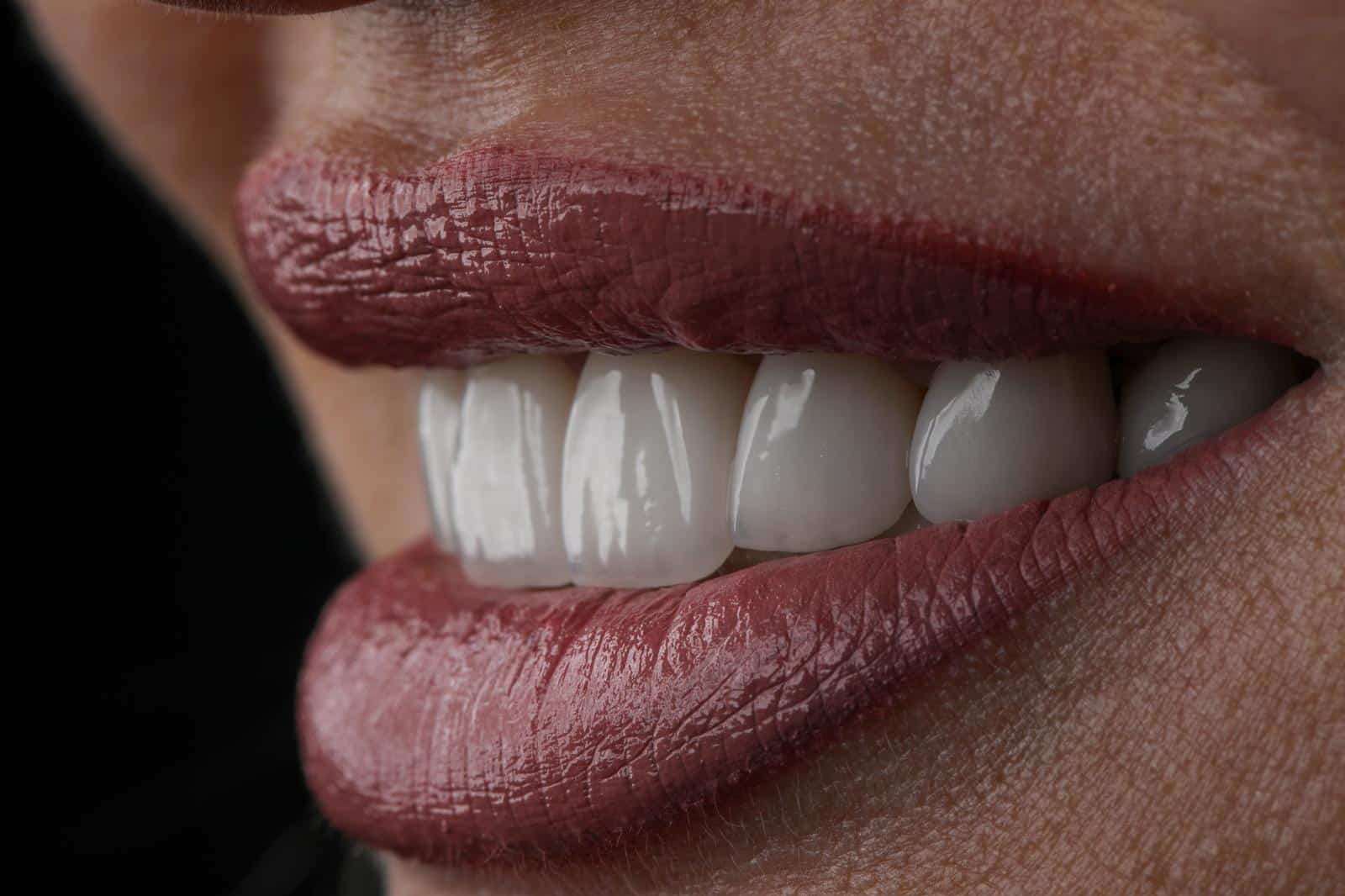
How porcelain veneers work: ideal candidates, the minimal-prep process, materials, lifespan, pros and cons, aftercare and indicative cost in Turkey.
dental
Laminate Veneers in Turkey
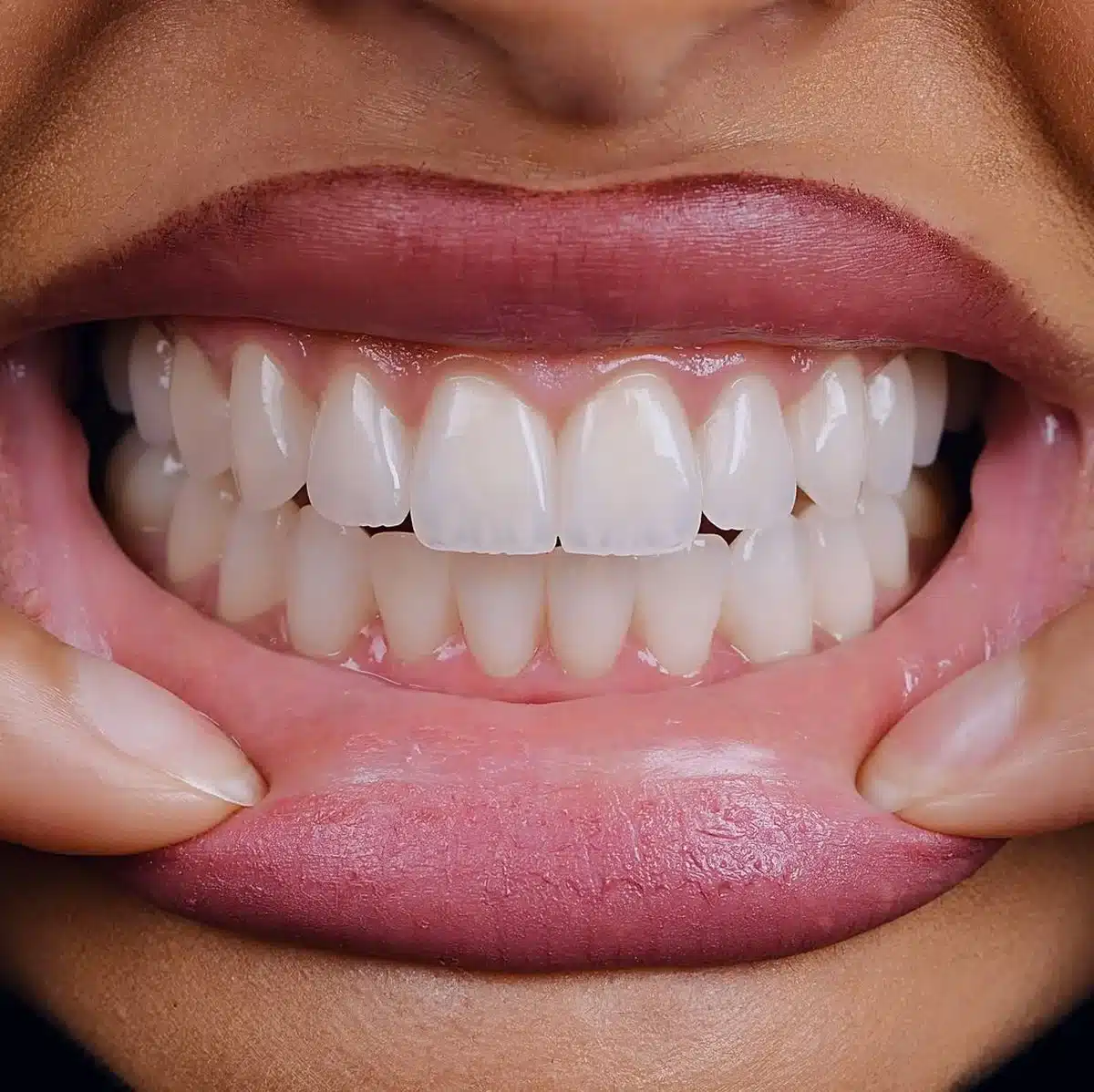
Ultra-thin porcelain veneers (as little as 0.2 mm) that require minimal tooth preparation. Preserve more natural enamel while achieving a stunning cosmetic result.
cosmetic-dentistry
Porcelain Veneers vs Composite Bonding: Durability, Aesthetics & Value Comparison
A practical comparison of porcelain veneers and composite bonding: when each is appropriate, longevity differences, maintenance requirements, and the true cost per year of each option.
Treatment Guide
How Many Veneers Do I Need? A Smile-Zone Planning Guide
How many veneers you actually need: the smile zone, common 4–10+ configurations, matching vs uniform sets, and why the right number comes from photos.
Plan the next step clearly
Use this page as a decision-support guide, then move into quote review, treatment comparison, and travel planning with coordinator support.
Decision Context
Patients compare this treatment inside the trip around it
Treatment pages perform better when they acknowledge arrival flow, destination trust, and the recovery rhythm patients are trying to visualise before booking.

The provider decision starts with arrival confidence
Patients compare treatment pages while also asking how first-day logistics, transfers, and scheduling will actually work.

The destination still influences medical trust
A treatment page is stronger when it recognises that the city itself remains part of the decision frame for international patients.

Recovery pacing changes how people evaluate options
Different procedures feel more or less realistic depending on how patients picture the slower hours between appointments.