Medically reviewed by Op. Dr. Gökhan Efe, Op. Dr.: Plastic, Reconstructive & Aesthetic Surgery. Last reviewed March 2026
Breast Reduction Surgery in Turkey: Procedure, Recovery and Planning
- TEMOS-accredited clinics
- JCI-accredited hospitals
- Board-certified surgeons and a licensed clinical team
- 3,000+ international patients treated
A NexWell guide for patients considering breast reduction surgery in Turkey, covering medical indications, surgical techniques, recovery expectations, cost comparison and what to verify when choosing a plastic surgery clinic.
Written quote from a NexWell coordinator, usually within 24 hours.
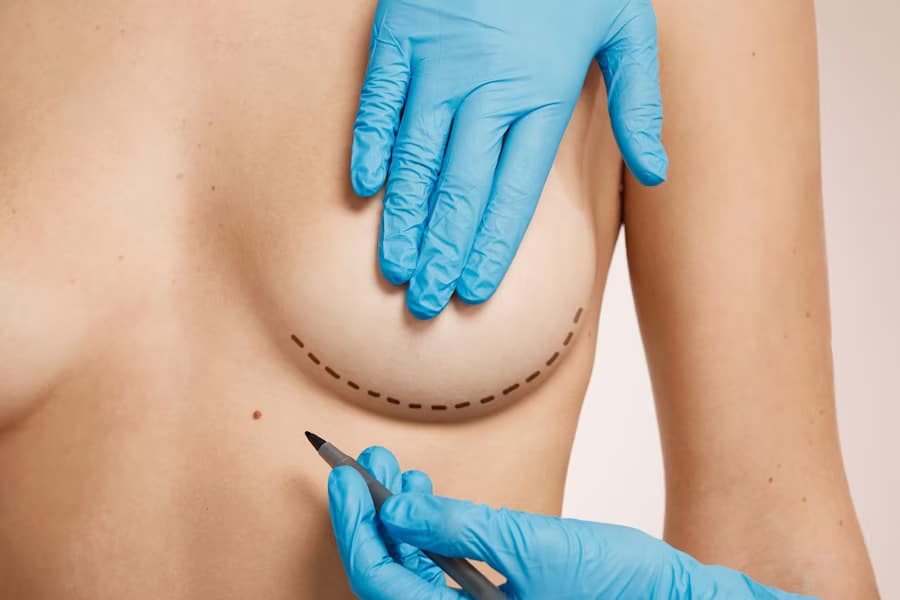
Quick answer
Breast reduction surgery in Turkey costs $3,200–$5,000 all-inclusive of surgeon fee, anaesthesia, hospital care and post-operative garments, around 60% less than the UK's $8,250–$13,950 (2026). Adding lift refinement runs $3,800–$5,800. Some patients qualify for NHS or insurance coverage at home when a functional indication is documented, which changes the calculation.
What Breast Reduction Surgery Addresses and Who Requests It
Breast reduction surgery, or reduction mammoplasty, removes excess breast tissue, fat and skin to achieve a breast size that is better proportioned to the patient's body and that relieves the physical symptoms associated with disproportionately large breasts.
The most common physical complaints that motivate breast reduction surgery are chronic neck, shoulder and upper back pain caused by the weight of the breasts; bra strap grooving and skin irritation under the breast fold; postural problems; difficulty exercising; and recurrent rashes or skin infections in the inframammary fold.
Breast reduction is also sought for aesthetic reasons, particularly where asymmetry, breast ptosis or volume disproportionate to the patient's frame is causing psychological distress. The procedure simultaneously lifts the breasts to a higher position on the chest wall, which is often as important to patients as the volume reduction itself.
Breast reduction is also sought for aesthetic reasons, particularly where asymmetry, breast ptosis or volume disproportionate to the patient's frame is causing psychological distress.
Surgical Techniques for Breast Reduction: How Surgeons Approach Different Cases
The most widely used technique for breast reduction is the inferior pedicle or Wise-pattern reduction, which creates an anchor or inverted-T shaped scar pattern. This technique is reliable across a wide range of reduction volumes and nipple repositioning distances, and is commonly used for larger reductions.
The vertical or lollipop scar technique is favoured for moderate reductions where the surgeon can limit scarring to a circle around the areola and a vertical line to the breast fold. The result is a slightly less extensive scar than the anchor pattern but requires appropriate case selection to achieve adequate reshaping.
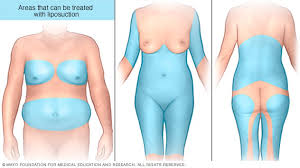
The periareolar technique produces scarring limited to the areolar border and is suitable for smaller reductions or primarily reshaping cases. For patients with disproportionate fat-to-glandular tissue ratios, a component of liposuction may be added to refine the lateral breast contour.
The appropriate technique depends on the initial breast size, degree of ptosis, desired reduction volume and nipple position. Patients should expect the surgeon to explain the recommended technique and scar pattern clearly before consent.
Treatment Plan
Ready for a written Breast Reduction Surgery in Turkey: Procedure, Recovery and Planning quote?
A NexWell coordinator reviews your case and replies with a personalised treatment plan and indicative pricing — usually within 24 hours.
Recovery After Breast Reduction Surgery: What to Expect
Most patients undergoing breast reduction in Turkey remain in the country for seven to ten days. The first two days post-operatively are spent in the clinic or hospital. Surgical drains are typically removed on day one or two. A surgical bra is worn continuously for the first weeks.
By days three to five most patients are ambulatory and able to manage personal care activities. Mild to moderate discomfort, swelling and bruising are expected and typically peak in the first three to four days before progressively improving.
Return to desk-based work is often possible after two to three weeks. Exercise is restricted for four to six weeks, with gradual return guided by how healing incisions feel under tension. Upper body exercise and arm raising above shoulder height are typically avoided for the first four weeks.
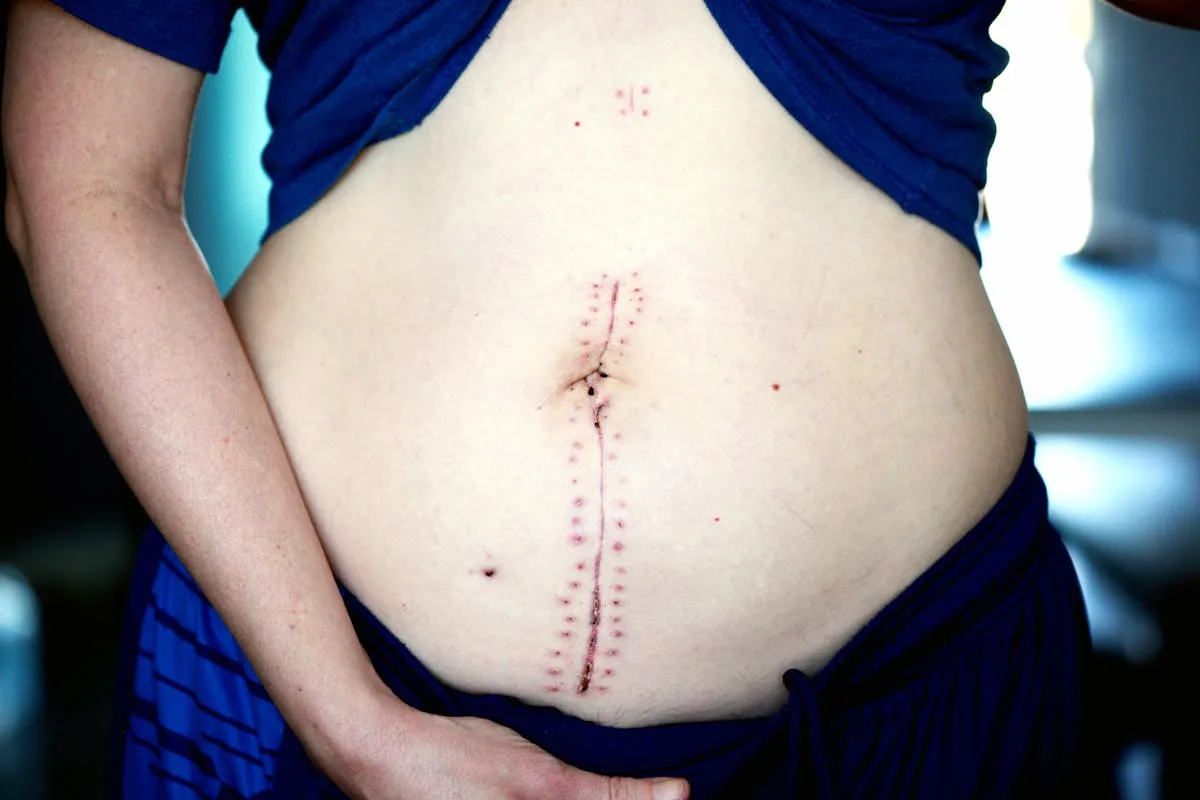
Scar appearance evolves considerably over twelve to eighteen months. Initial scars are pink and raised. With appropriate scar management including silicone sheeting or gel from around week four, most patients achieve flat, pale scars that are acceptable in the context of the overall result.
Breast Reduction Surgery Cost in Turkey Versus the UK and USA
Breast reduction surgery in Turkey typically costs $3,200 to $5,000 all-inclusive, covering surgeon fee, anaesthesia, hospital care, garments and follow-up appointments. In the UK, private breast reduction typically costs between $8,250 and $13,950. In the USA, total costs frequently range from $10,000 to $18,000.
For patients in countries where breast reduction is classified as cosmetic by default and not covered by insurance, Turkey represents savings of $5,000 to $12,000 even after travel and accommodation costs are factored in.
Some patients receive NHS or insurance coverage for breast reduction in their home country where a functional indication can be documented, which changes the economic calculation. Patients should evaluate their domestic coverage options before concluding that medical travel is the only route.
Scarring, Nipple Sensation and Long-Term Expectations
Scarring is an inherent part of breast reduction surgery. Patients should enter the process with a realistic understanding of where scars will be located, how they evolve over twelve to eighteen months, and what scar management contributes to the final appearance.
Minimising final scar visibility requires consistent application of silicone-based scar therapy from approximately four weeks post-operatively, avoidance of sun exposure on healing incisions for at least twelve months and following the clinic's wound care protocol carefully in the first weeks.
Nipple and breast sensation changes are expected after breast reduction. Most patients retain adequate sensation, though numbness or hypersensitivity immediately post-operatively is common and usually resolves over three to six months. In some cases, particularly larger reductions, altered sensation may be longer-lasting. This should be discussed explicitly during the surgical consultation.
Breastfeeding capability may be reduced after breast reduction, particularly with techniques that involve glandular tissue resection. Patients who anticipate future pregnancies should discuss this consideration with the surgeon before deciding on timing.
How NexWell Evaluates a Breast Reduction Plan Before Recommending a Clinic
NexWell evaluates breast reduction proposals by examining surgical technique clarity, whether the surgeon can explain the planned scar pattern for the specific case, how the surgical team handles post-operative complications, and whether aftercare coordination for international patients is genuinely supported.
We also look at whether the initial consultation includes a thorough medical history review, whether the surgeon discusses functional indications alongside aesthetic goals, and whether realistic outcomes for scarring, sensation and healing timeline are communicated before the patient commits.
For patients who are appropriate candidates and whose expectations are realistically calibrated, breast reduction in Turkey can deliver excellent results at a fraction of the cost of equivalent treatment in Western Europe or North America.
Questions to Confirm Before Booking Breast Reduction Surgery in Turkey
Breast reduction outcomes hinge on details a brochure won't cover. Get written answers on:
- Which surgical technique and scar pattern is planned and why is it appropriate for this case?
- What is the surgeon's documented individual case volume in reduction mammoplasty?
- How many nights of in-patient care are included?
- What is the surgical bra and post-operative garment protocol?
- What scar management programme is recommended and when does it start?
- What is the policy if a haematoma, infection or wound healing issue develops after return home?
- Are drains used and if so when are they typically removed?
- What are the restrictions on flying, upper body exercise and work return?
- Does the clinic provide a full post-operative record for the patient's home GP?
Confirming scar management, drain protocol and post-operative garment details before booking is what gives a patient realistic expectations and a supported recovery plan.
Breast Reduction Turkey Cost - 2026
| Procedure | Turkey | UK | USA |
|---|---|---|---|
| Breast Reduction | $3,200-$5,000 | $8,250-$13,950 | $8,500-$16,000 |
| Breast Reduction + Lift Refinement | $3,800-$5,800 | $9,550-$15,900 | $10,000-$18,000 |
Indicative private-patient pricing including surgeon, hospital, and routine early follow-up.
Vetted partner network
NexWell coordinates with TEMOS-accredited clinics or Ministry of Health–licensed facilities in Turkey.
Board-certified review
Content reviewed by Op. Dr. Gökhan Efe — Plastic, Reconstructive & Aesthetic Surgery (Türkiye).
No obligation
Get your Breast Reduction Surgery in Turkey: Procedure, Recovery and Planning plan
Send your case and a coordinator returns a written plan and an indicative quote — usually within a day.
Questions Patients Ask Before They Commit
Related reading

aesthetic-surgery
Breast Augmentation in Turkey
Using the latest silicone and cohesive gel implants from Mentor, Allergan Natrelle, and Motiva. Board-certified surgeons achieve natural-looking results at a fraction of the cost charged in the USA or UK.
aesthetic-surgery
Tummy Tuck in Turkey
A tummy tuck removes excess skin and fat from the abdomen while tightening the underlying muscles. Turkey offers the same surgical outcomes as Western Europe at 60–70% lower cost.
aesthetic-surgery
Mommy Makeover in Turkey
Combine tummy tuck, breast surgery, and liposuction in a single Istanbul visit. Restore your pre-pregnancy body at 60–70% less than UK or US prices.
Plan the next step clearly
Use this page as a decision-support guide, then move into quote review, treatment comparison, and travel planning with coordinator support.
Decision Context
Patients compare this treatment inside the trip around it
Treatment pages perform better when they acknowledge arrival flow, destination trust, and the recovery rhythm patients are trying to visualise before booking.

The provider decision starts with arrival confidence
Patients compare treatment pages while also asking how first-day logistics, transfers, and scheduling will actually work.

The destination still influences medical trust
A treatment page is stronger when it recognises that the city itself remains part of the decision frame for international patients.
Recovery pacing changes how people evaluate options
Different procedures feel more or less realistic depending on how patients picture the slower hours between appointments.