Weight Loss & Obesity Surgery in Turkey
Laparoscopic gastric sleeve and gastric bypass by Op. Dr. Mesut Çaynak, a Master Surgeon in Metabolic & Bariatric Surgery with more than 3,800 obesity surgery procedures, in Antalya or Istanbul. His team reviews your height, weight and health history first and decides whether surgery is appropriate for you. A coordinator stays with you after you fly home.
 Surgery at a JCI-accredited hospital
 TEMOS-accredited hospital
 SRC-accredited Master Surgeon
- One of only 7 SRC-listed bariatric surgeons in Turkey
- 3,800+ obesity surgery procedures
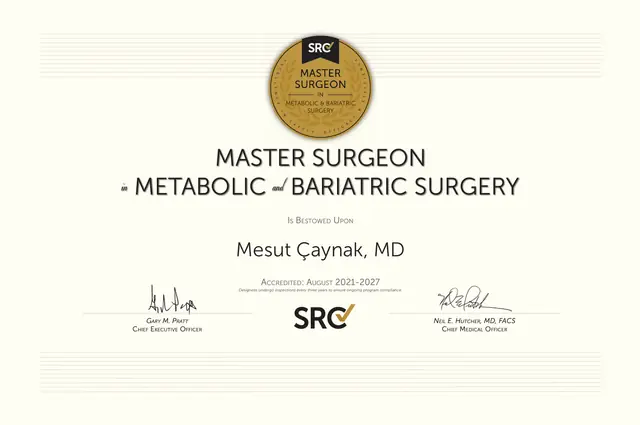
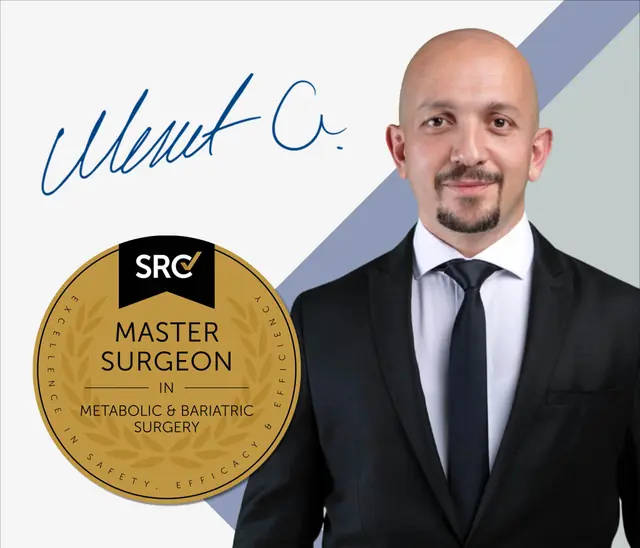 Surgical Review CorporationMaster Surgeon, Metabolic & Bariatric SurgeryAccredited Aug 2021 – 2027
The surgeon's team reviews your height, weight and health history. No obligation. SRC accreditation can be verified on SRC's site.
A NexWell patient's trip, and Dr. Çaynak's patients
Individual results vary.
The surgeon's team reviews your height, weight and health history. No obligation. SRC accreditation can be verified on SRC's site.
As featured in






Coverage of Dr. Çaynak's work.
Credentials
Accreditation you can check yourself
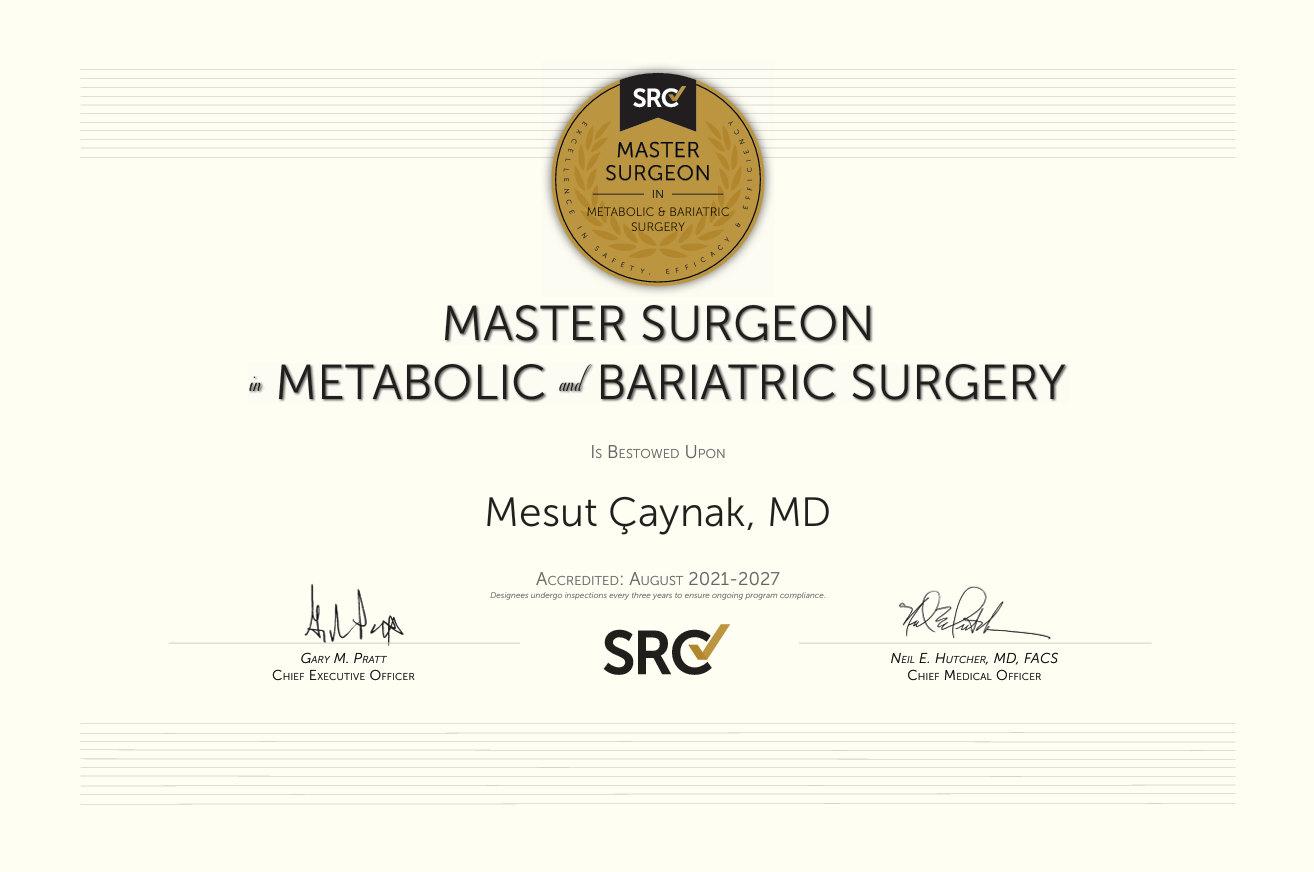
Surgical Review Corporation (SRC) certificate for Op. Dr. Mesut Çaynak, accredited August 2021–2027. Tap the certificate to enlarge it.
Source for “one of only 7 SRC-listed bariatric surgeons in Turkey”: SRC accredited providers list.
Weight loss surgery in Turkey: who qualifies
“Am I a candidate for weight loss surgery?” is the first question most patients ask. Dr. Çaynak explains that eligibility is judged by international standards, based on your BMI together with weight-related conditions such as type 2 diabetes or high blood pressure.
The surgeon makes the final decision after reviewing your own height, weight and health history.
Turkish audio · English subtitles
Key facts
Gastric sleeve and bypass in Turkey are performed laparoscopically by Op. Dr. Mesut Çaynak, an SRC-accredited Master Surgeon, at ASV Yaşam Hospital. Your all-inclusive quote, covering surgery, hospital stay, hotel and airport transfers, comes in writing after the surgeon reviews your case. Flights are not included. Weight-loss surgery is generally for adults whose BMI and weight-related conditions make it appropriate.
- Procedures
- Gastric sleeve, gastric bypass
- Surgeon
- Op. Dr. Mesut Çaynak, SRC-accredited Master Surgeon
- Hospital
- ASV Yaşam Hospital, Antalya (JCI-accredited)
- Reviewed by
- Op. Dr. Mesut Çaynak (bariatric surgeon)
- Aftercare
- 12 months remote follow-up
Weight loss surgery abroad: four things in writing
- 1
Who operates. Your surgery is performed by Op. Dr. Mesut Çaynak, a bariatric surgeon in Antalya.
- 2
What the package covers. One package covers pre-operative tests, laparoscopic surgery, 3 nights in the hospital, hotel accommodation, anesthesia, dietitian consultations, medications and airport–hospital transfers. Flights are yours.
- 3
Who answers after you fly home. 12 months of remote follow-up with a dietitian.
- 4
Who we say no to. Patients for whom surgery isn't appropriate. The surgeon decides after reviewing your case.
We don't operate on everyone.
Weight-loss surgery is not right for every patient. Eligibility depends on your BMI, overall health and readiness for lifestyle change. A coordinator arranges a remote assessment, and the surgeon decides whether you qualify.
Check if you qualifyVideo · 0:48
What is the safest bariatric surgery?
Dr. Çaynak explains why the surgeon and the hospital matter more than the choice of procedure. He talks about operating with an experienced surgical team in a well-equipped hospital.
You can meet him in an online consultation before you book travel.
Online consultation with the surgeonBefore and after, from Dr. Çaynak's practice
Patients of Dr. Çaynak. Results vary, and these images don't predict yours.
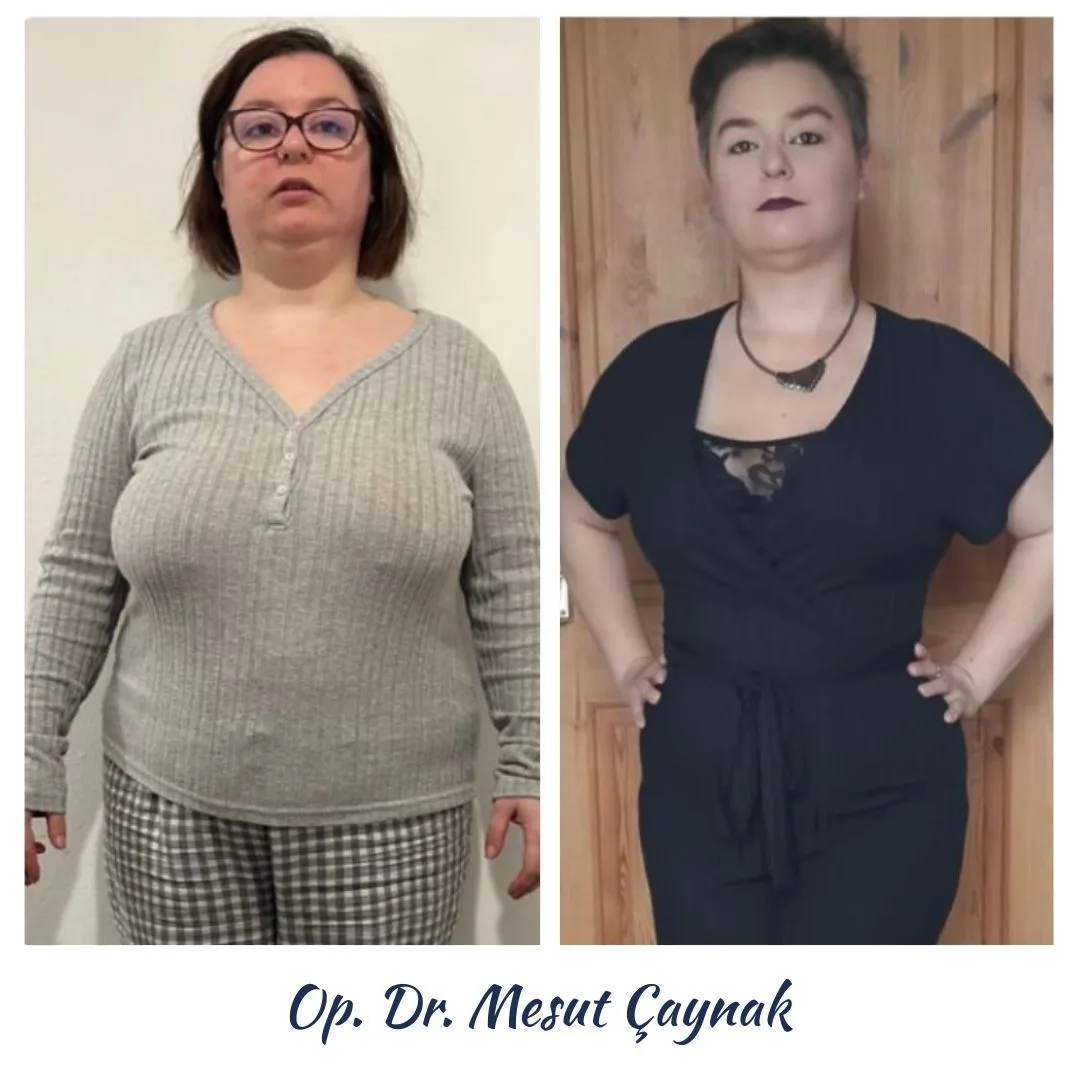
Patient of Op. Dr. Çaynak
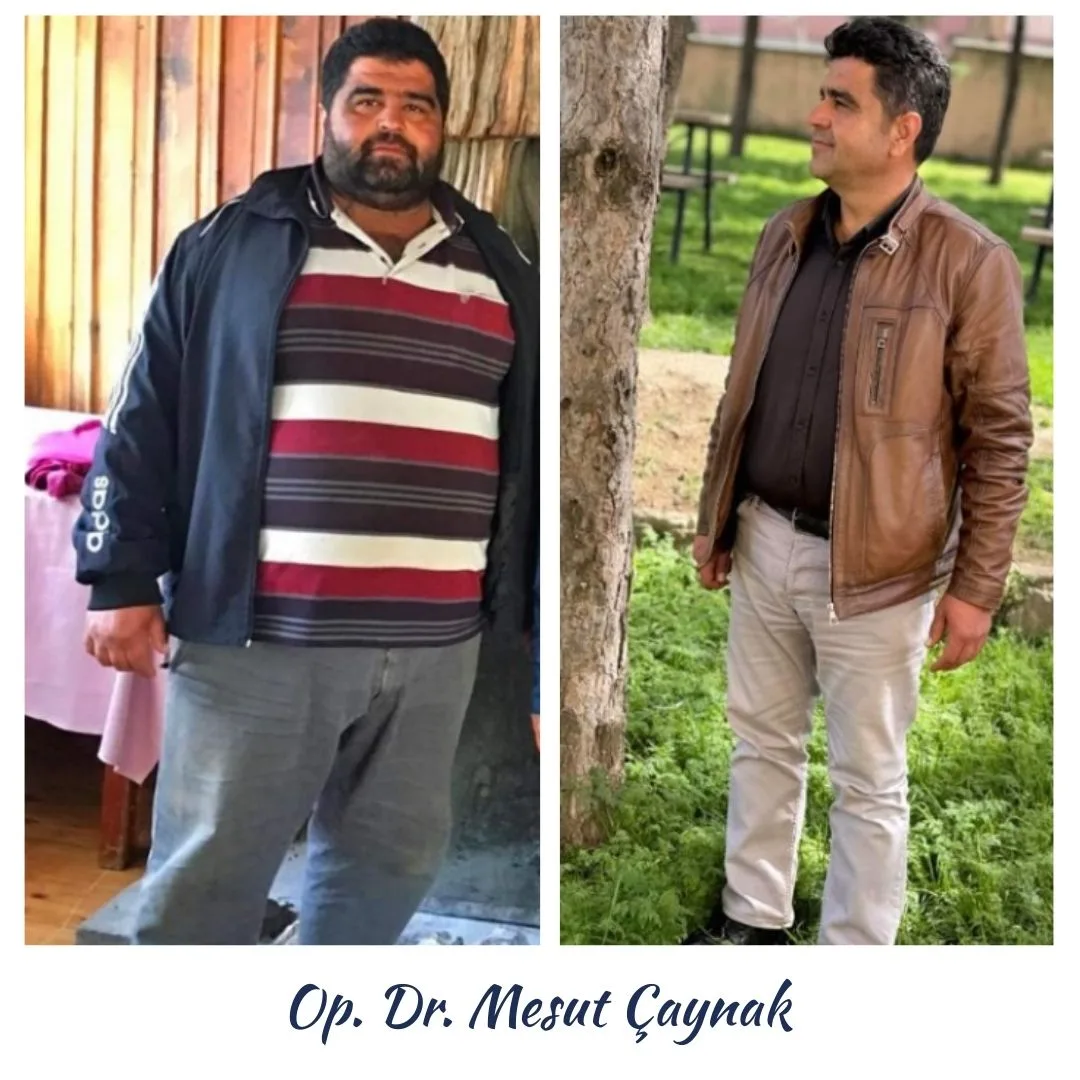
Patient of Op. Dr. Çaynak
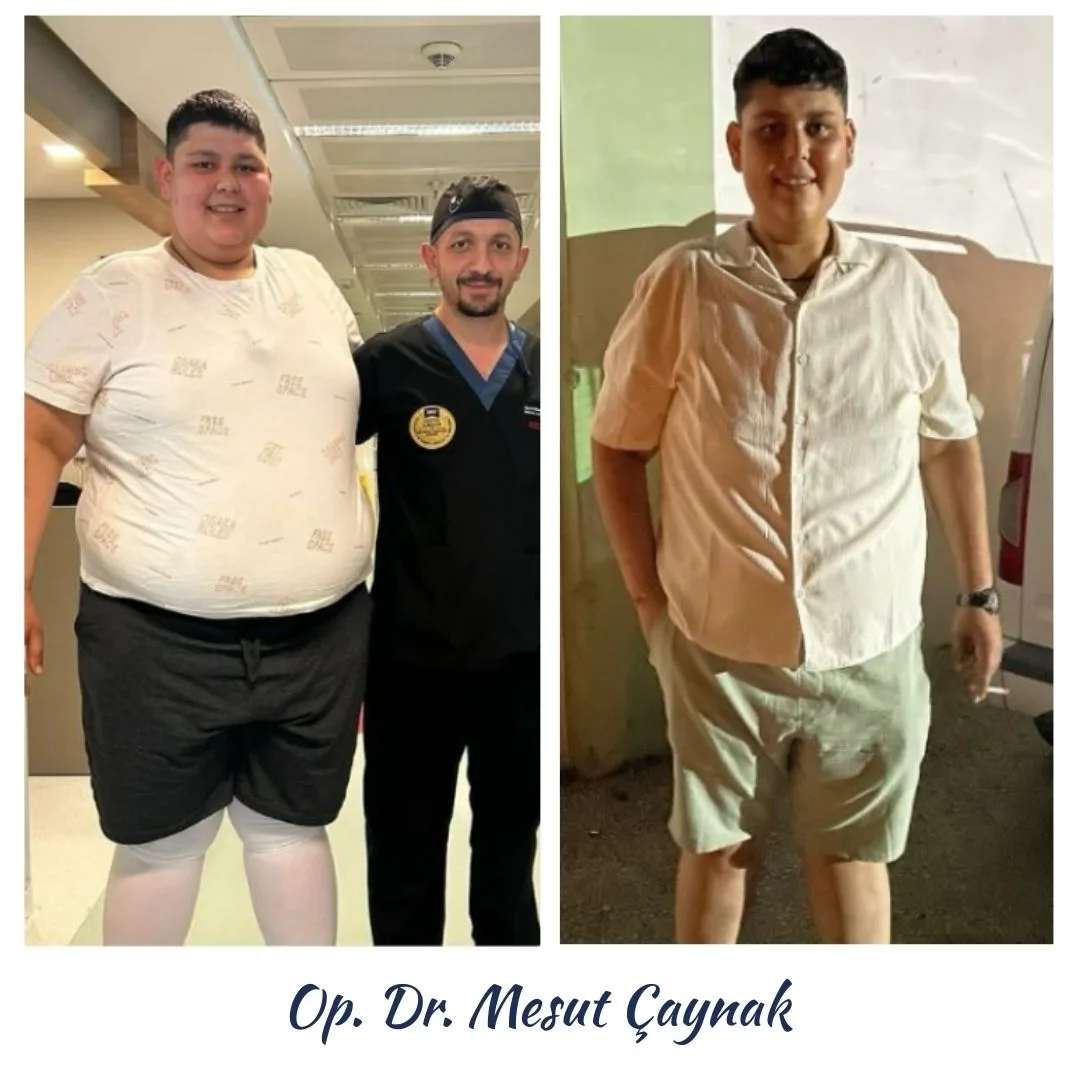
Patient of Op. Dr. Çaynak
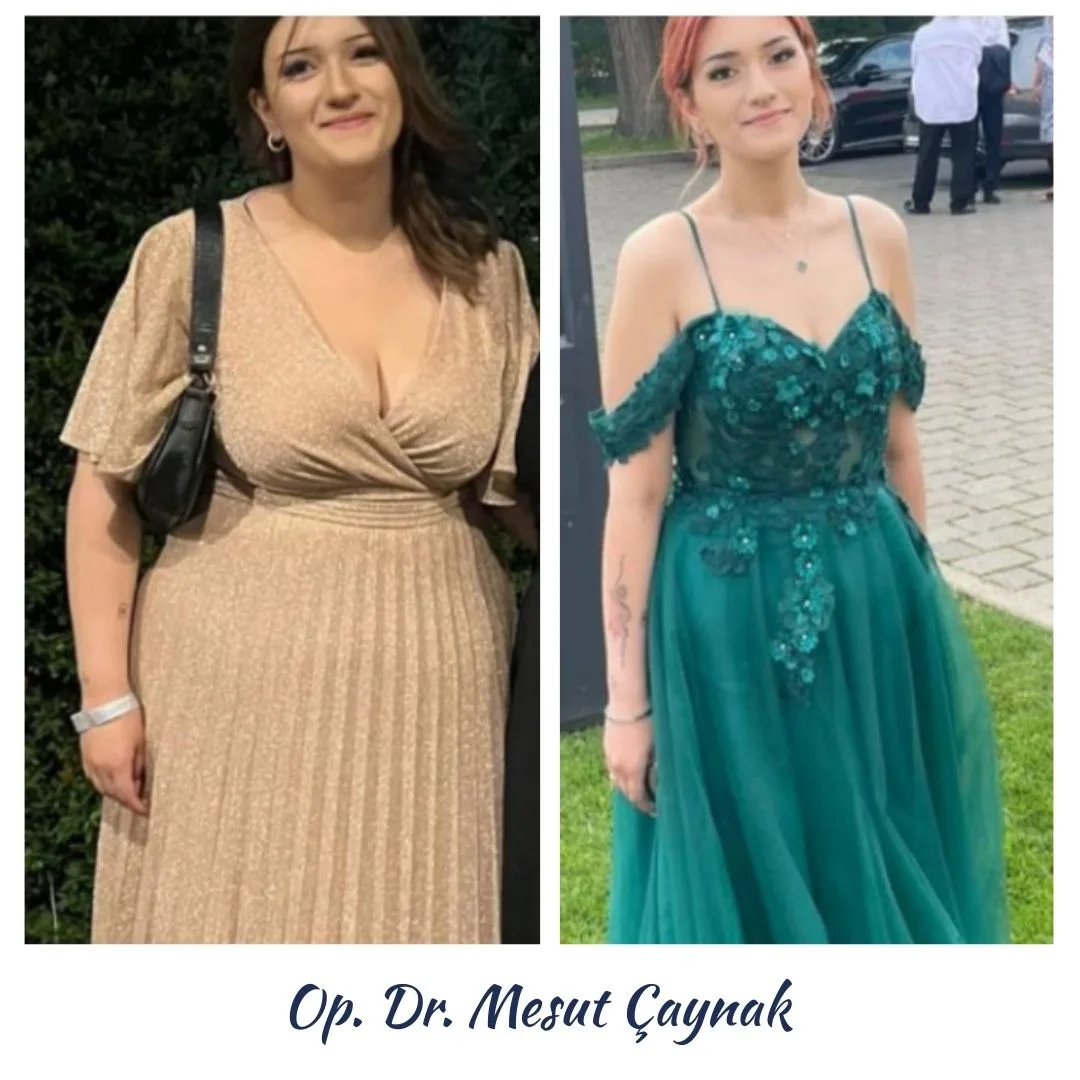
Patient of Op. Dr. Çaynak
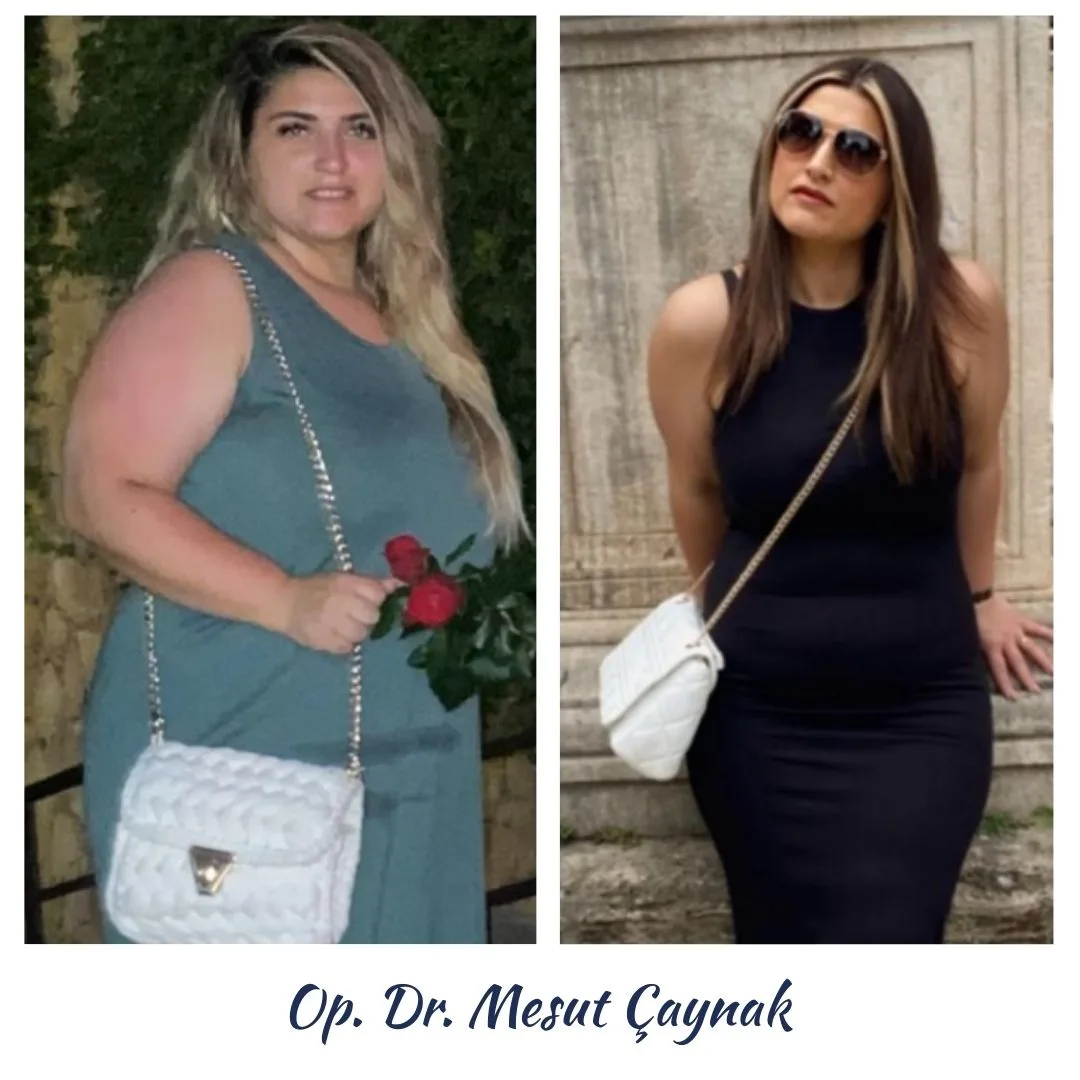
Patient of Op. Dr. Çaynak
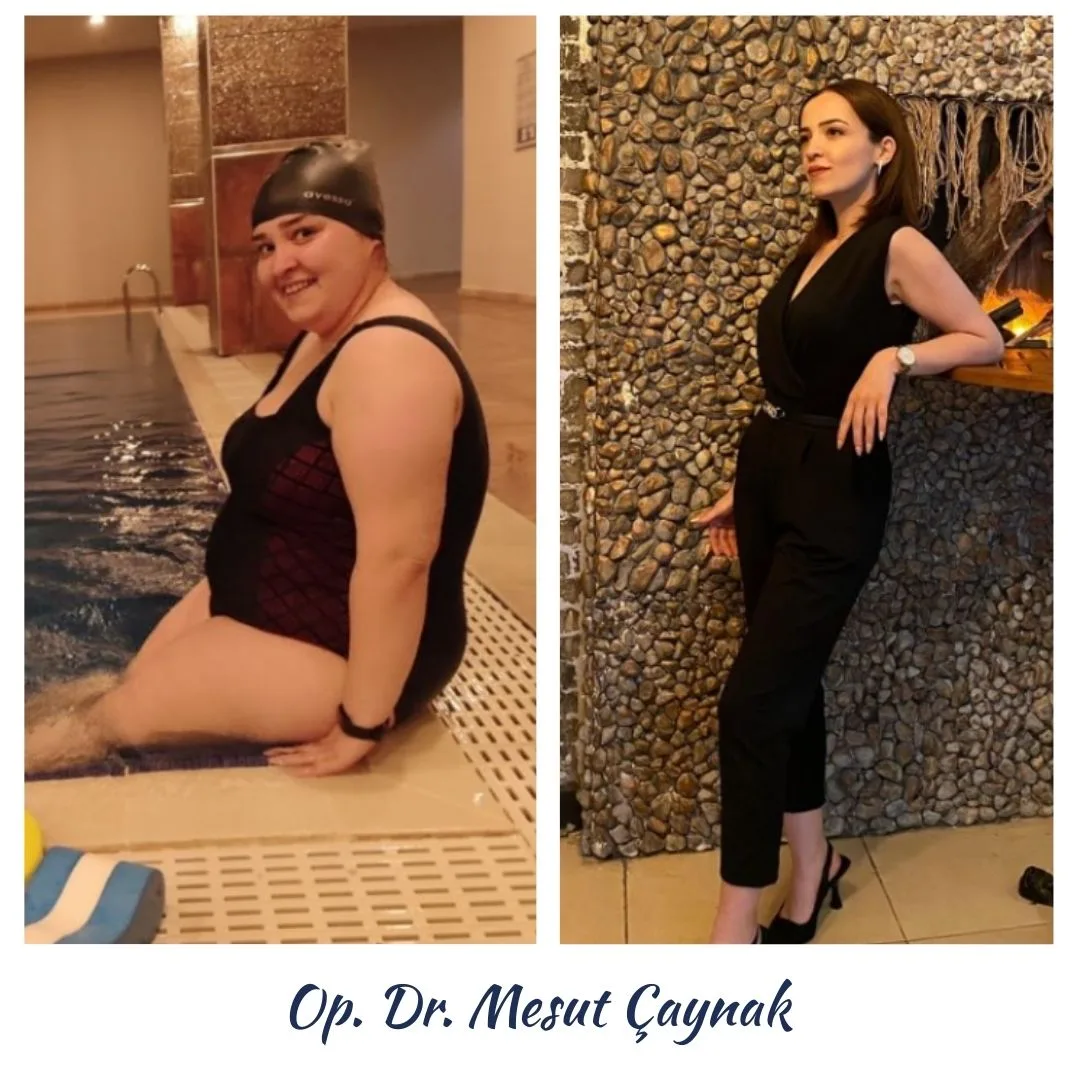
Patient of Op. Dr. Çaynak
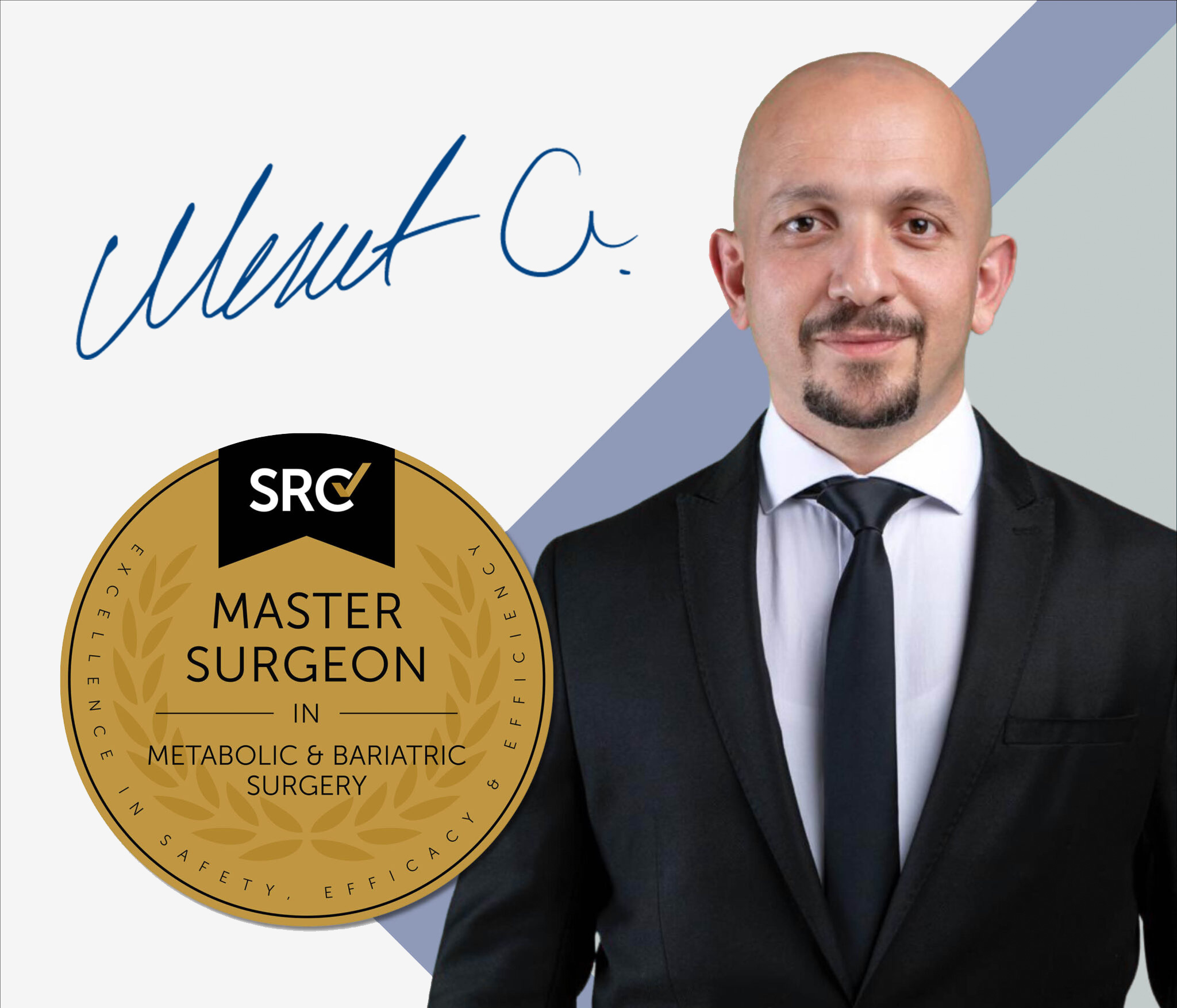
Your surgeon: Op. Dr. Mesut Çaynak
He has been an SRC-accredited Master Surgeon in Metabolic & Bariatric Surgery since 2021, according to the Surgical Review Corporation (SRC). He has performed more than 3,800 obesity surgery procedures over the past decade.
He works with a team that includes a gastroenterological surgeon and two dietitians (Prof. Dr. İsmail Gömceli; Dt. Ece Eyiler and Dt. Melis Çivril).
Surgery takes place at ASV Yaşam Hospital in Antalya, which is accredited by Joint Commission International (JCI). Dr. Çaynak also operates in Istanbul.
His SRC certificate is shown in the credentials section above. Verify on SRC
Obesity surgery in Turkey: sleeve, bypass or revision
Gastric sleeve in Turkey
The most common procedure. Part of the stomach is removed, which reduces capacity and hunger hormones.
See gastric sleeve →Gastric bypass in Turkey
The stomach is made smaller and the intestine rerouted. Often considered for higher BMI or type 2 diabetes, and more involved than a sleeve.
See gastric bypass →Sleeve vs bypass: which one?
A side-by-side comparison of the two most common procedures.
Compare →Revision surgery
For patients whose earlier weight-loss surgery needs to be corrected or converted. The surgeon reviews your records first; the price depends on your case, so there is no fixed price.
See revision surgery →Bariatric surgery in Turkey: JCI-accredited ASV Yaşam Hospital
Sleeve and bypass are done laparoscopically: through several small incisions rather than one large cut. Surgery takes place at ASV Yaşam Hospital in Antalya, a JCI-accredited hospital. Your package includes 3 nights in the hospital. The surgeon decides when you are cleared to fly, typically around day 5–7 for most patients.
- METHOD
- Laparoscopic
- HOSPITAL
- ASV Yaşam Hospital, Antalya (JCI-accredited)
- HOSPITAL STAY
- 3 nights (package)
- FLY-HOME CLEARANCE
- Surgeon decides, usually day 5–7
Weight loss surgery overseas: Antalya or Istanbul
Dr. Çaynak operates at ASV Yaşam Hospital in Antalya, on Turkey's Mediterranean coast, and he can also operate in Istanbul. Your coordinator confirms the city and hospital when you get your quote. Antalya is usually reached by connecting through Istanbul. Turkey is 7 hours ahead of New York in summer and 8 hours ahead in winter, so we schedule calls with that in mind.
ASV Yaşam Hospital: Gebizli Mah. 1116 Sk No:4, Muratpaşa/Antalya, Turkey (listed by the Antalya Provincial Health Directorate).
Recovery and preparation. Preparation starts weeks ahead: the surgeon's team tells you what to do before the operation, and what to expect after.
Gastric sleeve or bypass abroad: from first message to flying home
STEP 1 · YOU ARE HERE
Send your details. Height, weight and health history. Photos or lab results are optional.
STEP 2
Surgeon-level review. Dr. Çaynak's team reviews your case in an online consultation. A physician, not a salesperson, decides if you qualify.
STEP 3
Written quote. You get a personal, all-inclusive quote within 24 hours, in writing.
STEP 4
Dates and travel. We book the hospital stay, hotel and transfers; you book flights.
STEP 5
Surgery in Antalya or Istanbul. Pre-operative tests, then laparoscopic surgery, then 3 nights in the hospital.
STEP 6
Follow-up at home. 12 months of remote check-ins with a dietitian.
Bariatric medical tourism: how to prepare for surgery
Dr. Çaynak explains that obesity is a serious health condition, not a cosmetic one, and walks through what happens before and after the operation. He also covers the pre-operative tests and the steps your team asks you to take in advance.
Turkish audio · English subtitles
Bariatric surgery cost: Turkey quote vs US range
After the surgeon reviews your case, you receive one written, all-inclusive quote covering tests, surgery, hospital stay, hotel, medications, dietitian visits and airport transfers. Flights are not included. NIDDK, the US National Institutes of Health institute, says weight-loss surgery can cost $15,000 to $25,000 or more in the United States. Your exact price depends on the procedure and your case.
| Item | Gastric sleeve or bypass, Turkey (NexWell package) | Weight-loss surgery, United States (self-pay) |
|---|---|---|
| Price | Personal quote after your surgeon's assessment, flights not included. See the price list | $15,000–$25,000 USD or more |
| Source | Written quote from NexWell after the surgeon's review | NIDDK, “Definition & Facts of Weight-Loss Surgery” (page last reviewed Sept. 2020) |
Not an apples-to-apples comparison: the NIDDK range covers weight-loss surgery in general, not only sleeve gastrectomy, and varies by procedure and complications. Prices in US dollars; flights are not included in the Turkey package.
- Included: pre-operative tests, laparoscopic surgery, anesthesia, 3 nights in the hospital, hotel accommodation, dietitian consultations, first-month medications, compression stockings, airport transfers, 12-month remote follow-up.
- Not included: flights. The package price does not include your flights.
- Gastric bypass and sleeve are quoted after the same surgeon assessment.
- Revision surgery has no fixed price: it depends on your case and is quoted after the surgeon reviews your records.
Bariatric surgery abroad: 12 months of follow-up
- Remote check-ins with a dietitian for 12 months.
- Weight-loss surgery means lifelong changes: a new way of eating and vitamin supplements. Your dietitian and surgeon explain this before you decide.
- If you have severe pain, fever, vomiting you can't stop or trouble breathing after you return, go to your nearest emergency room and tell them about your surgery. Don't wait for an online reply.
- Once your weight stabilizes, we can coordinate excess-skin removal (body contouring), a separate procedure.
Obesity surgery in Turkey: common questions
Who performs the surgery?
Your surgeon is Op. Dr. Mesut Çaynak, a bariatric surgeon. He has been an SRC-accredited Master Surgeon in Metabolic & Bariatric Surgery since 2021 and has performed more than 3,800 obesity surgery procedures. Surgery takes place at ASV Yaşam Hospital, Antalya (JCI-accredited) or, in some cases, in Istanbul.
Am I eligible for weight-loss surgery?
Weight-loss surgery is generally considered for adults whose BMI and weight-related health conditions, such as type 2 diabetes or high blood pressure, make it appropriate. Eligibility also depends on your overall health and readiness for lifestyle change. A coordinator arranges a remote assessment, and the surgeon decides whether you qualify.
How much does gastric sleeve cost in Turkey compared with the US?
Your price in Turkey is a personal, written, all-inclusive quote after the surgeon reviews your case; it includes surgery, hospital stay, hotel and airport transfers. Flights are not included. NIDDK says weight-loss surgery in the US can cost $15,000 to $25,000 or more, depending on the procedure. Package prices are also listed on our price list page.
How long is the flight, and when can I fly home?
Most US itineraries connect through Istanbul, so flight time depends on your departure city. After surgery the surgeon decides when you are cleared to fly, usually around day 5–7. Longer itineraries can mean waiting a few extra days.
Is it safe?
Every surgery carries risks, including bleeding, infection and blood clots. Outcomes depend on a thorough pre-operative assessment, the surgeon's experience and follow-up care. We cannot promise results. Dr. Çaynak's team reviews your case first and can decline you if surgery isn't appropriate.
What about follow-up after I'm home?
You get 12 months of remote follow-up with a dietitian. Weight-loss surgery requires lifelong dietary changes and vitamin supplements. If you have severe symptoms at home, go to your nearest emergency room.
Do you offer revision surgery?
Yes. Revision surgery is for patients whose earlier weight-loss surgery needs to be corrected or converted. Whether it is possible, and what it costs, depends on your case, so there is no fixed price. Send your records and the surgeon's team reviews them before quoting.
What does the package cover?
The package covers tests, surgery, anesthesia, 3 nights in the hospital, hotel accommodation, dietitian visits, first-month medications, compression stockings and airport transfers. It does not cover flights. You get your exact quote in writing before you decide.
Gastric sleeve or gastric bypass: which is right for me?
Which one fits depends on your health: bypass is often considered when metabolic disease such as type 2 diabetes is present, and sleeve when obesity is the main issue. Dr. Çaynak explains his view in the video below, and your surgeon recommends one after reviewing your case.
More information
Medically reviewed by Op. Dr. Mesut Çaynak, General Surgeon, Metabolic & Bariatric Surgery. Last reviewed October 2026
Get your quote within 24 hours
Tell us your height, weight and any health conditions. Dr. Çaynak's team reviews your case and replies with a written, all-inclusive quote within 24 hours. Prefer to talk first? Request an online consultation with the surgeon.
A physician reviews your case. No obligation.
Send your current weight, height and any reports you have. The surgeon reviews them and you get a written plan within 24 hours.
For information only, not medical advice. Surgery carries risks, and results vary. See our editorial policy and medical disclaimer. NexWell is a health tourism agency (Nexwell Global Solutions FZCO, Dubai); the surgery is performed by an independent surgeon at ASV Yaşam Hospital in Antalya or a hospital in Istanbul.