BBL Recovery Timeline: Sitting, Sleeping and When You Actually Heal
A week-by-week guide to Brazilian Butt Lift recovery: why the no-sitting rule exists, how to sleep, when you can fly, drive and exercise, and how the recovery period is managed when you have a BBL in Turkey.
- JCI-accredited hospitals
- TEMOS-accredited clinics
- Board-certified surgeons and a licensed clinical team
- 3,000+ international patients treated
- 5-star chain hotel accommodation
- VIP airport transfers
Written quote from a NexWell coordinator, usually within 24 hours.

Written quote from a NexWell coordinator, usually within 24 hours.
Quick answer
A week-by-week guide to Brazilian Butt Lift recovery: why the no-sitting rule exists, how to sleep, when you can fly, drive and exercise, and how the recovery period is managed when you have a BBL in Turkey.
Why the No-Sitting Rule Exists
The single defining feature of Brazilian Butt Lift recovery is that you cannot put direct pressure on your buttocks for roughly six to eight weeks. This is not an arbitrary comfort guideline. It is the mechanism that determines how much of your result survives.
A BBL augments the buttocks with your own fat, transferred from donor areas during liposuction. Once injected, that fat has no blood supply of its own. Over the first weeks it must develop new blood vessels from the surrounding tissue, a process called revascularisation. Until that happens, the transferred fat is fragile.
Sustained pressure compresses the tiny new vessels, starves the fat cells, and they die and are reabsorbed.
This is why two patients who had an identical procedure can end up with very different results: the one who followed the positioning protocol keeps more of the transferred volume. Recovery discipline is not separate from the surgery. It is the second half of it. Everything below is built around protecting that fat while it takes hold.
A BBL augments the buttocks with your own fat, transferred from donor areas during liposuction.
BBL Recovery: Week by Week
Days 1–3: You are monitored after surgery, fitted with a compression garment over the donor (liposuction) areas, and started on gentle movement to reduce clot risk. Soreness is concentrated in the donor areas, often more than the buttocks themselves. You rest face-down or on your side.
Days 4–10: Swelling and bruising peak then begin to settle. Short, frequent walks are encouraged; sitting is still avoided. If you had your procedure abroad, this is the window in which you remain near the clinic for post-operative checks before being cleared to travel.
Weeks 2–4: Many people return to desk-based work using a BBL pillow. Bruising fades, the donor areas feel firmer, and daily life resumes, but no gym, no prolonged sitting, no pressure on the buttocks.
Weeks 4–6: The compression garment is usually phased out around this point on your surgeon's advice. Light exercise may be reintroduced gradually.
Months 2–6: Residual swelling resolves and fat retention stabilises. The shape you see at three to six months is close to your final result.
Treatment Plan
Ready for a written BBL Recovery Timeline: Sitting, Sleeping and When You Actually Heal quote?
A NexWell coordinator reviews your case and replies with a personalised treatment plan and indicative pricing — usually within 24 hours.
Sitting and the BBL Pillow
For the first two weeks, the safest approach is to avoid sitting altogether wherever possible: lie prone (face-down) or on your side to rest, and stand or walk rather than sit.
When sitting becomes unavoidable (for meals, travel, or returning to work), a BBL pillow (sometimes sold as a "booty pillow") is used. It is a firm cushion shaped so your weight rests on the backs of your thighs and not on the buttocks, keeping pressure off the transferred fat. Many patients also keep a rolled towel under the thighs as a backup.
There is no universal date at which normal sitting resumes; surgeons typically advise reintroducing it gradually from around week six to eight, still using the pillow for longer sits. Driving follows the same logic: short trips with the pillow once you are off strong pain medication, longer drives later.
The guiding principle throughout is simple: if it presses on the buttocks, it can cost you fat, so protect that area until your surgeon confirms the fat has integrated.
Sleeping, Flying and Returning to Exercise
Sleeping: You sleep on your stomach or your side for the first several weeks. People who have never been front-sleepers usually adapt within a few nights using a pillow under the hips and ankles. Sleeping on your back is reintroduced only once your surgeon confirms the fat has settled.
Flying: If you travel for surgery, the post-operative period before flying is typically planned at seven to ten days so you can be checked and cleared first. On the flight home you use your BBL pillow, keep hydrated, and move your legs regularly to reduce clot risk, the same precautions any post-surgical traveller takes.
The logistics of this recovery window are coordinated for you when you have a BBL in Turkey.
Exercise: Light walking is encouraged from the start. Most surgeons allow gentle cardio from around weeks four to six and a return to full lower-body training (squats, lunges, cycling) only after eight weeks or more. Returning to heavy glute training too early can affect the shape, so this timeline is worth respecting even when you feel ready sooner.
Managing Recovery When You Travel for a BBL
A common and reasonable concern about having a BBL abroad is whether the recovery is properly supported rather than left to chance after surgery. The recovery rules are the same wherever the operation happens. What changes is how the early, critical days are organised.
In a well-run plan, the first phase is structured: post-operative checks while you stay near the clinic, the compression garment and BBL pillow provided, lymphatic massage offered in some packages to help swelling, and a clear written aftercare protocol covering positioning, medication and warning signs. You are only cleared to fly once the team is satisfied with your early healing.
The questions that matter are the same ones that protect any BBL patient: who you can contact after you fly home, what the protocol is if you have a concern, and how follow-up is handled remotely. These belong in the same conversation as surgeon credentials and clinic accreditation, covered in our guide on whether cosmetic surgery in Turkey is safe.
Recovery quality is part of the procedure, not an afterthought, and it is a fair thing to ask about before you book a BBL.
Medically reviewed by Op. Dr. Gökhan Efe, Op. Dr.: Plastic, Reconstructive & Aesthetic Surgery. Last reviewed June 2026
Contracted clinics
NexWell coordinates with TEMOS-accredited clinics or Ministry of Health–licensed facilities in Turkey.
Board-certified review
Content reviewed by Op. Dr. Gökhan Efe — Plastic, Reconstructive & Aesthetic Surgery (Türkiye).
No obligation
Get your BBL Recovery Timeline: Sitting, Sleeping and When You Actually Heal plan
Send your case and a coordinator returns a written plan and an indicative quote — usually within a day.
Questions Patients Ask Before They Commit
Related reading
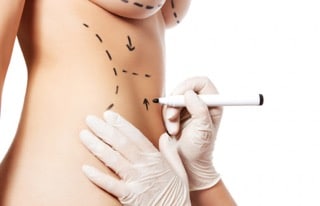
aesthetic-surgery
Brazilian Butt Lift (BBL) in Turkey
Enhance your buttocks using your own body fat with a safety-first approach. Board-certified surgeons at internationally accredited hospitals using advanced fat grafting techniques.
Treatment Guide
How Long Does a BBL Last? Fat Survival and Longevity Explained
What determines how long a Brazilian Butt Lift lasts: fat survival, the 60-80% retention rule, weight changes, and how to make a BBL last.
Treatment Guide
BBL vs Butt Implants: Safety, Longevity and Cost Compared
Brazilian Butt Lift (fat transfer) versus silicone butt implants compared on safety, natural feel, longevity, recovery and cost.

aesthetic-surgery
Liposuction in Turkey
Turkey has become one of the world's leading destinations for liposuction: board-certified plastic surgeons, internationally accredited hospitals, and all-inclusive packages that cost 60–70% less than the UK, US, or Germany.
Plan the next step clearly
Use this page as a decision-support guide, then move into quote review, treatment comparison, and travel planning with coordinator support.
Decision Context
Patients compare this treatment inside the trip around it
Treatment pages perform better when they acknowledge arrival flow, destination trust, and the recovery rhythm patients are trying to visualise before booking.
The provider decision starts with arrival confidence
Patients compare treatment pages while also asking how first-day logistics, transfers, and scheduling will actually work.

The destination still influences medical trust
A treatment page is stronger when it recognises that the city itself remains part of the decision frame for international patients.
Recovery pacing changes how people evaluate options
Different procedures feel more or less realistic depending on how patients picture the slower hours between appointments.