How Long Does a BBL Last? Fat Survival and Longevity Explained
What determines how long a Brazilian Butt Lift lasts: the science of fat survival, the 60–80% retention rule, how weight changes affect results, and what you can do to make your BBL last as long as possible.
- JCI-accredited hospitals
- TEMOS-accredited clinics
- Board-certified surgeons and a licensed clinical team
- 3,000+ international patients treated
- 5-star chain hotel accommodation
- VIP airport transfers
Written quote from a NexWell coordinator, usually within 24 hours.

Written quote from a NexWell coordinator, usually within 24 hours.
Quick answer
What determines how long a Brazilian Butt Lift lasts: the science of fat survival, the 60–80% retention rule, how weight changes affect results, and what you can do to make your BBL last as long as possible.
Is a BBL Permanent?
The honest answer is: largely, but with an important caveat. A Brazilian Butt Lift is considered a long-lasting, effectively permanent procedure, but only the fat that survives the first few months becomes permanent, and that surviving fat continues to behave like the rest of your body fat for life.
When fat is transferred during a BBL, not all of it takes hold. A proportion is naturally reabsorbed by the body in the first three to six months while the rest establishes a blood supply and integrates permanently into the gluteal tissue. Once that integration is complete and your weight is stable, the result is durable and does not simply "wear off."
The caveat is that transferred fat is still living fat. It responds to weight gain and loss, to ageing, and to major hormonal changes such as pregnancy, just as fat elsewhere on your body does. So a BBL is permanent in the sense that the cells are there to stay, but the shape they create can change with your body over time.
When fat is transferred during a BBL, not all of it takes hold.
The 60–80% Retention Rule
Surgeons generally expect that 60–80% of the transferred fat will survive long-term, with the remainder reabsorbed during the first few months. This is why an experienced surgeon deliberately overcorrects (injecting more volume than the final target) to account for the expected reabsorption.
This settling process is also why your result looks fuller immediately after surgery than it does a few months later. Some of that early volume is swelling, and some is fat that will not survive. The shape you see at around three to six months, once swelling has resolved and retention has stabilised, is the realistic baseline for your long-term result.
Retention is not a fixed number. It sits on a spectrum, and where you land depends on surgical technique, your recovery discipline and individual biology. A meticulous subfascial fat-placement technique with careful, layered injection tends to achieve retention at the higher end, because well-distributed fat develops a blood supply more reliably than fat packed densely in one place.
The recovery rules described in the BBL recovery timeline protect that surviving fat during the critical window.
Treatment Plan
Ready for a written How Long Does a BBL Last? Fat Survival and Longevity Explained quote?
A NexWell coordinator reviews your case and replies with a personalised treatment plan and indicative pricing — usually within 24 hours.
What Affects How Long Your Result Lasts
Several factors influence both initial retention and long-term longevity:
Weight stability is the biggest one. Because transferred fat behaves like the rest of your body fat, significant weight loss can shrink your BBL and significant weight gain can enlarge it, sometimes unevenly. Maintaining a stable weight is the single most effective thing you can do to preserve your result.
Surgical technique and the amount of viable fat transferred affect how much survives the first months. Recovery compliance, especially avoiding pressure on the buttocks for six to eight weeks, directly protects the fat while it revascularises.
Lifestyle factors matter too: smoking impairs blood supply and reduces fat survival, so surgeons require stopping well before surgery. Ageing gradually changes skin elasticity and fat distribution everywhere on the body, including the buttocks, so a BBL ages naturally with you rather than freezing your shape in place.
Weight Changes, Pregnancy and Ageing
A common question is what happens to a BBL after major life changes. Because the result is made of living fat, it is not immune to them.
Weight gain or loss: Gaining weight can increase the size of your BBL, sometimes disproportionately since the gluteal area now holds extra fat cells. Losing a large amount of weight can noticeably reduce it. Moderate fluctuations of a few kilograms have little visible effect; large swings do.
Pregnancy: Pregnancy changes weight, hormones and posture, all of which can alter a BBL result. Many surgeons suggest, where it fits your life plans, considering a BBL once you are not planning further pregnancies, though this is a personal decision, not a medical rule. Some patients choose to address body changes afterwards as part of a mommy makeover.
Ageing: Over years, natural changes in skin tone and fat distribution soften the result gradually. This is normal and usually subtle. A BBL does not suddenly "disappear" at a certain age; it matures alongside the rest of your body.
How to Make Your BBL Last as Long as Possible
Longevity starts with the surgery and continues with how you look after it.
Before surgery, the most important decision is the surgeon. A surgeon using correct subfascial technique and careful fat placement maximises both safety and retention; the same standards that make a BBL in Turkey safe also make it last. It is worth confirming technique and credentials, as set out in our guide on whether cosmetic surgery in Turkey is safe.
During recovery, follow the positioning protocol strictly. The fat you protect in the first six to eight weeks is the fat that becomes permanent; pressure during that window is the most common avoidable cause of lost volume.
Long-term, maintain a stable weight, stay hydrated, eat enough protein to support healthy tissue, and avoid smoking. None of this is exotic. It is the same foundation that keeps your whole body composition stable. Do that, choose your surgeon well, and a BBL is realistically a result you keep for many years, evolving gently with your body rather than fading.
Medically reviewed by Op. Dr. Gökhan Efe, Op. Dr.: Plastic, Reconstructive & Aesthetic Surgery. Last reviewed June 2026
Contracted clinics
NexWell coordinates with TEMOS-accredited clinics or Ministry of Health–licensed facilities in Turkey.
Board-certified review
Content reviewed by Op. Dr. Gökhan Efe — Plastic, Reconstructive & Aesthetic Surgery (Türkiye).
No obligation
Get your How Long Does a BBL Last? Fat Survival and Longevity Explained plan
Send your case and a coordinator returns a written plan and an indicative quote — usually within a day.
Questions Patients Ask Before They Commit
Related reading
aesthetic-surgery
Brazilian Butt Lift (BBL) in Turkey
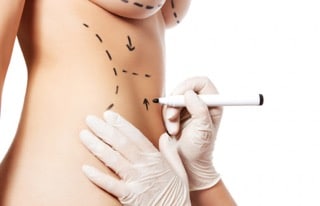
Enhance your buttocks using your own body fat with a safety-first approach. Board-certified surgeons at internationally accredited hospitals using advanced fat grafting techniques.
Treatment Guide
BBL Recovery Timeline: Sitting, Sleeping and When You Actually Heal
Week-by-week BBL recovery: the no-sitting rule, sleeping positions, the BBL pillow, flying home, and returning to work and exercise.
Treatment Guide
BBL vs Butt Implants: Safety, Longevity and Cost Compared
Brazilian Butt Lift (fat transfer) versus silicone butt implants compared on safety, natural feel, longevity, recovery and cost.

aesthetic-surgery
Liposuction in Turkey
Turkey has become one of the world's leading destinations for liposuction: board-certified plastic surgeons, internationally accredited hospitals, and all-inclusive packages that cost 60–70% less than the UK, US, or Germany.
Plan the next step clearly
Use this page as a decision-support guide, then move into quote review, treatment comparison, and travel planning with coordinator support.
Decision Context
Patients compare this treatment inside the trip around it
Treatment pages perform better when they acknowledge arrival flow, destination trust, and the recovery rhythm patients are trying to visualise before booking.

The provider decision starts with arrival confidence
Patients compare treatment pages while also asking how first-day logistics, transfers, and scheduling will actually work.

The destination still influences medical trust
A treatment page is stronger when it recognises that the city itself remains part of the decision frame for international patients.
Recovery pacing changes how people evaluate options
Different procedures feel more or less realistic depending on how patients picture the slower hours between appointments.