E-Max vs Zirconia Veneers: Material Comparison, Durability & Cost Guide
A detailed comparison of E-Max (lithium disilicate) and zirconia veneers: translucency, strength, longevity, and which material is clinically appropriate for front teeth vs. back teeth.
Quick answer
A detailed comparison of E-Max (lithium disilicate) and zirconia veneers: translucency, strength, longevity, and which material is clinically appropriate for front teeth vs. back teeth.
E-Max and zirconia are the two dominant materials in modern cosmetic dentistry. Choosing between them is not about which is "better": it's about which is appropriate for each specific tooth position, your bite pattern, and your aesthetic goals. This guide explains the clinical trade-offs.
Material Properties: Translucency vs. Strength
E-Max (lithium disilicate): Flexural strength ~400 MPa. High translucency: mimics natural enamel light transmission. Available in multiple opacity levels for shade matching. Bonds chemically to tooth structure (adhesive cementation). Zirconia (yttria-stabilized): Flexural strength ~1,200 MPa: three times stronger than E-Max.
Lower translucency in traditional formulations, though "ultra-translucent" zirconia (e.g., Katana UTML) has improved significantly. Cemented conventionally (no chemical bond to tooth). The strength-translucency trade-off is the core decision: E-Max looks more natural but is weaker; zirconia is nearly indestructible but can look opaque if not properly selected.
When to Use Each: Front Teeth vs. Back Teeth
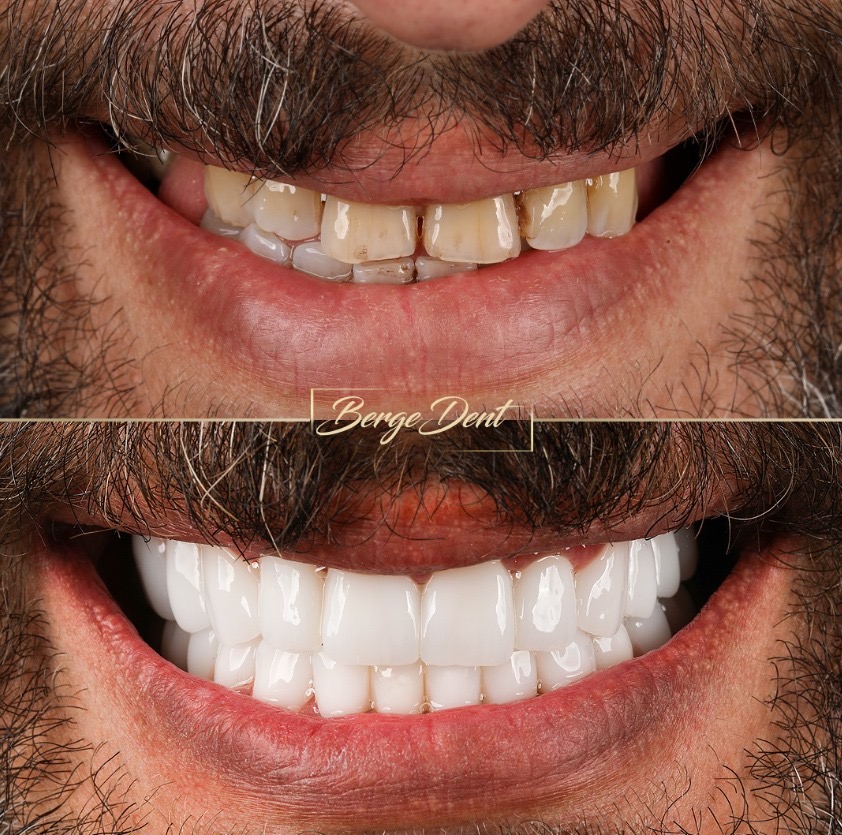
Front teeth (incisors + canines): E-Max is preferred for its natural translucency. These teeth face lower biting forces and maximum aesthetic scrutiny. An E-Max veneer on a front tooth is virtually indistinguishable from natural enamel. Back teeth (premolars + molars): Zirconia is preferred for its strength. These teeth handle grinding forces up to 700 Newtons: beyond E-Max's comfortable range.
Aesthetics matter less since they're barely visible. The common mistake: Many Istanbul clinics use zirconia for ALL teeth because it's cheaper to produce and faster to process. This saves the clinic money but costs you natural aesthetics on your front teeth. When evaluating Hollywood Smile packages, ask specifically what material will be used for upper front teeth.
Durability & Longevity: How Long Each Material Lasts
E-Max: 15-20+ years with proper care. Chipping risk exists but is low (2-3% at 10 years in studies). Can be repaired chairside in minor cases. Stain-resistant: maintains shade over time. Zirconia: 20-25+ years. Virtually chip-proof. However, if the porcelain layer on zirconia-porcelain (layered) restorations chips, repair is more difficult.
Monolithic zirconia (no porcelain layer) eliminates this risk but sacrifices aesthetics. Both materials are significantly more durable than composite bonding (3-5 years) and traditional porcelain-fused-to-metal crowns (10-15 years). For pricing details, see our veneer cost guide.
Cost Comparison & Decision Framework
| E-Max | Zirconia | Composite | |
|---|---|---|---|
| Istanbul price (per tooth) | $190–$360 | $165–$270 | $125–$230 |
| UK price | $760–$1,800 | $570–$890 | $440–$570 |
| Strength | Good (400 MPa) | Excellent (1,200 MPa) | Fair (120 MPa) |
| Aesthetics | Excellent | Good–Very Good | Good |
| Longevity | 15-20 years | 20-25 years | 3-5 years |
Ideal combination for full-smile work: E-Max for upper 6-8 visible teeth + zirconia for premolars and molars. This gives you the best aesthetics where it matters and maximum durability where strength matters. Request your personalized quote specifying material preferences.
Frequently asked questions
Can I get all E-Max for my full mouth?
For veneers (front teeth only), yes. For full-coverage crowns on back teeth, E-Max is possible but zirconia is clinically safer for high-force positions: especially if you grind your teeth.
Why is zirconia cheaper than E-Max in Turkey?
Zirconia blanks are less expensive and can be milled faster with CAD/CAM. E-Max requires more precise handling and slower kiln processing. The material cost difference is €20-€50 per unit, but the aesthetic result difference is significant.
What about ultra-translucent zirconia?
Newer formulations like Katana UTML and BruxZir Esthetic approach E-Max translucency while maintaining most of zirconia's strength. These are excellent options when available, but they cost 10-20% more than standard zirconia.
Guide: The Complete Medical Tourism Handbook
Cost comparisons, clinic evaluation checklist, packing list & recovery tips. Everything you need to plan your treatment in Turkey.
Related reading
dental-treatments
Veneers Turkey Cost 2026: Composite vs Porcelain Pricing Guide
Understand veneer pricing in Turkey by case size, material, smile design complexity, and the difference between cosmetic volume clinics and high-control aesthetic workflows.
dental
Hollywood Smile in Turkey
Achieve a symmetrical, brilliantly white smile with E-max and zirconia veneers at Istanbul's leading cosmetic dental clinics. Digital Smile Design technology lets you preview your new look before treatment begins.
dental
Hollywood Smile in Turkey
Achieve a symmetrical, brilliantly white smile with E-max and zirconia veneers at Istanbul's leading cosmetic dental clinics. Digital Smile Design technology lets you preview your new look before treatment begins.
dental
Dental Crowns in Turkey
Restore damaged, weakened, or aesthetically compromised teeth with zirconia, E-max, or porcelain-fused-to-metal crowns. Same-week treatment at TEMOS-accredited clinics in Istanbul.
dental
Dental Implants in Istanbul
Istanbul is one of the world's leading dental tourism destinations. TEMOS-accredited clinics, internationally trained implantologists, and state-of-the-art ceramics labs: at prices 70–85% below UK and USA.
Written by the NexWell editorial team. Medically informed content. How we create content