Medically reviewed by Dt. Taner Bektaş, DDS: Prosthodontics. Last reviewed March 2026
Dental Crowns in Turkey: Materials and Case Selection
- TEMOS-accredited clinics
- JCI-accredited hospitals
- Board-certified surgeons and a licensed clinical team
- 3,000+ international patients treated
A NexWell guide for patients comparing dental crowns in Turkey with a clearer view of zirconia, E.max and PFM materials, when a crown is actually needed and how to compare quotes without losing the clinical logic.
Written quote from a NexWell coordinator, usually within 24 hours.
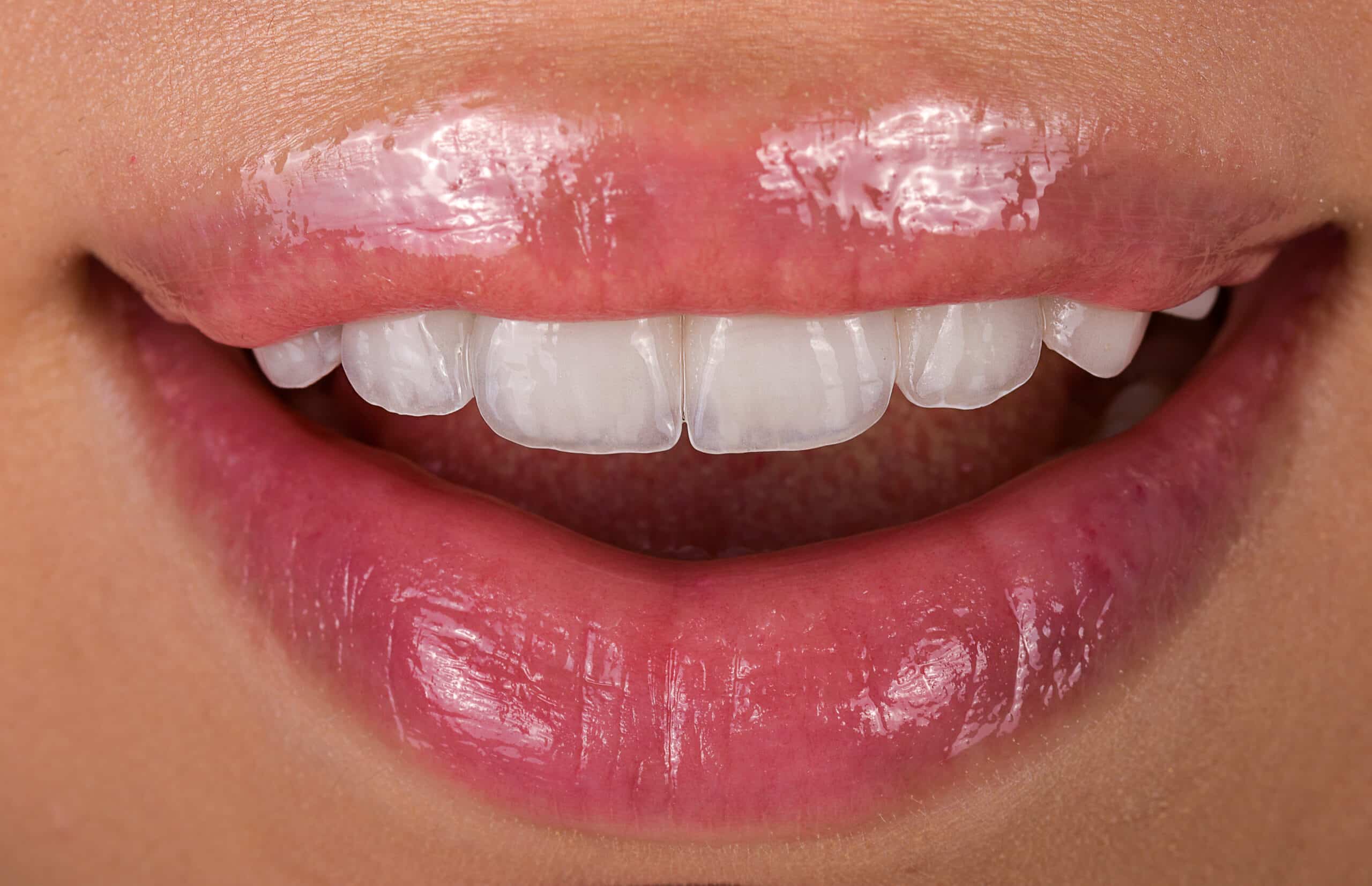
Quick answer
Dental crowns in Turkey are priced by material: zirconia $170–$410 E.max $230–$680 and PFM $170–$330 per crown, all-inclusive of the lab work, up to 80% less than equivalent UK private prices (2026). The right choice depends on whether the crown sits in the aesthetic zone, needs to survive heavy bite load, or is for a back tooth.
A Crown Decision Starts With Why the Tooth Needs Coverage
Patients often compare crown prices by material first, but the more important starting question is why the tooth needs a crown at all. Some cases are structurally restorative after root canal treatment or fracture.
Others are aesthetic or functional rebuilds where shape, bite and material choice all matter, and where mild crowding is sometimes better corrected with clear aligners before crowning. Where a tooth is missing rather than damaged, a dental implant may be the better route than crowning the neighbours.
Crown planning starts as a clinical-indication question, well before it becomes a price comparison. A good crown quote is built on what the tooth needs, not only on which material appears in the package.
Others are aesthetic or functional rebuilds where shape, bite and material choice all matter, and where mild crowding is sometimes better corrected with clear aligners before crowning.
Zirconia, E.max and PFM Crowns Solve Different Problems
| Feature | Typical use case | Planning effect |
|---|---|---|
| Zirconia crown | Higher-strength restoration where durability and broader structural coverage matter | Often chosen for posterior teeth or higher bite demand |
| E.max crown | Aesthetic restoration where translucency and front-tooth appearance matter more | Often chosen when natural smile-zone appearance leads the decision |
| PFM crown | More traditional restoration where cost control and functional coverage matter | Often positioned as a lower-cost option with different aesthetic trade-offs |
Patients should expect the clinic to explain why a material matches the tooth position and function rather than presenting all crowns as interchangeable.
A Crown Is Usually Chosen for Protection, Restoration or Broader Shape Control
Crowns are commonly used after root canal treatment, for large broken-down teeth, for crack protection or when a tooth needs broader structural and aesthetic coverage than a veneer can offer. They are also often used on implant restorations and as part of bridge work.
That does not mean every compromised tooth automatically needs a crown. The better clinics can explain when a more conservative route still makes sense and when full coverage is truly justified.
Crown Pricing Depends on Material, Tooth Position and Scope
| Procedure | Turkey | UK | USA | Saving |
|---|---|---|---|---|
| Zirconia crown | $170-$410 | $570-$890 | $800-$1,200 | Often up to 80% lower in Turkey |
| E.max crown | $230-$680 | $640-$1,080 | $900-$1,500 | Often up to 75% lower in Turkey |
| PFM crown | $170-$330 | $440-$640 | $600-$1,000 | Often up to 70% lower in Turkey |
These ranges are directional only. The valid comparison depends on whether preparation work, temporaries, lab quality and adjustment stages are included in the same quote.
What Usually Changes a Crown Quote in Turkey
The main quote drivers are usually:
- crown material and whether the case is aesthetic or structural
- whether the tooth needs buildup, post or other prep before the crown
- whether the case is a single crown or part of a multi-unit restorative plan
- whether temporary crowns and multiple try-in stages are included
- whether the lab is volume-oriented or quality-oriented
- whether the quote includes only the crown itself or a broader restorative workflow
This is why the cheapest crown label is not automatically the best value. The real decision depends on function, appearance and how the case is being restored.
How NexWell Reviews a Crown Plan Before Recommending a Clinic
NexWell checks:
A material choice with a stated clinical reason behind it, not just a brand name, is usually the clearest signal of how carefully a crown plan was built for that specific tooth.
- 1whether the tooth really needs a crown rather than a more conservative option
- 2whether zirconia, E.max or PFM has been recommended for a reason the clinic can defend
- 3preparation, temporaries and lab stages explained clearly
- 4material choice balances long-term structural survival with the right aesthetic level
- 5whether post-travel adjustments are realistic for international patients
Treatment Plan
Ready for a written Dental Crowns in Turkey: Materials and Case Selection quote?
A NexWell coordinator reviews your case and replies with a personalised treatment plan and indicative pricing — usually within 24 hours.
What the Crown Fitting Process Looks Like From Preparation to Final Fit
A dental crown case in Turkey typically requires four to seven days in a single visit. The workflow begins with a clinical evaluation of the tooth, which may include X-rays or CBCT imaging if root canal treatment has been performed or the tooth condition is uncertain.
Preparation of the tooth follows, reducing its external surface to allow the crown to seat with an even thickness all around. An impression or digital scan is taken and a temporary crown is placed while the definitive restoration is fabricated by the lab.
At the final fitting appointment, the crown is evaluated for shade match, margin fit and bite contact. Adjustments are made chairside before permanent cementation. Any remaining bite discrepancies should be resolved before the patient leaves the clinic.
For multiple-crown cases or smile renovations, more appointments may be needed across the visit for try-in stages, shade confirmations and provisional evaluation. Patients with particularly complex cases involving worn teeth, root canal histories or bite reconstruction may benefit from planning a longer visit or accepting a two-trip schedule.
How Long Dental Crowns Last and What Supports Good Long-Term Outcomes
Dental crowns in Turkey with sound preparation, good lab technique and appropriate cementation can last fifteen to twenty-five years or more. The main factors that shorten crown longevity are recurring decay at the crown margins, bite overload, bruxism and debonding events where the crown comes loose due to cement failure or tooth fracture beneath.
Patients should brush and floss normally around crowns, with attention to the margin where the crown meets the gum. This interface is where bacterial accumulation most commonly causes secondary decay, so cleaning there carefully matters as much as for natural teeth.
Bruxism is the single most disruptive force for crown longevity. Parafunctional activity causes fracture of bridge materials and can overwhelm implant or abutment joints over time. A night guard reduces this risk significantly and is typically a modest investment relative to the restoration cost.
For international patients, post-crown sensitivity or a loose crown that develops on return home can usually be managed by a local dentist with the right clinical records and handover documentation. Clinics that provide this documentation make emergency management abroad far simpler.
When a Crown Needs More Than Preparation: Buildup, Post and Root Canal
Patients are sometimes surprised to discover that the crown quote does not include everything needed before a crown can be placed. Teeth that have undergone root canal treatment, existing large fillings or significant structural loss may require a core buildup, fibre post or other preparation work before the crown can be seated correctly.
A core buildup restores the internal architecture of the tooth so the crown has enough stable structure to grip. Without it, a crown placed over a heavily broken-down tooth is more likely to fail.
For root-treated teeth, deciding whether a fibre post is necessary depends on how much of the original crown structure remains. Clinically this decision should be transparent, not added after the quoted price has been confirmed.
Patients comparing crown quotes should ask specifically whether the quoted price assumes a healthy, structurally sufficient tooth or whether it may need to increase once the tooth is examined in full. This pre-visit clarification avoids the most common source of scope surprise in Turkish dental crown cases.
Crown-Specific Questions to Confirm Before Booking in Turkey
Before committing to a crown treatment in Turkey, it is worth having written answers to:
- Is the planned material zirconia, E.max or PFM and why does the plan choose one over the other for this tooth?
- Does the quote assume a tooth with adequate structure or is a buildup, post or root canal included?
- Are there any teeth in the plan that may need root canal treatment before crowning?
- Is a temporary crown included and how many fitting appointments are planned?
- What lab is being used and is there a quality standard on fabrication?
- What is the protocol for a crown that chips or becomes loose within the first twelve months?
- How does the clinic coordinate with a local dentist if post-treatment issues arise at home?
- Is there a bite assessment as part of the process?
Dental crowns involve some enamel removal and sometimes root canal treatment. These are not reversible steps. Clinical clarity before the first preparation is a reasonable expectation.
How NexWell Reviews a Crown Treatment Plan Before Recommending a Clinic
NexWell reviews crown treatment proposals by examining whether the clinical rationale is clear, whether material selection is appropriate for the tooth position and loading environment and whether the scope of additional work is accurately reflected in the cost estimate before the patient commits to travel.
For patients who have been quoted for multiple crowns across different Turkish clinics, we often find meaningful differences in whether root canal treatment, build-up or post placement are included or assumed.
A quote that lists only crown cost and assumes healthy underlying structure can understate the real total significantly if the treating clinician discovers on arrival that several teeth require endodontic treatment first.
We also examine aftercare planning: whether the clinic provides patients with a summary of all preparation work, materials used and cementation details that can be shared with a local dentist for future management. Crown longevity is partly a function of ongoing maintenance and timely addressing of wear or marginal issues.
Patients who have complete documentation of their Turkish treatment in a format a home-country dentist can use are better positioned for long-term care than those whose records exist only in a system they cannot easily access remotely.
How Much Do Dental Crowns Cost in Turkey?
Dental crowns in Turkey are priced by material: zirconia crowns typically cost $170–$410, E.max crowns $230–$680, and PFM crowns $170–$330 per crown, all-inclusive of the lab work, compared with $570–$890, $640–$1,080 and $440–$640 respectively in the UK, a saving of up to 80%. Multi-crown cases often see a lower per-unit rate at volume than a single-crown quote at the same clinic.
Within each material range, the exact figure depends on tooth position, whether a core buildup or root canal treatment is needed before the crown can be seated, and lab quality. Ask for a written quote that states the material and confirms whether the price assumes a structurally sound tooth.
Are Dental Crowns Painful?
Crown preparation is carried out under local anaesthesia, so most patients feel pressure rather than pain during the appointment. Mild sensitivity to hot, cold or biting pressure is common for a few days after preparation and while wearing the temporary crown, and usually resolves once the final crown is cemented.
If the tooth requires root canal treatment or a core buildup before crowning, the overall procedure and recovery follow the longer timeline of that additional work rather than the crown fitting alone. Your clinician will confirm whether your tooth needs this extra step before quoting a final price.
How Long Do Dental Crowns Last?
Dental crowns with sound preparation, good lab technique and appropriate cementation can last fifteen to twenty-five years or more. Zirconia crowns tend toward the stronger, more durable end of that range for posterior teeth, while E.max and PFM longevity depends more on bite load and gum-margin hygiene.
The factors that most shorten crown lifespan are recurring decay at the crown margin, bite overload, bruxism and debonding from cement failure or fracture of the tooth beneath. A night guard reduces bruxism-related risk significantly and is a modest investment relative to the restoration cost.
Am I a Candidate for a Dental Crown?
Good candidates for a dental crown typically have a tooth that is structurally weakened by root canal treatment, a large filling or a crack, or need broader aesthetic or functional coverage than a veneer can provide. Crowns are also commonly used on implant restorations and to anchor bridge work.
Not every damaged tooth needs a crown, some cases can still be treated more conservatively with a filling, onlay or veneer. Very little remaining tooth structure or active gum disease usually needs to be addressed with a buildup or periodontal treatment first. A photo and X-ray review by a NexWell-affiliated dentist will confirm whether crowning is the right route for your specific tooth.
How Long Does the Dental Crown Procedure Take?
A single-crown case in Turkey typically requires four to seven clinic days in one visit: clinical evaluation and imaging, tooth preparation, a temporary crown while the lab fabricates the final restoration, and a final fitting appointment for shade, margin and bite adjustment. Multiple-crown or smile-renovation cases may need additional try-in appointments across the same visit.
If the tooth needs root canal treatment or a core buildup first, this adds time before the crown preparation stage begins, and complex cases involving several teeth with different histories may benefit from planning a longer visit or a two-trip schedule.
Are Dental Crowns in Turkey Safe?
Dental crowns carry the risks common to any restorative procedure, sensitivity, occasional debonding or the need for minor adjustment, which are uncommon when the tooth is properly prepared and the crown is well-fitted by an experienced dentist using a quality lab. Crowns placed over a tooth that still needs a root canal or buildup carry higher failure risk if that underlying work is skipped.
A clear pre-treatment assessment, including X-rays or CBCT imaging where indicated, and CE- or FDA-approved crown materials are what NexWell screens for before adding a clinic to the network. A pre-treatment assessment that names the lab quality standard, material specification and adjustment policy in writing is a reasonable ask before the tooth is prepared.
Vetted partner network
NexWell coordinates with TEMOS-accredited clinics or Ministry of Health–licensed facilities in Turkey.
Board-certified review
Content reviewed by Dt. Taner Bektaş — Turkish Dental Association (TDB).
5.0★ from real patients (2 reviews)
“My dentist quoted £3,200 for a single Nobel Biocare implant in Glasgow. The written quote here for the same implant system was £720 including the crown. I was sceptical. Surely there's a catch? There wasn't. Four months post-op, fully integrated,…” — Michael O., Glasgow, Scotland
No obligation
Get your Dental Crowns in Turkey: Materials and Case Selection plan
Send your case and a coordinator returns a written plan and an indicative quote — usually within a day.
Questions Patients Ask Before They Commit
Related reading
Dental Guide
Zirconia Crowns in Turkey: Advantages, Procedure, and Cost Overview
Discover why zirconia crowns are popular in Turkey — learn about material advantages, lab craftsmanship, cost savings, and what to expect during treatment.
dental-treatments
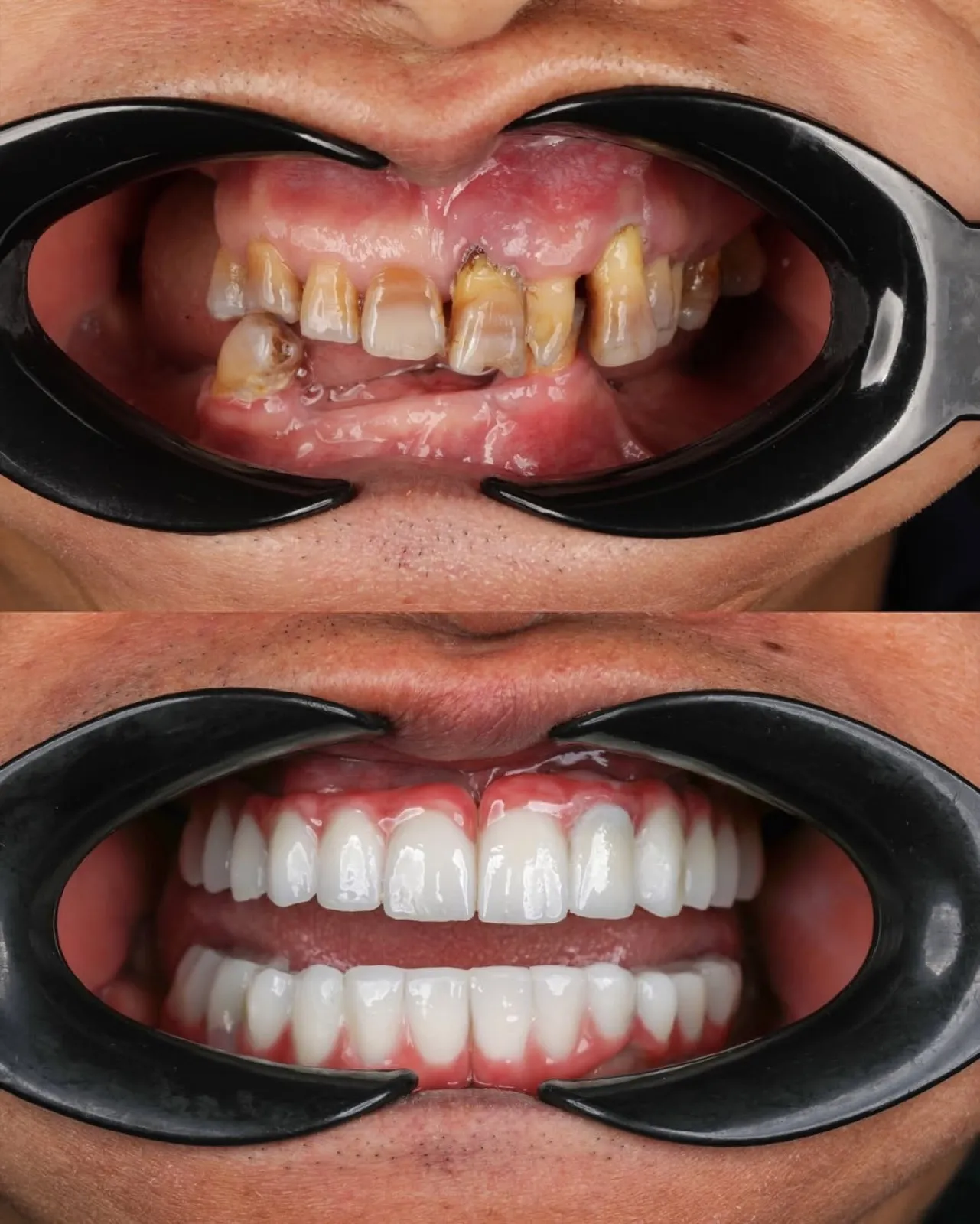
E.max vs Zirconia Crowns: Which Material Makes More Sense?
A decision guide comparing e.max and zirconia crowns for front teeth, full-smile cases, strength, translucency, and long-term value.
dental
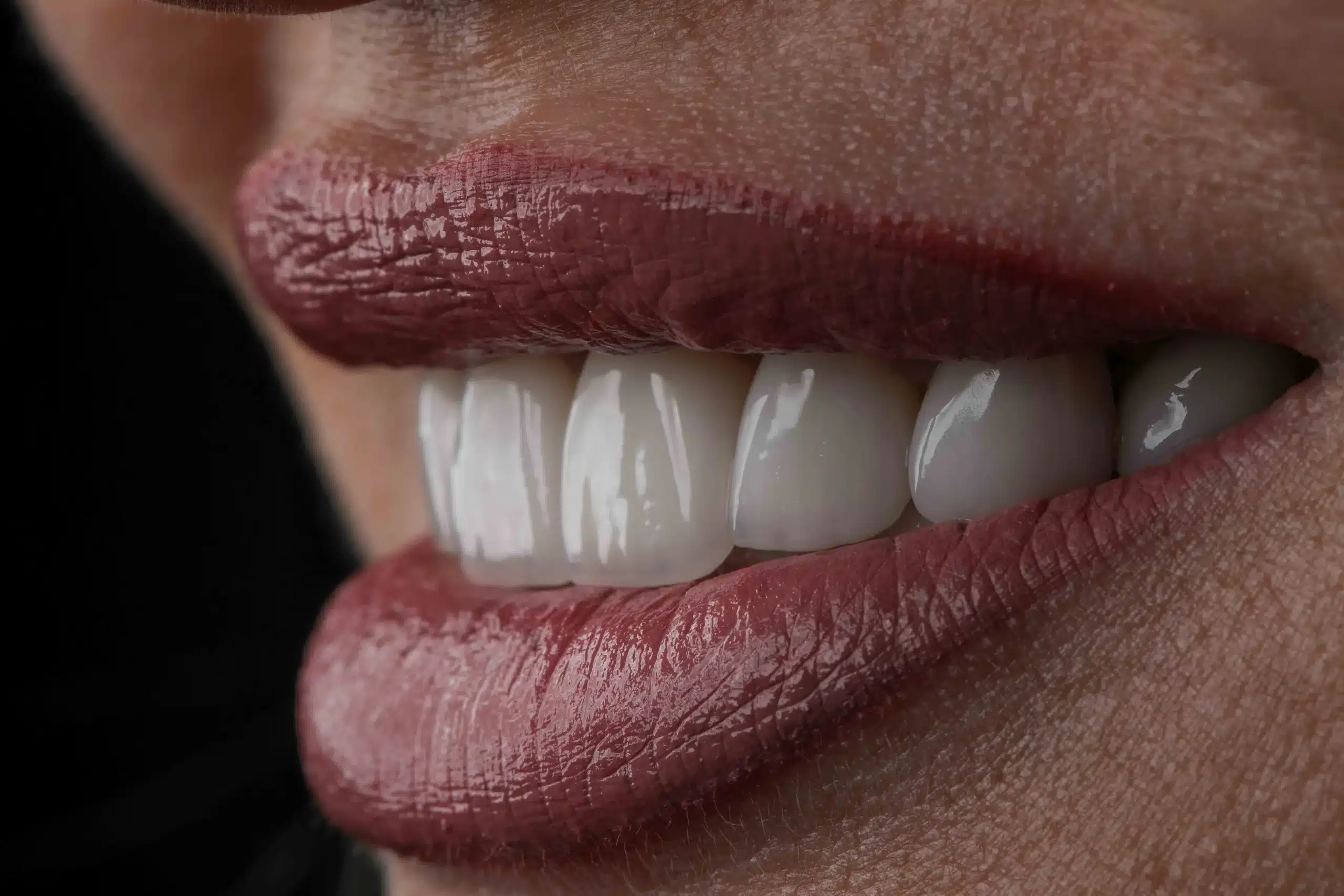
Laminate Veneers in Turkey
Ultra-thin porcelain veneers (as little as 0.2 mm) that require minimal tooth preparation. Preserve more natural enamel while achieving a stunning cosmetic result.
dental
Hollywood Smile in Turkey
Achieve a symmetrical, brilliantly white smile with E-max and zirconia veneers at Istanbul's leading cosmetic dental clinics. Digital Smile Design technology lets you preview your new look before treatment begins.
Plan the next step clearly
Use this page as a decision-support guide, then move into quote review, treatment comparison, and travel planning with coordinator support.
Decision Context
Patients compare this treatment inside the trip around it
Treatment pages perform better when they acknowledge arrival flow, destination trust, and the recovery rhythm patients are trying to visualise before booking.

The provider decision starts with arrival confidence
Patients compare treatment pages while also asking how first-day logistics, transfers, and scheduling will actually work.

The destination still influences medical trust
A treatment page is stronger when it recognises that the city itself remains part of the decision frame for international patients.

Recovery pacing changes how people evaluate options
Different procedures feel more or less realistic depending on how patients picture the slower hours between appointments.