Medically reviewed by Dt. Tunç Berge, MSc: Esthetic Dentistry & Implantology. Last reviewed June 2026
Dental Bonding: What It Is, Cost and How It Compares to Veneers
- TEMOS-accredited clinics
- JCI-accredited hospitals
- Board-certified surgeons and a licensed clinical team
- 3,000+ international patients treated
A NexWell explainer on dental bonding: how a tooth-coloured composite resin is applied in a single visit to repair chips, close small gaps and reshape teeth, how it compares with veneers and crowns on prep, durability and cost, and how to care for it long-term.
Written quote from a NexWell coordinator, usually within 24 hours.
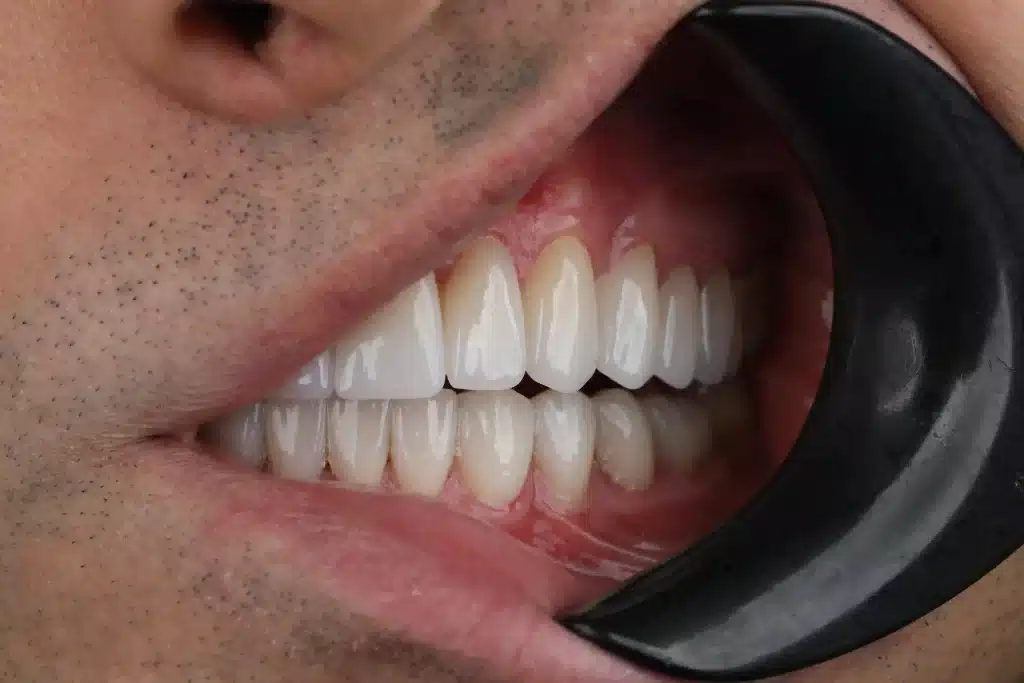
Quick answer
A NexWell explainer on dental bonding: how a tooth-coloured composite resin is applied in a single visit to repair chips, close small gaps and reshape teeth, how it compares with veneers and crowns on prep, durability and cost, and how to care for it long-term.
What Is Dental Bonding?
Dental bonding is a cosmetic procedure in which a tooth-coloured composite resin, the same kind of material used for modern white fillings, is applied directly to a tooth, shaped by hand, and hardened with a curing light to repair or improve its appearance.
Because the resin is sculpted onto the existing tooth rather than manufactured in a laboratory, most bonding is completed in a single visit, often in around 30 to 60 minutes per tooth.
The technique is conservative by design. The dentist usually selects a shade to match your natural teeth, lightly roughens (etches) the enamel surface so the resin grips well, applies and shapes the soft composite, cures it layer by layer, then trims and polishes it to a natural shine.
In many simple cases little or no enamel is removed and anaesthetic is not even required, which is one reason bonding is often described as the least invasive of the common cosmetic options.
It helps to place bonding within the wider cosmetic toolkit. At one end sit minimally invasive treatments such as bonding and whitening; in the middle sit veneers, thin shells custom-made for the front of the tooth; and at the more involved end sit dental crowns, which cap the whole tooth.
A full smile-design project, sometimes marketed as a Hollywood smile, may combine several of these. Bonding is the lightest-touch member of that family, best suited to small, localised improvements rather than a complete arch transformation.
Because the resin is sculpted onto the existing tooth rather than manufactured in a laboratory, most bonding is completed in a single visit, often in around 30 to 60 minutes per tooth.
It is also worth distinguishing cosmetic bonding from structural dentistry. Bonding changes how a tooth looks and can restore minor chips; it does not replace missing teeth. That is the territory of dental implants and, for fuller cases, full-arch solutions. Bonding works on teeth you still have and want to refine.
Dental Bonding vs Veneers vs Crowns
Bonding, veneers and crowns are often discussed together because they can all improve the look of a front tooth, but they differ sharply in how much of the tooth is altered, how long they tend to last, and what they cost. The table below summarises the practical trade-offs; the right choice depends on the condition of the tooth and the result you are after, which only an in-person assessment can confirm.
Factor
Dental bonding
Veneers
Crowns
Tooth preparation
Minimal, often no enamel removed; usually reversible
Thin layer of enamel typically removed; considered irreversible
The tooth is reshaped substantially on all sides
Visits
Usually one visit; resin sculpted chairside
Usually two or more; shells are lab-made
Usually two or more; the cap is lab-made
Typical durability
Commonly cited at around 3-10 years before touch-up or replacement
Porcelain often cited at around 10-15+ years with good care
Often the longest-lasting of the three for a heavily damaged tooth
Aesthetics
Very good for small repairs; resin can stain over time
Excellent, highly stain-resistant, natural translucency
Excellent, but a full cap is more than a cosmetic fix
Best suited to
Chips, small gaps, minor reshaping, single discoloured teeth
Multiple front teeth, lasting cosmetic change
Broken, root-treated or heavily worn teeth needing strength
Reversibility
Generally reversible
Not reversible
Not reversible
The headline difference is how much tooth is sacrificed. Bonding adds material to the tooth and usually removes little or none, which is why it is generally reversible. Veneers normally require a thin layer of enamel to be removed and so are a permanent commitment; thin or "no-prep" veneers reduce but do not always eliminate this.
Crowns go further again, reshaping the whole tooth, and are really a restorative rather than purely cosmetic answer: appropriate for a tooth that is broken down, root-treated or under heavy chewing load.
For straightening rather than resurfacing, none of these three is the answer: crooked teeth are better addressed with orthodontics such as clear aligners, including systems like Invisalign, sometimes followed by light bonding to refine the finish.
Where teeth are missing rather than misshapen, the conversation shifts to replacement options such as crowns on dental implants, All-on-4 or All-on-6 full arches and full mouth dental implants: different problems with different solutions.
Treatment Plan
Ready for a written Dental Bonding: What It Is, Cost and How It Compares to Veneers quote?
A NexWell coordinator reviews your case and replies with a personalised treatment plan and indicative pricing — usually within 24 hours.
What Dental Bonding Can, and Cannot, Fix
Bonding is at its best for small, contained cosmetic problems on otherwise healthy teeth. Common uses include repairing a chipped or cracked edge, closing a small gap between two front teeth, lengthening a slightly short tooth, reshaping an uneven edge, and masking a localised stain or discolouration that whitening alone will not lift.
It can also be used to cover a small area of exposed root surface where the gum has receded.
There are limits, and being honest about them is part of a responsible plan. Bonding resin is strong enough for everyday use on front teeth but is not as hard as natural enamel or porcelain, so it is less suited to the heavy biting forces on back teeth and can chip if asked to do too much. It can also pick up stains over the years in a way that porcelain veneers resist.
For widespread discolouration across many teeth, or for a dramatic change in tooth shape across a whole smile, veneers usually give a more uniform and durable result.
Bonding also assumes a healthy foundation. Active gum disease, clinically, periodontitis, should be treated before any cosmetic work, because resin bonded to teeth with inflamed or receding gums will not look or last as it should. A dentist will check gum health and decay before recommending bonding, and treat any underlying problems first.
Finally, bonding does not address what lies beneath a damaged tooth. If a tooth is fractured deep into its structure, heavily decayed or has lost a large amount of substance, a crown or, in the case of a tooth that cannot be saved, an extraction and a single tooth implant may be the sounder long-term choice. Bonding is a surface and shape solution, not a structural rebuild.
Durability and Aftercare
How long bonding lasts depends heavily on the tooth treated, the size of the repair and your habits. Published patient guidance commonly puts the lifespan of bonding at roughly three to ten years before it needs a touch-up or replacement, with smaller repairs on low-stress front teeth tending toward the longer end of that range.
Because the material can be repaired or added to relatively easily, a worn or chipped bonded area can often be refreshed rather than completely redone.
Day-to-day care is straightforward but matters more than with porcelain. Brushing twice daily, cleaning between teeth and keeping regular dental check-ups all help the bonding stay intact and the surrounding tooth healthy. Composite resin is more porous than enamel, so reducing staining habits, coffee, red wine, dark teas and especially smoking, helps the bonded surface keep its colour for longer.
The most useful protective habit is avoiding the things that crack bonding in the first place: biting fingernails, chewing pens or ice, opening packaging with your teeth, and using a front tooth as a tool. People who clench or grind at night may be advised to wear a protective night guard, since grinding forces can chip both bonding and natural teeth.
It is also normal for bonded teeth to need maintenance over time. Unlike a tattoo, bonding is not permanent, and a realistic expectation is occasional polishing, touch-ups or eventual replacement rather than a one-and-done result. No dentist can responsibly guarantee an exact lifespan, because so much depends on the individual case and how the teeth are used.
How Much Does Dental Bonding Cost?
Dental bonding is usually the most affordable of the main cosmetic options because it is done chairside in a single visit, with no laboratory fee for a custom-made shell or cap. As a broad guide, patient-facing cost surveys frequently place bonding in the region of a few hundred US dollars per tooth, while porcelain veneers are typically several times that figure per tooth and crowns sit higher again.
These are indicative ranges only; your actual fee depends on the dentist, the number of teeth, the complexity of the repair and your location.
When comparing prices, compare like for like. A meaningful quote should state how many teeth are being bonded, whether the price is per tooth or for the whole treatment, what shade-matching and polishing are included, and whether any preparatory work, such as gum treatment, whitening or a check-up, is billed separately.
A very low headline price that omits these can end up costing more than a transparent, itemised one.
It is also fair to weigh longevity against price. Bonding's lower upfront cost comes with a shorter typical lifespan and more frequent maintenance than porcelain veneers, so the cheaper option is not always the cheaper choice over a decade.
For a single small chip, bonding is usually both the most economical and the most conservative answer; for a full cosmetic redesign across many teeth, veneers may offer better value despite the higher initial outlay.
For patients considering cosmetic dentistry abroad, treatment fees in destinations such as Turkey are typically a fraction of those in the USA, UK or Australia, which is part of bonding's appeal as an entry-level cosmetic treatment. As with any clinical decision, the only reliable number is a written, itemised quote produced after an in-person or photo-based assessment, not a figure from a price list.
All figures here are indicative and vary by case.
Vetted partner network
NexWell coordinates with TEMOS-accredited clinics or Ministry of Health–licensed facilities in Turkey.
Board-certified review
Content reviewed by Dt. Tunç Berge — Turkish Dental Association (TDB).
5.0★ from real patients (2 reviews)
“I'd been self-conscious about my teeth my entire adult life: crowded, discoloured, chipped. I sent photos, got a digital smile design back within 48 hours, and booked. Five days in Istanbul, and I came home with a completely new smile.…” — James T., Dublin, Ireland
No obligation
Get your Dental Bonding: What It Is, Cost and How It Compares to Veneers plan
Send your case and a coordinator returns a written plan and an indicative quote — usually within a day.
Questions Patients Ask Before They Commit
Related reading
dental
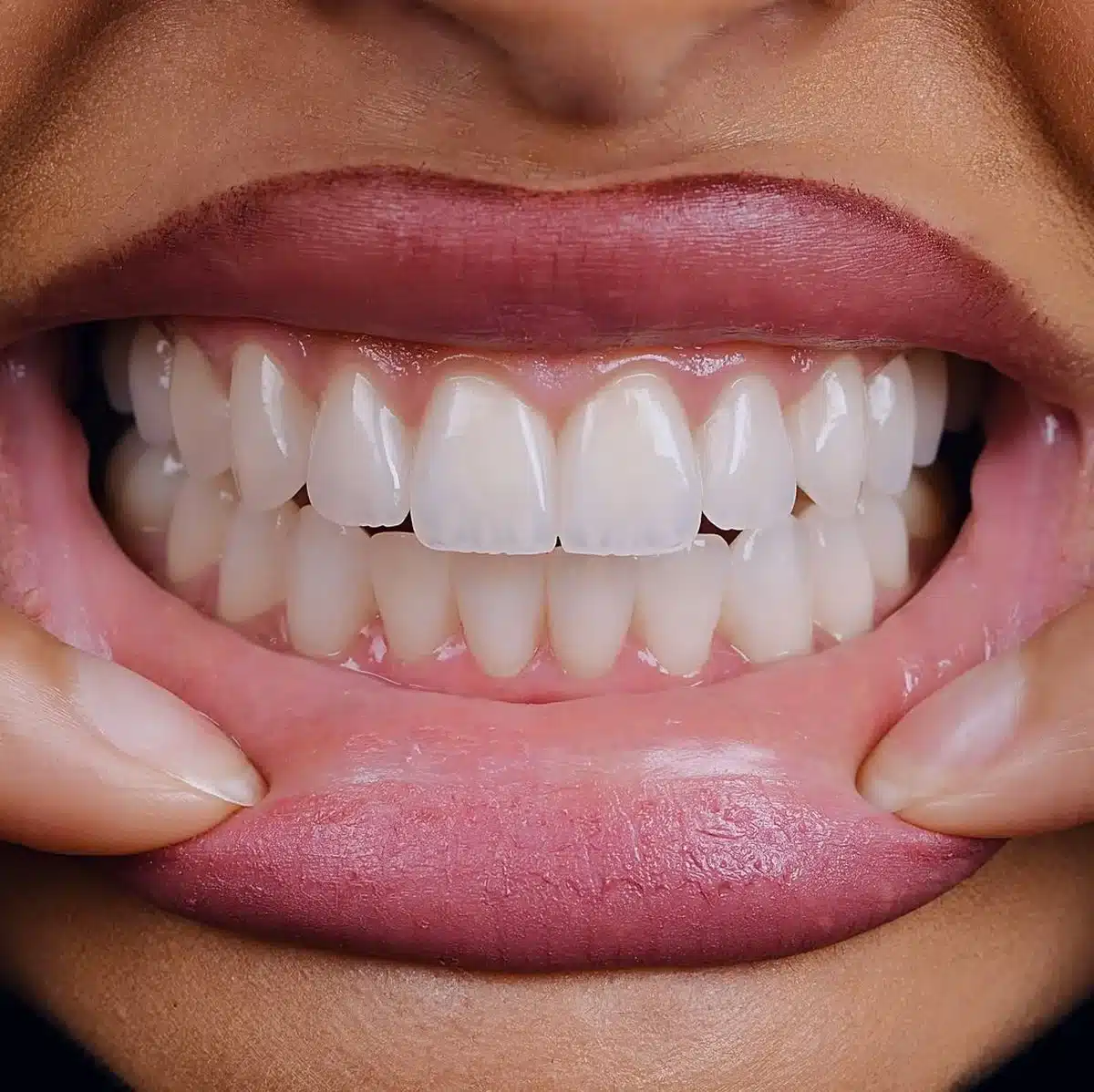
Laminate Veneers in Turkey
Ultra-thin porcelain veneers (as little as 0.2 mm) that require minimal tooth preparation. Preserve more natural enamel while achieving a stunning cosmetic result.
dental
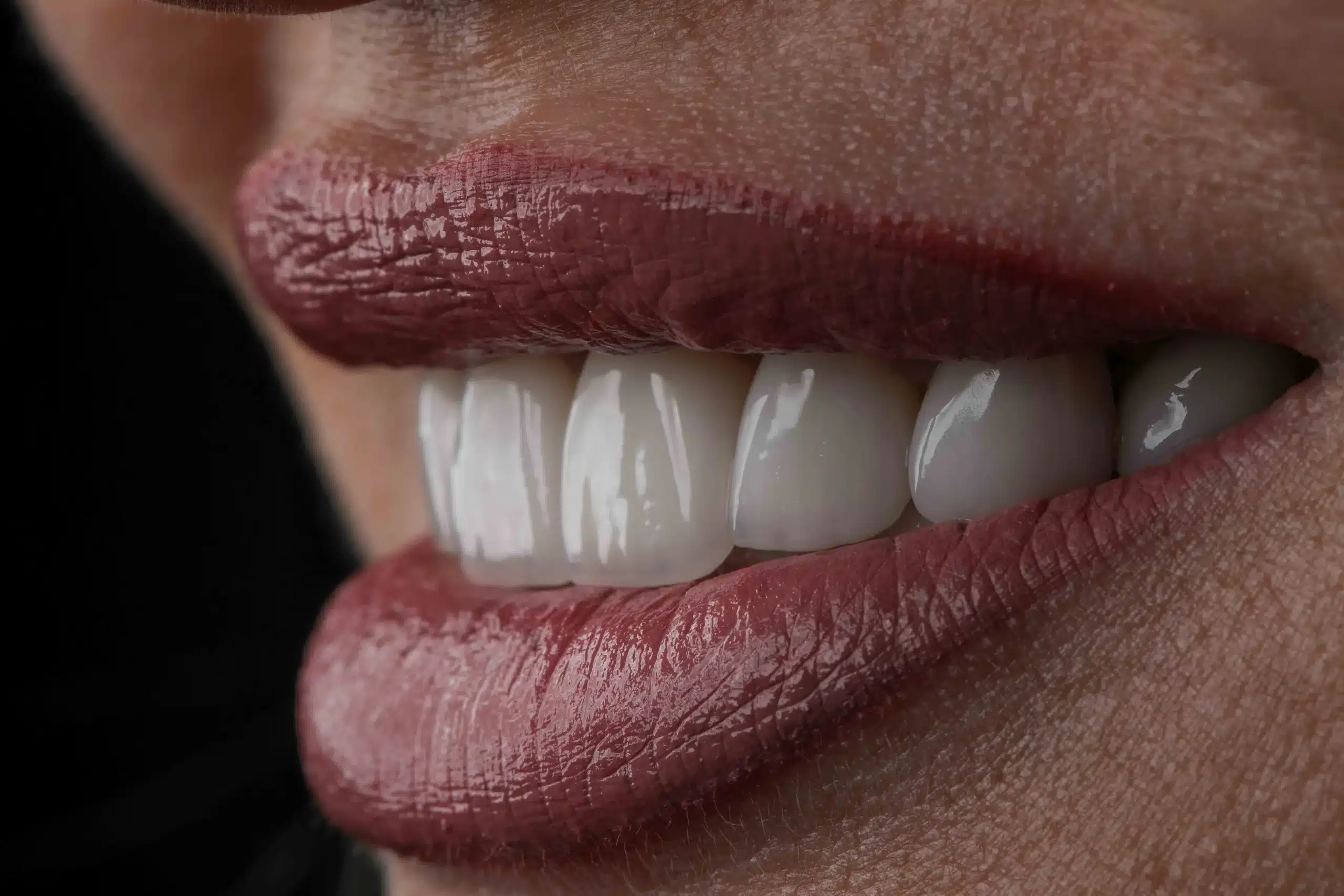
Hollywood Smile in Turkey
Achieve a symmetrical, brilliantly white smile with E-max and zirconia veneers at Istanbul's leading cosmetic dental clinics. Digital Smile Design technology lets you preview your new look before treatment begins.
dental
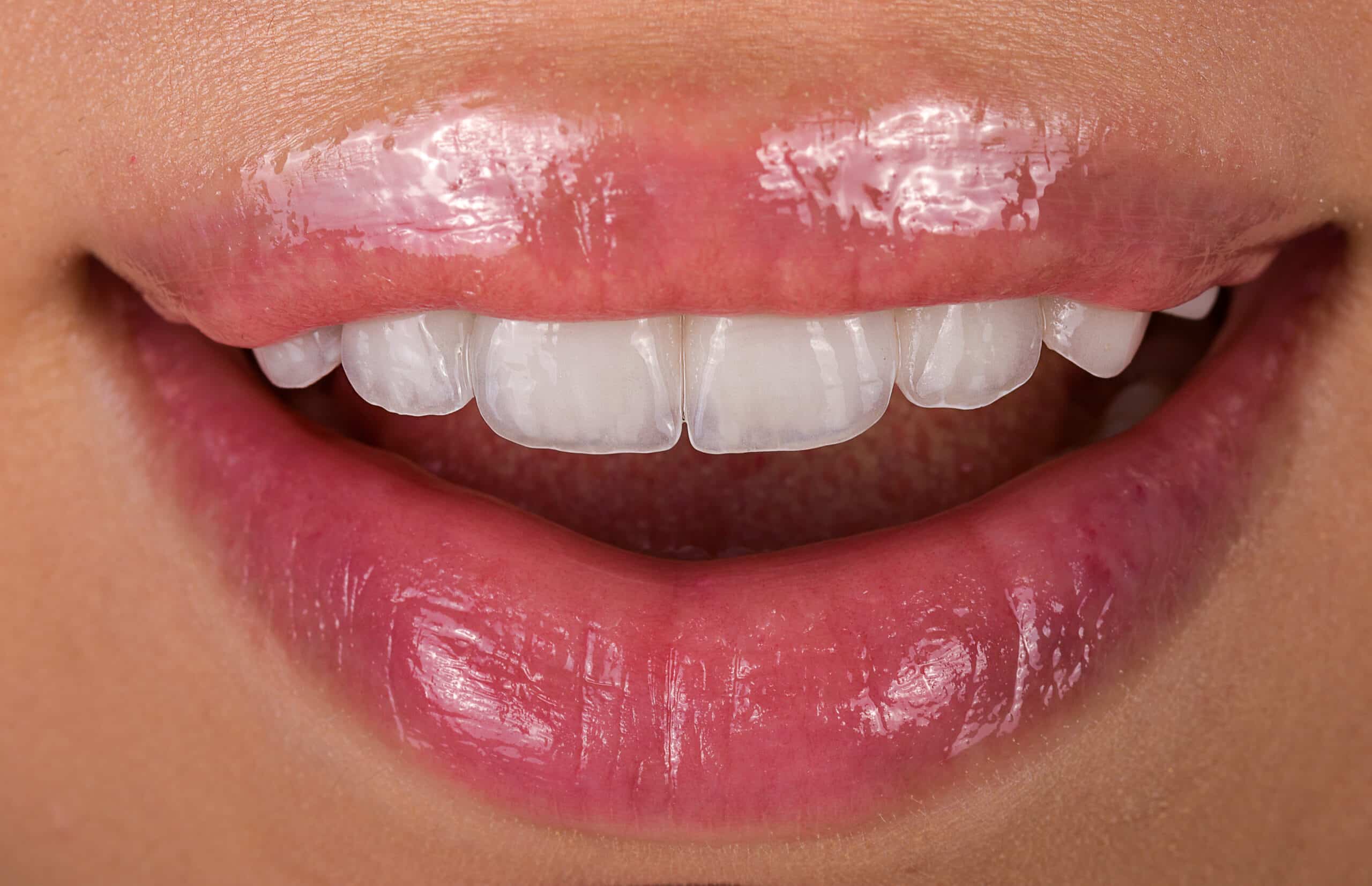
Dental Crowns in Turkey
Restore damaged, weakened, or aesthetically compromised teeth with zirconia, E-max, or porcelain-fused-to-metal crowns. Same-week treatment at TEMOS-accredited clinics in Istanbul.
Treatment Guide
Clear Aligners Compared: Invisalign vs Spark vs ClearCorrect
How Invisalign, Spark and ClearCorrect differ on case range, attachments, refinements and cost, and when aligners beat veneers.
Plan the next step clearly
Use this page as a decision-support guide, then move into quote review, treatment comparison, and travel planning with coordinator support.
Decision Context
Patients compare this treatment inside the trip around it
Treatment pages perform better when they acknowledge arrival flow, destination trust, and the recovery rhythm patients are trying to visualise before booking.

The provider decision starts with arrival confidence
Patients compare treatment pages while also asking how first-day logistics, transfers, and scheduling will actually work.

The destination still influences medical trust
A treatment page is stronger when it recognises that the city itself remains part of the decision frame for international patients.

Recovery pacing changes how people evaluate options
Different procedures feel more or less realistic depending on how patients picture the slower hours between appointments.