Eyelid Surgery in Turkey: Blepharoplasty Planning and Cost Guide
A NexWell planning guide for patients considering eyelid surgery in Turkey: upper vs lower blepharoplasty, the functional vs aesthetic distinction, what recovery involves, how long results last and how Turkish pricing compares to the UK and Europe.
- JCI-accredited hospitals
- TEMOS-accredited clinics
- Board-certified surgeons and a licensed clinical team
- 3,000+ international patients treated
- 5-star chain hotel accommodation
- VIP airport transfers
Written quote from a NexWell coordinator, usually within 24 hours.
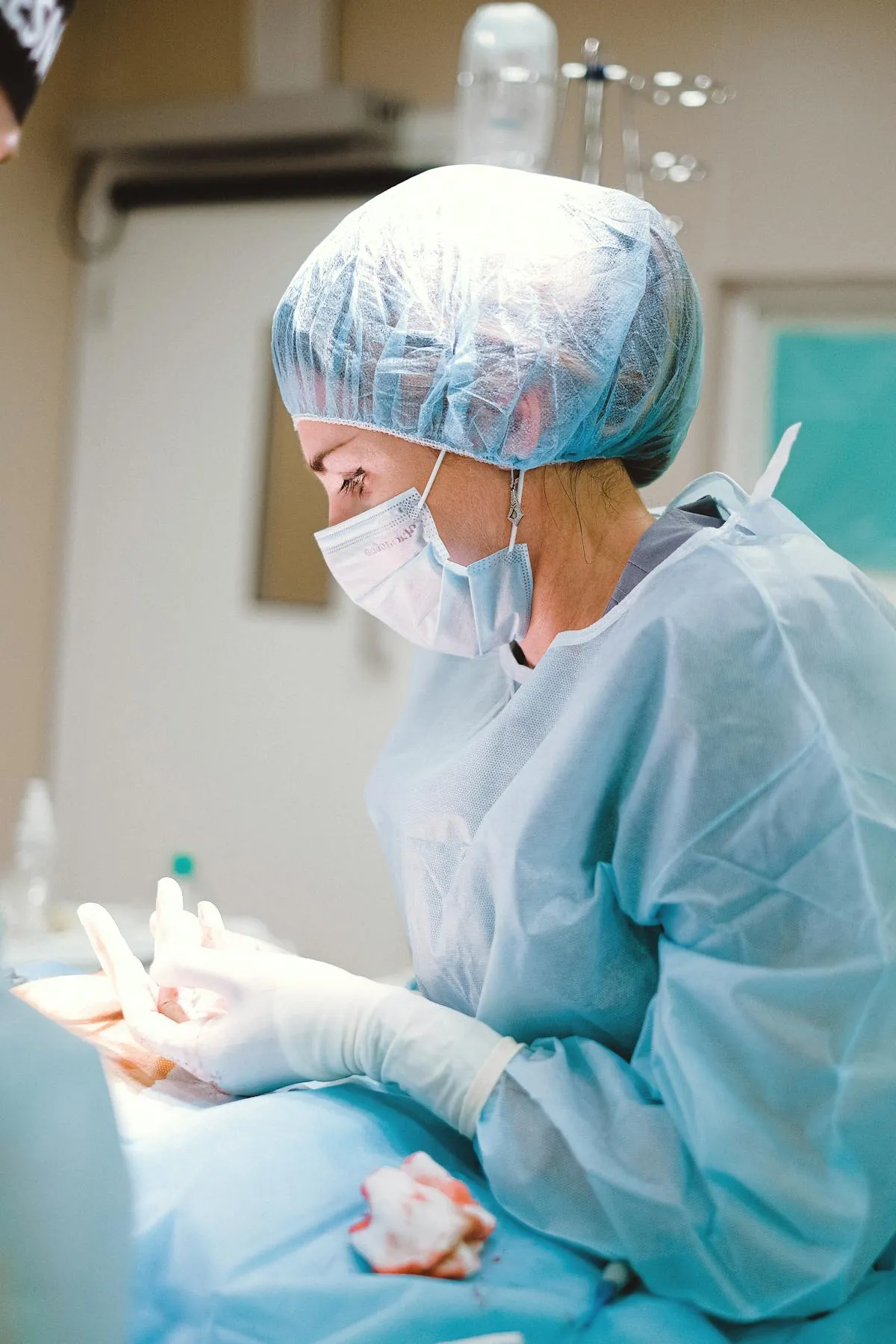
Written quote from a NexWell coordinator, usually within 24 hours.
Quick answer
Upper eyelid surgery (blepharoplasty) in Turkey costs $1,500–$2,500 all-inclusive of surgeon, anaesthesia and clinic stay, around 60% less than the UK's $3,800–$6,350 (2026). Lower blepharoplasty runs $1,800–$3,000, and combined upper-and-lower cases $2,500–$4,000. Recovery is usually 7–10 days before sutures come out and swelling is manageable with concealer.
What Eyelid Surgery Is and Who It Is For
Blepharoplasty is a surgical procedure that removes or repositions excess skin, muscle and fat from the upper eyelids, lower eyelids or both. It is one of the most commonly performed aesthetic surgical procedures globally and has a well-established safety and outcomes record when performed by an experienced oculoplastic or plastic surgeon.
Upper blepharoplasty addresses hooding, the excess skin that descends over the upper eyelid crease, sometimes interfering with the visual field. In cases where drooping skin obscures peripheral vision, the procedure has a functional as well as aesthetic indication.
Lower blepharoplasty addresses under-eye bags, either from excess skin laxity, herniated fat pockets under the eye, or a combination of both. It does not address dark circles caused by pigmentation or vascular pooling, which are unrelated to eyelid structure.
Almost all blepharoplasty procedures in Turkey are performed under local anaesthesia combined with light sedation as a day surgery. Hospital stay is rarely required. Recovery is measured in days to weeks rather than months.
Upper blepharoplasty addresses hooding, the excess skin that descends over the upper eyelid crease, sometimes interfering with the visual field.
Upper vs Lower Blepharoplasty: Different Problems, Different Solutions
Upper blepharoplasty removes excess skin from the upper lid crease. The incision is placed precisely in the natural crease of the upper eyelid and is well-concealed when healed. Recovery involves bruising and swelling for one to two weeks. Results are long-lasting, upper blepharoplasty results typically persist for 10 to 15 years before any revision might be considered.
Lower blepharoplasty is technically more varied and the appropriate technique depends on the specific anatomy:
- Transcutaneous lower blepharoplasty: incision just below the lower lash line. Appropriate when excess skin removal is needed in addition to fat repositioning.
- Transconjunctival lower blepharoplasty: incision inside the lower lid, invisible from the outside. Appropriate when the problem is protruding fat without significant skin excess. Produces no visible scar and has a faster recovery.
Many patients in their 30s and 40s requesting lower blepharoplasty are better candidates for the transconjunctival approach. Patients in their 50s and 60s with more significant skin laxity are more likely to need the transcutaneous approach with skin removal.
A surgeon who recommends the same technique for every patient without assessing which approach fits the specific anatomy is applying a convenience protocol rather than an individualised plan.
When Blepharoplasty Has a Functional Indication
In some patients, upper eyelid ptosis, drooping of the eyelid itself, as distinct from excess skin overhanging it, affects the visual field. This is a functional condition, not purely aesthetic, and in some countries may be addressed under health insurance or national health systems with a documented visual field test.
In Turkey, functional and aesthetic blepharoplasty are treated equivalently for international patients, both are performed as elective procedures, and health insurance coverage from home countries rarely extends to procedures performed abroad.
If you have a documented functional limitation from eyelid ptosis, it is worth exploring whether the procedure can be covered domestically before planning a trip to Turkey for it. If the wait is long or coverage is unavailable, Turkey's cost and time advantages apply as they do for aesthetic cases.
Recovery: What to Expect After Eyelid Surgery
Upper blepharoplasty recovery: significant bruising and swelling peaking at days 3 to 5. Most patients are comfortable socially at two weeks. Sutures are removed at five to seven days. Final scar maturation takes three to six months.
Lower blepharoplasty (transcutaneous): bruising typically more extensive than upper lid repair alone. Two to three weeks for social recovery. Chemosis (temporary conjunctival swelling) is common and usually resolves within two to three weeks.
Lower blepharoplasty (transconjunctival): fastest recovery of the blepharoplasty variants. Swelling without visible bruising in most cases. Social recovery at one to two weeks.
For patients flying to Turkey for blepharoplasty: most surgeons clear patients to fly 7 to 10 days after surgery. Some recommend 14 days for lower blepharoplasty to allow chemosis to fully resolve. Confirm the exact recommendation before booking return flights.
Sun protection post-surgery is mandatory for three to six months to prevent hyperpigmentation along the scar lines.
Treatment Plan
Ready for a written Eyelid Surgery in Turkey: Blepharoplasty Planning and Cost Guide quote?
A NexWell coordinator reviews your case and replies with a personalised treatment plan and indicative pricing — usually within 24 hours.
How Long Eyelid Surgery Results Last
Blepharoplasty produces permanent changes to the tissues operated on. Removed skin does not regrow. Repositioned fat remains repositioned. However, the ageing process continues, new skin laxity develops in adjacent areas over years.
Upper blepharoplasty results are typically visible for 10 to 15 years, sometimes longer in patients with good skin quality and sun protection habits. Most patients who undergo the procedure in their 40s do not require revision until their late 50s or 60s, if at all.
Lower blepharoplasty results vary more, partly because skin quality in the lower lid zone differs between patients. The transconjunctival approach with fat removal or repositioning provides very durable results because it addresses the fat component without creating a skin incision scar that ages separately from the surrounding skin.
Eyelid Surgery Cost in Turkey vs the UK
Upper Blepharoplasty
Turkey
$1,500–$2,500
USA
$4,000–$7,000
UK: $3,800–$6,350
Lower Blepharoplasty
Turkey
$1,800–$3,000
USA
$5,000–$8,000
UK: $5,100–$8,250
Upper + Lower Combined
Turkey
$2,500–$4,000
USA
$7,000–$12,000
UK: $7,000–$11,450
| Procedure | Turkey | USA | UK |
|---|---|---|---|
| Upper Blepharoplasty | $1,500–$2,500 | $4,000–$7,000 | $3,800–$6,350 |
| Lower Blepharoplasty | $1,800–$3,000 | $5,000–$8,000 | $5,100–$8,250 |
| Upper + Lower Combined | $2,500–$4,000 | $7,000–$12,000 | $7,000–$11,450 |
For patients considering combined upper and lower blepharoplasty, the cost saving in Turkey versus UK pricing is $4,500 to $7,450 which comfortably covers a week's travel and accommodation.
How NexWell Screens Blepharoplasty Providers in Turkey
NexWell evaluates eyelid surgery providers on criteria specific to the precision required by periocular surgery:
- 1surgeon background, oculoplastic surgeons (ophthalmologists with plastic surgery subspecialisation) and plastic surgeons with documented blepharoplasty subspecialty experience produce more consistent results in this anatomy-sensitive procedure than general plastic surgeons doing occasional eyelid cases
- 2technique specificity, does the surgeon assess each patient for transcutaneous versus transconjunctival and explain the rationale? One-technique-fits-all is a concern.
- 3scar placement documentation, can the surgeon show you incision placement relative to your specific anatomy?
- 4complication rate transparency, ectropion (outward turning of the lower lid) and lagophthalmos (incomplete lid closure) are known complications of overcorrection; ask specifically about these
- 5post-operative care covering eye drop and sun protection protocol, and clearance criteria before departure
Questions to Ask Before Booking Eyelid Surgery in Turkey
1. What is your specific recommendation for my case, upper blepharoplasty, lower blepharoplasty or both, and what is the clinical basis?
2. For lower blepharoplasty: do you recommend transcutaneous or transconjunctival, and why for my anatomy?
3. What is your experience specifically in blepharoplasty, how many procedures do you perform per year?
4. Can I see before-and-after results for patients with a similar starting point to mine?
5. What is your documented complication rate for ectropion or lagophthalmos?
6. What is the minimum time before I can safely fly home after the procedure?
7. What post-operative care do I need to arrange locally after returning home, specifically regarding eye drops, sun protection and the first follow-up?
8. What is your remote consultation protocol if I have a concern after returning home?
Eyelid surgery is an anatomy-precise procedure where the difference between a well-executed result and a revision case is millimetres. The specificity of the answers you receive before booking is the most reliable signal of the clinical precision you will receive during the procedure.
Recovery After Blepharoplasty and What to Organise Before Returning Home
Recovery after blepharoplasty is generally straightforward but requires specific preparation for international patients who complete most of their healing at home. In the first three to five days, swelling and bruising are most pronounced. Cool compresses, head elevation while sleeping and limiting screen time reduce discomfort and swelling progression.
Sutures are typically removed between five and seven days post-surgery.
The most important recovery restrictions are avoiding heavy lifting, strenuous exercise and anything that significantly elevates blood pressure for two to three weeks. Sun exposure should be minimised and sunglasses worn outdoors for at least four to six weeks, as healing scar tissue is sensitive to UV and can recover less favourably with early sun exposure.
For patients flying home from Turkey after blepharoplasty, the clinic should provide written aftercare instructions, emergency contact details and clarity on what symptoms warrant urgent review versus what is normal healing variation. Common first-week concerns include asymmetric swelling, mild blurred vision from lubricating ointment and eyelid stiffness.
These are usually temporary but having a defined contact pathway reduces anxiety and helps patients distinguish between normal recovery and concerns requiring clinical attention.
How NexWell Reviews Blepharoplasty Proposals Before Recommending a Provider
NexWell evaluates blepharoplasty proposals from Turkish clinics by examining whether the surgeon's assessment is specific to the patient's eyelid anatomy or generic. Upper and lower blepharoplasty have different anatomical complexity and different complication profiles, and the consultation process should reflect that distinction clearly.
For patients with concerns about whether skin laxity or fat herniation is the primary issue, or whether upper versus lower correction is more appropriate for their goals, we check whether the clinic's consultation process addresses those distinctions or proceeds directly from photos to a standard package recommendation.
We also verify aftercare provision for international patients, including whether the clinic provides a written post-operative protocol in English, what the remote communication pathway is for concerns after return and whether the patient has a clear framework for deciding when to see a local eye specialist versus when to return to the Turkish clinic.
Blepharoplasty is a high-satisfaction procedure when performed well, but it is sensitive enough that pre-booking clarity on these points protects both patient and outcome.
Contracted clinics
NexWell coordinates with TEMOS-accredited clinics or Ministry of Health–licensed facilities in Turkey.
No obligation
Get your Eyelid Surgery in Turkey: Blepharoplasty Planning and Cost Guide plan
Send your case and a coordinator returns a written plan and an indicative quote — usually within a day.
Questions Patients Ask Before They Commit
Related reading
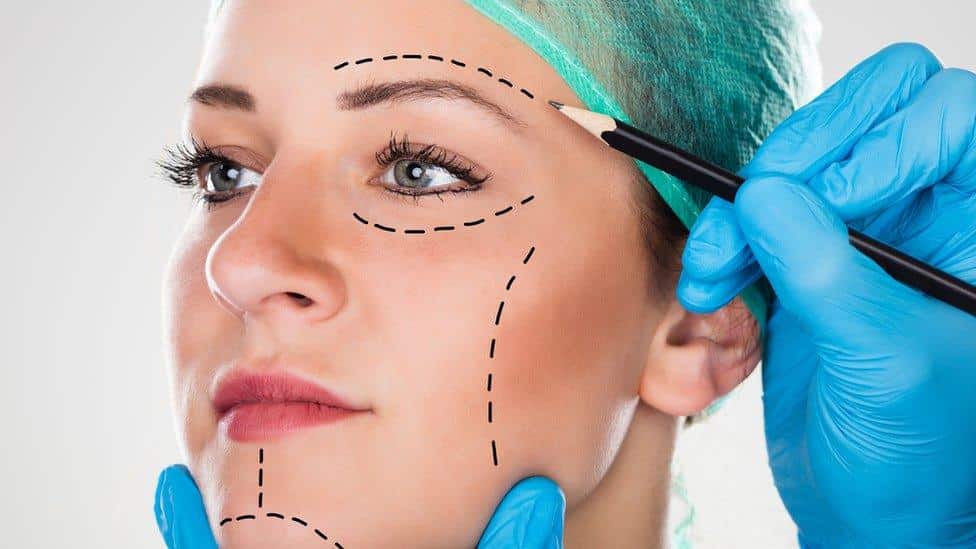
aesthetic-surgery
Facelift in Turkey
Restore youthful facial contours with deep plane and SMAS facelift techniques. Board-certified plastic surgeons, internationally accredited hospitals, and all-inclusive packages at 60–70% less than the UK.
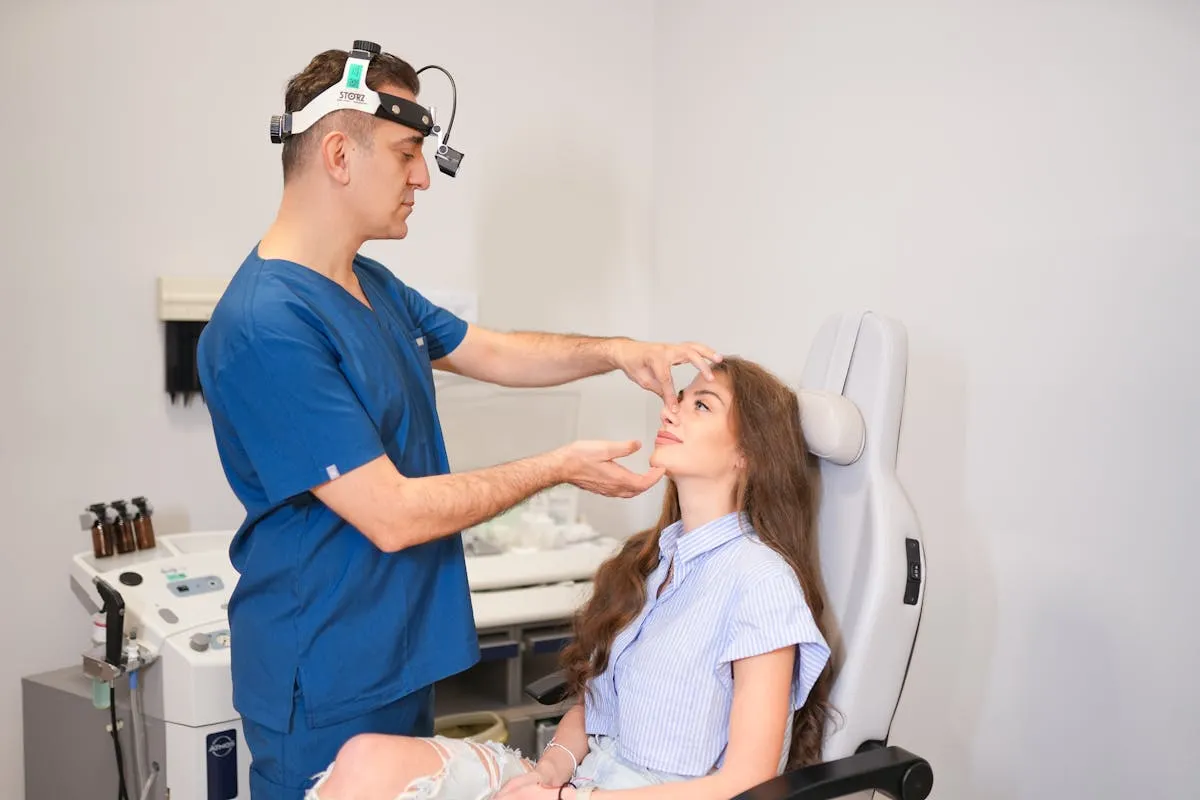
aesthetic-surgery
Rhinoplasty in Turkey
Turkey performs more rhinoplasties per capita than any other country. NexWell connects you with surgeons who specialise exclusively in nose reshaping: many with 1,000+ procedures annually. Open, closed & piezo techniques. 3D simulation included.
aesthetic-surgery
Breast Augmentation in Turkey
Using the latest silicone and cohesive gel implants from Mentor, Allergan Natrelle, and Motiva. Board-certified surgeons achieve natural-looking results at a fraction of the cost charged in the USA or UK.
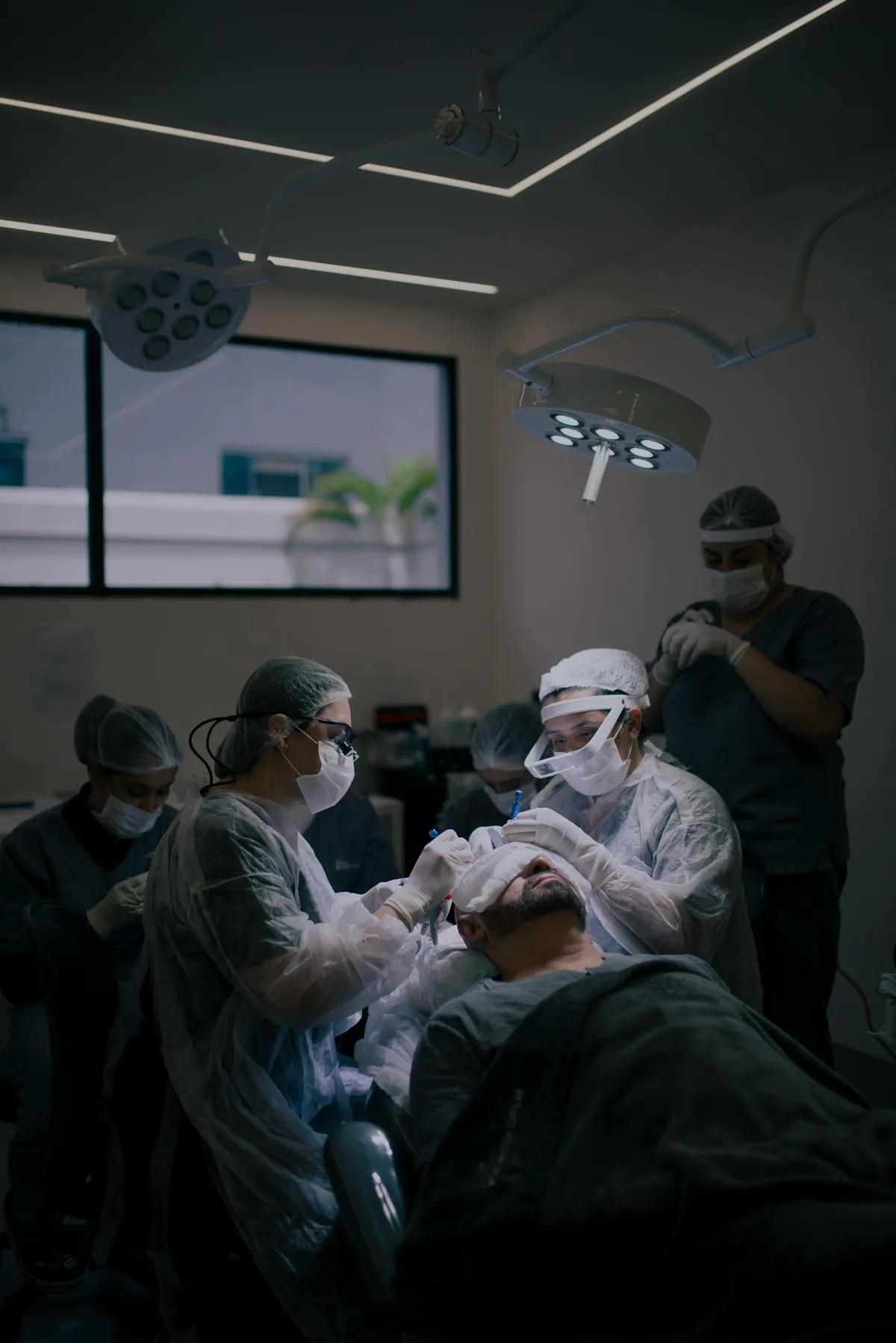
aesthetic-surgery
Hair Transplant in Turkey
Turkey performs more hair transplants than any other country: over 1 million procedures annually. NexWell is TEMOS-accredited and offers all-inclusive packages.
Plan the next step clearly
Use this page as a decision-support guide, then move into quote review, treatment comparison, and travel planning with coordinator support.
Decision Context
Patients compare this treatment inside the trip around it
Treatment pages perform better when they acknowledge arrival flow, destination trust, and the recovery rhythm patients are trying to visualise before booking.

The provider decision starts with arrival confidence
Patients compare treatment pages while also asking how first-day logistics, transfers, and scheduling will actually work.

The destination still influences medical trust
A treatment page is stronger when it recognises that the city itself remains part of the decision frame for international patients.

Recovery pacing changes how people evaluate options
Different procedures feel more or less realistic depending on how patients picture the slower hours between appointments.