Facelift in Turkey: Rhytidectomy Planning, Techniques and Cost Guide
A NexWell planning guide for patients considering a facelift in Turkey: deep plane vs SMAS vs mini-lift, candidacy, expected recovery, how results age, what Turkish all-in costs cover and how NexWell evaluates plastic surgeons for facial rejuvenation.
- JCI-accredited hospitals
- TEMOS-accredited clinics
- Board-certified surgeons and a licensed clinical team
- 3,000+ international patients treated
- 5-star chain hotel accommodation
- VIP airport transfers
Written quote from a NexWell coordinator, usually within 24 hours.
Written quote from a NexWell coordinator, usually within 24 hours.
Quick answer
A mini facelift in Turkey costs $3,500–$5,000 all-inclusive of surgeon, anaesthesia and hospital stay, around 60% less than the UK's $8,900–$12,700 (2026). A full SMAS facelift runs $5,000–$7,500, and a deep plane facelift $6,500–$9,000. Technique choice depends on how much midface and jawline laxity needs correcting.
What a Facelift Addresses and What It Does Not
Facelift surgery (rhytidectomy) addresses the structural changes of facial ageing: the descent of soft tissue from the midface toward the jowl and neck, loss of jawline definition, prominent nasolabial folds and neck laxity. It repositions descended tissue and removes excess skin to restore a younger facial architecture.
What it does not address: skin surface quality (texture, pigmentation, fine lines), forehead and brow descent (which requires a brow lift), eyelid hooding (which requires blepharoplasty), or volume loss in the cheeks and temples (which is addressed by fat grafting or fillers as a companion procedure).
A well-planned facelift result looks refreshed and rested rather than pulled. The stigma of an operated appearance is primarily the result of older techniques that relied on lateral skin tension alone. Modern deep plane and SMAS techniques address the underlying facial SMAS layer, which allows natural repositioning without the stretched appearance of skin-only approaches.
Turkey has qualified facial plastic surgeons with significant facelift case volumes at substantially lower cost than the UK, Germany or the US. The procedure is appropriate for patients in their 40s to 70s depending on the degree of laxity present.
A well-planned facelift result looks refreshed and rested rather than pulled.
Deep Plane vs SMAS vs Mini-Lift: What the Technique Difference Means
Understanding the main facelift technique categories helps evaluate what a specific Turkish clinic is offering.
SMAS facelift (superficial musculo-aponeurotic system): the standard modern facelift. The SMAS layer, the fibromuscular layer beneath the skin, is elevated and repositioned before the skin is redraped. Addresses jowl and lower face laxity with natural results. The vast majority of facelifts performed in Turkey and globally are variations of the SMAS approach.
Deep plane facelift: elevates the SMAS and the retaining ligaments of the face simultaneously, releasing the deep attachments that cause nasolabial fold depth and midface descent. Produces more comprehensive midface rejuvenation than standard SMAS lifts. Technically more demanding. Results typically last longer, 10 to 15 years versus 7 to 10 years for a standard SMAS lift.
Appropriate for patients with significant midface descent in addition to jowling.
Mini-lift (short scar facelift): limited dissection with a shorter incision. Appropriate only for patients with early, mild laxity, typically in their 40s. Not appropriate as a substitute for a full SMAS or deep plane lift in patients with moderate to significant laxity. A mini-lift offered to a patient who needs a full lift produces a result that looks operated and fades quickly.
Ask any Turkish facelift surgeon to specify which technique they are recommending for your anatomy and why. A detailed answer is a positive sign; a vague answer about a 'customised technique' without specifics is not.
Who Is a Good Candidate for Facelift in Turkey
The ideal facelift candidate has:
- visible jowling, nasolabial fold prominence or neck laxity, the structural signs that the procedure directly addresses
- good skin quality, skin with adequate elasticity responds better to repositioning and produces cleaner results
- no active smoking, nicotine significantly impairs wound healing in facelift surgery, where extensive flap elevation is involved. Most surgeons require six to eight weeks of smoking cessation before and after the procedure
- no active cardiovascular conditions or clotting disorders that increase the risk of haematoma, the most common facelift complication
- realistic expectations, facelift restores a younger version of your face, not a different face
Age is not a contraindication in itself. Patients in their 70s with good health can be appropriate facelift candidates. Age-related health factors and wound healing capacity are the relevant clinical considerations.
Treatment Plan
Ready for a written Facelift in Turkey: Rhytidectomy Planning, Techniques and Cost Guide quote?
A NexWell coordinator reviews your case and replies with a personalised treatment plan and indicative pricing — usually within 24 hours.
Facelift Recovery: A Realistic Timeline
Facelift recovery is more involved than most aesthetic procedures. Accurate expectations prevent poor treatment experiences.
Day 1–3: drains may be present. Significant swelling and bruising. Usually an overnight hospital stay.
Week 1: suture and drain removal. Swelling is at its peak. Limited neck movement. Not appropriate for flying in the first week.
Week 2: most patients are cleared to fly at days 10 to 14 after an uncomplicated recovery. Social appearance begins to normalise, though residual swelling and bruising are still visible.
Weeks 3–4: return to light work and social activity for most patients. Incision areas remain sensitive. Sun avoidance mandatory.
Months 2–3: swelling resolves progressively. Scar sites are maturing.
Months 3–6: final result is visible. Scars continue to fade for 12 to 18 months.
Patients who are planning a facelift in Turkey should budget a minimum of 14 days in-country and plan for a meaningful recovery period after returning home.
How Long Facelift Results Last and How They Age
A well-executed SMAS facelift typically lasts 7 to 10 years before the natural ageing process creates noticeable change. A deep plane facelift with more comprehensive tissue repositioning lasts 10 to 15 years in most patients.
However, 'lasting' does not mean appearing unchanged. The result ages naturally, the face continues to change, but from a restored baseline rather than from the pre-surgical baseline. At year 10, a patient who had a facelift at 55 typically looks 10 years younger than they would have appeared without it, not identical to their 55-year-old post-surgical self.
Factors that extend results: sun protection and good skincare, non-surgical maintenance (energy devices, fillers), no smoking, stable weight. Significant weight loss after a facelift reduces soft tissue volume and can affect the appearance of the result.
Facelift Cost in Turkey vs the UK and US
Mini Facelift
Turkey
$3,500–$5,000
USA
$10,000–$15,000
UK: $8,900–$12,700
SMAS Facelift
Turkey
$5,000–$7,500
USA
$15,000–$25,000
UK: $12,700–$20,300
Deep Plane Facelift
Turkey
$6,500–$9,000
USA
$20,000–$35,000
UK: $17,800–$27,950
Neck Lift
Turkey
$3,000–$5,000
USA
$8,000–$14,000
UK: $7,600–$12,700
| Procedure | Turkey | USA | UK |
|---|---|---|---|
| Mini Facelift | $3,500–$5,000 | $10,000–$15,000 | $8,900–$12,700 |
| SMAS Facelift | $5,000–$7,500 | $15,000–$25,000 | $12,700–$20,300 |
| Deep Plane Facelift | $6,500–$9,000 | $20,000–$35,000 | $17,800–$27,950 |
| Neck Lift | $3,000–$5,000 | $8,000–$14,000 | $7,600–$12,700 |
For a standard SMAS facelift, the cost saving in Turkey versus UK pricing is typically $7,700 to $12,800. For a deep plane facelift, the saving is larger in absolute terms.
How NexWell Screens Facelift Surgeons in Turkey
Facelift outcomes depend more on surgeon judgment and skill than most other aesthetic procedures. NexWell screening for facelift focuses on:
- 1subspecialisation, surgeons whose primary practice focus is facial surgery, not general plastic surgery divided across the full aesthetic menu
- 2technique documentation, the surgeon must articulate specifically which technique they use, for whom, and why. Generic 'customised facelift' language without technical specifics is a concern.
- 3consistency of results across age groups and anatomy types, before-and-after portfolios should include patients with similar baseline to the presenting patient, not only optimal cases
- 4haematoma rate documentation, haematoma is the most common facelift complication; a surgeon who has never had one either has a very small case volume or is being inaccurate
- 5post-operative monitoring protocol, facelifts require closer post-operative observation than most day surgery aesthetic procedures; an overnight stay in a monitored facility is standard
- 6recovery support and remote follow-up covering at minimum 30 days post-surgery
Questions to Ask Before Booking a Facelift in Turkey
1. Which specific facelift technique do you recommend for my anatomy, SMAS, deep plane, mini-lift, and why? What makes you choose one approach over another for a patient like me?
2. How many facelifts do you perform per year, and what proportion of those are deep plane versus SMAS versus mini-lift?
3. Can I see before-and-after results for patients in my age range and with a similar degree of laxity?
4. What is your haematoma rate, and what is your management protocol if one develops?
5. What does recovery look like in the first 14 days, and what is the minimum recommended stay in Turkey?
6. Will I have an overnight hospital stay, and what is the post-operative monitoring protocol before discharge?
7. What is your smoking policy, and what are the consequences for wound healing if the patient is an active smoker?
8. What is your remote consultation protocol in the weeks after I return home? Who is my point of contact for questions or concerns?
Facelift is the most technically demanding common aesthetic procedure. The difference between an excellent result and a revision case frequently comes down to who performed the procedure and how they approached it. Investing in verifying the surgeon before booking is considerably less costly than revising a poor result.
Medically reviewed by Op. Dr. Gökhan Efe, Op. Dr.: Plastic, Reconstructive & Aesthetic Surgery. Last reviewed March 2026
Contracted clinics
NexWell coordinates with TEMOS-accredited clinics or Ministry of Health–licensed facilities in Turkey.
Board-certified review
Content reviewed by Op. Dr. Gökhan Efe — Plastic, Reconstructive & Aesthetic Surgery (Türkiye).
No obligation
Get your Facelift in Turkey: Rhytidectomy Planning, Techniques and Cost Guide plan
Send your case and a coordinator returns a written plan and an indicative quote — usually within a day.
Questions Patients Ask Before They Commit
Related reading
aesthetic-surgery
Eyelid Surgery (Blepharoplasty) in Turkey
Remove excess skin and fat from upper or lower eyelids for a refreshed, youthful appearance. Specialist oculoplastic surgeons, internationally accredited hospitals, all-inclusive packages.
aesthetic-surgery
Rhinoplasty in Turkey
Turkey performs more rhinoplasties per capita than any other country. NexWell connects you with surgeons who specialise exclusively in nose reshaping: many with 1,000+ procedures annually. Open, closed & piezo techniques. 3D simulation included.
aesthetic-surgery
Breast Augmentation in Turkey
Using the latest silicone and cohesive gel implants from Mentor, Allergan Natrelle, and Motiva. Board-certified surgeons achieve natural-looking results at a fraction of the cost charged in the USA or UK.
aesthetic-surgery
Hair Transplant in Turkey
Turkey performs more hair transplants than any other country: over 1 million procedures annually. NexWell is TEMOS-accredited and offers all-inclusive packages.
Plan the next step clearly
Use this page as a decision-support guide, then move into quote review, treatment comparison, and travel planning with coordinator support.
Decision Context
Patients compare this treatment inside the trip around it
Treatment pages perform better when they acknowledge arrival flow, destination trust, and the recovery rhythm patients are trying to visualise before booking.

The provider decision starts with arrival confidence
Patients compare treatment pages while also asking how first-day logistics, transfers, and scheduling will actually work.

The destination still influences medical trust
A treatment page is stronger when it recognises that the city itself remains part of the decision frame for international patients.
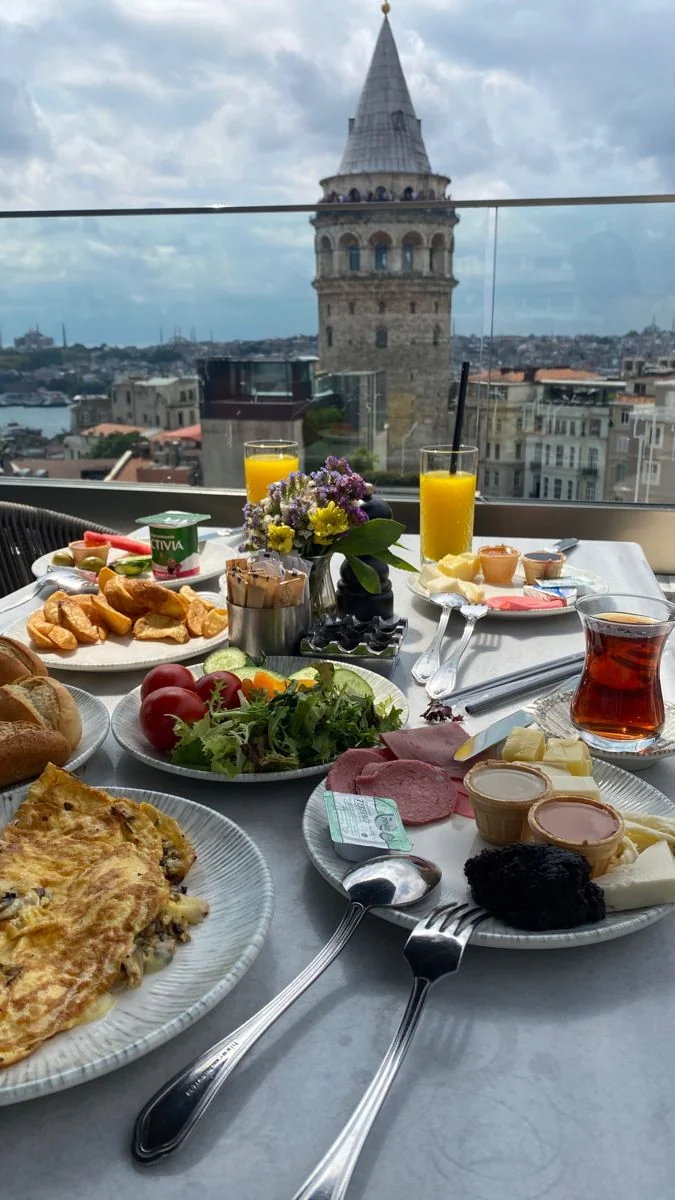
Recovery pacing changes how people evaluate options
Different procedures feel more or less realistic depending on how patients picture the slower hours between appointments.