Natalie Portman Smile Geometry: Classical Proportions & Conservative Dental Aesthetics
Natalie Portman's smile geometry analysed through classical facial harmony, subtle balance, and expression in motion: why restraint creates timeless aesthetics.
Quick answer
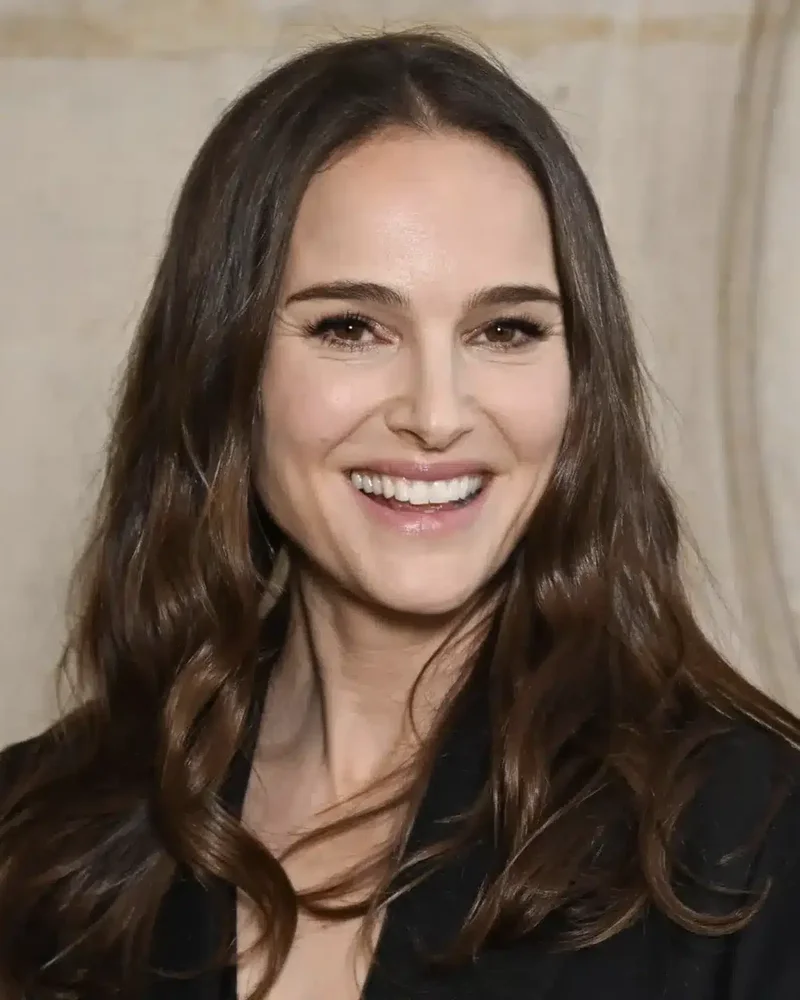
Natalie Portman hasn't confirmed any cosmetic dental work, and her smile shows no dramatic visible changes suggesting aggressive intervention. Observationally, its restrained geometry, balanced proportions, conservative smile width, controlled arc, points to careful professional maintenance rather than transformation. A comparable conservative, minimal-prep smile design costs around $2,000–$5,200 in Turkey.
Natalie Portman's facial aesthetics represent a different kind of authority: one rooted in balance, intelligence, and restraint rather than visibility or projection. Her face does not compete for attention. It holds it. In a media environment often dominated by maximal expression and architectural emphasis, Natalie Portman's facial harmony stands apart through quiet coherence.
This analysis examines her smile geometry and facial balance through classical proportion theory, focusing on how subtle restraint sustains credibility over time.
Facial Harmony Through Restraint: Why Less Is More Powerful
Natalie Portman's face is not uniform: subtle contrast adds character without disrupting harmony. Softness in the lips is offset by structure in the jaw and clarity in the eyes. This contrast prevents the face from feeling generic while maintaining composure.
Faces built on restraint prioritise expression over performance. Natalie Portman's expressions adapt easily to emotional shifts without appearing rehearsed. The smile emerges as part of a broader emotional response rather than as a standalone signal. This integration reinforces authenticity, especially in narrative-driven contexts like film.
The practical implication for smile design: not every aesthetic situation calls for maximum brightness, widest arch, or highest expression. For patients whose facial identity is built on intellectual authority, understatement, or elegance, a conservative smile geometry often produces more coherent results than an aggressive makeover.
Before You Book
Want the same natural look without full veneers?
Composite bonding reshapes and brightens teeth with little or no drilling. See how it compares with veneers on cost, durability and look.
Lower-Face Support and the Discipline of Classical Balance
In Natalie Portman's facial harmony, the lower face operates with discipline rather than force. The jawline, chin, lips, and smile form a restrained framework that supports expression without asserting dominance.
Jawline as stabiliser: Her jawline definition is present but softened: creating a stable perimeter without rigidity. It frames the smile rather than directing it.
Chin alignment: Chin projection aligns proportionally with jaw width and facial length. This supports relaxed lip posture and prevents tension during smiling or speech. The lower face reads as continuous rather than segmented.
Smile containment within classical proportion: Smile width remains conservative, staying within facial boundaries. Lip movement follows a gentle arc. Dental visibility supports expression without becoming a focal point.
Restraint and emotional clarity: Excessive emphasis in the lower face can blur emotional nuance. Restrained support enhances clarity: allowing subtle emotions (thoughtfulness, hesitation, warmth) to register clearly. The smile complements these signals rather than overriding them.

Treatment Planning
Want a smile like Natalie Portman's? Here's how to plan it.
We translate aesthetic goals into a clinical treatment plan — then arrange your treatment at our contracted clinics with the right team for your case.
Smile Geometry in Motion: Classical Balance Across Contexts
Classical lower-face balance adapts well across contexts. Whether in close-up cinematic frames or candid settings, proportions remain legible and coherent. This adaptability explains why Natalie Portman's facial harmony feels timeless rather than trend-driven.
In cinema, where high-resolution close-ups scrutinise every millimetre of expression, her smile geometry holds under pressure. There is no visual strain during emotional transitions, no awkward exposure at peak expression, no disconnect between the teeth and the surrounding facial frame.
The clinical lesson: a smile designed with conservative geometry and proportional discipline performs more consistently across the full range of expressions than one optimised for a single, maximally impressive image. The face should look its best in conversation, not just in a posed portrait.
Clinical Application: Who Benefits From This Design Philosophy
Patients who reference Natalie Portman in aesthetic consultation are typically expressing a desire for refinement over transformation, coherence over impact, and longevity over trend. They do not want their smile to announce itself.
This design philosophy is particularly well-suited to: - Patients in professional environments (law, academia, medicine, executive roles) where credibility is central to identity - Patients who value facial continuity and are concerned that cosmetic work will make them look 'different' - Patients with naturally elongated or oval facial structures where classical proportions are architecturally appropriate - Patients who are frequently filmed or photographed in narrative contexts
The treatment approach for this aesthetic category favours: conservative shade selection (warm A1–A2 range), minimal arch expansion, containment-focused smile width, and natural surface texture that avoids high-reflectivity finishes: see current veneer costs in Turkey for what a conservative, minimal-prep case typically involves.

Why Classical Geometry Ages Better Than Trend-Driven Aesthetics
Trend-driven smile aesthetics often date quickly: maximum brightness falls out of favour, aggressive arch expansion looks exaggerated, or overly uniform teeth start to appear manufactured as cultural preferences shift.
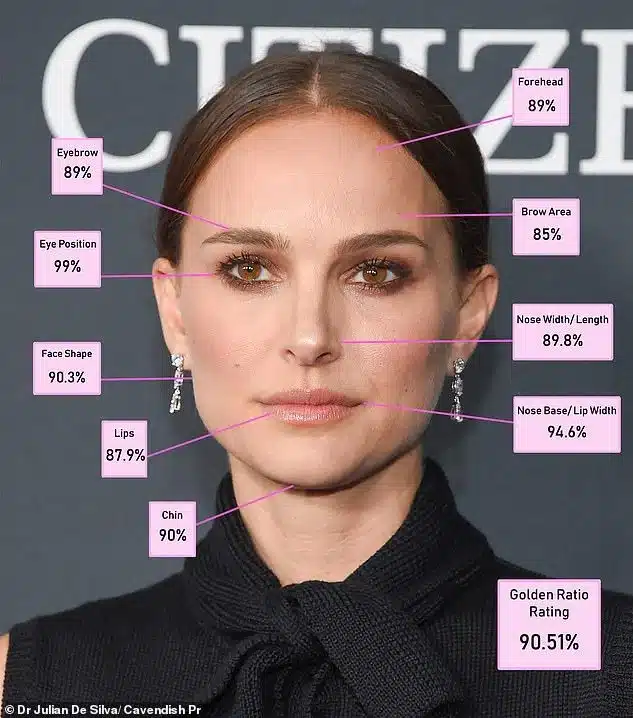
Classical geometry has no expiry date. The proportions Natalie Portman's face demonstrates, balanced thirds, conservative smile width, controlled arc, restrained brightness, have been considered aesthetically stable across centuries of visual art and medical proportion theory.
For patients considering long-term investment in smile design, this distinction is practically valuable. A smile that performs beautifully at the moment of delivery but looks dated in five years is a different kind of outcome than one that remains coherent through decades of facial evolution.
Natalie Portman's face is one of the most reliable references for the second category.

Frequently asked questions
What makes Natalie Portman's smile distinctive from other celebrity aesthetics?
Restraint. Her smile is built for emotional coherence rather than maximum impact. It supports expression rather than competing with it: a quality that makes it more versatile and more timeless than aesthetics built around visual dominance.
Is a conservative smile design less impressive?
Not at all, but the impression it creates is different. A conservative design communicates intelligence, composure, and credibility. An aggressive design communicates confidence and visibility. Both are valid; the choice should align with the patient's identity and professional context.
How do clinicians design a smile for a patient who doesn't want to look 'done'?
By working within the boundaries of the patient's existing facial architecture rather than against it. Conservative shade selection, proportional containment, natural surface texture, and minimal arch expansion all contribute to results that refine without announcing themselves.
How does classical facial balance influence long-term aesthetic satisfaction?
Patients with classically proportioned results tend to report higher long-term satisfaction because their results age gracefully. As the face matures, classical geometry remains coherent. Trend-driven results often require revision as preferences shift or features evolve.
Guide: The Complete Medical Tourism Handbook
Cost comparisons, clinic evaluation checklist, packing list & recovery tips. Everything you need to plan your treatment in Turkey.
Related reading
plastic-surgery
Most Beautiful Celebrities with Golden Ratio Faces
Facial proportion analysis of 17 celebrities ranked by golden ratio scores: what their features reveal about rhinoplasty, smile design, jawline contouring, and real aesthetic surgery planning.
beauty-and-wellness
Ariana Grande Smile Analysis: Aesthetic Harmony, Facial Balance & Natural Beauty
A detailed aesthetic analysis of Ariana Grande's smile, facial harmony, and evolving beauty: explained through dental proportions, facial balance principles, and natural smile design.
beauty-and-wellness
Taylor Swift Smile Aesthetics: Soft Symmetry & Natural Dental Harmony
Explore the soft symmetry, expressive geometry, enamel warmth, and emotional impact behind Taylor Swift's iconic smile, analysed by NexWell Experts.
beauty-and-wellness
Beyoncé Smile & Facial Aesthetics: Power, Symmetry and Timeless Femininity
An in-depth look at Beyoncé's smile and facial aesthetics: exploring symmetry, control, expression, and how confidence shapes timeless beauty.
dental-treatments
Veneers Turkey Cost 2026: Composite vs Porcelain Pricing Guide
Understand veneer pricing in Turkey by case size, material, smile design complexity, and the difference between cosmetic volume clinics and high-control aesthetic workflows.
dental
Hollywood Smile in Turkey
Achieve a symmetrical, brilliantly white smile with E-max and zirconia veneers at Istanbul's leading cosmetic dental clinics. Digital Smile Design technology lets you preview your new look before treatment begins.
Written by the NexWell editorial team. Medically informed content. How we create content