Medically reviewed by Dt. Taner Bektaş, DDS: Prosthodontics. Last reviewed June 2026
Smile Makeover Explained: How a Planned Cosmetic Redesign Works
- TEMOS-accredited clinics
- JCI-accredited hospitals
- Board-certified surgeons and a licensed clinical team
- 3,000+ international patients treated
A NexWell planning guide to how a smile makeover combines whitening, veneers, crowns, alignment and gum work into one sequenced cosmetic plan in Turkey.
Written quote from a NexWell coordinator, usually within 24 hours.
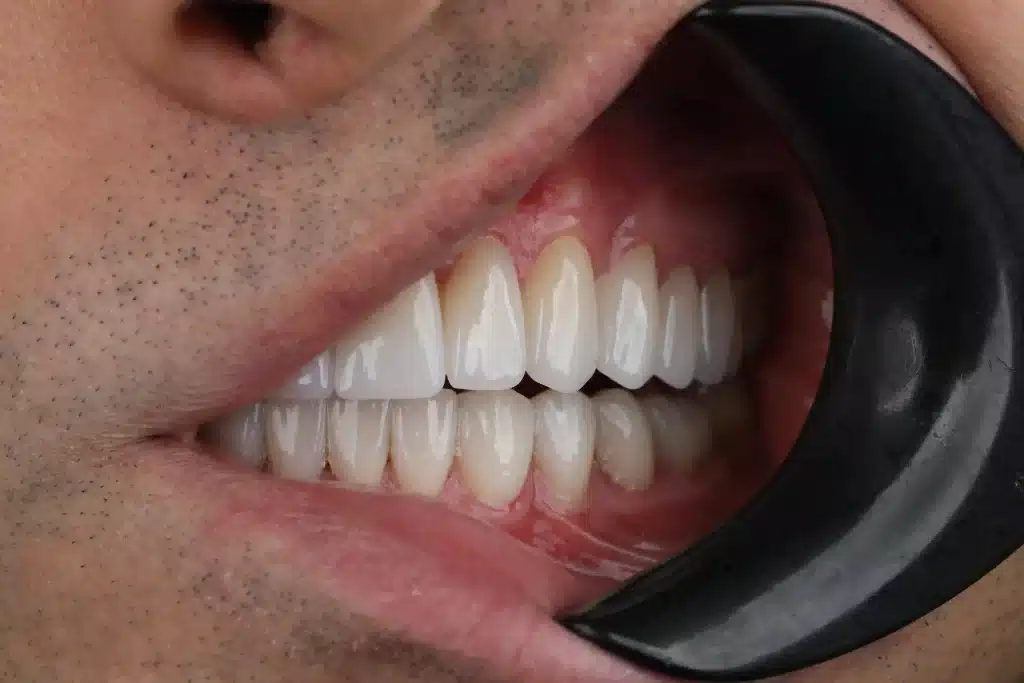
Quick answer
A NexWell planning guide to how a smile makeover combines whitening, veneers, crowns, alignment and gum work into one sequenced cosmetic plan in Turkey.
What a Smile Makeover Actually Is
A smile makeover is not a single procedure. It is a planned combination of cosmetic and, where needed, restorative treatments designed to redesign the appearance of your smile as one coherent result rather than a series of disconnected fixes.
The word "makeover" can sound superficial, but in clinical terms it describes something quite structured: a dentist assesses the colour, shape, position, proportion and alignment of your teeth, your gum line, and the way your smile relates to your lips and face, then proposes a sequence of treatments to address whichever of those elements you want to change.
The building blocks differ from person to person. One patient may need only teeth whitening and a little dental bonding to close a small gap.
Another may need veneers across the visible "smile zone," a dental crown on a heavily restored tooth, gum contouring to even an uneven gum line, and an implant to replace a missing tooth.
A smile makeover simply means these are planned together so the finished colour, shape and proportions match, instead of being added piecemeal over years.
It helps to separate two overlapping ideas. Cosmetic dentistry, as the American Dental Association describes it, refers to services carried out mainly to improve appearance rather than health. A smile makeover is the planning framework that organises those cosmetic services, and sometimes genuinely restorative ones, into a single design.
The building blocks differ from person to person.
That distinction matters because a responsible plan never treats a broken-down or infected tooth as a purely cosmetic problem; function and health are addressed first, and the aesthetic layer is built on a stable foundation.
The most heavily marketed version of a comprehensive makeover is the Hollywood smile, a term that usually describes a full set of uniform, bright veneers or crowns across the smile zone. A Hollywood smile is one possible outcome of a makeover, not a synonym for it. Many people achieve the result they want with far less intervention, and a good clinician will say so.
Throughout this guide we link to the individual treatments that can form part of a plan so you can read about each one in depth and judge which, if any, apply to you.
Finally, a smile makeover is a collaborative, reversible-by-degrees process at the planning stage and an increasingly committed one as treatment progresses. Whitening washes out over time; bonding can be reshaped; veneers and crowns involve more permanent changes to tooth enamel.
Understanding where on that spectrum each step sits is central to making decisions you will be comfortable with for years.
Assessment, Mock-Ups and Digital Smile Design
A credible smile makeover starts with assessment, not drilling. Before any irreversible treatment, an experienced dentist examines your teeth and gums, reviews your dental and medical history, and often takes photographs, scans or X-rays. The aim is to understand both what you want changed and what your current tissues can safely support.
Healthy gums and adequate bone, the absence of active decay, and a stable bite are prerequisites; cosmetic work placed over untreated disease tends to fail and can mask problems that need attention.
Many clinics now use digital smile design, a workflow in which intraoral scans and facial photographs are used to model a proposed result on screen. You can preview tooth shapes, lengths and proportions and see how they sit against your lips and facial midline before committing.
Some practices go further with a "mock-up": a temporary, removable trial smile, often made in tooth-coloured composite, placed directly over your teeth so you can see and feel a preview in your own mouth. A mock-up is one of the most valuable steps in the whole process, because it converts an abstract plan into something you can evaluate in a mirror and discuss specifically.
This stage is also where expectations get calibrated against biology. The position of your gum line, the thickness of your tooth enamel, the health of the gums (any gum recession is noted here), the alignment of your jaws and any habit of teeth grinding or bruxism all influence what is realistic and durable.
If you grind heavily, for example, your dentist may recommend a protective night guard as part of the plan to reduce wear on new restorations. None of this is upselling; it is the difference between a result that holds up and one that chips early.
Functional issues are flagged before aesthetics are finalised. If your teeth are significantly crowded or your bite is off, the assessment may identify a form of malocclusion that is better corrected by moving teeth than by reshaping them.
That decision, alignment versus restoration, is one of the most consequential in the whole plan, and it should be made deliberately rather than defaulted to veneers because they are quicker.
A strong assessment ends with a written treatment plan: which teeth are involved, which procedures are proposed, in what order, over how many visits, and at what indicative cost.
For treatment abroad this written, itemised plan is the single most useful document you can ask for, because it lets you compare clinics on substance rather than on marketing photographs, and gives you something concrete to review with a dentist at home before you travel.
Treatment Plan
Ready for a written Smile Makeover Explained: How a Planned Cosmetic Redesign Works quote?
A NexWell coordinator reviews your case and replies with a personalised treatment plan and indicative pricing — usually within 24 hours.
The Building Blocks of a Smile Makeover
A makeover is assembled from individual treatments, each suited to a particular problem. Understanding what each does helps you read a treatment plan critically and avoid having more done than you need.
Whitening is usually the first consideration because it is the least invasive way to change colour. Professional teeth whitening lightens natural enamel and, importantly, is generally done before any veneers or crowns so that those restorations can be colour-matched to the final, brighter shade. Whitening does not change tooth shape and does not affect existing restorations.
For small chips, gaps or shape changes, dental bonding applies tooth-coloured composite directly to the tooth. It is conservative, often completed in a single visit, and reversible relative to veneers, though it stains and wears faster.
Where more dramatic, uniform change across several teeth is wanted, veneers are thin shells bonded to the front of teeth; you can compare porcelain veneers, composite versus porcelain options, and minimally invasive no-prep veneers and Lumineers to understand the trade-offs in preparation and longevity.
A useful related read is veneers versus composite bonding when deciding between the two.
When a tooth is structurally weak, heavily filled or root-treated, a veneer is not enough and a dental crown that covers the whole tooth is the stronger choice; the comparison veneers versus crowns explains where the line sits. Crowns restore function as well as appearance, which is why makeovers often mix veneers on sound teeth with crowns on compromised ones.
Gum aesthetics matter as much as teeth. An uneven or excessive gum display is addressed with gum contouring for a gummy smile, reshaping the gum line so teeth appear better proportioned. If gums are receding or inflamed, gum recession and underlying gum disease must be stabilised first.
If teeth are crowded or poorly aligned, moving them is often healthier than masking them. Clear aligners such as Invisalign, or fixed braces, can correct a malocclusion so the final restorations are minimal.
Where a tooth is missing, options include a dental bridge or an implant; for several or all missing teeth, dental implants, full-mouth implants or an All-on-4 approach may form part of a comprehensive plan.
How many of these you actually need is the real question, and how many veneers you require is a good worked example of that thinking.
How a Treatment Plan Is Sequenced
Order matters in a smile makeover. Doing things in the wrong sequence can waste money, force rework, or compromise the final result, so a well-built plan follows a logic that moves from health, to position, to colour, to final restorations.
The first priority is always health and stability. Active decay, infection and gum disease are treated before anything cosmetic begins.
If the gums are inflamed or there is gum recession, the tissues are stabilised, which may involve periodontal treatment before implants or before veneers, because restorations placed against unhealthy gums look poor and tend to fail. Any structural problems, such as a tooth needing a root canal, are resolved at this stage too.
Second comes tooth position. If alignment is part of the plan, it usually happens early, because moving teeth changes where everything sits. Using clear aligners or braces first can dramatically reduce how much restorative work is needed afterwards; a tooth that is straightened into place may need no veneer at all.
Replacing missing teeth with dental implants also tends to be planned early, since implants require healing time that runs in parallel with other steps.
Third is colour. Teeth whitening is done before veneers, crowns or bonding, because those restorations are colour-matched to your teeth and cannot be lightened later. Whitening after placing veneers would leave the restorations standing out as the surrounding natural teeth changed shade. Establishing the final colour first lets everything be matched to one consistent target.
Fourth come the definitive restorations: veneers, crowns and final bonding, often previewed through a mock-up and temporaries before the permanent versions are fitted. Where a habit such as bruxism was identified, a protective appliance is typically provided at the end to safeguard the new work.
For patients travelling to Turkey, sequencing also shapes the timeline. Some steps, such as whitening, bonding and a set of veneers, can be staged across two trips a week or two apart, with temporaries in between. Others, particularly implants, require months of healing and so are planned across separate visits.
A trustworthy clinic maps this calendar out for you in writing, including which appointments happen on which trip, so you are not surprised by a result that needs more time, or more travel, than you expected.
Who It Suits and Managing Expectations
A smile makeover suits people who are unhappy with the appearance of their smile and have, or can first achieve, healthy teeth and gums. Good candidates typically have stable oral health, realistic goals, and an understanding that a more even, brighter smile is the aim, not a different face.
People with active gum disease, untreated decay or uncontrolled grinding are not excluded, but those issues are addressed first; cosmetic work is the final layer, never a cover-up.
The single most important expectation to set is that a smile makeover is about harmony, not maximum whiteness. A natural-looking result considers the proportions of the teeth, the curve of the smile against the lower lip, the symmetry of the gum line, and how the smile suits your age and facial features. Teeth that are too white, too long or too uniform can look artificial.
An experienced clinician will sometimes steer you away from the brightest shade or the most dramatic Hollywood smile toward something that reads as believably yours, and that restraint is a sign of good judgement rather than a lack of skill.
It is also honest to acknowledge limits. No cosmetic plan can promise a specific outcome with certainty, and reputable dentistry avoids language about flawless or permanent results. Restorations such as veneers and crowns typically last many years with good care but are not lifelong; whitening fades; bonding needs occasional refreshing.
The right framing is that a makeover gives you a substantially improved and maintainable smile, not an unchanging one.
Expectation-setting also covers the irreversibility of certain steps. Traditional veneers and crowns involve removing some tooth enamel, which does not grow back, so those teeth will always need some form of covering thereafter.
This is a reasonable trade for many people, but it is a genuine commitment that deserves a clear conversation, ideally helped by the mock-up stage so you preview the look before any enamel is touched. Where preserving tooth structure is a priority, options like no-prep veneers or simply whitening and bonding may achieve enough.
Finally, candidacy depends on willingness to maintain the result. The patients who stay happiest are those who keep up daily cleaning, attend regular check-ups, protect against grinding if relevant, and accept that occasional upkeep is part of owning a beautiful smile rather than a sign something went wrong.
Durability, Maintenance, and Cost in Turkey
How long a smile makeover lasts depends on which treatments it includes and how you look after them.
Whitening typically needs topping up every one to a few years. Dental bonding is the most maintenance-prone, as composite stains and chips over time. Porcelain veneers and crowns are more durable and commonly last many years, while dental implants replace the tooth root and, when well maintained, can serve for a very long time.
None of these should be described as permanent or guaranteed; longevity ranges reflect averages, and individual results vary with oral hygiene, bite forces and habits such as bruxism.
Maintenance is straightforward but non-negotiable. Daily brushing and cleaning between teeth, regular professional check-ups and cleanings, avoiding habits that crack restorations, and wearing a night guard if you grind all extend the life of the work. Keeping the gums healthy matters too, since gum recession can expose the margins of veneers and crowns.
Treat the makeover as something you maintain, much like the rest of your teeth, rather than a one-off purchase.
Turkey has become a major destination for cosmetic dentistry because the indicative cost of treatments such as veneers, crowns and implants is often considerably lower than in the UK, much of Western Europe, or North America, while many clinics offer modern digital workflows.
We deliberately avoid quoting fixed prices here, because real cost depends on how many teeth are involved, which materials are chosen, and whether alignment or implants are part of the plan. For indicative ranges by treatment, see our pages on the cost of veneers in Turkey, the cost of a Hollywood smile, and crown costs.
Treat any single advertised figure with caution: the only reliable number is a written, itemised quote based on your own assessment.
When comparing options, look past headline prices to what is included. Does the quote cover consultation, scans, temporaries, the final restorations, and follow-up? How many trips and nights does the timeline require? What happens, and who pays, if something needs adjusting after you fly home? A clinic that answers these clearly is easier to trust than one competing on price alone.
If a comprehensive, uniform redesign is what you are picturing, the most complete expression of a makeover is the Hollywood smile, and it is the natural next page to read once you understand the building blocks here.
Whatever scale you are considering, take a written plan to a dentist you trust before committing, so your decision is based on your own mouth rather than on someone else's after photos.
Vetted partner network
NexWell coordinates with TEMOS-accredited clinics or Ministry of Health–licensed facilities in Turkey.
Board-certified review
Content reviewed by Dt. Taner Bektaş — Turkish Dental Association (TDB).
5.0★ from real patients (3 reviews)
“From the airport pickup to the final check-up, everything was organised. The dentist designed my smile digitally and the porcelain work is flawless. I keep getting compliments.” — Fatima A., Dubai, United Arab Emirates
No obligation
Get your Smile Makeover Explained: How a Planned Cosmetic Redesign Works plan
Send your case and a coordinator returns a written plan and an indicative quote — usually within a day.
Questions Patients Ask Before They Commit
Related reading
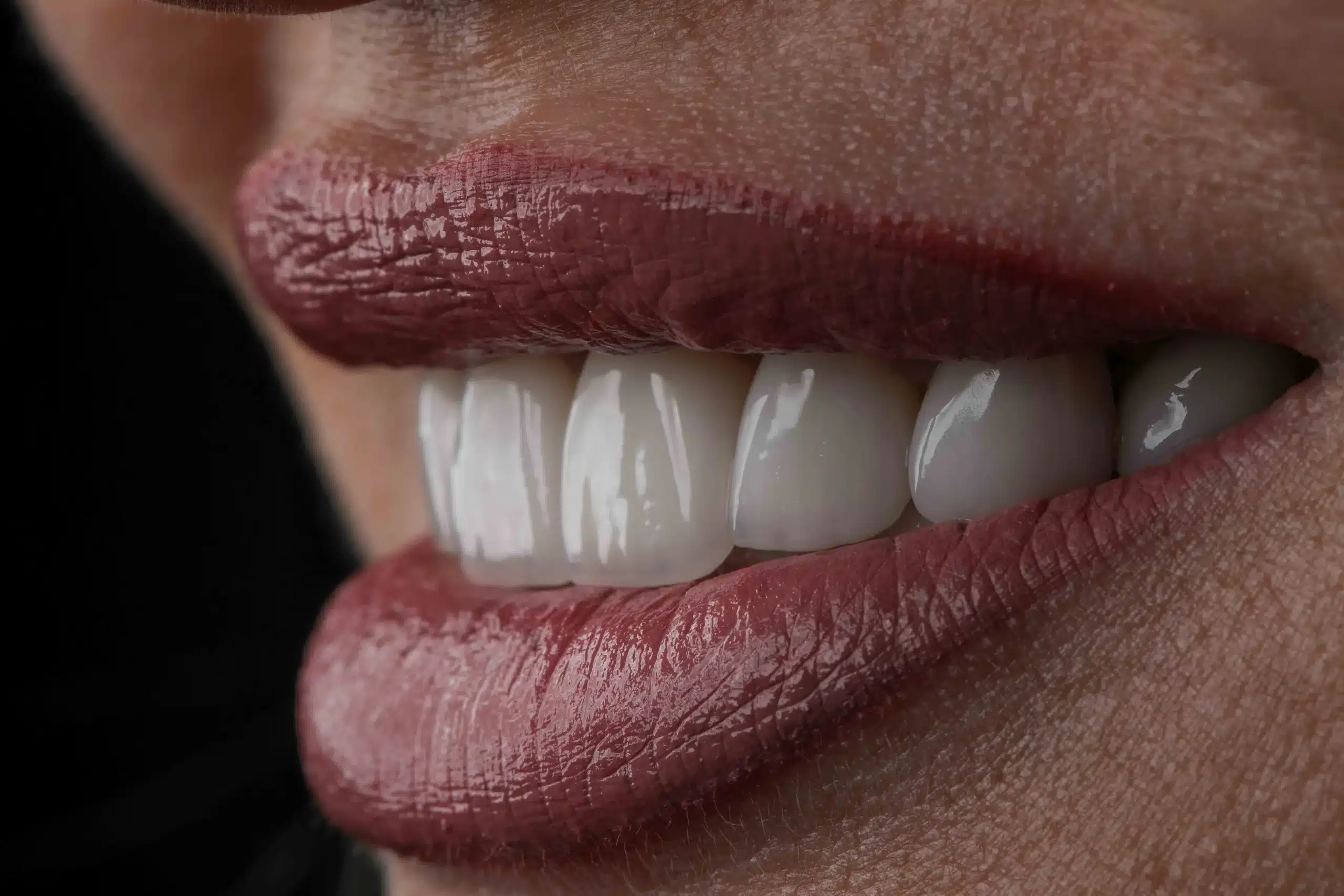
dental
Hollywood Smile in Turkey
Achieve a symmetrical, brilliantly white smile with E-max and zirconia veneers at Istanbul's leading cosmetic dental clinics. Digital Smile Design technology lets you preview your new look before treatment begins.
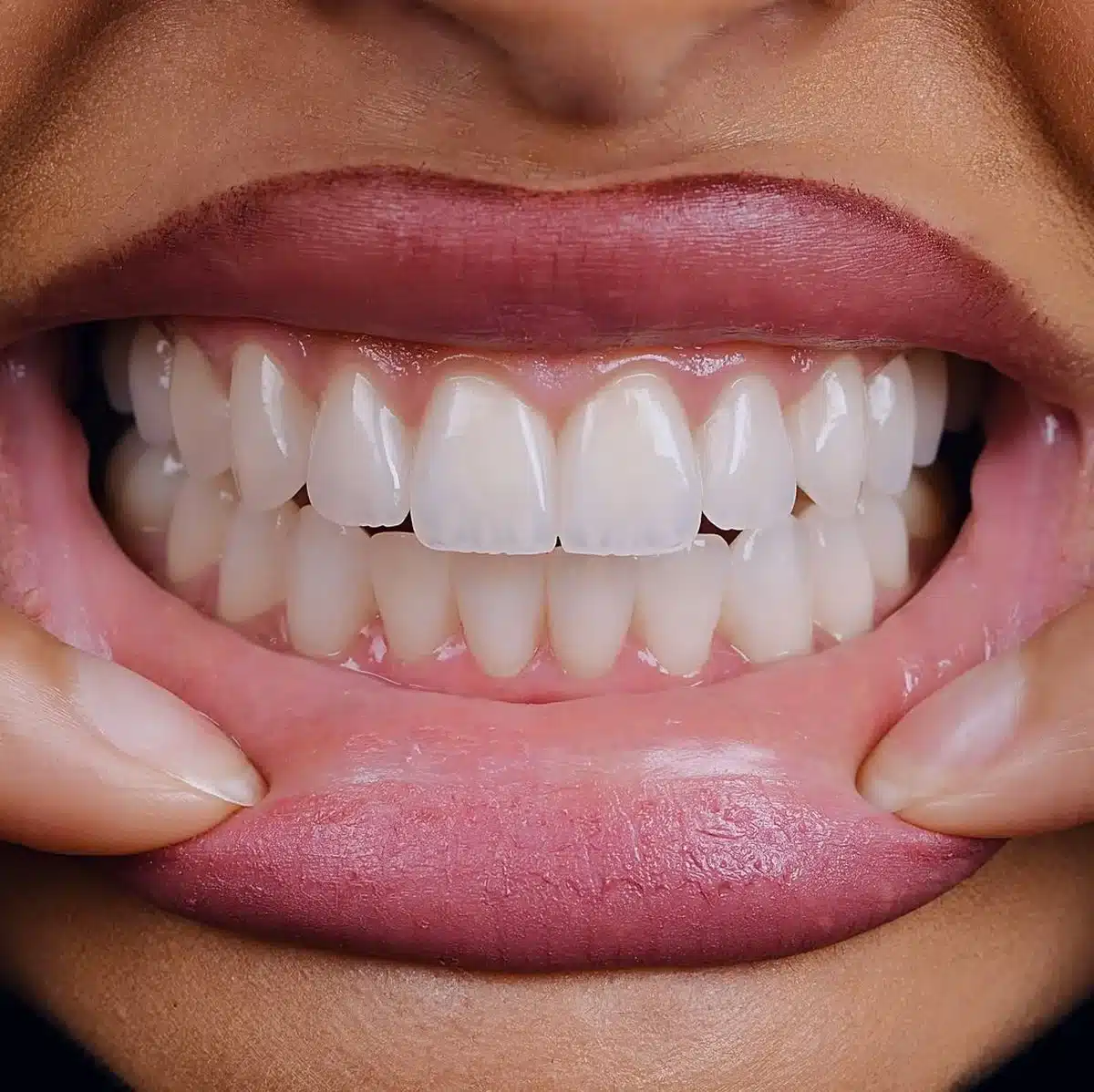
dental
Laminate Veneers in Turkey
Ultra-thin porcelain veneers (as little as 0.2 mm) that require minimal tooth preparation. Preserve more natural enamel while achieving a stunning cosmetic result.
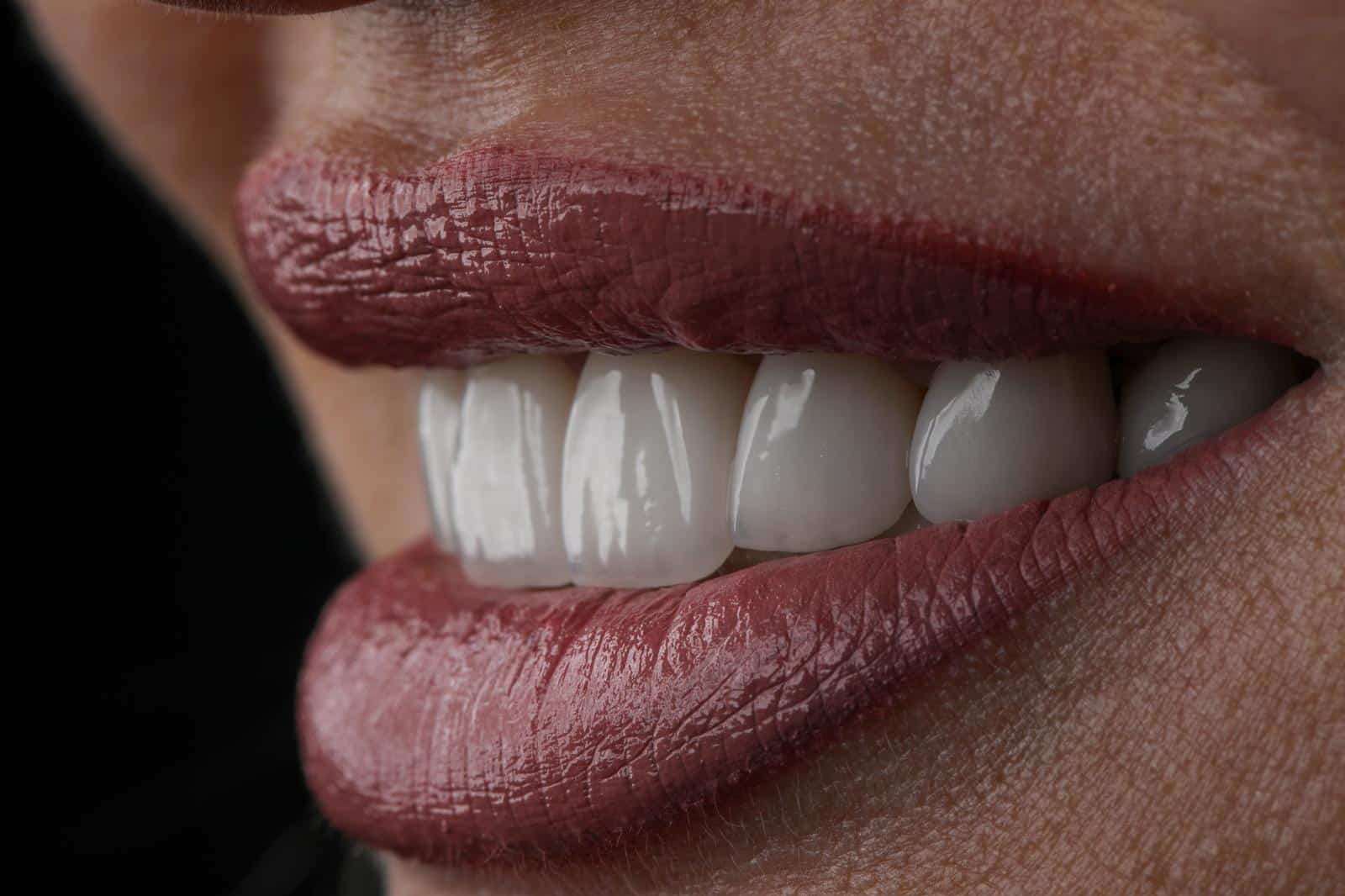
Treatment Guide
Porcelain Veneers Explained: Process, Materials & Care
How porcelain veneers work: ideal candidates, the minimal-prep process, materials, lifespan, pros and cons, aftercare and indicative cost in Turkey.
Treatment Guide
Gum Contouring & the Gummy Smile: Causes, Treatments and What to Expect
Why excess gum shows when you smile, and how gum contouring, crown lengthening, lip surgery and Botox treat it. Candidacy, healing and indicative Turkey costs.
Plan the next step clearly
Use this page as a decision-support guide, then move into quote review, treatment comparison, and travel planning with coordinator support.
Decision Context
Patients compare this treatment inside the trip around it
Treatment pages perform better when they acknowledge arrival flow, destination trust, and the recovery rhythm patients are trying to visualise before booking.

The provider decision starts with arrival confidence
Patients compare treatment pages while also asking how first-day logistics, transfers, and scheduling will actually work.

The destination still influences medical trust
A treatment page is stronger when it recognises that the city itself remains part of the decision frame for international patients.

Recovery pacing changes how people evaluate options
Different procedures feel more or less realistic depending on how patients picture the slower hours between appointments.