Orthopaedic Treatments in Turkey: Joint Replacement, Sports Medicine and Spine Surgery
- TEMOS-accredited clinics
- JCI-accredited hospitals
- Board-certified surgeons and a licensed clinical team
- 3,000+ international patients treated
A guide for international patients exploring orthopaedic surgery in Turkey, covering knee and hip replacement, ACL reconstruction, spine surgery, sports medicine and rehabilitation planning.
Written quote from a NexWell coordinator, usually within 24 hours.
Quick answer
Joint replacement and sports-medicine surgery in Turkey costs $4,500–$7,000 for ACL reconstruction, $7,500–$11,000 for a single total knee replacement, and $8,000–$12,000 for a total hip replacement, well below UK and US private pricing (2026). Spinal fusion runs $6,000–$10,000. Implant brand and model should be confirmed in writing before comparing quotes.
Orthopaedic Surgery Landscape in Turkey
Turkey's orthopaedic surgery sector has grown substantially, driven by both domestic demand (an ageing population) and international patient flow. Turkish orthopaedic surgeons are trained in the same techniques and use the same implant brands as their counterparts in the US and Europe, Smith & Nephew, Zimmer Biomet, Stryker, DePuy Synthes and others.
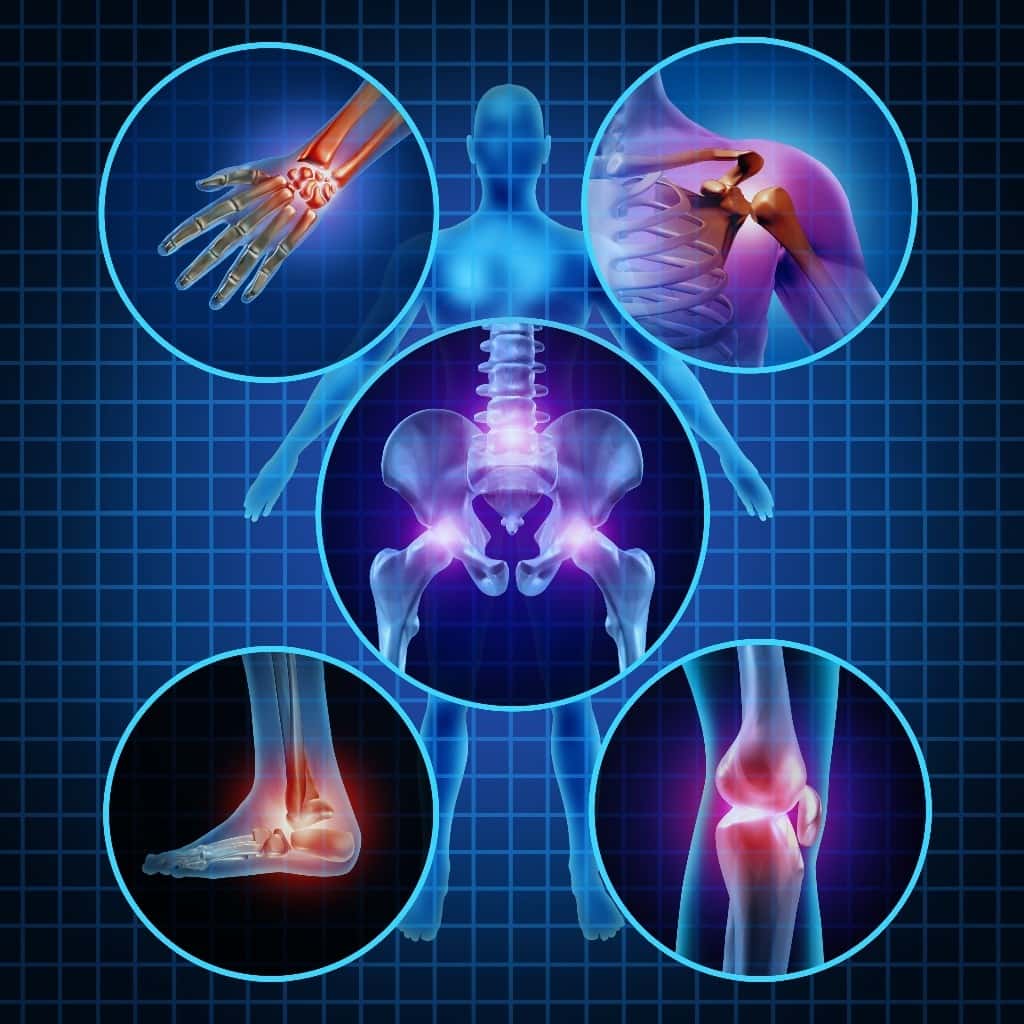
The main orthopaedic treatments available to international patients include joint replacement (knee, hip, shoulder), sports medicine surgery (ACL reconstruction, meniscus repair, rotator cuff repair, ankle ligament reconstruction), spine surgery (disc herniation, spinal fusion, scoliosis correction, artificial disc replacement), trauma surgery and paediatric orthopaedics.
The most commonly requested procedures by international patients are total knee replacement (often bilateral), total hip replacement, ACL reconstruction and lumbar disc surgery. Spine surgery for complex cases including multi-level fusion and scoliosis correction is also a growing segment.
The most commonly requested procedures by international patients are total knee replacement (often bilateral), total hip replacement, ACL reconstruction and lumbar disc surgery.
Joint Replacement Surgery in Turkey
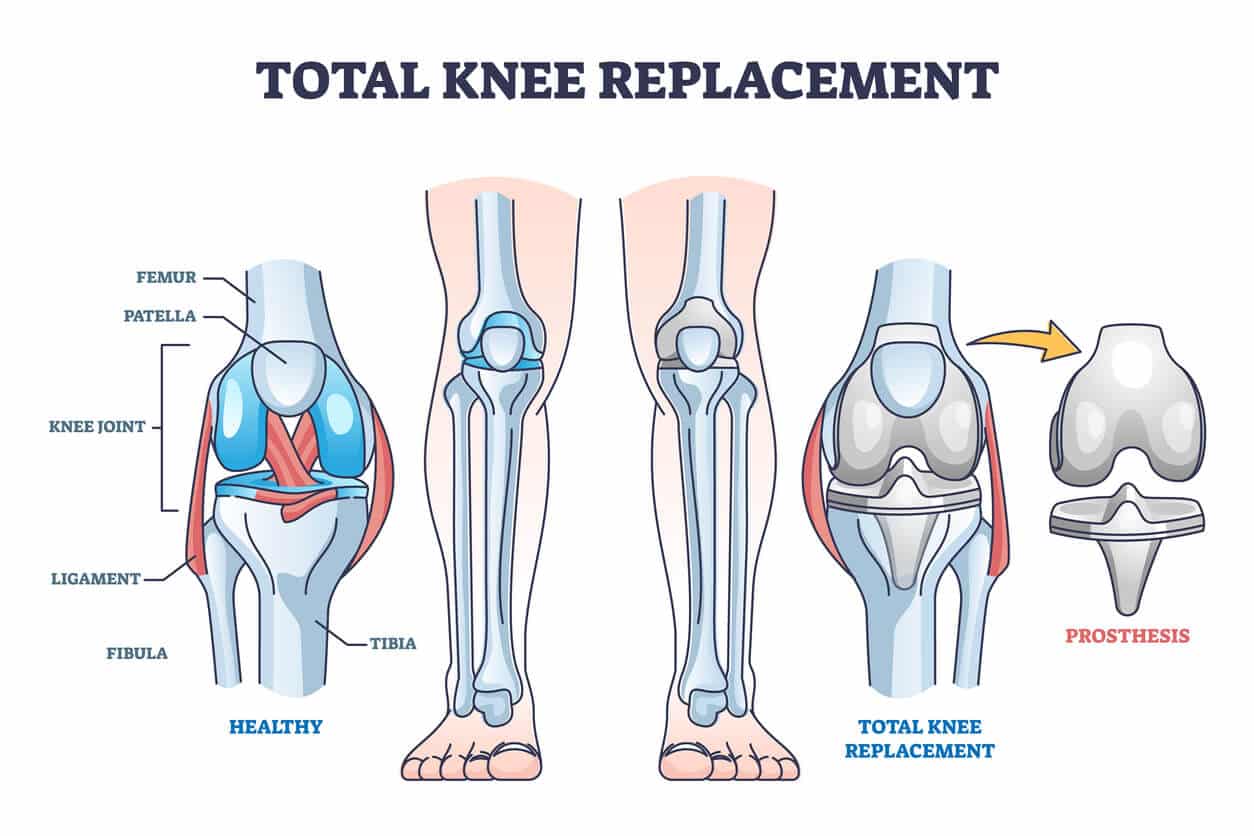
Total knee replacement is the most requested orthopaedic procedure by international patients visiting Turkey. Bilateral (both knees) knee replacement in a single surgical session is commonly offered at experienced Turkish centres, reducing total recovery time and travel logistics compared to staged bilateral surgery.
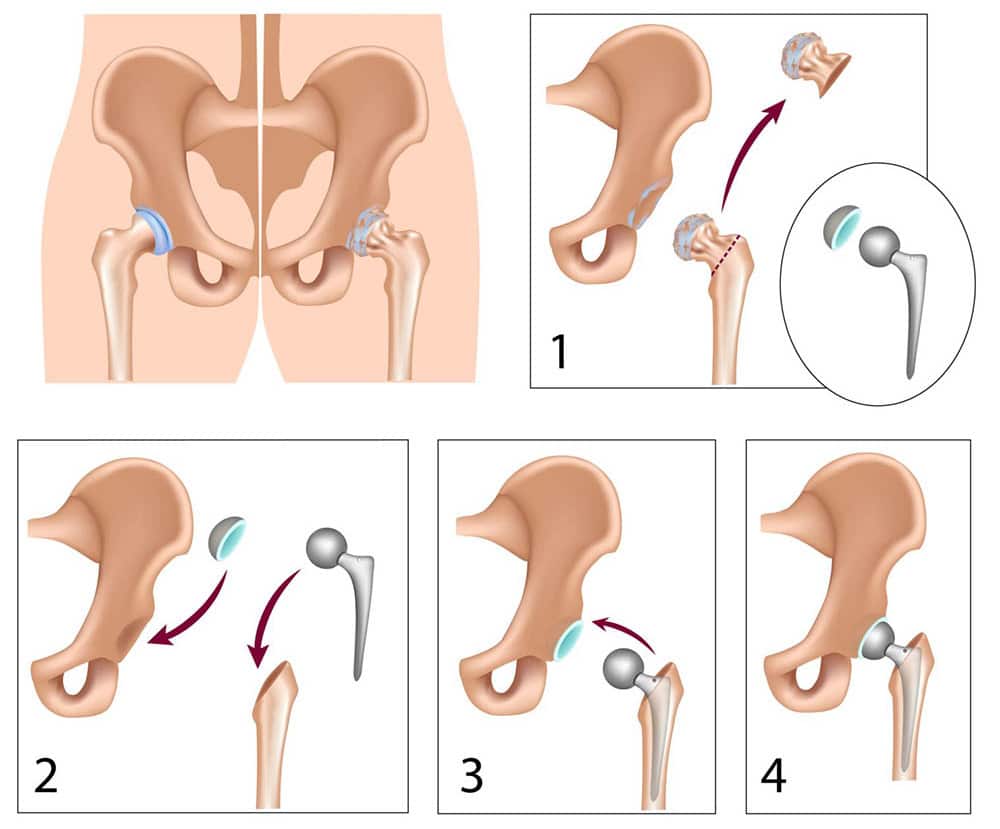
Total hip replacement options include conventional posterior or anterolateral approaches and direct anterior approach (DAA), which offers potentially faster rehabilitation. Implant options include ceramic-on-ceramic, ceramic-on-polyethylene and metal-on-polyethylene bearing surfaces, with the choice depending on patient age, activity level and surgeon preference.
Shoulder replacement is less common but available at specialised upper-limb centres, including reverse total shoulder arthroplasty for rotator cuff arthropathy.
Robotic-assisted joint replacement (using Mako or similar platforms) is available at select Turkish centres, offering improved implant positioning accuracy. Patients should ask whether robotic assistance is available and whether it affects the quoted price.
Implant brand transparency is essential. Patients should receive written confirmation of the exact implant brand, model and size used, along with the implant warranty card, before discharge.
Treatment Plan
Ready for a written Orthopaedic Treatments in Turkey: Joint Replacement, Sports Medicine and Spine Surgery quote?
A NexWell coordinator reviews your case and replies with a personalised treatment plan and indicative pricing — usually within 24 hours.
Sports Medicine and Arthroscopic Surgery
Turkey has a well-developed sports medicine infrastructure, partly driven by the country's professional football, basketball and athletics programmes. Sports medicine centres in Istanbul and Ankara manage both professional athletes and recreational patients.
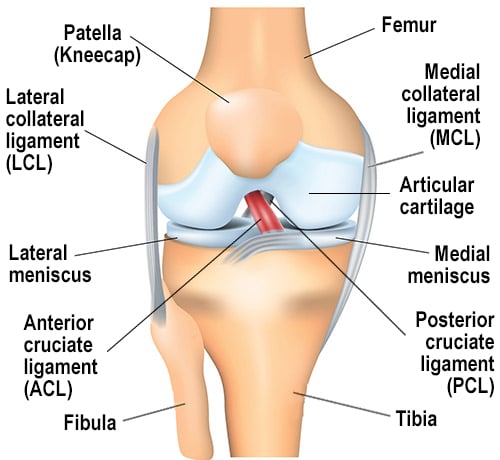
ACL reconstruction is performed using autograft (hamstring tendon or patellar tendon from the patient) or allograft (donor tendon). Graft choice depends on the patient's age, activity level and any concurrent knee pathology. Most Turkish sports surgeons prefer autograft for young active patients.
Meniscus surgery ranges from partial meniscectomy (removing the damaged portion) to meniscus repair (suturing the tear) to meniscus transplantation in select cases. The trend toward meniscus preservation is strong at quality-conscious Turkish centres.
Rotator cuff repair is performed arthroscopically for most tears, with open repair reserved for massive or retracted tears. Shoulder instability surgery, labral repair and SLAP lesion repair are also routinely performed.
Post-surgical rehabilitation is critical for sports medicine outcomes. NexWell ensures that patients receive a detailed physiotherapy protocol before returning home and that this protocol is compatible with rehabilitation standards in their home country.
Spine Surgery Options
Spine surgery in Turkey covers the full complexity range from microdiscectomy (minimally invasive disc surgery with 1-2 day hospital stay) to complex multi-level spinal fusion and scoliosis correction requiring 5-10 day hospitalisations.
Common spine procedures for international patients include lumbar microdiscectomy for herniated disc, lumbar spinal fusion (PLIF, TLIF, ALIF) for degenerative disc disease and instability, cervical disc replacement (artificial disc) as an alternative to cervical fusion, cervical foraminotomy for nerve root compression and scoliosis correction in adolescent and adult patients.
Minimally invasive spine surgery (MIS) techniques are available at experienced centres, offering smaller incisions, less muscle damage and faster recovery. However, not all spine conditions are suitable for MIS, complex deformity correction and revision spine surgery may require open approaches.
Spine surgery decisions should be based on clear diagnostic imaging (MRI), correlation between symptoms and imaging findings and failure of conservative treatment (physiotherapy, pain management) for an adequate period. NexWell does not facilitate spine surgery for patients who have not tried appropriate conservative management first.
Orthopaedic Surgery Cost Comparison
| Procedure | Turkey | UK (Private) | USA |
|---|---|---|---|
| Total Knee Replacement (single) | $7,500-$11,000 | $17,800-$24,150 | $30,000-$50,000 |
| Bilateral Knee Replacement | $12,500-$18,000 | $27,950-$38,100 | $50,000-$80,000 |
| Total Hip Replacement | $8,000-$12,000 | $17,800-$25,400 | $32,000-$55,000 |
| ACL Reconstruction | $4,500-$7,000 | $10,150-$15,250 | $15,000-$25,000 |
| Rotator Cuff Repair | $3,000-$5,000 | $6,350-$10,150 | $10,000-$25,000 |
| Lumbar Microdiscectomy | $3,000-$5,000 | $7,600-$12,700 | $15,000-$30,000 |
| Spinal Fusion (single level) | $6,000-$10,000 | $15,250-$25,400 | $30,000-$80,000 |
Prices include hospital stay, surgical fees, implant costs, anaesthesia and standard physiotherapy during the hospital admission. Implant brand and model should be specified in writing. This is the single biggest variable in orthopaedic surgery pricing.
Rehabilitation and Recovery Planning
Orthopaedic surgery outcomes depend as much on rehabilitation as on surgical technique. For international patients, the rehabilitation plan must bridge the gap between care in Turkey and continuation at home.
Joint replacement patients typically start physiotherapy on the day of surgery (day 0 mobilisation). Hospital stay is 3-5 days, followed by 7-14 days of supervised outpatient physiotherapy in Turkey. Most patients can fly home 10-14 days after knee replacement and 7-10 days after hip replacement.
ACL reconstruction patients can usually fly after 5-7 days but face 6-9 months of structured rehabilitation. The physiotherapy protocol provided by the Turkish surgeon must be followed by the home physiotherapist, NexWell ensures the protocol is provided in the patient's language.
Spine surgery recovery varies by procedure. Microdiscectomy patients can often fly after 5-7 days. Spinal fusion patients typically need 10-14 days before flying and face 3-6 months of activity restrictions.
NexWell provides each orthopaedic patient with a written recovery timeline, physiotherapy protocol, activity restriction guidelines and a follow-up imaging schedule before discharge. These documents are formatted for sharing with the patient's home orthopaedic surgeon or physiotherapist.
Vetted partner network
NexWell coordinates with TEMOS-accredited clinics or Ministry of Health–licensed facilities in Turkey.
No obligation
Get your Orthopaedic Treatments in Turkey: Joint Replacement, Sports Medicine and Spine Surgery plan
Send your case and a coordinator returns a written plan and an indicative quote — usually within a day.
Questions Patients Ask Before They Commit
Related reading
orthopaedics
Knee Replacement Surgery in Turkey
Total and partial knee replacement pathways in Turkey combine high-volume orthopaedic teams, modern implant planning, and lower total cost than most UK or US private routes. The real differentiator is how clearly mobility goals, implant choice, and rehabilitation are coordinated from day one.
orthopaedics
Hip Replacement Surgery in Turkey
Turkey offers hip replacement pathways for international patients who need better mobility, lower pain, and a clearer rehabilitation plan than fragmented private options often provide. The strongest providers make implant choice, hospital recovery, and aftercare legible from the start.
orthopaedics
ACL Repair Surgery in Turkey
ACL surgery in Turkey is most valuable when the clinic combines accurate diagnosis, graft selection logic, and a realistic return-to-sport pathway. International patients should evaluate rehab quality and follow-up discipline as seriously as the operation itself.
Plan the next step clearly
Use this page as a decision-support guide, then move into quote review, treatment comparison, and travel planning with coordinator support.
Decision Context
Patients compare this treatment inside the trip around it
Treatment pages perform better when they acknowledge arrival flow, destination trust, and the recovery rhythm patients are trying to visualise before booking.

The provider decision starts with arrival confidence
Patients compare treatment pages while also asking how first-day logistics, transfers, and scheduling will actually work.

The destination still influences medical trust
A treatment page is stronger when it recognises that the city itself remains part of the decision frame for international patients.
Recovery pacing changes how people evaluate options
Different procedures feel more or less realistic depending on how patients picture the slower hours between appointments.